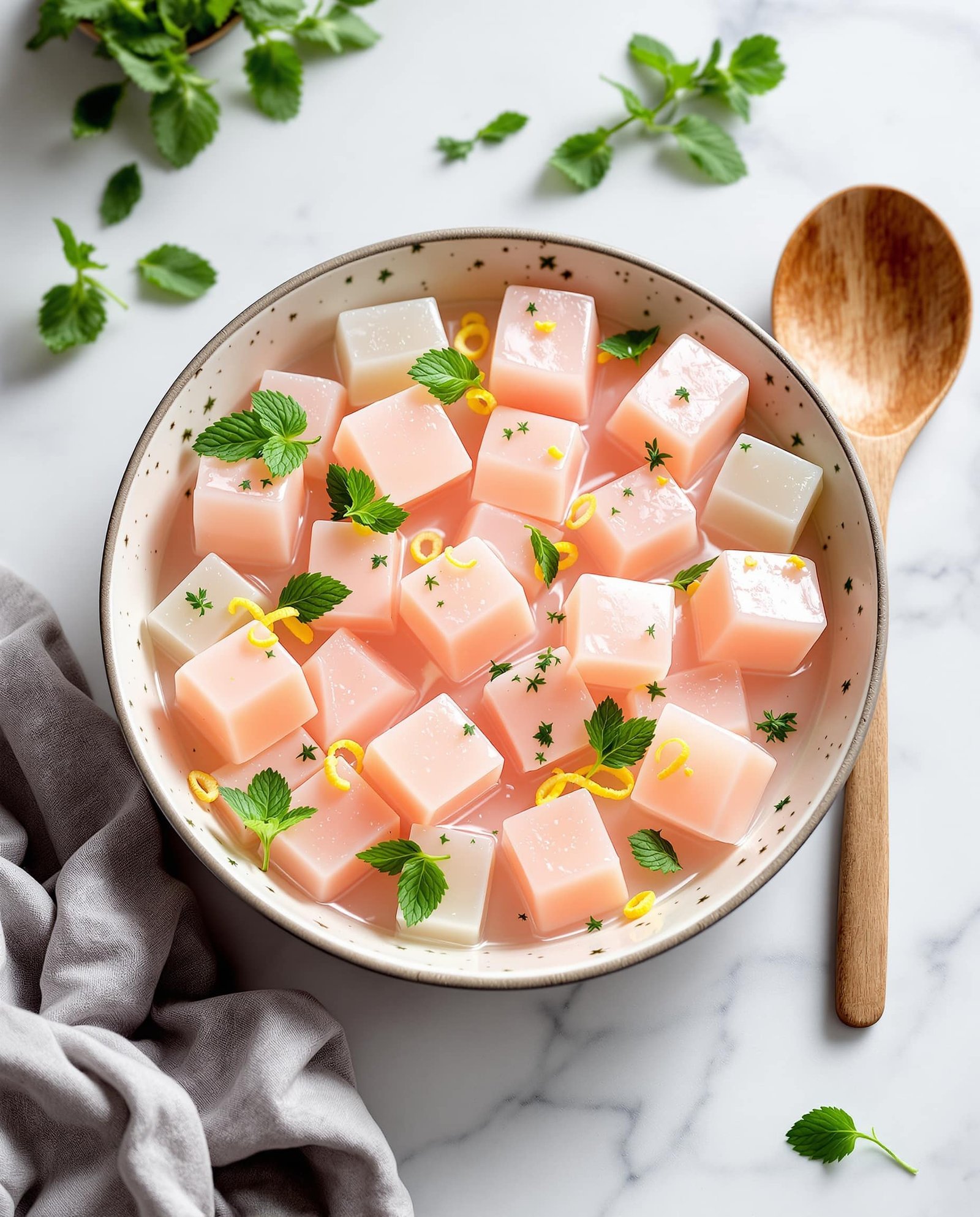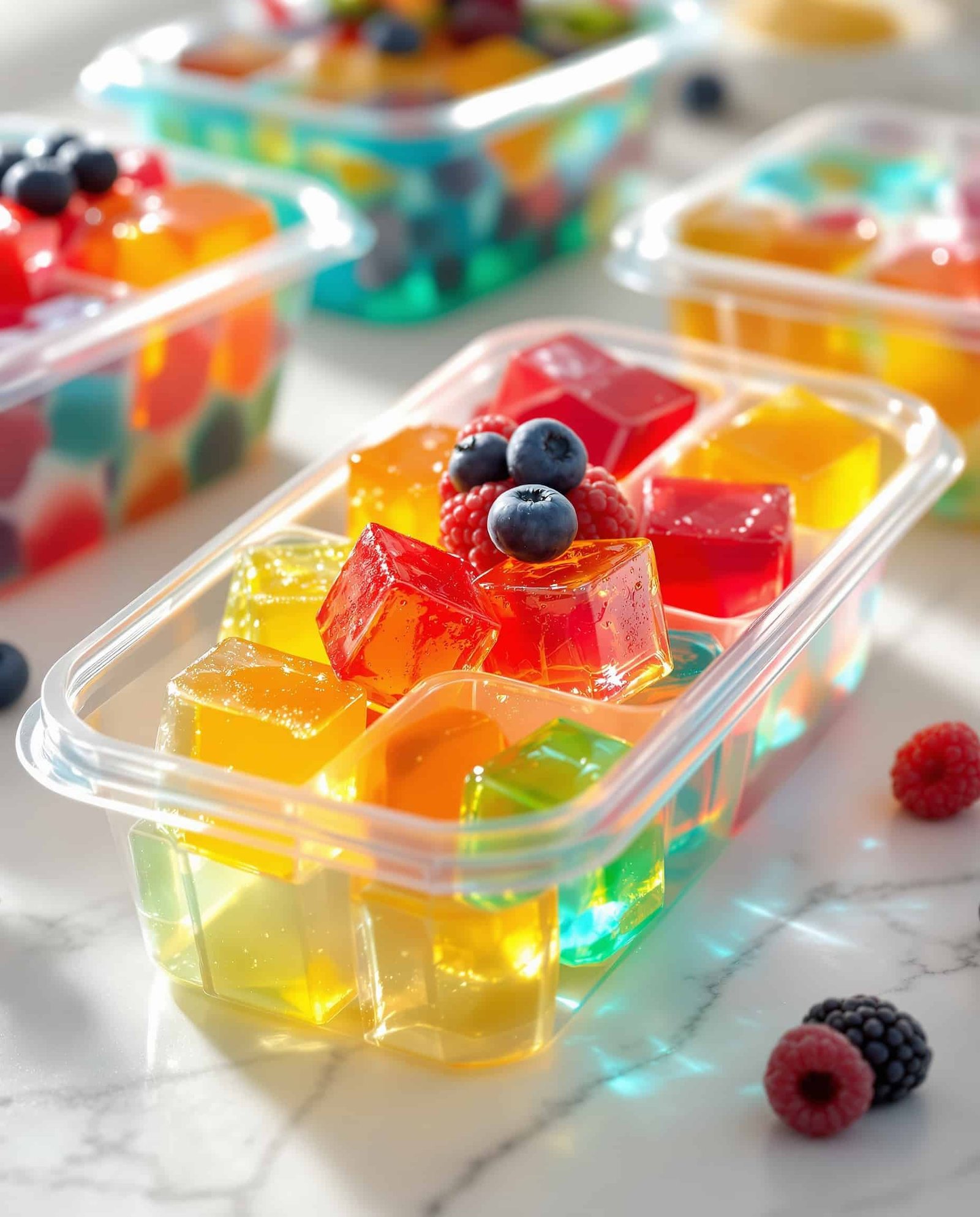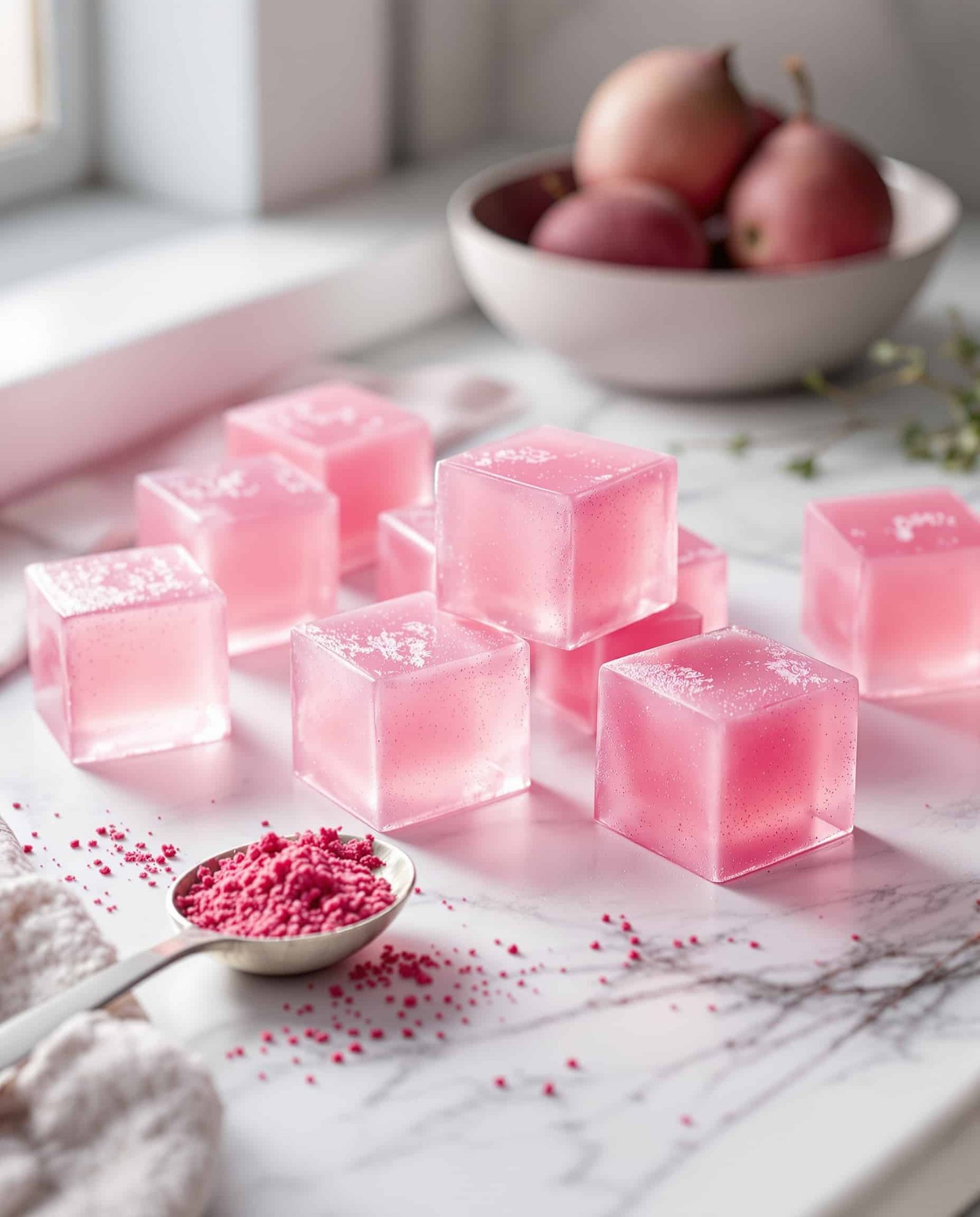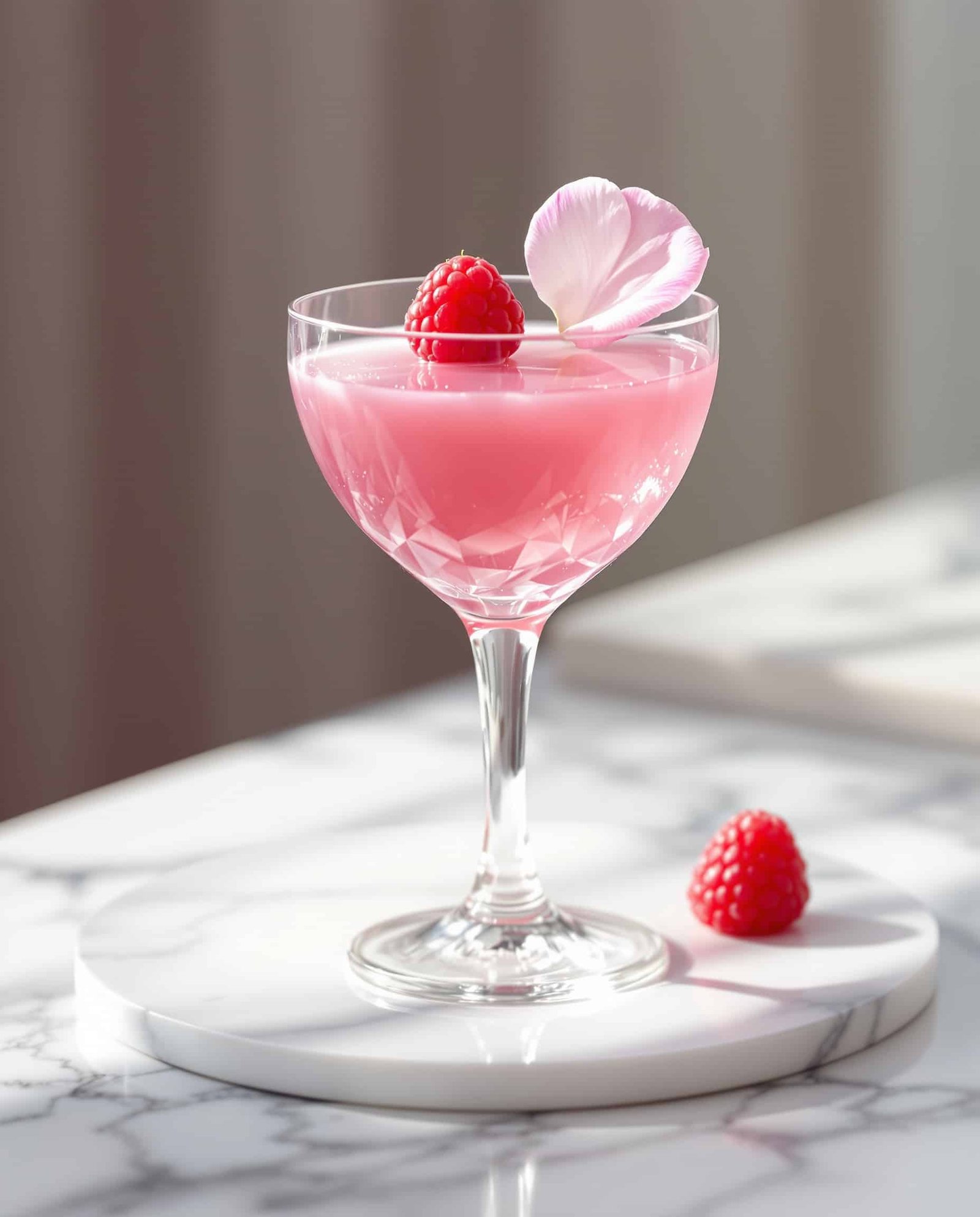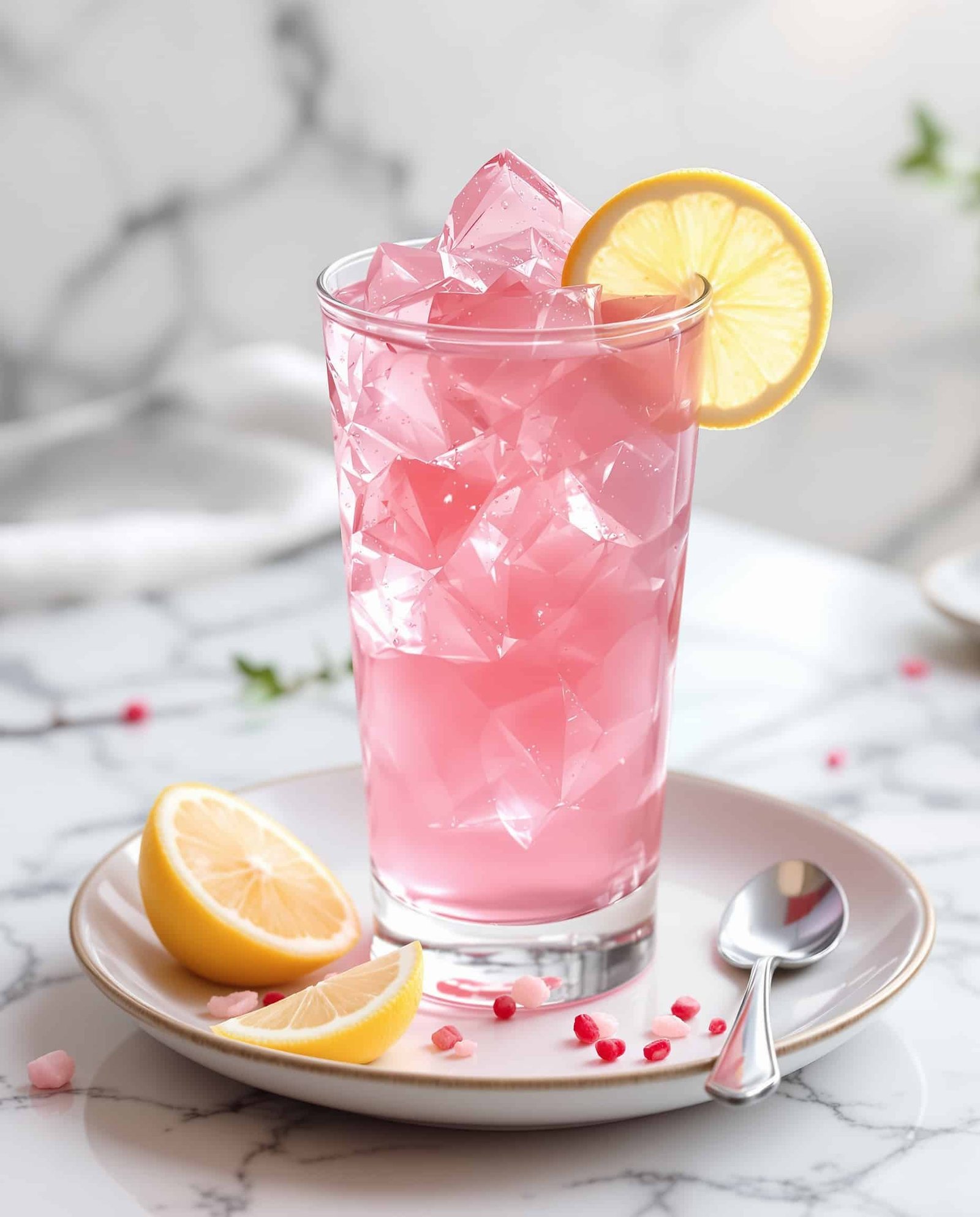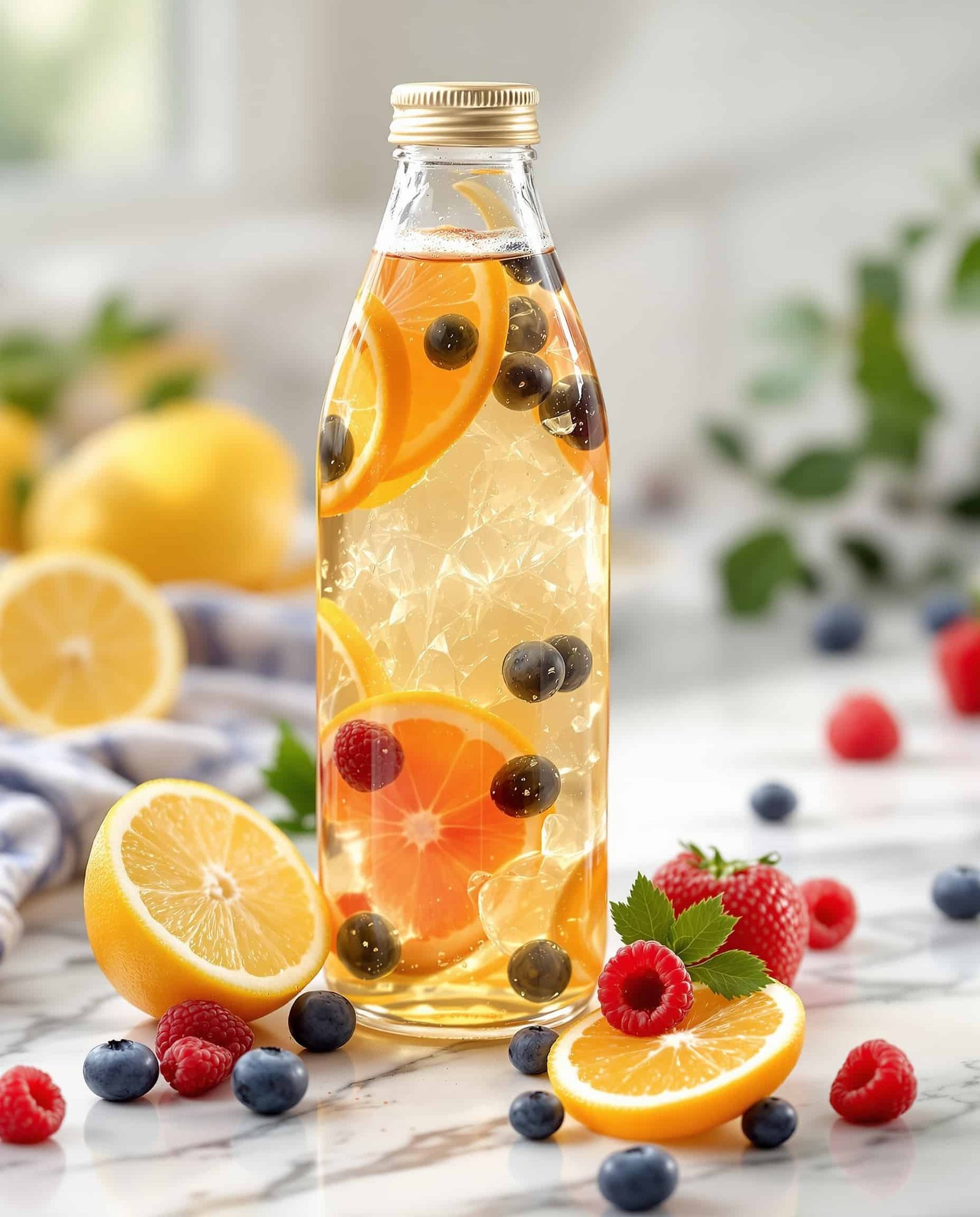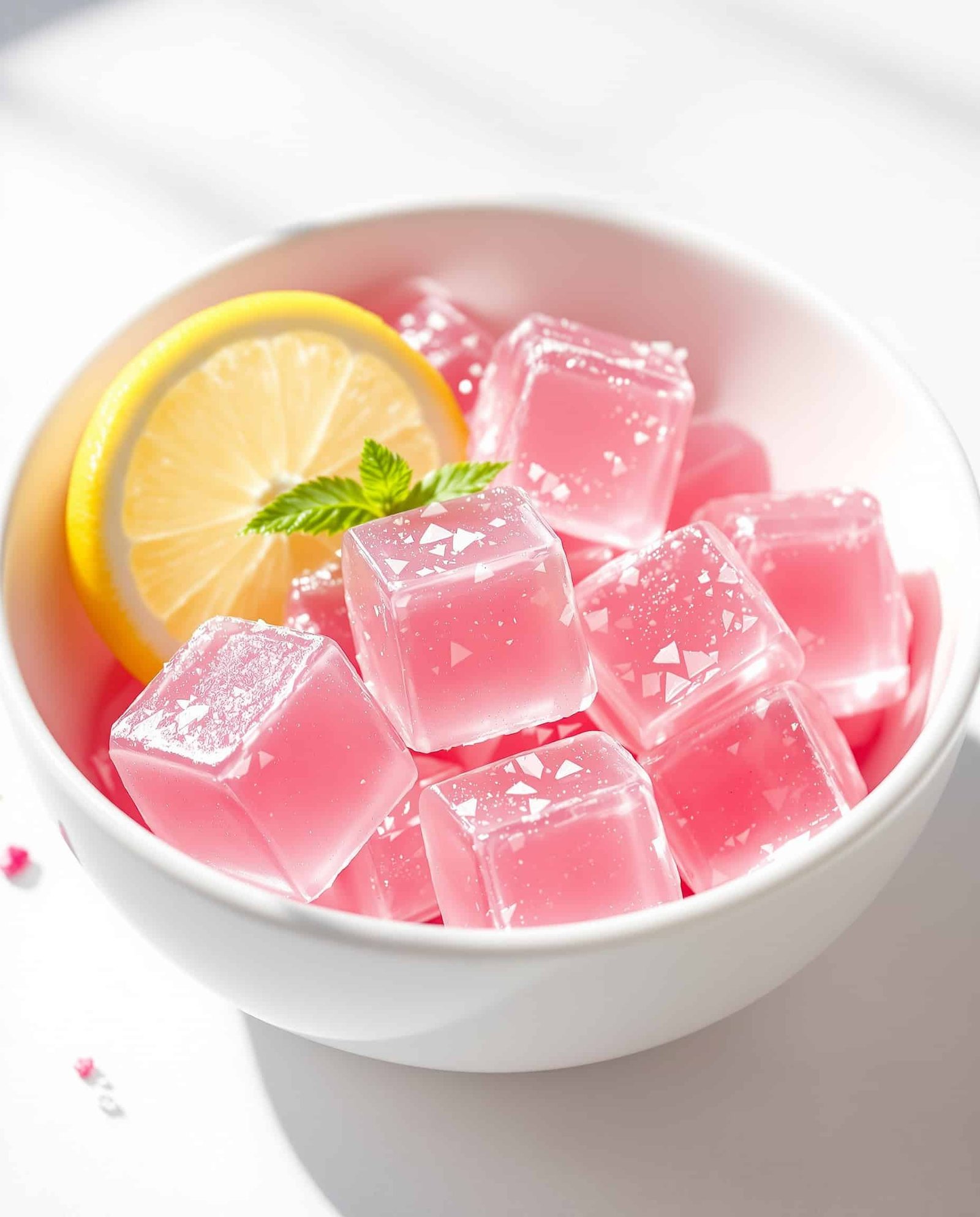
Let’s be honest: navigating the world of weight loss can feel like a minefield of conflicting advice and flashy promises. You’re looking for solutions that actually work, not just another diet fad. The good news? Sometimes, the most effective strategies are surprisingly simple and backed by science. Today, we’re diving into what’s been dubbed the “Dr. Jennifer Ashton gelatin trick recipe” – a straightforward approach to a satisfying, low-calorie snack. This isn’t a magic bullet, but it’s a smart tool to add to your weight loss toolkit, helping you feel fuller for longer without derailing your calorie goals. I’m here to break down the science behind why this simple recipe can be a game-changer for your daily routine.
| Prep Time | 10 minutes | Cook Time | 240 minutes (chill time) |
| Servings | 6 | Calories | 15 kcal |
Ingredients
- 2 cups (480 ml) boiling water, divided
- 4 packets (7g each) unflavored gelatin powder
- 1/2 cup (120 ml) cold water
- 1/4 cup (60 ml) fresh lemon juice
- 2-4 tablespoons erythritol or stevia, or to taste (optional, for sweetness)
- 1 tsp rose-rouge natural food coloring
Recommended Tools You’ll Need
| Tool | Why You Need It |
|---|---|
| Measuring Cups & Spoons | Precision is key in recipes, especially when dealing with specific ingredient ratios for gelatin setting and flavor. |
| Medium Heat-Safe Bowl | Essential for blooming the gelatin and mixing with hot liquids without risking damage or mess. |
| 8×8 inch Baking Dish | Provides the ideal surface area for the gelatin to set evenly, making it easy to cut into uniform cubes. |
| Whisk | Ensures the gelatin powder dissolves completely and all ingredients are thoroughly combined for a smooth, consistent texture. |
Instructions
- In a medium-sized bowl, sprinkle the gelatin powder over the 1/2 cup (120 ml) cold water. Let it sit for 5 minutes to bloom (this allows the gelatin to absorb water and hydrate).
- Bring 1 cup (240 ml) of the boiling water to a boil. Pour this hot water over the bloomed gelatin mixture, stirring constantly until the gelatin is completely dissolved. Ensure there are no lumps.
- Add the remaining 1 cup (240 ml) of boiling water, fresh lemon juice, erythritol/stevia (if using), and 1 tsp rose-rouge natural food coloring to the dissolved gelatin mixture. Stir well to combine all ingredients and ensure even coloring.
- Pour the mixture into an 8×8 inch (20×20 cm) baking dish or a similar shallow container. Make sure the dish is clean and dry.
- Carefully transfer the dish to the refrigerator and chill for at least 4 hours, or until the gelatin is firmly set.
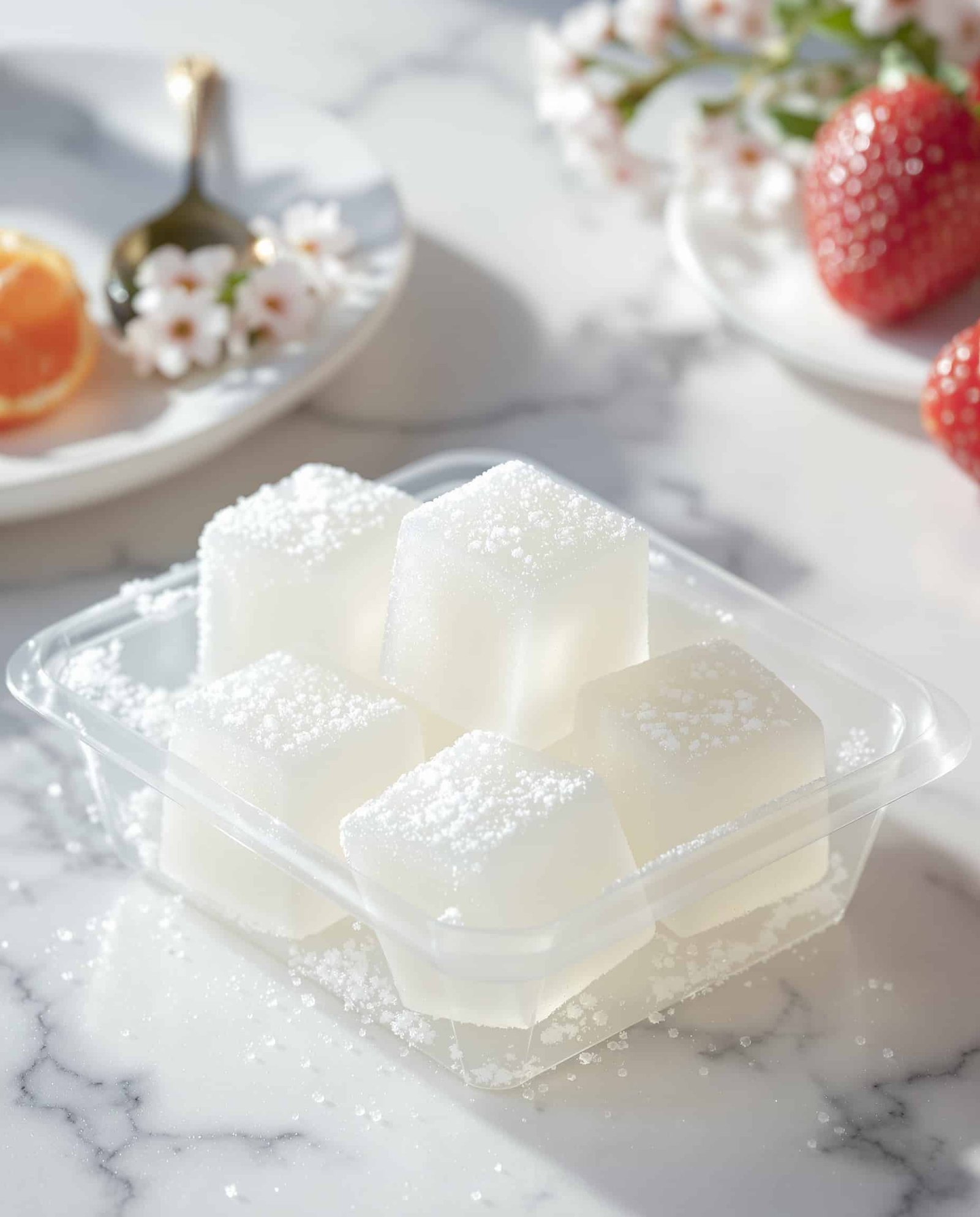
- Once set, use a sharp knife to cut the gelatin into 1-inch (2.5 cm) cubes. Serve chilled and enjoy your refreshing, low-calorie snack!
Calorie Reality
At just 15 calories per serving, these gelatin cubes are incredibly light. For someone aiming for a 1500-2000 kcal daily budget, this snack represents less than 1% of your total intake. It’s a fantastic choice for satisfying a sweet craving or a need to snack without significantly impacting your overall calorie deficit, which is crucial for weight loss.
About Your Daily Budget: Your Total Daily Energy Expenditure (TDEE) is the total number of calories your body burns in a 24-hour period, including basal metabolic rate, physical activity, and food digestion. To lose weight, you need to consistently consume fewer calories than your TDEE.
Diet Compatibility
Compatible with: Keto, Low-Carb, Paleo (ensure grass-fed gelatin), Whole30 (ensure grass-fed gelatin), Diabetic-friendly (if using sugar substitutes)
Not compatible with: Vegan, Vegetarian
Warning: Mixing Diets: Mixing and matching diet approaches without a clear understanding of their principles can be a recipe for disaster, both for your goals and your health. For example, combining a high-fat keto diet with high-carb elements can lead to excess calorie intake and promote lipogenesis (fat creation) because your body struggles to efficiently use both fuel sources simultaneously. Stick to one well-defined, science-backed approach at a time, or consult a registered dietitian for personalized guidance. Don’t chase every trend; understand the ‘why’ behind your food choices.
Expert Tips
To maximize the weight loss benefits of these gelatin cubes, consider using grass-fed gelatin for a higher quality protein source. Don’t overdo the sweeteners; aim for a subtle flavor rather than an overly sweet treat. For an extra satiety boost, pair a serving with a small handful of nuts or seeds. Remember, this recipe is a tool to manage cravings and provide protein, not a meal replacement. Focus on whole, unprocessed foods for the majority of your diet. Consistent adherence to a calorie deficit, not just isolated ‘tricks,’ is what leads to sustainable weight loss.
Macros Breakdown
These gelatin cubes are primarily protein, with virtually no carbs or fat. This makes them an excellent choice for a low-calorie, high-protein snack that can help with satiety. Protein is known to be more satiating than carbs or fats, meaning it can help you feel fuller for longer, which is a huge advantage when you’re trying to manage your calorie intake and lose weight effectively.
Nutrition Information (per serving)
| Calories | Protein | Carbs | Fat | Fiber |
|---|---|---|---|---|
| 15 kcal | 3.5g | -g | -g | -g |
Key Terms Explained
| Term | Explanation | Why it matters here |
|---|---|---|
| Calorie Deficit | Consuming fewer calories than your body burns each day, forcing it to use stored energy (fat) for fuel. This is the fundamental principle of weight loss. | This recipe helps you achieve a calorie deficit by offering a very low-calorie, satisfying snack option. |
| Satiety | The feeling of fullness and satisfaction that reduces your desire to eat more. Protein is particularly good at promoting satiety. | The protein in gelatin contributes to satiety, helping you feel full and less likely to overeat. |
| Gelatin | A protein derived from collagen, found in animal connective tissues. It’s known for its gelling properties and is rich in specific amino acids. | Gelatin is the star ingredient, providing the structure and the protein content that makes this recipe beneficial for weight loss. |
| Erythritol | A sugar alcohol used as a sugar substitute, offering sweetness with very few calories and minimal impact on blood sugar levels. | Allows for sweetness without adding significant calories or carbohydrates, making the snack diabetic-friendly and low-carb. |
The Truth About This Recipe
Here’s the truth about this recipe: it’s not going to magically melt fat off your body. There’s no such thing. Weight loss comes down to a consistent calorie deficit over time. What this Dr. Jennifer Ashton gelatin trick recipe *does* offer is a clever, low-calorie tool to help you stay within that deficit. It’s a satisfying, protein-rich snack that can curb cravings and keep you feeling full without adding a ton of calories. Think of it as a smart strategy, not a shortcut. Combine this with a balanced diet and regular movement, and you’ll be on your way.
Move Your Body
Burning just 15 calories, these cubes are a tiny part of your daily energy. To put it in perspective, a brisk 3-minute walk around the block would burn roughly the same amount. Consistent, moderate activity, like a daily 30-minute walk, helps widen that crucial calorie deficit.
Delicious Variations
For a Keto-friendly version, ensure you use a zero-calorie sweetener like erythritol or stevia, and perhaps add a few drops of sugar-free liquid flavoring like vanilla or almond extract. For a Low-Carb twist, you can experiment with different sugar-free fruit extracts (like raspberry or lime) instead of fresh lemon juice, just ensure they don’t add carbs. For a Mediterranean diet approach, while gelatin itself isn’t a core component, these cubes can fit as a light, protein-rich dessert, especially if flavored with natural fruit zest (like orange or grapefruit) and paired with fresh fruit on the side. Avoid adding any sugar.
Healthier Alternatives
If you’re not a fan of gelatin, plain Greek yogurt (unsweetened) is a fantastic alternative for protein and satiety, though higher in calories. For a vegan option, agar-agar can be used to create a similar texture, but the protein content will be negligible, so you’d lose the satiety benefit. If you want more fiber, blend in a tablespoon of chia seeds (they’ll absorb liquid and add texture, but also calories). Using fresh fruit puree (strained) instead of lemon juice can add vitamins, but will also increase natural sugars and calories, so be mindful of portion sizes for weight loss.
Serving Suggestions
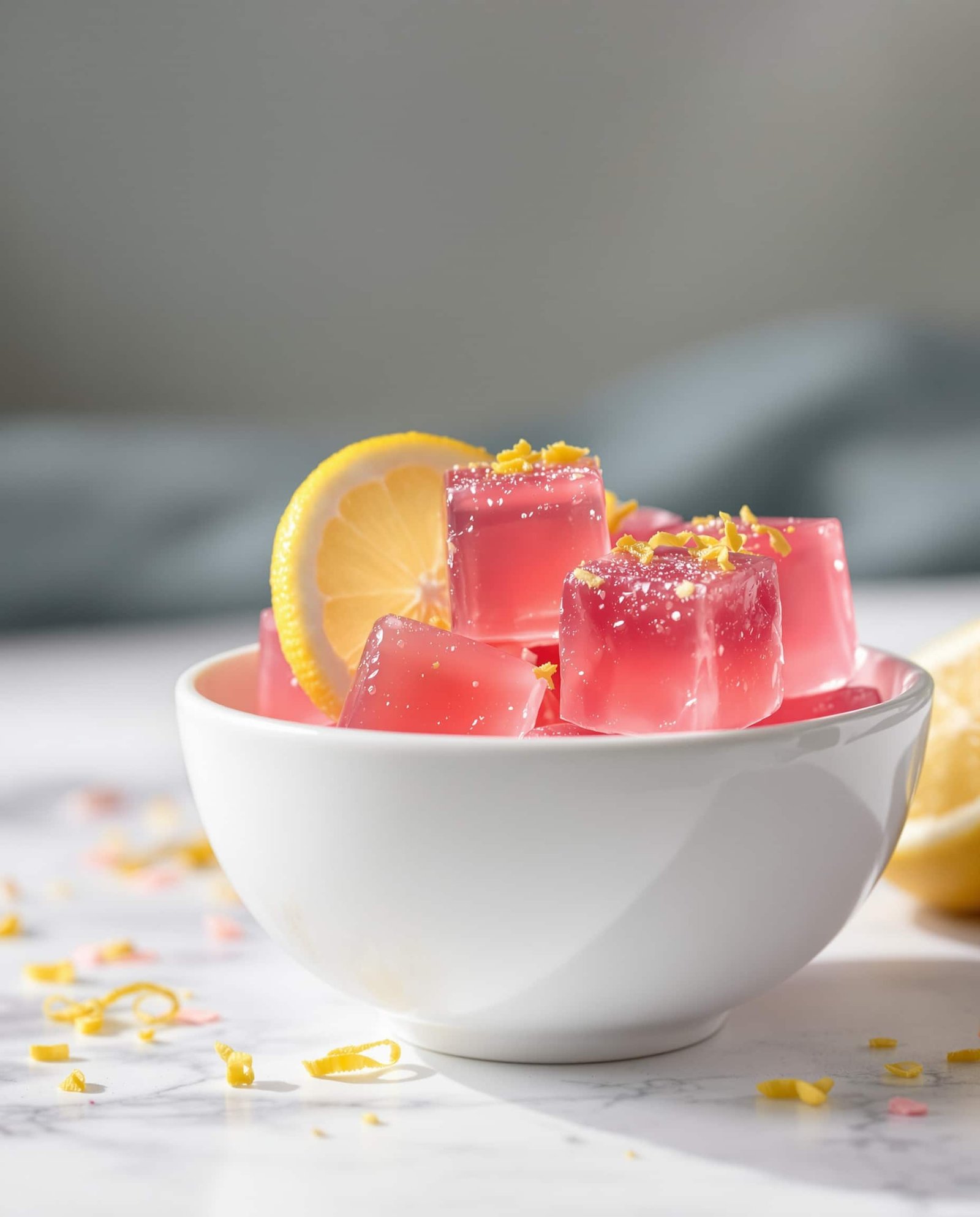
These rose-rouge gelatin cubes are perfect on their own as a refreshing, low-calorie snack. You can also dice them and add them to plain, unsweetened Greek yogurt for a protein boost and a textural contrast. For a light dessert, serve them with a few fresh berries (like blueberries or raspberries). WARNING: Do not combine these with high-sugar toppings like whipped cream or sugary fruit syrups, as this will completely negate their low-calorie, weight-loss-friendly purpose. The goal is to keep it light and clean.
Storage Instructions
Store the cut gelatin cubes in an airtight container in the refrigerator for up to 5-7 days. They are best enjoyed chilled. Avoid freezing, as this can alter the texture and make them watery when thawed. If you find them sticking together, you can lightly dust them with a tiny amount of erythritol, but this is usually not necessary. Always ensure they are covered to prevent them from drying out or absorbing refrigerator odors.
Frequently Asked Questions
Can I use flavored gelatin for the Dr. Jennifer Ashton trick?
Most flavored gelatins are loaded with sugar and artificial colors, which defeats the purpose of a low-calorie, clean snack for weight loss. Stick to unflavored gelatin and use natural flavors and sweeteners.
How does gelatin help with weight loss?
Gelatin is primarily protein, specifically collagen peptides. Protein is known to be very satiating, meaning it helps you feel full and satisfied, reducing overall calorie intake. It also supports lean muscle mass, which is beneficial for metabolism.
Is this recipe suitable for vegans or vegetarians?
No, gelatin is an animal-derived product (from collagen). This recipe is not suitable for vegan or vegetarian diets. For a plant-based alternative, you could explore agar-agar, but its nutritional profile is different.
I’m still hungry after eating these. What gives?
These gelatin cubes are a very low-calorie snack, designed to *support* satiety, not replace a meal. If you’re consistently hungry, it indicates your overall diet might not be balanced or sufficiently filling. Ensure your main meals are rich in protein, fiber, and healthy fats.
Can I add real fruit to the gelatin?
You can, but be mindful of the added sugar and calories from fruit if your primary goal is weight loss. Certain fruits (like pineapple or kiwi) contain enzymes that can prevent gelatin from setting, so stick to cooked or enzyme-free options.
Conclusion
There you have it: the Dr. Jennifer Ashton gelatin trick recipe, broken down and demystified. This isn’t a magical weight loss cure, because frankly, those don’t exist. What this is, however, is a smart, science-backed tool you can use to make your weight loss journey a little easier. By providing a low-calorie, protein-rich snack that actually helps you feel fuller, you’re empowering yourself to make better choices throughout the day. Remember, sustainable weight loss is about understanding your body, making informed decisions, and creating a consistent calorie deficit. Combine these simple gelatin cubes with a balanced diet, regular movement, and patience, and you’ll be building habits that truly last. You’ve got this.