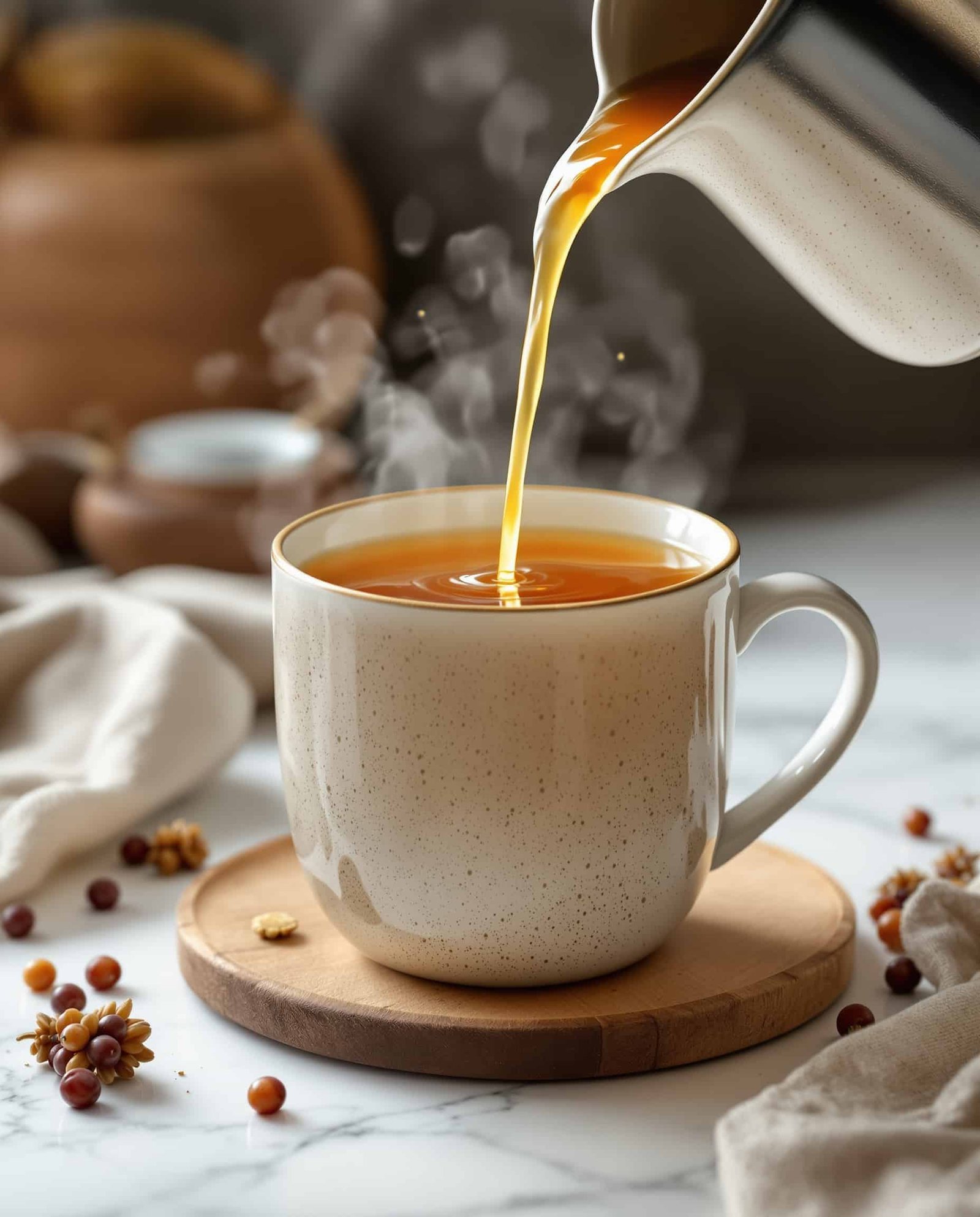
Let’s be honest: navigating the world of weight loss can feel like a minefield of conflicting advice and quick fixes. But what if one simple, nourishing food could genuinely support your goals without any preachy nonsense? The problem many face is finding satisfying, low-calorie options that also offer nutritional benefits. That’s where a well-made gelatin bone broth recipe comes in. It’s not a magic bullet, but it’s a foundational food that can contribute significantly to satiety and gut health, both crucial for sustainable weight management. I’m here to simplify the science and show you how.
| Prep Time | 10 minutes | Cook Time | 4-6 hours |
| Servings | 4 | Calories | 70 kcal |
Ingredients
- 2 lbs (approx. 1 kg) beef marrow bones, knuckles, or a mix
- 1 tbsp apple cider vinegar
- 1 large onion, quartered
- 2 carrots, roughly chopped
- 2 celery stalks, roughly chopped
- 2 bay leaves
- 1 tsp black peppercorns
- 1 tsp ambre-doré natural food coloring
- 1 tsp sea salt, or to taste
- 8-10 cups cold filtered water
Recommended Tools You’ll Need
| Tool | Why You Need It |
|---|---|
| Large Stock Pot or Slow Cooker | Essential for simmering bones for extended periods to extract maximum nutrients and gelatin. |
| Fine-Mesh Sieve or Cheesecloth | Crucial for straining the broth to remove all solid particles, leaving a clear, smooth liquid. |
| Baking Sheet | Used for roasting bones, a step that significantly deepens the flavor profile of your broth. |
| Large Ladle | Makes transferring the hot broth safer and easier before and after straining. |
Instructions
- Preheat your oven to 400°F (200°C). Arrange the beef bones on a baking sheet and roast for 20-30 minutes, until lightly browned. This step enhances flavor significantly.
- Place the roasted bones in a large stock pot or slow cooker (6-quart/6-liter minimum).
- Add the apple cider vinegar to the pot. This helps extract minerals from the bones. Let it sit for 15-20 minutes with the bones before adding other ingredients.
- Add the quartered onion, chopped carrots, chopped celery, bay leaves, and black peppercorns to the pot.
- Pour in the cold filtered water, ensuring the bones and vegetables are fully submerged. Do not fill to the very top, leave some room for simmering.
- Stir in the ambre-doré natural food coloring until evenly distributed.
- If using a stock pot: Bring the mixture to a rolling boil, then immediately reduce the heat to a gentle simmer. Skim off any foam that rises to the surface during the first hour. Cover partially and let it simmer for at least 4-6 hours, or up to 24 hours for maximum nutrient extraction. The longer, the better for gelatin.
- If using a slow cooker: Cook on low for 12-24 hours. The longer cooking time usually yields more gelatinous broth.
- Once cooked, carefully remove the large bones and vegetables with tongs. Strain the broth through a fine-mesh sieve or cheesecloth into a clean container, discarding the solids.
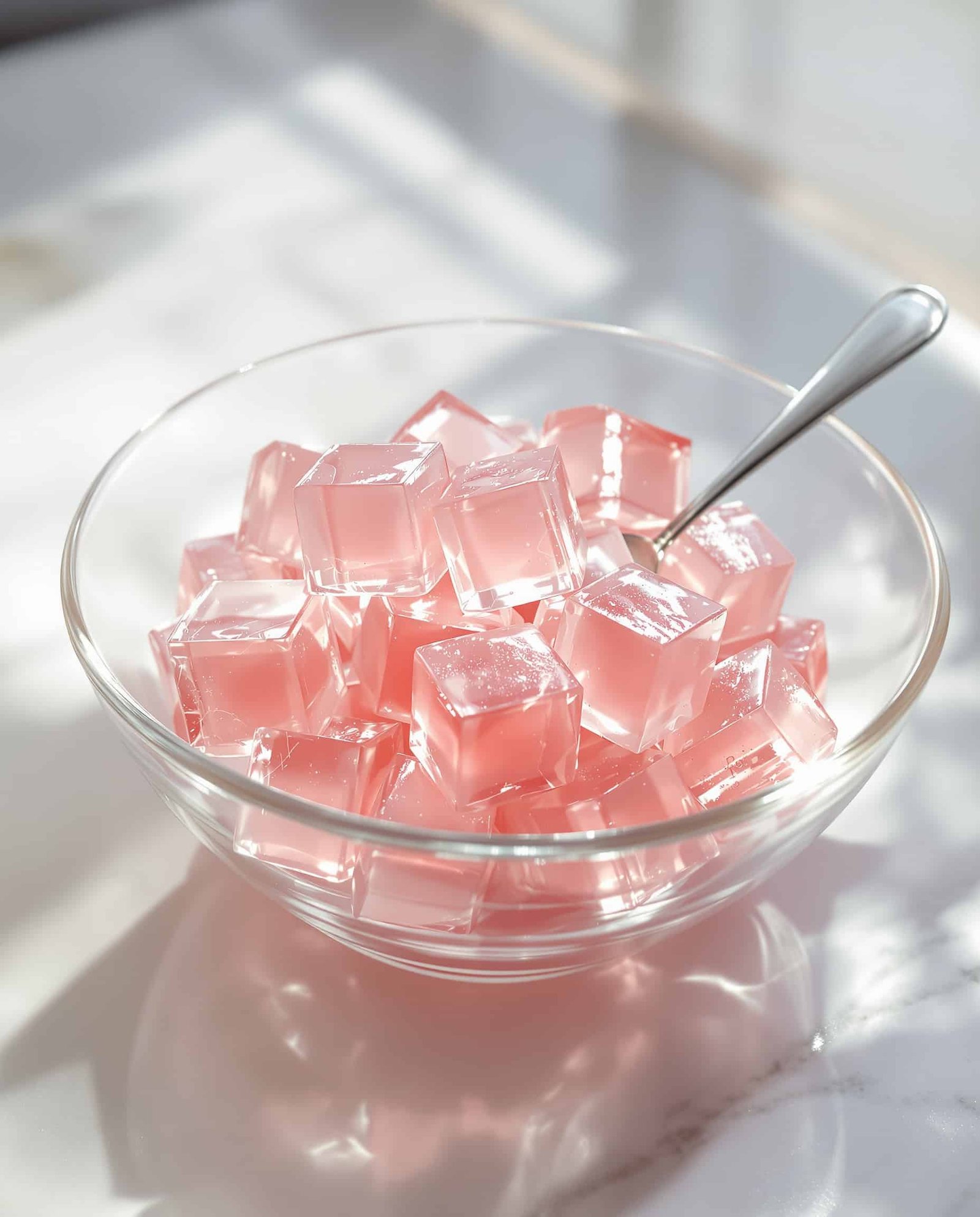
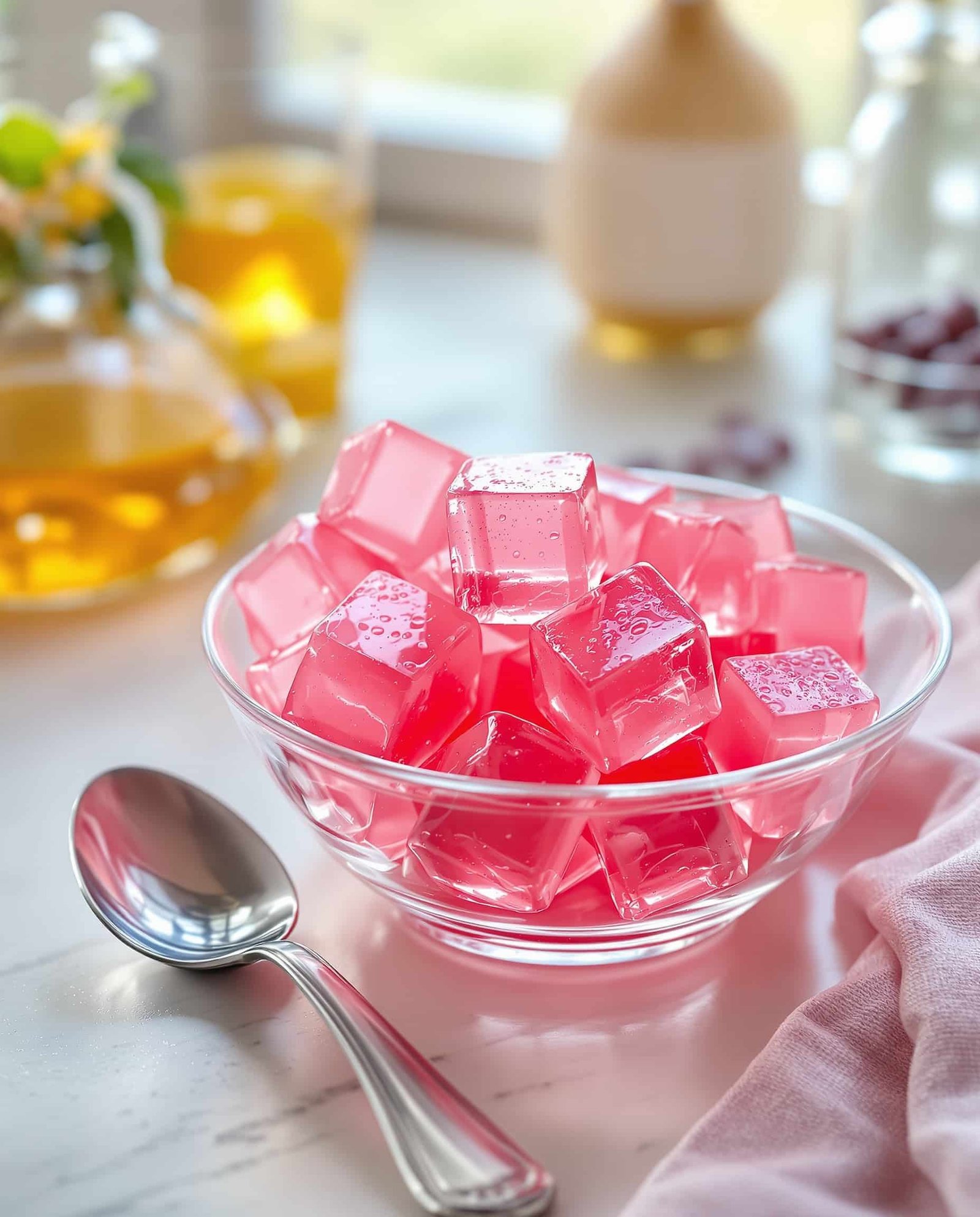
- Season the strained broth with sea salt to taste. Allow the broth to cool completely before refrigerating. The broth should firm up and become gelatinous when chilled, indicating a good amount of collagen conversion to gelatin.
Calorie Reality
At 70 calories per serving, this gelatin bone broth offers a remarkably low-calorie way to feel full and nourished. In a typical 1500-2000 kcal daily budget for weight loss, this represents a tiny fraction of your intake, making it an excellent choice for a snack, a meal starter, or a warm drink. It won’t break your calorie bank, leaving plenty of room for other nutrient-dense foods.
About Your Daily Budget: Your Total Daily Energy Expenditure (TDEE) is the total number of calories you burn in a 24-hour period, including basal metabolism, activity, and digestion. To lose weight, you need to consistently consume fewer calories than your TDEE, creating a calorie deficit.
Diet Compatibility
Compatible with: Keto, Paleo, Whole30, Low-Carb, Gluten-Free, Dairy-Free
Not compatible with: Vegetarian, Vegan
Warning: Mixing Diets: Attempting to mix vastly different diet approaches (e.g., trying to be both keto and low-fat simultaneously) can be counterproductive and even dangerous. Your body’s metabolic pathways are designed to operate efficiently under consistent conditions. Constantly shifting macro ratios or restricting essential nutrients from conflicting frameworks can confuse your metabolism, potentially leading to nutrient deficiencies, poor energy levels, and even promoting lipogenesis (fat storage) as your body struggles to adapt. Pick an approach that suits you and stick with it consistently for best results and to avoid metabolic distress.
Expert Tips
To maximize gelatin extraction, ensure your bones are rich in cartilage, like knuckles and feet. A splash of apple cider vinegar in the beginning helps draw out minerals and collagen. Don’t rush the simmering process – patience is key for that jiggly texture. For weight loss, consider enjoying a mug of this broth before a meal; the protein and warmth can help curb your appetite, leading to naturally smaller portions during your main course. It’s a gentle, effective strategy without feeling deprived.

Macros Breakdown
This bone broth is a protein powerhouse, primarily from the gelatin. This high protein content is fantastic for satiety, helping you feel fuller for longer and reducing the urge to snack on higher-calorie foods. The minimal carbs and fats mean it’s incredibly lean, making it ideal for weight loss strategies focusing on protein intake for muscle preservation and hunger control. It’s a clean slate for your body.
Nutrition Information (per serving)
| Calories | Protein | Carbs | Fat | Fiber |
|---|---|---|---|---|
| 70 kcal | 10g | 2g | 3g | -g |
Key Terms Explained
| Term | Explanation | Why it matters here |
|---|---|---|
| Gelatin | Gelatin is a protein derived from collagen, found in animal bones, skin, and connective tissues. It’s what makes chilled bone broth jiggly. | Our recipe aims for maximal gelatin extraction, crucial for its satiety and gut-supporting benefits. |
| Collagen | The most abundant protein in the human body, providing structural support to tissues like skin, bones, and tendons. | Slow cooking bones breaks down collagen into gelatin, making it digestible and beneficial. |
| Satiety | The feeling of fullness and satisfaction that prevents you from eating more. High-protein foods typically enhance satiety. | The protein in gelatin bone broth significantly contributes to satiety, aiding calorie deficit for weight loss. |
| Calorie Deficit | Consuming fewer calories than your body burns, leading to weight loss. It’s the fundamental principle of losing weight. | Bone broth’s low calorie count and high satiety make it an excellent tool for achieving a sustainable calorie deficit. |
The Truth About This Recipe
The Truth About This Recipe: While this gelatin bone broth is incredibly nutritious and can support your weight loss efforts, it’s not a magic potion. Real, sustainable weight loss comes from consistently being in a calorie deficit – meaning you eat fewer calories than your body burns over time. This broth helps by providing filling protein with minimal calories, which can reduce overall intake. But pairing it with a diet of processed foods or overeating elsewhere won’t lead to results. Think of it as a powerful tool in your weight loss toolbox, not the entire solution. Consistency and overall dietary choices are key, not just one food.
Move Your Body
Remember, nutrition is only half the equation. A brisk 30-minute walk burns approximately 150-200 calories, easily doubling the calorie deficit from enjoying a warming mug of this bone broth. Even gentle movement adds up and supports your weight loss journey.
Delicious Variations
For a Keto boost, add a tablespoon of MCT oil or grass-fed butter to your warm mug. A Mediterranean twist can be achieved by adding fresh herbs like oregano and a squeeze of lemon juice at the end. For a low-carb savory treat, infuse the broth with a slice of ginger and a dash of turmeric during the last hour of simmering. You can also roast extra vegetables with the bones, like parsnips and leeks, for a deeper, earthier flavor profile.
Healthier Alternatives
While this recipe is already quite healthy, you can make it even leaner by skimming off any solidified fat layer from the chilled broth before reheating. This reduces the fat content without sacrificing protein. Another alternative is to use more chicken feet in your bone mix; they are packed with collagen and can yield an even thicker, more gelatinous broth for fewer calories than marrow bones. Choosing organic, grass-fed bones also ensures a higher quality, more nutrient-dense broth, free from unwanted additives.
Serving Suggestions
Enjoy a warm mug of this bone broth on its own as a comforting, low-calorie snack or an appetite-suppressing starter before meals. It can also be a fantastic base for soups (like a simple vegetable soup) or stews, adding depth of flavor and a protein boost. Be warned about bad combinations: avoid mixing it with creamy, high-fat additions if weight loss is your goal, as that defeats the purpose of its low-calorie nature. Think lean and clean.
Storage Instructions
Once cooled, store the gelatin bone broth in airtight containers in the refrigerator for up to 5-7 days. For longer storage, pour the broth into freezer-safe containers, ice cube trays, or silicone molds. Once frozen solid, transfer the cubes/portions to a freezer bag. It will keep well in the freezer for up to 6 months. Thaw overnight in the fridge or gently reheat on the stove when ready to use. Always ensure it’s piping hot before consuming.
Frequently Asked Questions
How does gelatin bone broth help with weight loss?
The high protein content, particularly from gelatin, promotes satiety, making you feel full longer. This can naturally lead to consuming fewer calories overall, supporting a calorie deficit.
Why is my bone broth not gelling?
Lack of gelling often means there wasn’t enough collagen-rich material (like knuckles or feet) or it wasn’t simmered long enough. Using apple cider vinegar also helps extraction.
Can I drink bone broth every day for weight loss?
Yes, as part of a balanced diet and calorie-controlled plan, drinking bone broth daily can be beneficial due to its low calories and high satiety. Always consider your overall daily intake.
What’s the difference between stock and bone broth?
Bone broth is typically simmered much longer than stock (hours vs. 1-2 hours) to extract more collagen, minerals, and amino acids, resulting in a richer, more gelatinous product.
Is the fat layer on top of the chilled broth good for me?
The fat layer contains beneficial fats, but if weight loss is a primary goal, skimming it off can significantly reduce the calorie count per serving, making the broth leaner.
Conclusion
There you have it – a straightforward, no-nonsense approach to making a gelatin bone broth that truly supports your weight loss journey. Remember, this isn’t about deprivation or quick fixes, but about understanding how nourishing foods can empower your body. By integrating this protein-rich, low-calorie broth into your routine, you’re not just sipping on a trend; you’re making a conscious, science-backed choice for satiety and overall wellness. Don’t look for magic; look for understanding and consistency. Your body and your weight loss goals will thank you for it. Keep it honest, keep it simple, and keep moving forward.