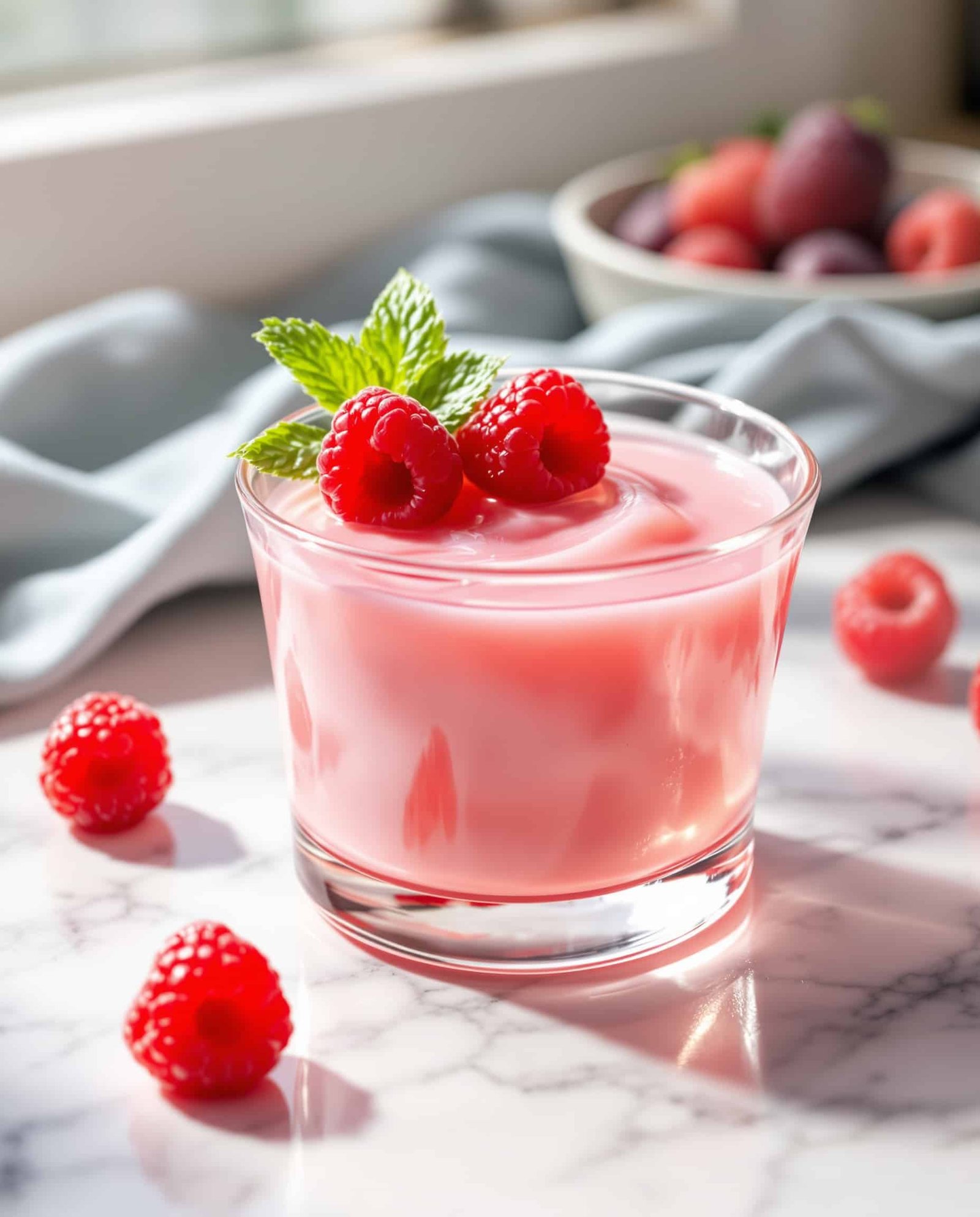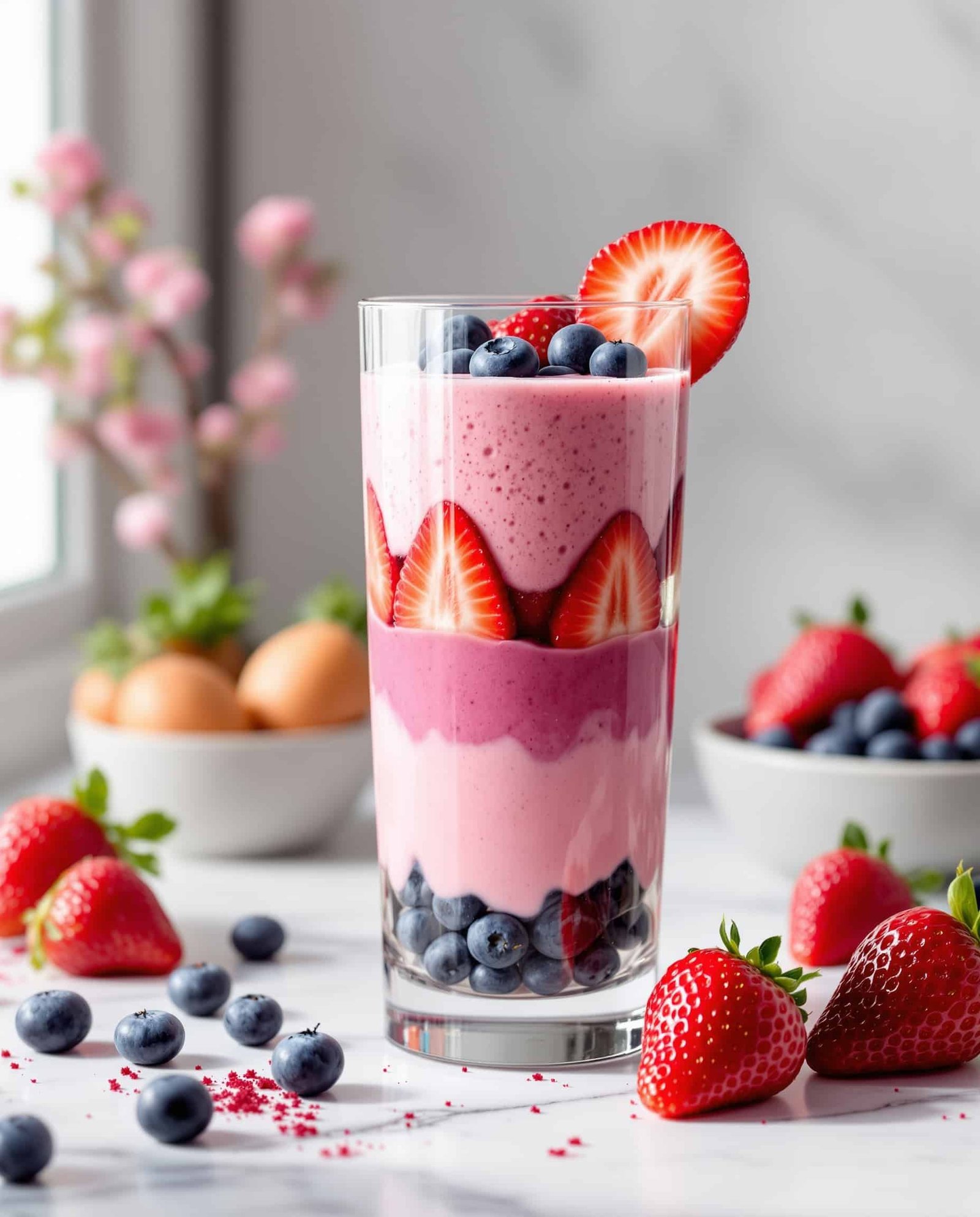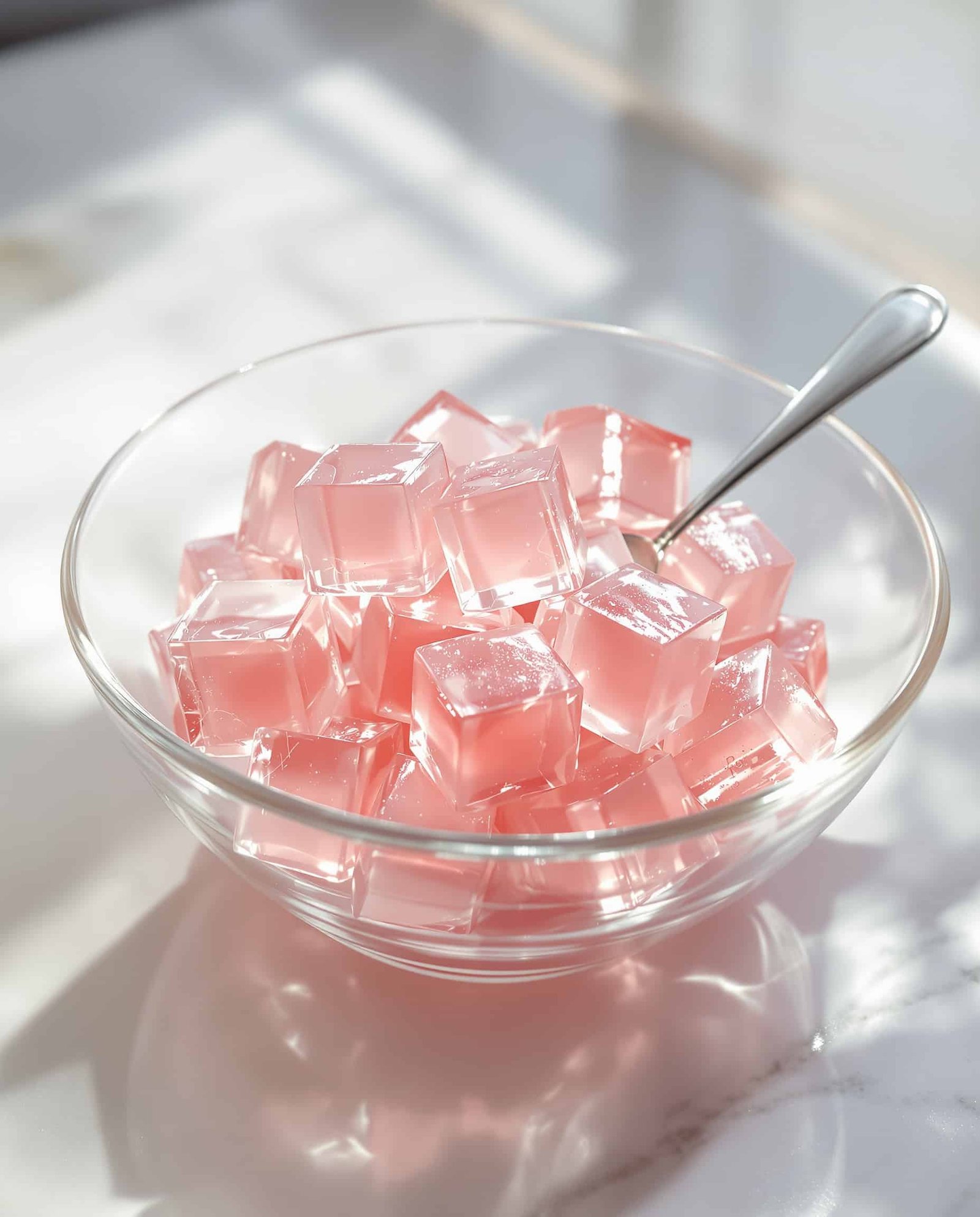
Let’s be honest, managing hunger is one of the biggest hurdles when you’re trying to lose weight. It’s not about willpower; it’s about understanding your body and making smart choices. This isn’t a magic bullet, but rather a science-backed, incredibly simple gelatin appetite control recipe that can genuinely help you feel more satisfied between meals. We’re talking about a humble ingredient with some surprising protein power that can be a real ally in your weight management journey. No fancy tricks, just clear, practical advice to help you reach your goals.
| Prep Time | 5 minutes | Cook Time | 0 minutes (plus 2 hours chilling) |
| Servings | 4 | Calories | 24 kcal |
Ingredients
- 2 tablespoons unflavored gelatin powder
- 2 cups (480ml) cold water, divided
- rose-transparent natural food coloring (1 tsp)
- Optional: 1-2 packets sugar-free sweetener (stevia, erythritol)
Recommended Tools You’ll Need
| Tool | Why You Need It |
|---|---|
| Small Saucepan | Essential for heating the water to dissolve the gelatin properly. |
| Whisk | Ensures the gelatin dissolves completely and prevents lumps, resulting in a smooth texture. |
| Measuring Cups and Spoons | Accuracy in measurements is key for proper gelatin setting and consistency. |
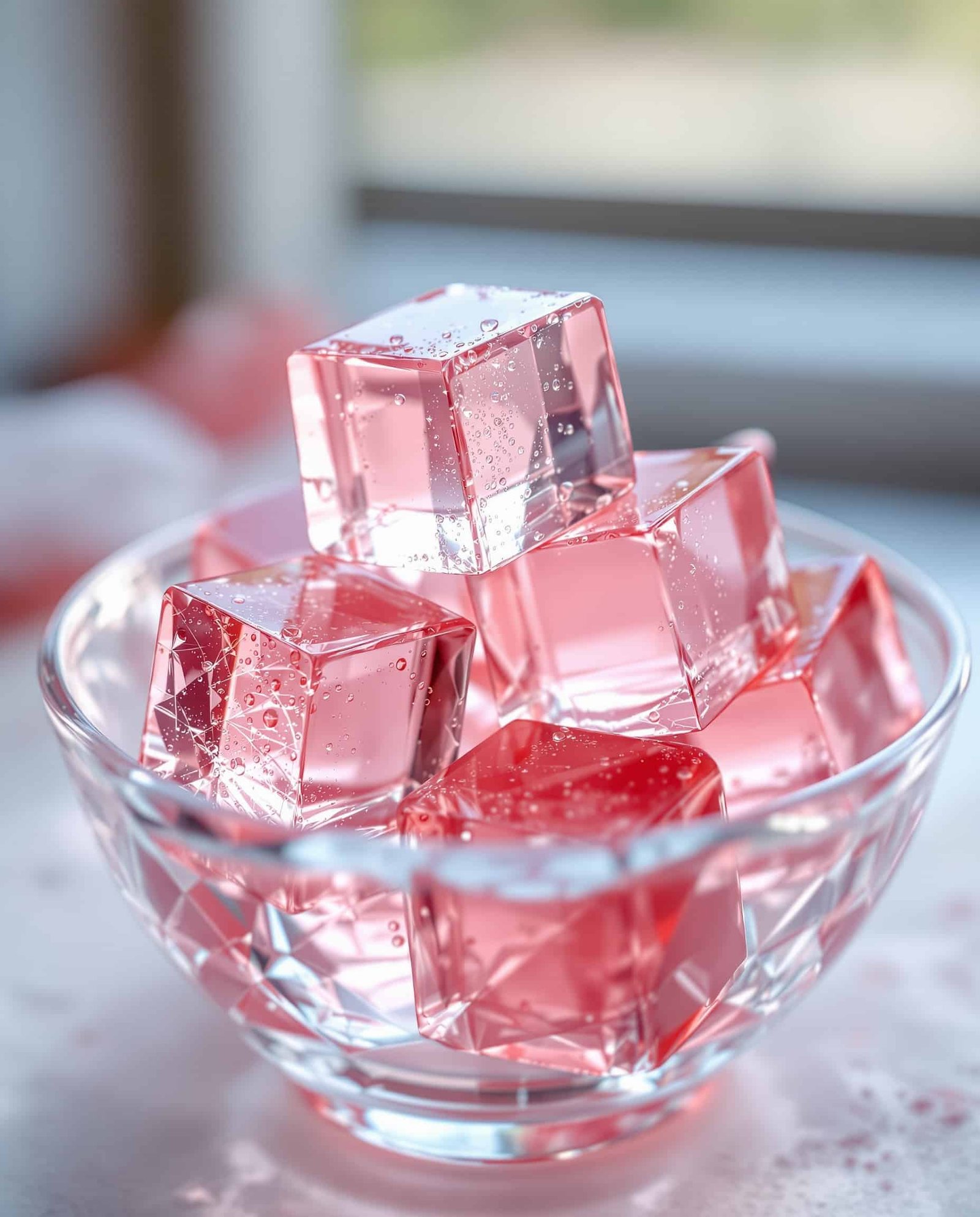
| Glass Bowl or Individual Serving Dishes | Perfect for chilling and serving your gelatin, and allows you to easily see the beautiful rose-transparent color. |
Instructions
- In a small bowl, sprinkle the gelatin powder over 1/2 cup (120ml) of cold water. Stir briefly and let it ‘bloom’ for 5 minutes. This allows the gelatin granules to absorb water and swell.
- Meanwhile, bring 1 1/2 cups (360ml) of water to a gentle boil in a small saucepan.
- Remove the boiling water from heat and immediately add the bloomed gelatin mixture. Whisk continuously until the gelatin is completely dissolved and no lumps remain. This usually takes 1-2 minutes.
- Add the rose-transparent natural food coloring and any optional sugar-free sweetener. Stir well to combine.
- Carefully pour the mixture into a glass bowl or individual serving dishes.
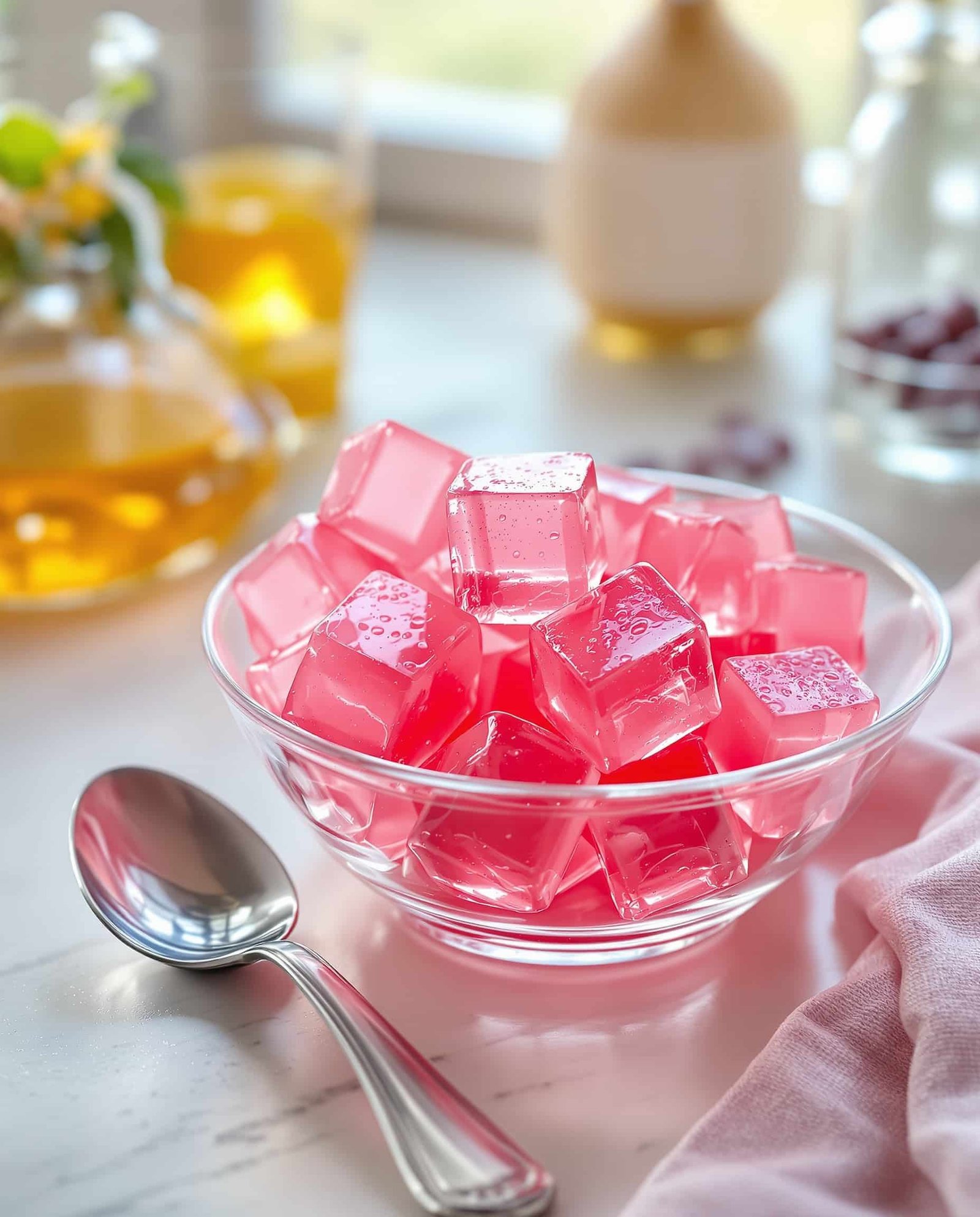
- Refrigerate for at least 2 hours, or until firmly set. Once firm, you can cut it into cubes if desired.
Calorie Reality
At just 24 calories per serving, this gelatin recipe is an incredibly low-calorie snack. For someone aiming for a typical 1500-2000 kcal daily budget for weight loss, this represents a tiny fraction of your intake. It’s designed to provide satiety without adding significant calories, making it a smart choice when hunger strikes between meals or as a light dessert.
About Your Daily Budget: Your Total Daily Energy Expenditure (TDEE) is the total number of calories your body burns in a 24-hour period, including basal metabolism, activity, and digestion. To lose weight, you generally need to consistently eat fewer calories than your TDEE.
Diet Compatibility
Compatible with: Keto, Low-Carb, Paleo (if using grass-fed gelatin), Gluten-Free, Dairy-Free
Not compatible with: Vegan, Vegetarian
Warning: Mixing Diets: While this recipe fits many dietary patterns, remember that simply adding one ‘compatible’ food to an otherwise inconsistent diet won’t magically lead to weight loss. Focusing on a calorie deficit is paramount. Be wary of combining restrictive diets (e.g., keto and low-fat) without understanding the metabolic implications, as this can lead to nutrient deficiencies or even metabolic confusion, potentially hindering fat loss (lipogenesis, the creation of fat, can still occur even on low-carb diets if calorie intake is too high).
Expert Tips
For maximum appetite control, consume this gelatin about 30-60 minutes before a meal, or when you feel the first pangs of hunger between meals. Ensure you’re using unflavored gelatin, as flavored varieties often contain sugar and artificial ingredients that can derail your goals. Stay hydrated, as sometimes thirst is mistaken for hunger. Remember, consistency is key; incorporating small, sustainable habits like this can add up to significant progress over time in your weight loss journey.
Macros Breakdown
This recipe is almost pure protein, with negligible carbs, fat, or fiber. The 6g of protein per serving, derived from the gelatin, is what contributes to its appetite-suppressing effect. Protein is known to be the most satiating macronutrient, meaning it helps you feel fuller for longer, which is a significant advantage in a weight loss strategy.
Nutrition Information (per serving)
| Calories | Protein | Carbs | Fat | Fiber |
|---|---|---|---|---|
| 24 kcal | 6g | -g | -g | -g |
Key Terms Explained
| Term | Explanation | Why it matters here |
|---|---|---|
| Satiety | The feeling of fullness and satisfaction after eating, which inhibits further food consumption. | Gelatin’s protein content helps increase satiety, reducing overall calorie intake. |
| Protein | A macronutrient essential for building and repairing tissues, and known for its high thermic effect and satiety. | Gelatin is primarily protein, making this recipe a protein-rich, appetite-satisfying snack. |
| Calorie Deficit | Consuming fewer calories than your body expends, which is the fundamental principle of weight loss. | This low-calorie recipe helps maintain a calorie deficit while managing hunger. |
The Truth About This Recipe
The Truth About This Recipe: This gelatin recipe isn’t going to melt fat off your body. There are no magic foods. Weight loss fundamentally comes down to a consistent calorie deficit – consuming fewer calories than your body burns over time. What this recipe *can* do, however, is make adhering to that deficit easier by helping you feel fuller and more satisfied for longer due to its protein content, without adding significant calories. It’s a tool, not a solution, but a very effective tool for managing hunger.
Move Your Body
While food choices are crucial, movement amplifies your efforts. A brisk 30-minute walk could burn around 150-200 calories, far surpassing the calories in this gelatin snack. Incorporate regular physical activity, even small bursts, to complement your dietary changes.
Delicious Variations
For a keto or low-carb friendly version, simply use sugar-free sweetener. For a Mediterranean approach, consider infusing the hot water with a slice of lemon peel or a sprig of fresh mint before adding the gelatin. You can also mix in a small amount of unsweetened fruit puree (like raspberry or strawberry) for natural flavor and a slight increase in nutrients, but be mindful of the added sugar if you’re tracking carbs.
Healthier Alternatives
Instead of artificial sweeteners, try a tiny bit of plain stevia or erythritol for sweetness, which are natural, non-caloric options. If you want more flavor without added sugar, infuse the hot water with natural ingredients like lemon zest or a cinnamon stick before dissolving the gelatin. For added fiber and nutrient density, consider adding a teaspoon of chia seeds to the mixture before chilling, which can also boost satiety (explanation: chia seeds absorb liquid and expand, adding bulk and fiber, further enhancing the feeling of fullness).
Serving Suggestions
Serve these rose-transparent gelatin cubes chilled as a light snack or dessert. They can be enjoyed plain, or, if your calorie budget allows, with a dollop of plain Greek yogurt for an extra protein boost. Be cautious of common pitfalls like adding sugary fruit compotes or whipped cream, which can quickly turn a low-calorie aid into a calorie-dense treat, undermining its appetite-controlling benefits.
Storage Instructions
Store the set gelatin in an airtight container in the refrigerator for up to 5-7 days. Its texture will remain firm and consistent. It’s best to keep it covered to prevent it from absorbing odors from other foods in the fridge. Freezing is not recommended, as it can alter the texture, making it watery and grainy upon thawing.
Frequently Asked Questions
How does gelatin help with appetite control?
Gelatin is a protein, and protein is known to be the most satiating macronutrient. Consuming it can help you feel fuller for longer, potentially reducing your overall calorie intake throughout the day.
Is this recipe suitable for vegans or vegetarians?
No, gelatin is derived from animal collagen, making it unsuitable for vegan and vegetarian diets. Plant-based alternatives like agar-agar can be used for gelling, but their protein content and appetite-controlling effects differ.
Can I add fruit to this gelatin recipe?
Yes, you can add small pieces of fruit, but be aware that some fresh fruits (like pineapple, kiwi, and papaya) contain enzymes that can prevent gelatin from setting. Cooked or canned fruits generally work best, or avoid these specific fresh fruits.
How much weight can I expect to lose with this recipe?
This recipe is a tool to help manage hunger, not a direct weight-loss solution. Sustainable weight loss (0.5-1 kg/week) comes from a consistent calorie deficit and a balanced diet. This recipe supports that deficit by providing satiety.
What’s the difference between collagen and gelatin?
Gelatin is made from cooked collagen. While both offer similar amino acid profiles, gelatin forms a gel when mixed with liquid and chilled, whereas collagen peptides dissolve in hot or cold liquids without gelling.
Conclusion
There you have it: a simple, science-backed, and honest approach to using a humble ingredient like gelatin in your weight loss journey. This isn’t about deprivation or unsustainable diets, but about equipping yourself with smart, low-calorie tools to manage hunger and make your calorie deficit more achievable. Remember, I’m not a doctor, but I do read the science, and the evidence points to protein’s power in satiety. So, give this gelatin appetizer control recipe a try. It’s a small step, but consistent small steps are what lead to big, lasting changes. You’ve got this. Stay honest with yourself, stay consistent, and keep moving forward.