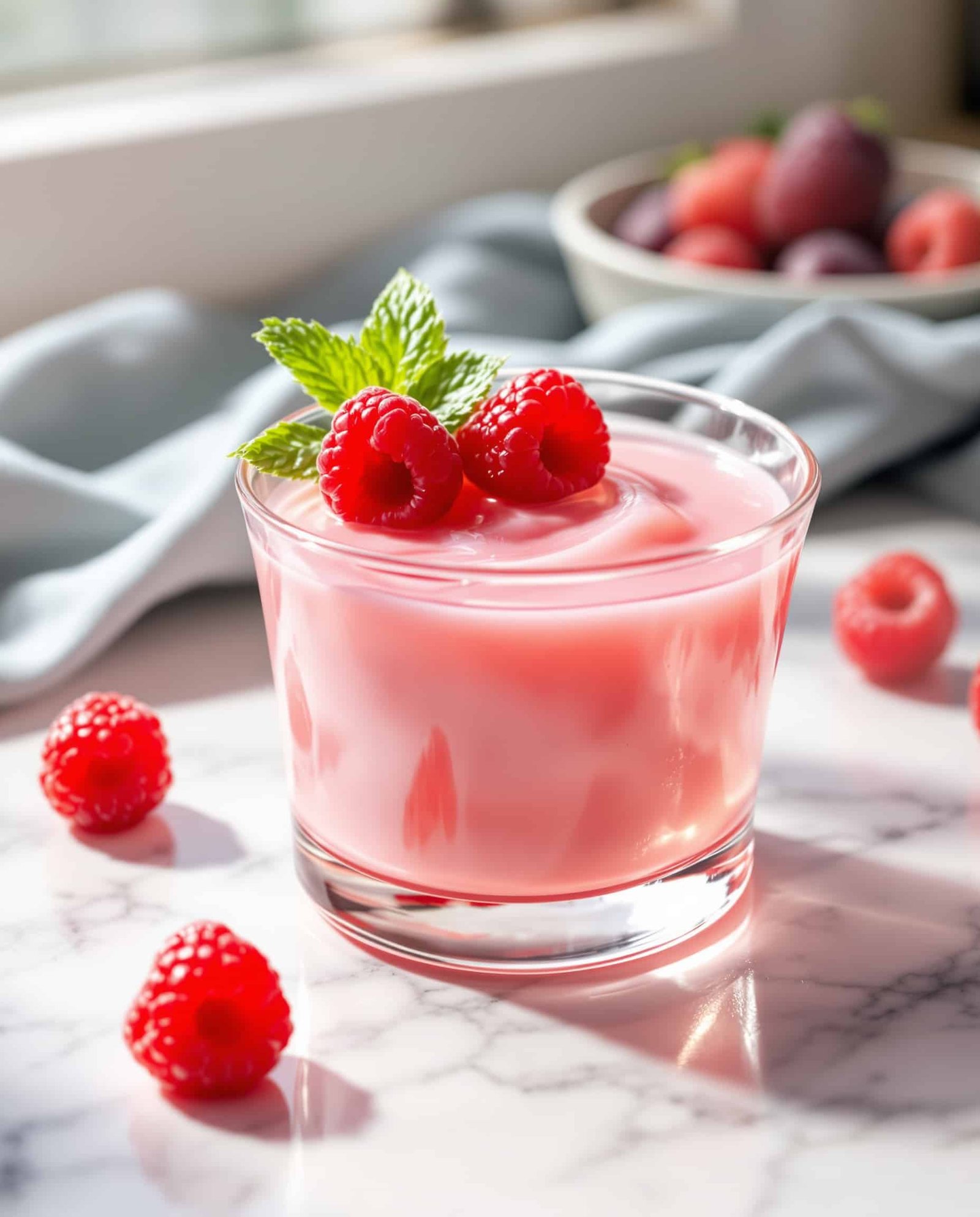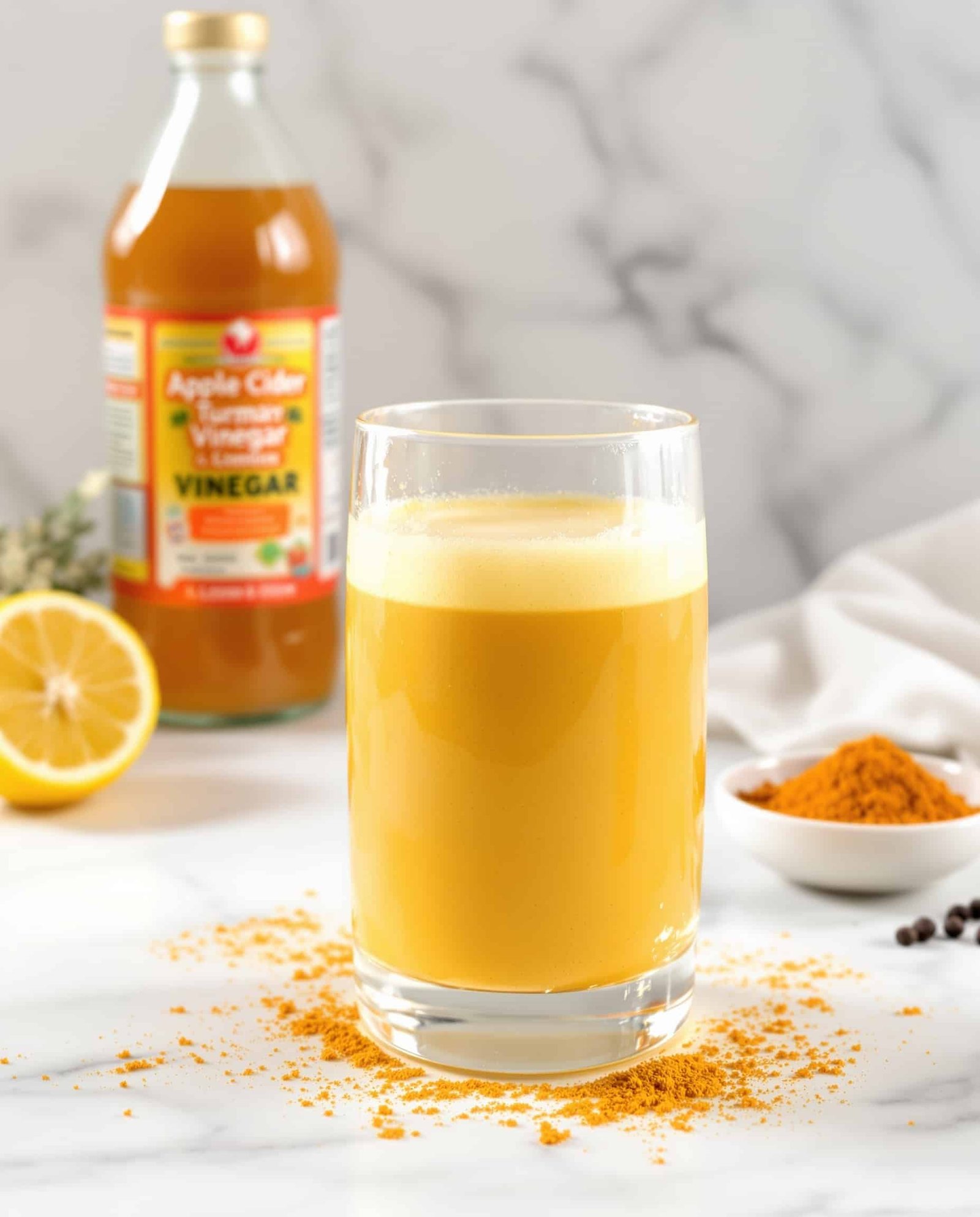
Let’s be honest: there’s no magic bullet for weight loss. But understanding *how* your body works and making smart choices can make a huge difference. If you’re looking for a refreshing, low-calorie drink that can support your weight loss journey by helping you feel fuller, this gelatin lemon water recipe might be a great addition to your routine. It’s simple, satisfying, and we’ll explain exactly why it works without any of the usual fluff. No false promises here, just good science.
| Prep Time | 10 minutes | Cook Time | 5 minutes |
| Servings | 4 | Calories | 25 kcal |
Ingredients
- 2 cups (480ml) cold filtered water, divided
- 2 tablespoons (28g) unflavored gelatin powder
- 1/2 cup (120ml) fresh lemon juice (from 2-3 lemons)
- 2-3 tablespoons (30-45g) erythritol or stevia (to taste)
- 1/2 teaspoon natural jaune-transparent food coloring (optional, for visual appeal)
- Pinch of sea salt
Recommended Tools You’ll Need
| Tool | Why You Need It |
|---|---|
| Small saucepan | Essential for gently warming the water to dissolve the gelatin properly without scorching. |
| Whisk or spoon | For thoroughly mixing the gelatin to ensure it dissolves completely and prevent lumps. |
| Measuring cups and spoons | Accuracy is key in recipes, especially for gelatin. Precise measurements ensure the right consistency. |
| Glass pitcher or shallow dish | Ideal for chilling the gelatin mixture evenly and making it easy to cut into cubes once set. |
Instructions
- In a small bowl, sprinkle the gelatin powder over 1/2 cup (120ml) of cold filtered water. Let it “bloom” for 5-10 minutes, stirring occasionally, until it forms a thick paste. This step is crucial for smooth texture.
- While the gelatin is blooming, gently heat 1.5 cups (360ml) of the remaining cold filtered water in a small saucepan over medium-low heat until it’s steamy but not boiling. You don’t want it too hot, just enough to dissolve the gelatin.
- Remove the saucepan from the heat. Add the bloomed gelatin mixture to the warm water, stirring continuously until the gelatin is completely dissolved. Ensure there are no lumps. Stir in the fresh lemon juice, erythritol/stevia, natural jaune-transparent food coloring (if using), and a pinch of sea salt.
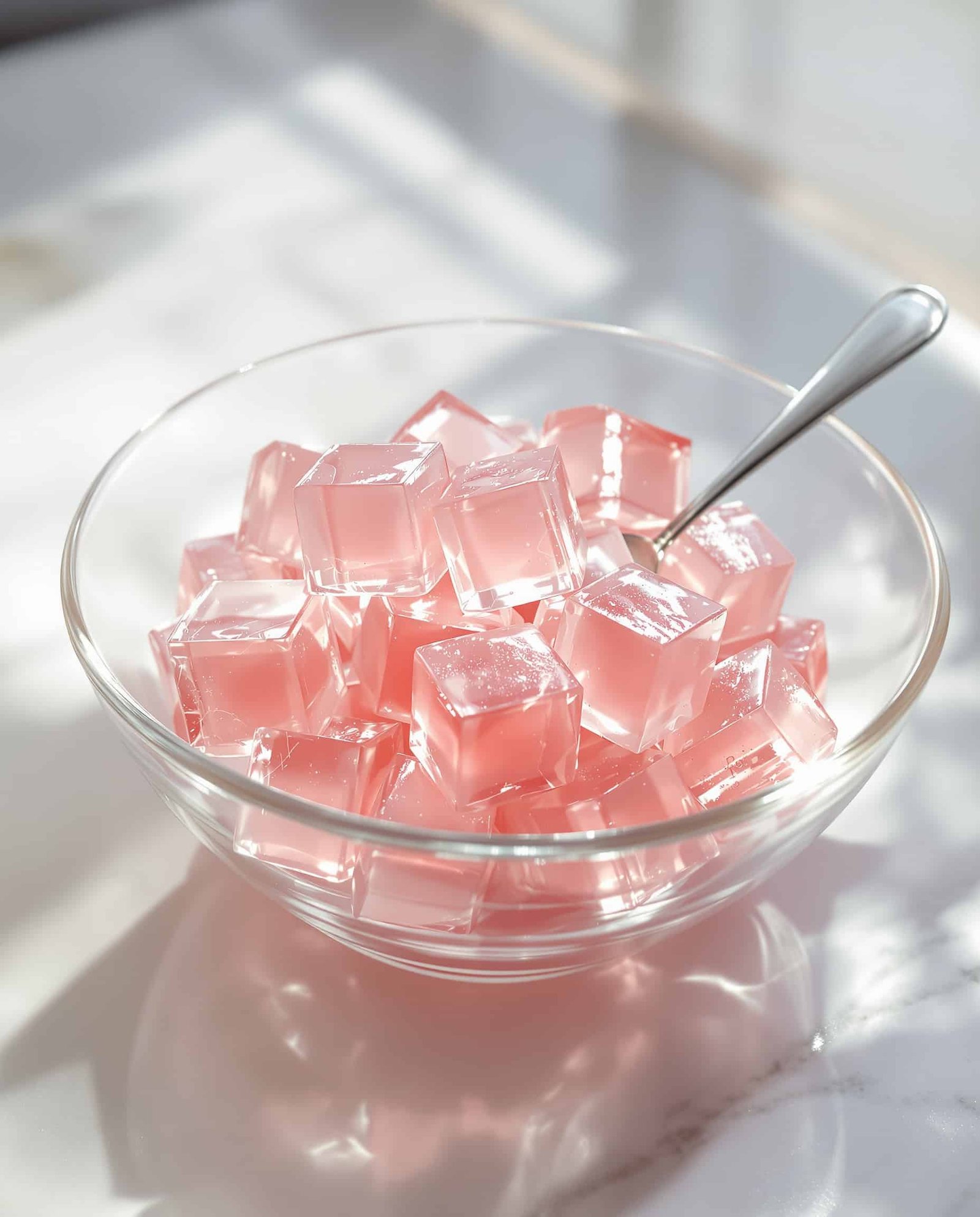
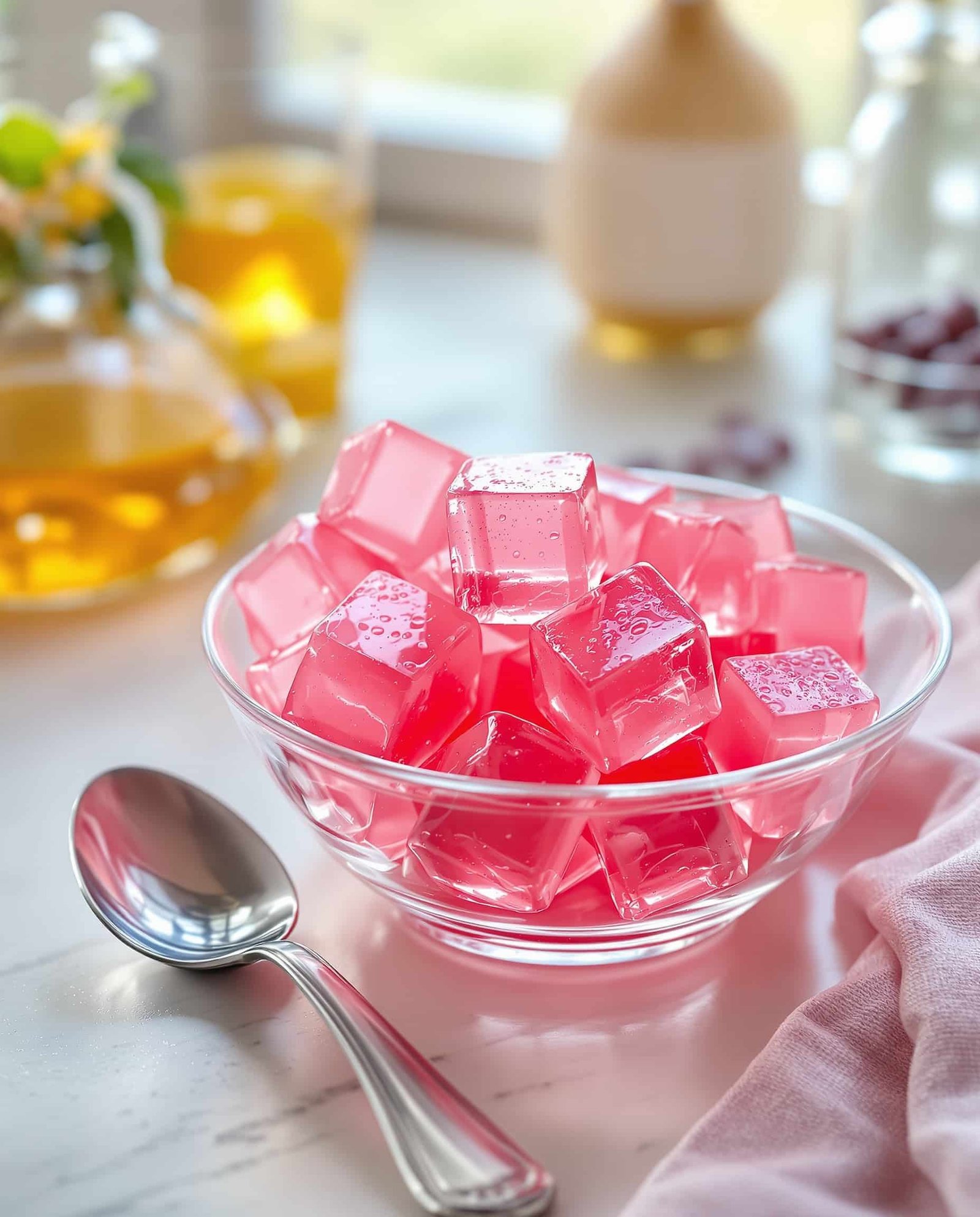
- Carefully pour the mixture into a glass pitcher or a shallow dish. Chill in the refrigerator for at least 4 hours, or until fully set and jiggly. Once set, you can cut it into cubes or leave it as a block.
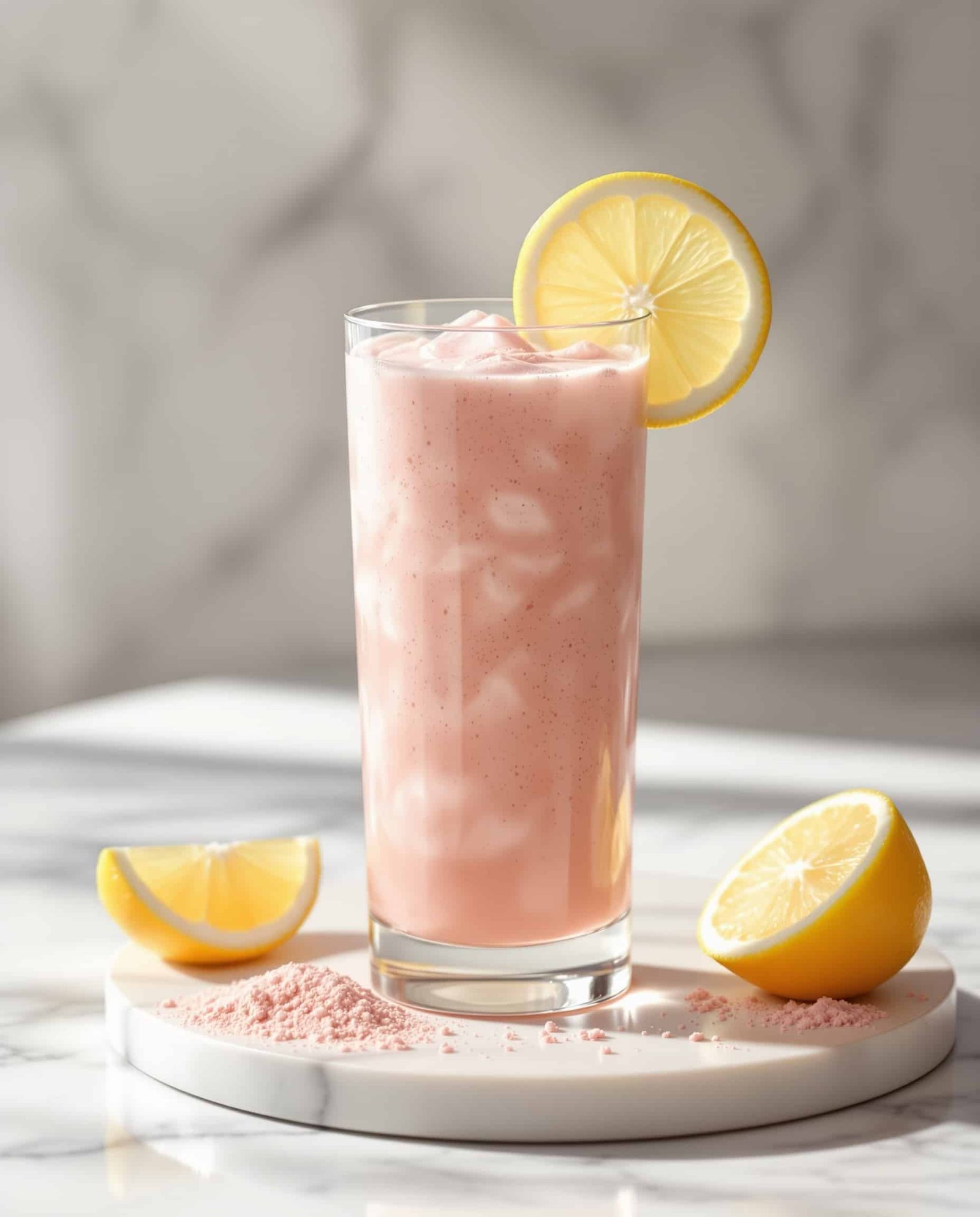
- To serve, place a few gelatin cubes in a tall glass. Add ice, and top with fresh lemon slices. You can enjoy it as is, or add a splash of sparkling water for extra fizz. Store leftovers in an airtight container in the fridge for up to 3-4 days.
Calorie Reality
At just 25 calories per serving, this gelatin lemon water is an incredibly low-calorie option. For someone aiming for a typical 1500-2000 calorie daily budget for weight loss, this drink represents a tiny fraction of your intake, leaving plenty of room for nutrient-dense meals. It’s a smart swap for sugary drinks that can easily add hundreds of empty calories.
About Your Daily Budget: Your Total Daily Energy Expenditure (TDEE) is the total number of calories your body burns in a day. To lose weight, you need to consistently consume fewer calories than your TDEE – this is called a calorie deficit. Understanding your TDEE is fundamental to sustainable weight loss.
Diet Compatibility
Compatible with: Keto, Low-Carb, Paleo (check sweetener), Gluten-Free, Dairy-Free
Not compatible with: Vegan, Vegetarian
Warning: Mixing Diets: Mixing and matching restrictive diet approaches without understanding their core principles can lead to nutrient deficiencies, frustration, and even rebound weight gain. For instance, combining a strict ketogenic diet with a low-fat approach can leave you with insufficient energy and fat, potentially leading to lipogenesis (fat creation) from excess carbohydrates if you’re not careful. Stick to one well-researched approach, consult a professional if unsure, and remember that calorie deficit remains king for weight loss.
Expert Tips
To maximize the weight loss benefits, consider enjoying this gelatin lemon water before a meal. The protein from the gelatin can help pre-fill your stomach, potentially leading to eating less during your main course. Ensure your sweeteners are truly zero-calorie to keep the calorie count low. Don’t be afraid to adjust the lemon juice and sweetener to your personal taste, but always prioritize a balanced diet over any single ‘miracle’ food. Consistency in your calorie deficit is your most powerful tool.

Macros Breakdown
This recipe is almost entirely protein from the gelatin, with virtually no carbs or fat (assuming sugar-free sweeteners). Gelatin is an incomplete protein, meaning it lacks some essential amino acids, so don’t rely on it as your sole protein source. However, its high protein content for its minimal calories can contribute to satiety, helping you feel full longer, which is a big win for weight loss.
Nutrition Information (per serving)
| Calories | Protein | Carbs | Fat | Fiber |
|---|---|---|---|---|
| 25 kcal | 6g | -g | -g | -g |
Key Terms Explained
| Term | Explanation | Why it matters here |
|---|---|---|
| Calorie Deficit | Consuming fewer calories than your body burns in a day, which forces your body to use stored energy (fat) for fuel. | This recipe is very low in calories, making it a great tool to help you achieve a calorie deficit. |
| Satiety | The feeling of fullness and satisfaction after eating, which helps control appetite and reduce overall calorie intake. | Gelatin’s protein content can increase satiety, potentially reducing cravings between meals. |
| Gelatin | A protein derived from collagen, typically from animal sources, known for its gelling properties. | Provides protein and unique texture, contributing to the feeling of fullness without many calories. |
| Erythritol/Stevia | Zero-calorie or very low-calorie natural sweeteners that provide sweetness without impacting blood sugar. | Allows for a sweet taste without adding calories or impacting blood sugar, crucial for a low-calorie drink. |
The Truth About This Recipe
The Truth About This Recipe: While this gelatin lemon water is a fantastic low-calorie, protein-rich option that can aid satiety, it will NOT magically melt fat. Weight loss boils down to a consistent calorie deficit over time. This recipe is a *tool* to help you achieve that deficit by providing a satisfying, low-calorie alternative to sugary drinks or snacks. It’s part of a bigger picture, not the whole canvas. Focus on overall dietary habits and movement, and this can be a helpful addition.
Move Your Body
Remember, movement complements nutrition. A brisk 30-minute walk could burn around 150-200 calories, far more than the 25 calories in a serving of this gelatin lemon water. Combine smart eating choices with regular physical activity for the most effective and sustainable weight loss.
Delicious Variations
For a Keto version, ensure your sweetener is erythritol or stevia and avoid any hidden sugars. For a Low-Carb twist, this recipe is already perfect! Just watch for any added sugars in other ingredients you might swap in. A Mediterranean-friendly variation could incorporate a tiny amount of fresh mint or basil for an herbal twist, keeping the focus on fresh, whole ingredients and healthy hydration. Remember, the core is low-calorie and satisfying.
Healthier Alternatives
If you want to boost fiber, blend in a tablespoon of chia seeds (they’ll absorb liquid and thicken it further). This adds more satiety and digestive benefits. For extra electrolytes without added sugar, consider a pinch of good quality sea salt (which we already included, but you can increase slightly if you’re active). If you prefer a less jiggly texture, reduce the gelatin slightly, but remember the protein content will also decrease, lessening the satiety factor. Each substitution should serve a clear nutritional purpose.
Serving Suggestions
Enjoy this gelatin lemon water chilled, perhaps with a straw for a refreshing sip. It’s excellent as an afternoon pick-me-up or a pre-meal drink. Be warned, however, against pairing it with high-calorie sugary snacks or meals, as that would negate its low-calorie benefit. Think of it as a healthy choice in a balanced day, not an excuse to overindulge elsewhere. It’s a great substitute for sodas or sugary juices.
Storage Instructions
Store any leftover gelatin lemon water in an airtight container in the refrigerator. It will keep well for up to 3-4 days. After this, the texture might start to degrade slightly, and the freshness of the lemon flavor can diminish. If you’ve cut it into cubes, they might stick together over time, but this doesn’t affect quality. Do not freeze, as freezing will destroy the gelatin’s texture, turning it watery upon thawing.
Frequently Asked Questions
Can gelatin lemon water really help with weight loss?
Yes, but indirectly. It’s very low in calories and the protein from gelatin can help you feel fuller, which can reduce your overall calorie intake. It’s a tool to support a calorie deficit, not a standalone solution.
Is gelatin good for you beyond weight loss?
Gelatin is rich in amino acids like glycine and proline, which are beneficial for joint health, skin elasticity, and gut lining integrity. It’s a good source of these specific amino acids.
What kind of gelatin should I use?
Always use unflavored gelatin powder. Look for brands that are grass-fed if you prefer, but any unflavored gelatin will work for the recipe’s gelling properties.
Can I use bottled lemon juice instead of fresh?
While you can, fresh lemon juice provides a much brighter, more authentic flavor and often contains more beneficial compounds. If you use bottled, opt for 100% lemon juice without added sugars.
How much gelatin lemon water should I drink for weight loss?
There’s no magic amount. One serving before a meal or as a low-calorie snack replacement is a good approach. Remember, it’s about overall dietary choices, not just one drink.
Conclusion
There you have it: a simple, honest, and science-backed gelatin lemon water recipe. No promises of overnight miracles, because that’s just not how our bodies work. What this recipe *does* offer is a delicious, low-calorie way to potentially increase satiety and support your journey towards a calorie deficit – the real key to sustainable weight loss. Remember, consistency, understanding your body, and making smart choices are your most powerful allies. Keep learning, keep moving, and be kind to yourself on the path to better health. You’ve got this.