Jello Recipes

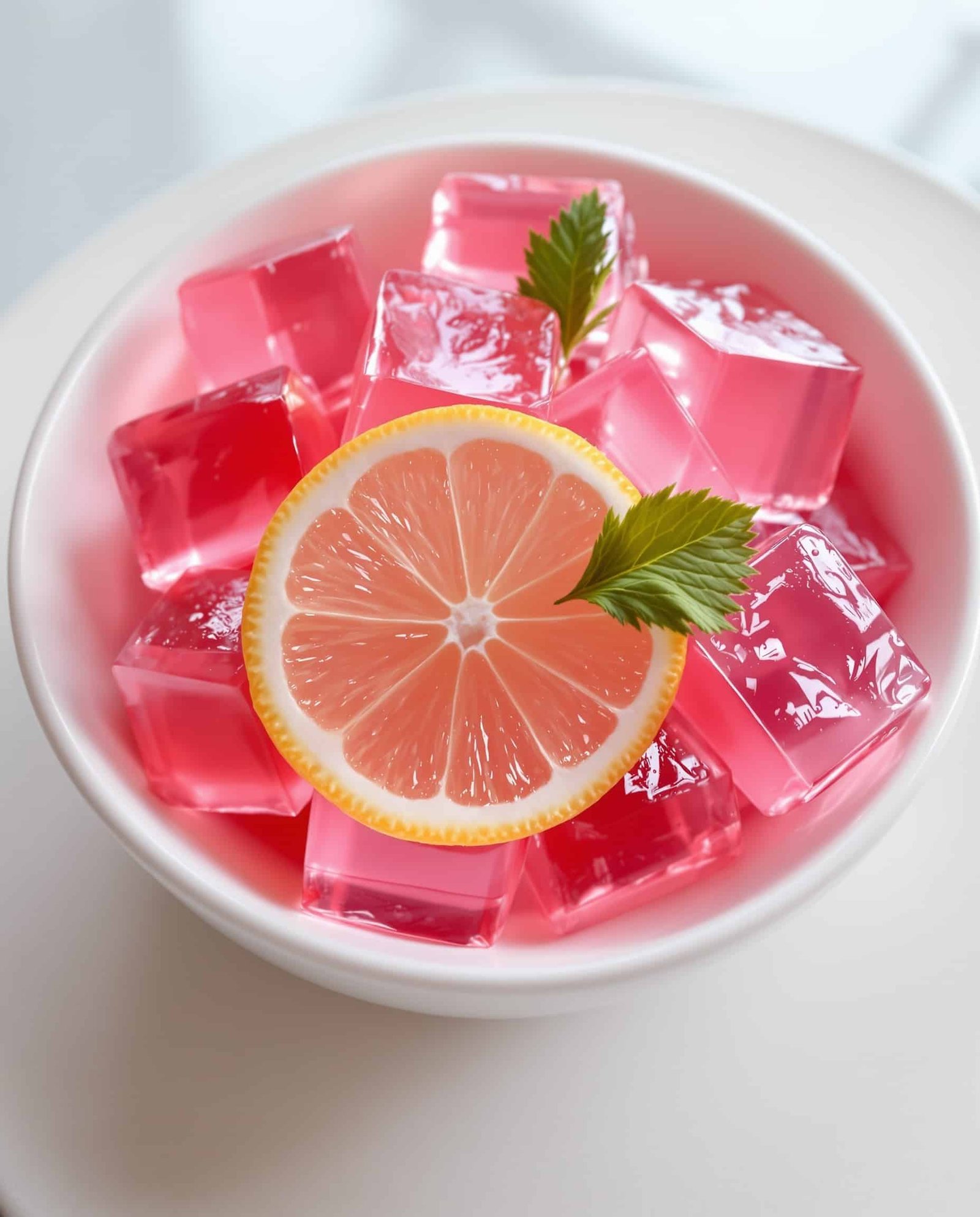
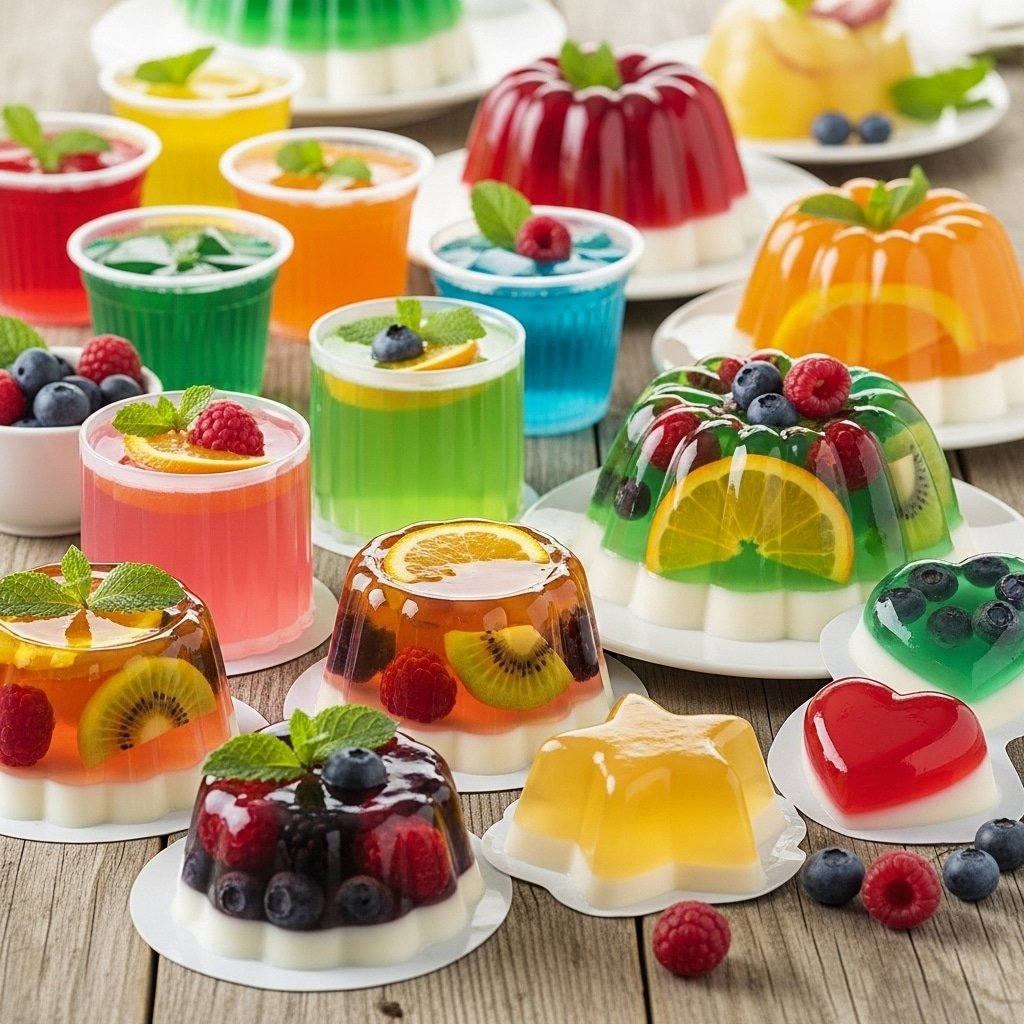
Jello recipes have been a beloved part of American cuisine for decades. Known for their versatility and simplicity, these recipes offer endless possibilities for creativity in the kitchen. Whether you’re hosting a party or looking for a fun treat, jello recipes can be tailored to suit any occasion or preference.

The appeal of jello recipes lies in their adaptability. From classic fruit-flavored jello to more elaborate layered desserts, these dishes can be customized with various ingredients and techniques. Their vibrant colors and refreshing textures make them a hit with both kids and adults alike.

What Is jello recipes

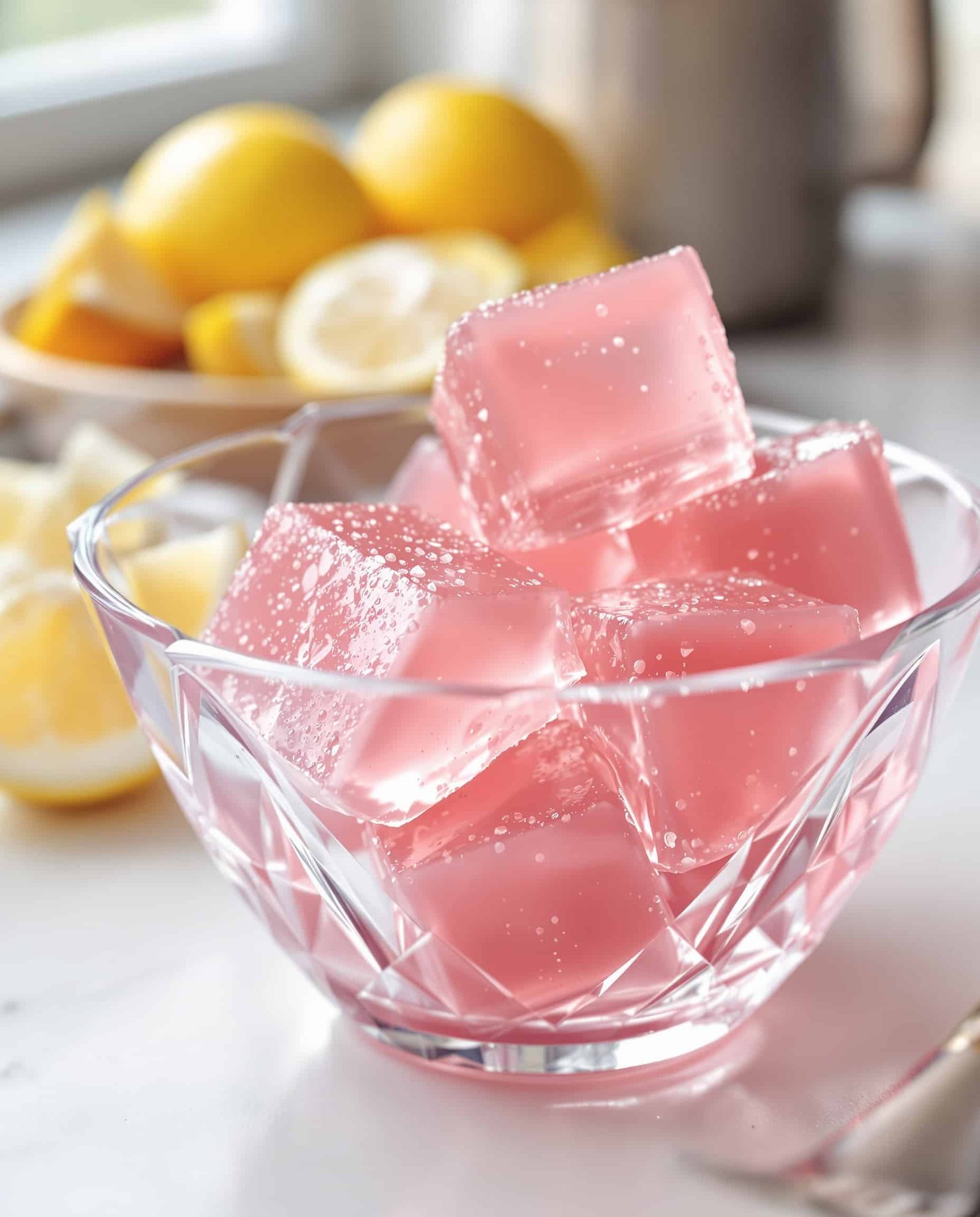
Jello recipes refer to culinary creations that primarily use gelatin as a key ingredient. Gelatin, derived from collagen, gives jello its signature wobbly texture. These recipes often include flavored gelatin mixes, which are dissolved in hot water and then cooled to set into a firm, yet jiggly consistency.

The simplicity of jello recipes makes them accessible to cooks of all skill levels. Basic recipes require minimal preparation, while more complex versions can incorporate additional elements like fruit, cream, other layers. This versatility ensures that jello recipes remain a staple in many households.

Jello recipes are not just limited to desserts. Savory versions, often referred to as aspic, can include meats, vegetables, and herbs. These savory dishes showcase the adaptability of gelatin in both sweet and savory culinary applications.

jello recipes ingredients introduction detailed
jello recipes ingredients process with introduction

Why jello recipes Matters

Jello recipes hold cultural significance in the United States, often evoking nostalgia for family gatherings and holiday celebrations. Their simplicity and affordability have made them a go-to dish for generations, symbolizing comfort and tradition in American kitchens.

Beyond nostalgia, jello recipes matter because of their versatility. They can be adapted to fit dietary needs, such as using sugar-free gelatin for those managing diabetes. Additionally, their ease of preparation makes them an ideal choice for busy individuals or those new to cooking.

Jello recipes also encourage creativity. With endless flavor combinations and presentation options, they allow cooks to experiment and personalize their dishes. This creativity fosters a deeper connection to the cooking process and the joy of sharing food with others.

Variants of jello recipes

Jello recipes come in countless variations, ranging from simple single-layer desserts to intricate multi-layered creations. Classic fruit jello is perhaps the most well-known variant, often enhanced with fresh or canned fruit for added texture and flavor.

Layered jello recipes are another popular option. These involve creating multiple layers of different colored or flavored gelatin, often separated by creamy layers made with ingredients like condensed milk. The result is a visually stunning dessert that’s as delightful to look at as it is to eat.

Savory jello recipes, aspic, are less common but equally intriguing. These dishes incorporate ingredients like meats, vegetables, and herbs, set in gelatin. While not as popular in modern cuisine, they showcase the versatility of gelatin beyond sweet applications.

VariantKey Characteristics
Classic Fruit JelloSimple, fruity, refreshing
Layered JelloVisual appeal, creamy layers
Savory AspicMeat or vegetable-based, unique texture
Top-down view of gelatin dessert ingredients including powdered gelatin, sugar, fruit, juice, water, and measuring tools arranged on a marble surface.

Uses of jello recipes

Jello recipes are incredibly versatile, making them suitable for a wide range of occasions. They are a popular choice for parties and gatherings, where their bright colors and fun textures can add a festive touch to the table. Their ease of preparation also makes them a convenient option for hosts.

In addition to desserts, jello recipes can be used in creative ways. For example, jello shots are a popular adult treat at parties, combining gelatin with alcohol for a playful twist. These recipes are often customized with different flavors and colors to match the theme of the event.

Jello recipes also have practical uses beyond entertainment. Gelatin-based dishes can be a helpful addition to diets aimed at improving joint health or digestion, thanks to the collagen content in gelatin. This makes jello recipes not just enjoyable but also beneficial.

For children, jello recipes can be a fun way to introduce new flavors and textures. The playful nature of jello makes it an appealing option for picky eaters, while parents can feel good about serving a treat that’s relatively low in calories and easy to digest.

When comparing jello recipes, it’s important to consider factors like flavor, texture, and preparation time. Classic fruit jello is quick and easy to make, requiring just a few ingredients and minimal effort. It’s a great option for those looking for a straightforward dessert.

Layered jello recipes, on the other hand, offer more complexity and visual appeal. While they take longer to prepare due to the need to set each layer individually, the end result is a stunning dessert that’s sure to impress guests. These recipes are ideal for special occasions.

Savory jello recipes provide a unique alternative to traditional sweet jello. While they may not appeal to everyone, they offer an interesting way to incorporate gelatin into meals. Their preparation is similar to sweet jello but with a focus on savory flavors and ingredients.

Best Practices for jello recipes

To ensure success with jello recipes, it’s essential to follow a few best practices. First, always dissolve the gelatin completely in hot water before adding cold water or other ingredients. Incomplete dissolution can result in lumps or an uneven texture.

Another key tip is to allow adequate time for the jello to set. Rushing this process can lead to a dish that’s too soft or unstable. Depending on the recipe, setting can take anywhere from a few hours to overnight, plan accordingly.

When adding mix-ins like fruit or cream, ensure they are evenly distributed for a balanced texture and flavor. Overloading the jello with too many mix-ins can make it difficult to set properly and may result in a messy final product.

Finally, presentation matters. Use molds or decorative dishes to enhance the visual appeal of your jello recipes. Clear glassware can showcase layered designs, while fun-shaped molds can add a playful touch to your creations.

Hands pouring red and green liquid gelatin into a bowl of molded gelatin shapes, surrounded by colorful silicone molds and layered gelatin desserts on a kitchen counter.

Frequently Asked Questions

What are some easy Jello recipes for beginners?

Start with classic Jello recipes like strawberry or lime, which only require boiling water, Jello mix, and cold water. For a simple twist, add canned fruit or whipped topping after the Jello partially sets.

How can I make layered Jello desserts?

Prepare one Jello flavor, let it set halfway, then carefully pour a second layer of a different flavor. Repeat with alternating colors for a striking effect. Chill each layer for 30-45 minutes before adding the next.

What are the best Jello flavors to mix together?

Cherry and lime create a refreshing combo, while orange and pineapple mimic tropical flavors. For a creamy twist, mix vanilla pudding with strawberry Jello for a classic “strawberries and cream” dessert.

Can I make Jello with fresh fruit?

Yes, but avoid fresh pineapple, kiwi, papaya, or figs as they contain enzymes that prevent setting. Berries, citrus, and melons work well—add them after the Jello cools slightly but before it sets.

How do I make Jello shots for parties?

Replace half the cold water in your Jello recipe with vodka or flavored liquor. Pour into small cups and chill for 2+ hours. For clarity, use clear spirits and light-colored Jello flavors.

What are some creative Jello mold ideas?

Use bundt pans for ring-shaped desserts, or layer Jello in clear glasses for parfaits. For kids, try fun shapes like stars or animals using silicone molds. Add edible glitter for festive occasions.

How long does it take for Jello to set?

Standard Jello sets in 2-4 hours in the fridge. Thicker layers or recipes with added ingredients may take longer. For fastest results, use ice water in the recipe and chill in a shallow dish.

Can I use sugar-free Jello for desserts?

Absolutely—sugar-free Jello works in any recipe calling for regular Jello. The texture may be slightly softer, so consider reducing added liquids slightly for better setting.

What are some fun Jello recipes for kids?

Create “Jello aquariums” with gummy fish, or make rainbow layers in clear cups. For edible science, let kids mix colors or embed small toys in Jello “fossils.” Always supervise with hot liquids.

What’s the secret to unmolding Jello perfectly?

Dip the mold briefly in warm water (10 seconds), then dry the bottom. Place your serving plate on top, flip quickly, and gently shake. For stubborn molds, run a thin knife around the edge first.

Conclusion

Jello recipes offer endless possibilities, from nostalgic childhood treats to elegant party desserts. Whether you’re making simple single-layer Jello for a weeknight dessert or crafting elaborate molded creations, the key lies in understanding setting times, flavor combinations, and creative presentation. Beginners can start with basic recipes and gradually experiment with layers, fresh ingredients, and innovative shapes. Sugar-free options ensure everyone can enjoy these wobbly delights, while clever twists like Jello shots cater to adult gatherings. Remember that patience during the setting process and proper unmolding techniques make all the difference in presentation. With these fundamentals mastered, you’re ready to explore the full spectrum of Jello recipes—perhaps trying a new flavor combination or surprising the kids with a playful edible craft this weekend.

Leave a Comment