Introduction
There’s something truly special about Japanese gelatin—its delicate texture, subtle flavors, and the way it effortlessly transports you to a serene tea house in Kyoto. This recipe, inspired by traditional Japanese desserts, combines the earthy notes of green tea with the smooth, jiggly texture of gelatin to create a treat that’s both refreshing and nostalgic. Whether you’re reminiscing about a trip to Japan or simply looking for a unique dessert to share with loved ones, this Japanese gelatin recipe is sure to delight. It’s a simple yet elegant dish that captures the essence of Japanese culinary artistry.
Discover more with our jillian michaels gelatin recipe.
Ingredients
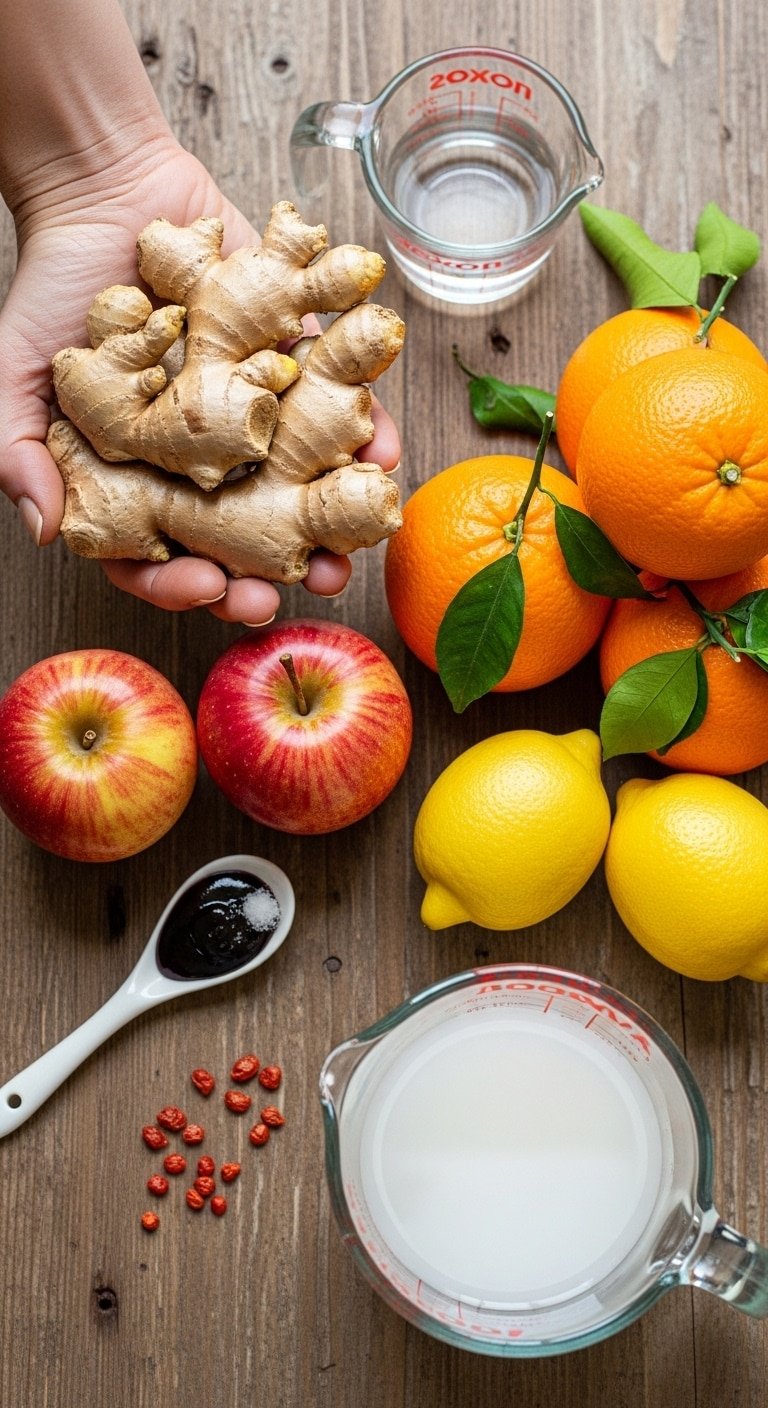
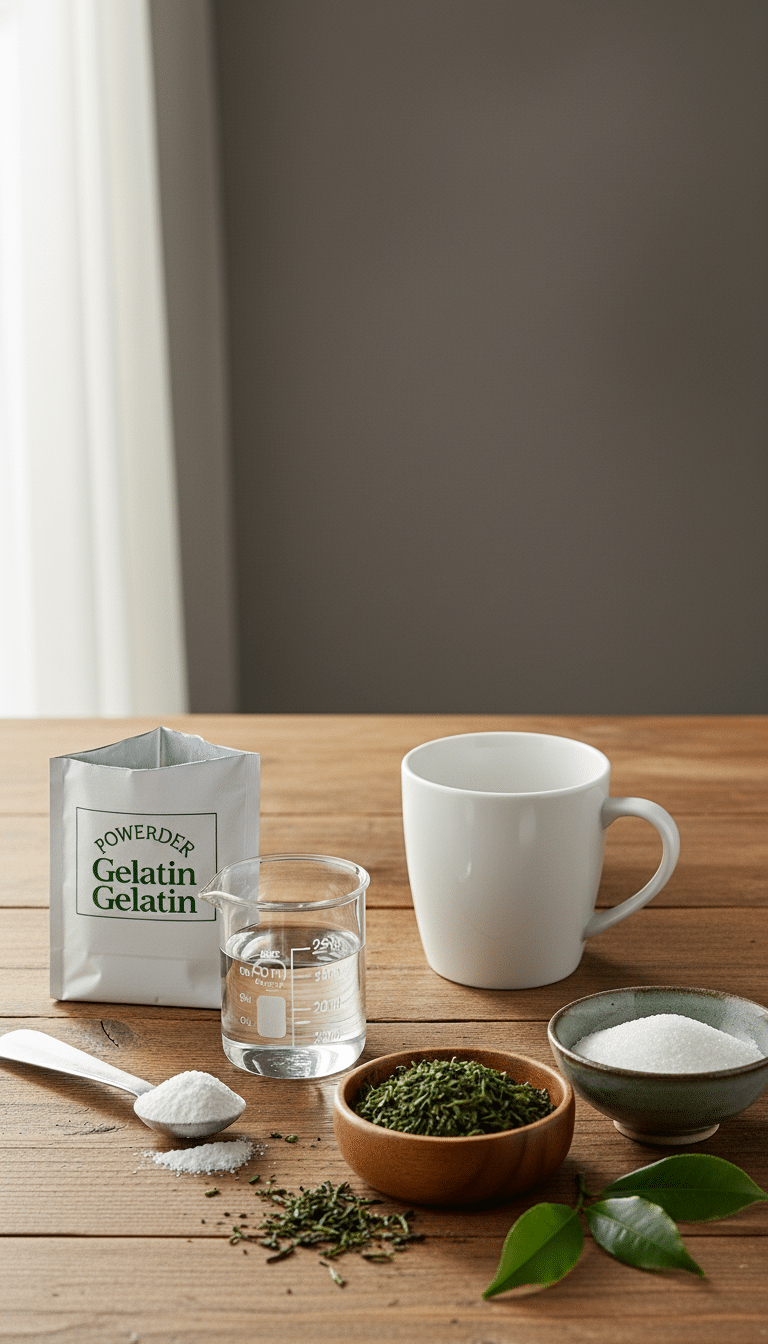
Here’s what you’ll need to make this delightful Japanese gelatin:
If you enjoyed this recipe, you might also like our pomegranate acv gelatin.
- Powdered gelatin 5 g
- Water 25 ml
- Hot water 300 ml
- Green tea leaves 10 g
- Granulated sugar 30 g
Recommended Tools You’ll Need
Cook Time
| Prep Time | Cook Time | Setting Time | Total Time |
|---|---|---|---|
| 10 minutes | 5 minutes | 4 hours | 4 hours 15 minutes |
This recipe requires minimal hands-on time, but patience is key as the gelatin sets in the refrigerator.
You may also enjoy our crystal lemon honey gelatin.
Nutrition Information
| Serving Size | Calories | Sugar | Fiber |
|---|---|---|---|
| 1 serving | ~35 kcal | ~7g | ~0g |
This Japanese gelatin is a light and low-calorie dessert, perfect for those looking for a guilt-free treat.
See also: collagen gelatin recipe.
How to Make japanese gelatin
- In a small bowl, sprinkle the powdered gelatin over 25 ml of water. Let it bloom for 5 minutes using a silicone spatula to gently mix.
- In a medium saucepan, heat 300 ml of hot water until it reaches a simmer. Remove from heat and add the green tea leaves using a fine mesh strainer to steep for 3 minutes.
- Strain the brewed green tea into a large mixing bowl, discarding the tea leaves. Add the granulated sugar and stir with a wooden spoon until fully dissolved.
- Combine the bloomed gelatin with the green tea mixture in the large mixing bowl. Whisk thoroughly with a wire whisk until the gelatin is completely dissolved.
- Pour the mixture into a silicone mold or glass baking dish. Cover with plastic wrap and refrigerate for at least 4 hours or until set.
Expert Tips
- Use high-quality green tea leaves for the best flavor.
- Ensure the gelatin is fully dissolved to avoid lumps in the final product.
- For a smoother texture, strain the mixture once more before pouring it into the mold.
- Experiment with different molds for fun shapes and presentations.
Variations
Try these creative twists on the classic Japanese gelatin recipe:
For more ideas, check out our guide on pre meal basic gelatin drink.
- Use matcha powder instead of green tea leaves for a vibrant color and intense flavor.
- Add a splash of coconut milk for a creamy, tropical twist.
- Infuse the gelatin with fruit juices like yuzu or apple for a fruity variation.
Healthier Alternatives
To make this recipe even healthier:
- Replace granulated sugar with a natural sweetener like stevia or honey.
- Use agar-agar instead of gelatin for a vegan-friendly option.
- Reduce the sugar amount and balance the flavor with a hint of lemon zest.
Serving Suggestions
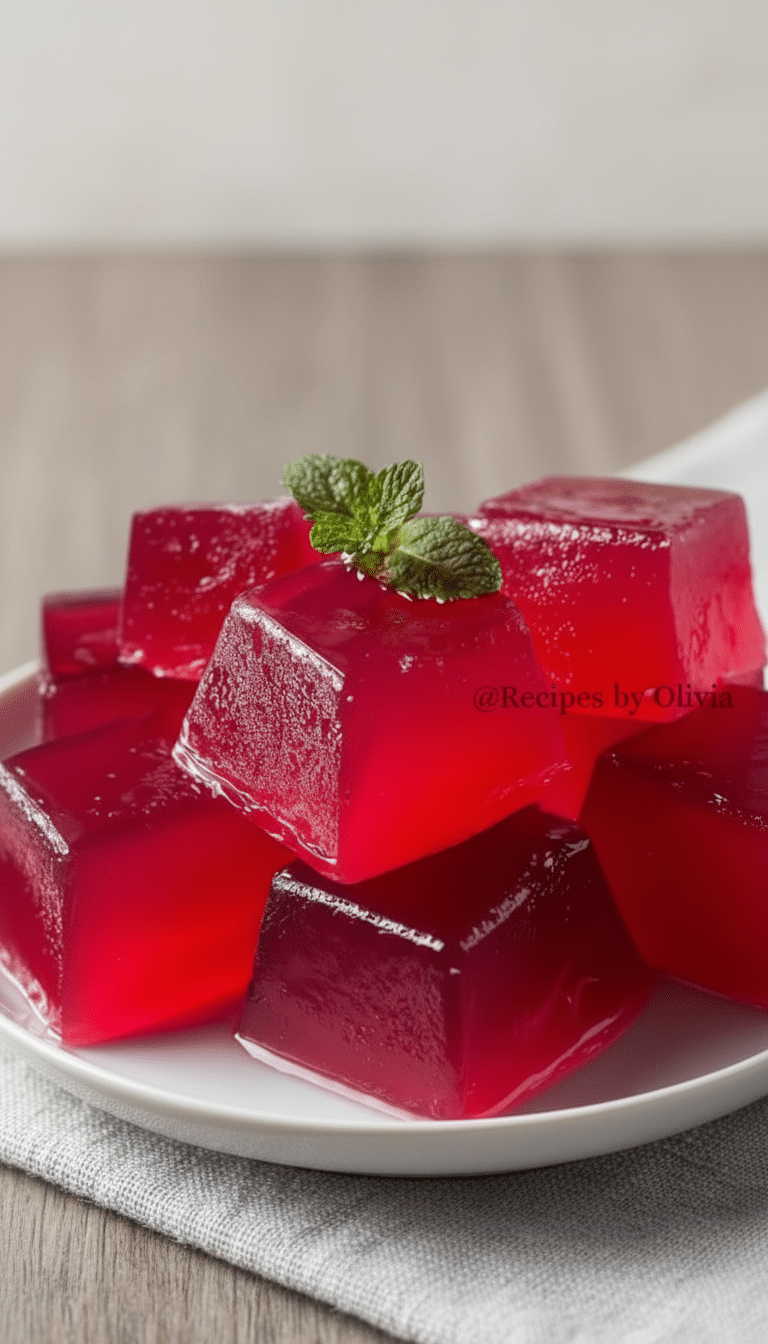
Serve your Japanese gelatin chilled, garnished with fresh berries or a dollop of whipped cream. Pair it with a cup of hot green tea for a complete Japanese-inspired experience. For a more elegant presentation, slice the gelatin into cubes and serve on small plates with edible flowers.
If you enjoyed this recipe, you might also like our gelatin weight loss trick dr oz pink gelatin trick.
Storage Instructions
Store the Japanese gelatin in an airtight container in the refrigerator for up to 3 days. Avoid freezing, as it can alter the texture. To maintain freshness, cover the container with plastic wrap to prevent absorption of other odors.
If you enjoyed this recipe, you might also like our apple cider lemon gelatin drink.
Frequently Asked Questions
What is Japanese gelatin made of?
Japanese gelatin, often called kanten or agar-agar, is derived from red algae. Unlike animal-based gelatin, it’s plant-based, making it suitable for vegetarians and vegans. It has a firmer texture and sets at room temperature. This unique ingredient is a staple in traditional Japanese desserts and savory dishes alike.
How do you make Japanese gelatin at home?
To make Japanese gelatin at home, dissolve agar-agar powder in boiling water or fruit juice. Stir until fully dissolved, then simmer for a few minutes. Pour the mixture into molds and let it cool at room temperature until set. The process is simple, and you can customize flavors and colors to create beautiful, wobbly treats.
What are the health benefits of Japanese gelatin?
Japanese gelatin is rich in fiber, aiding digestion and promoting gut health. It’s low in calories and contains no fat, making it a guilt-free dessert option. Some studies suggest it may help regulate blood sugar levels. Plus, its plant-based nature makes it a great alternative for those avoiding animal products.
Can Japanese gelatin be used in desserts?
Absolutely! Japanese gelatin is perfect for desserts like mizu shingen mochi (raindrop cake), fruit jellies, and layered parfaits. Its neutral taste allows it to pair well with sweet flavors like matcha, red bean, or citrus. The translucent, delicate texture adds an elegant touch to any dessert presentation, making it a favorite in Japanese confectionery.
Is Japanese gelatin different from regular gelatin?
Yes, Japanese gelatin differs from regular gelatin in both source and texture. While regular gelatin comes from animal collagen, Japanese gelatin is plant-based. It sets firmer and doesn’t melt as easily at room temperature. This makes it ideal for intricate desserts that need to hold their shape without refrigeration.
Conclusion
Japanese gelatin, or agar-agar, is a versatile and healthy ingredient that opens up a world of culinary possibilities. Whether you’re making delicate desserts or experimenting with new textures, this plant-based alternative offers a unique twist on traditional gelatin. Its simplicity and elegance make it a joy to work with. I love how it brings a touch of Japanese tradition to my kitchen, creating treats that are as beautiful as they are delicious. Give it a try—you might just discover your new favorite ingredient!
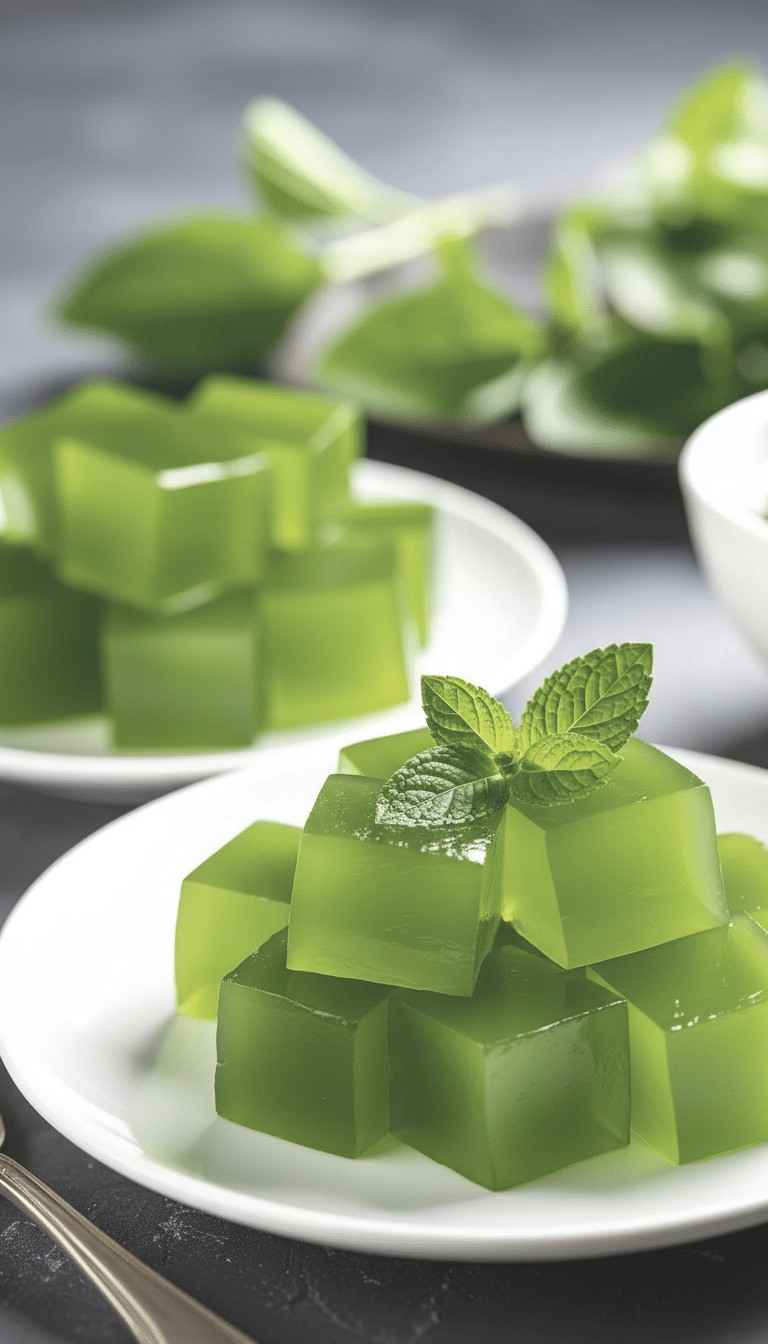
Learn how to make authentic Japanese gelatin using agar agar powder, fresh fruit, and fruit juice for a refreshing and easy dessert.
Ingredients
- Powdered gelatin 5 g
- Water 25 ml
- Hot water 300 ml
- Green tea leaves 10 g
- Granulated sugar 30 g
Instructions
- In a small bowl, sprinkle the powdered gelatin over 25 ml of water. Let it bloom for 5 minutes using a silicone spatula to gently mix.
- In a medium saucepan, heat 300 ml of hot water until it reaches a simmer. Remove from heat and add the green tea leaves using a fine mesh strainer to steep for 3 minutes.
- Strain the brewed green tea into a large mixing bowl, discarding the tea leaves. Add the granulated sugar and stir with a wooden spoon until fully dissolved.
- Combine the bloomed gelatin with the green tea mixture in the large mixing bowl. Whisk thoroughly with a wire whisk until the gelatin is completely dissolved.
- Pour the mixture into a silicone mold or glass baking dish. Cover with plastic wrap and refrigerate for at least 4 hours or until set.
Nutrition Information
Per serving
319
21g
10g
6g
25g
438mg