The Best Protein Muffins Kids Will Actually Eat: Step-by-Step Instructions
When experimenting with mix-ins, keep in mind that adding too many ingredients can disrupt the delicate balance of the batter. Stick to a maximum of one-half cup of add-ins total, as heavy items like frozen fruit or excessive chocolate chips can weigh down the crumb and interfere with the rise. Avoid adding more than one liquid flavor extract, such as almond or lemon, as these can easily overpower the delicate protein base. If you decide to add nuts, ensure they are finely chopped to maintain the structural integrity of the muffin. By keeping your variations focused on aromatics and small, light inclusions, you ensure the muffins remain soft, fluffy, and appealing to young children every single time.
Serving Ideas
Making it a Meal
Transforming these protein muffins into a balanced breakfast is simple when you focus on adding complementary textures and colors. For a complete nutritional profile, pair a warm muffin with a bowl of fresh seasonal fruit, such as sliced strawberries, blueberries, or melon chunks. If your child prefers a creamier element, a small serving of Greek-style yogurt provides a nice contrast to the denser, nutrient-packed muffin. For toddlers, the key is safety and independence; always cut the muffins into manageable, bite-sized cubes that are easy for small hands to grasp. This practice not only minimizes waste but also helps them develop fine motor skills during mealtime.
Beyond the breakfast table, these muffins are perfect candidates for school lunchboxes. To keep them fresh until the mid-day break, wrap them in parchment paper or place them in a reusable silicone container to prevent squashing. You can also turn these muffins into a "snack board" by adding a few raw vegetable sticks or a hard-boiled egg on the side. When serving, avoid the common mistake of adding sugary spreads or jams, which can lead to a quick energy spike and subsequent crash. Instead, encourage eating them as they are, or with a light smear of natural nut butter if allergies allow. This approach turns a simple baked good into a reliable, sustained energy boost that helps children stay focused and energized throughout their school day, making your morning routine significantly smoother and less rushed.
Keeping It Fresh
Storage Recommendations
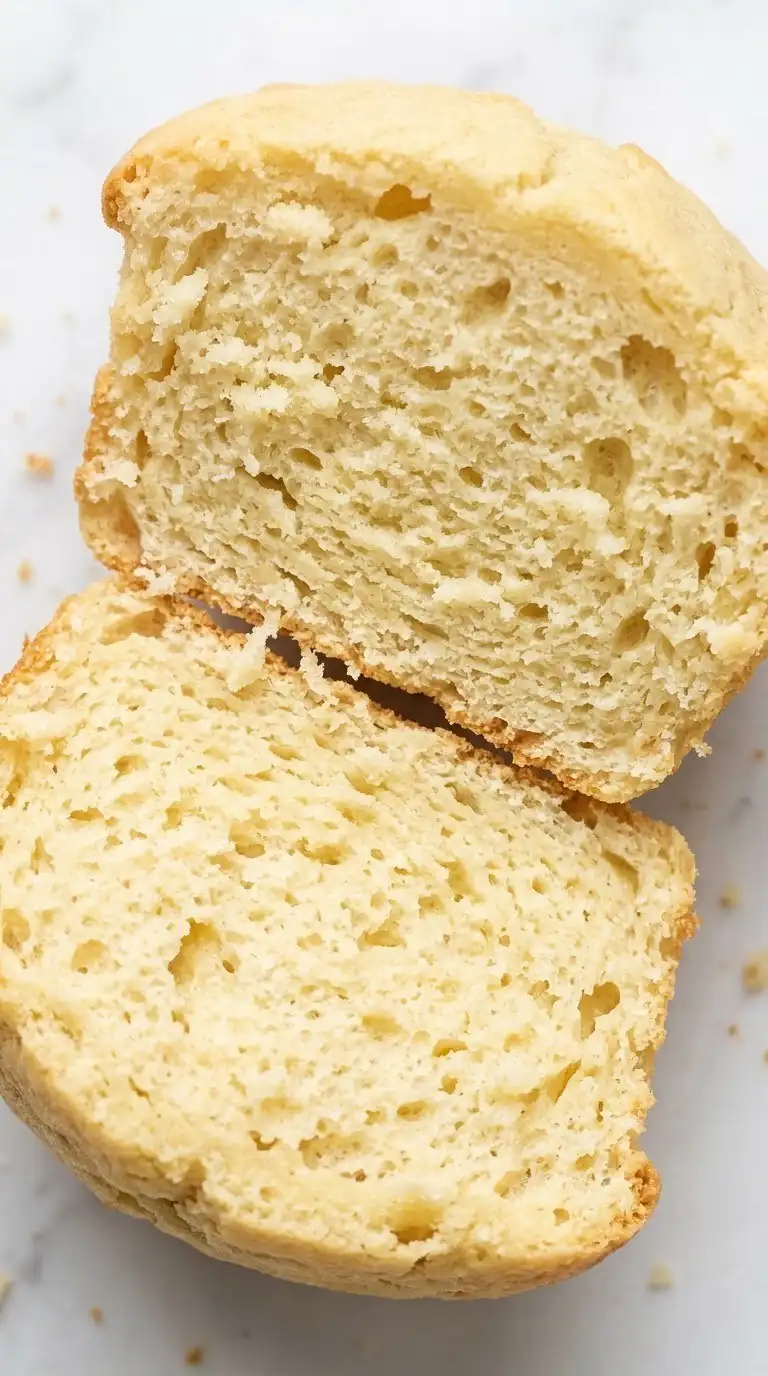
Proper storage is essential to maintaining the ideal moist, tender texture of your protein muffins. Once you remove the batch from the oven, allow them to rest in the pan for exactly five minutes before transferring them to a wire cooling rack. This brief cooling period prevents the bottoms from becoming soggy due to trapped steam. Let them cool completely to room temperature for at least an hour before sealing them away; if you store them while even slightly warm, condensation will form inside the container, leading to a mushy, unappealing exterior that spoils quickly.
For short-term storage, place the cooled muffins in an airtight container lined with a single paper towel to absorb any excess moisture. They will remain fresh at room temperature for up to three days. If you find yourself with extras, the freezer is your best friend. Wrap each individual muffin tightly in plastic wrap, then place them collectively in a heavy-duty freezer bag, squeezing out as much air as possible to prevent freezer burn. When you are ready to serve, skip the oven. Instead, microwave a frozen muffin for 30 to 45 seconds on a medium-power setting. This gentle heating method preserves the internal moisture without hardening the edges. A common mistake to avoid is over-microwaving, which can cause the protein structure to become rubbery. If you notice the edges starting to feel tough, reduce the power level or check the muffin at the 20-second mark. Proper rotation ensures you always have a soft, bakery-quality breakfast ready on busy weekday mornings.
For safe storage times, the USDA guidance on leftovers and food safety is a useful reference.
Reader Questions Answered
Why use cottage cheese in this recipe?
Cottage cheese is the secret to protein muffins kids love because it adds a huge boost of protein and moisture without altering the flavor. When blended smooth, it melts into the batter, making the muffins incredibly tender and kid-friendly protein muffins.
Can I freeze these muffins?
Yes, these freeze beautifully. Wrap them individually in plastic wrap and store them in an airtight freezer bag for up to three months.
Are these suitable for toddlers?
They are excellent healthy protein muffins for toddlers because they are soft, easy to chew, and not overly sweet. Always supervise young children while eating.
Do I have to use a specific protein powder?
A standard whey or plant-based vanilla protein powder works best for these healthy muffins for kids with protein. Avoid using powders that contain artificial sweeteners if you prefer a cleaner profile.
Why did my muffins turn out dense?
Dense muffins usually happen from overmixing the batter. Always mix just until the flour streaks disappear to keep these healthy muffins with protein for kids airy.
Can I add mix-ins?
While this is a plain vanilla recipe, you can easily fold in small berries or seeds. However, keep the additions small so the protein muffins for kids recipe maintains its structure.
More Muffin Recipes to Try
Wrapping Up
A New Breakfast Favorite
Integrating higher protein intake into your family's morning routine is a manageable goal that pays dividends in steady energy and satiety. By mastering the fundamentals of this protein-packed recipe—specifically balancing your dry ingredients with sufficient moisture—you create a reliable baseline that children actually look forward to eating. These muffins work because they bridge the gap between a satisfying, wholesome meal and the comfort of a classic treat. Once you understand the chemistry of the batter, you can experiment with subtle variations, like folding in mashed banana or finely grated zucchini, to introduce variety without compromising the structural integrity or the beloved flavor profile that keeps kids asking for more.
We encourage you to make this recipe a consistent part of your household repertoire to simplify your morning schedule. Preparing a large batch on a Sunday afternoon means you have a grab-and-go solution that eliminates the stress of last-minute meal preparation during the work week. As you refine your baking process, you will find that these muffins serve as a perfect foundation for a consistent morning rhythm. Focus on precise measurements and consistent oven temperatures of 350°F to ensure uniform baking every single time. By eliminating the reliance on processed alternatives, you are teaching your children to value homemade, nutrient-dense foods from an early age. We hope these become a staple in your home, providing both the sustenance your family needs and the convenience you deserve. Enjoy the process of baking and the joy of a well-fueled start to every day!
Related recipes: Easy Breakfast Muffins for Kids, Mini Muffins for Toddlers: Soft, Safe, and Perfectly Sized, Simple Vanilla Healthy Muffins Toddler Friendly Recipe, Moist Applesauce Muffins with Cinnamon Sugar, Simple Cranberry Muffins Recipe Dried Fruit Treat.
Learn more: Actually on Wikipedia · food storage & safety (FoodSafety.gov).
◆ ◆ ◆
← Back to The Best Protein Muffins Kids Will Actually EatGet new recipes
One tasty homemade recipe in your inbox each week. No spam, unsubscribe anytime.


Comments