Blistered Caribe Chiles in Citrus Soy Marinade: Step-by-Step Instructions
Step-by-Step Instructions
Step 1: Heat the oil
Begin by placing your large stainless steel or cast-iron skillet over medium heat. Pour in the 3 tablespoons of neutral vegetable or avocado oil. Allow the oil to heat up until it is shimmering and hot, but not smoking. This high temperature is crucial for ensuring the onions sear properly rather than steaming in the bottom of the pan.
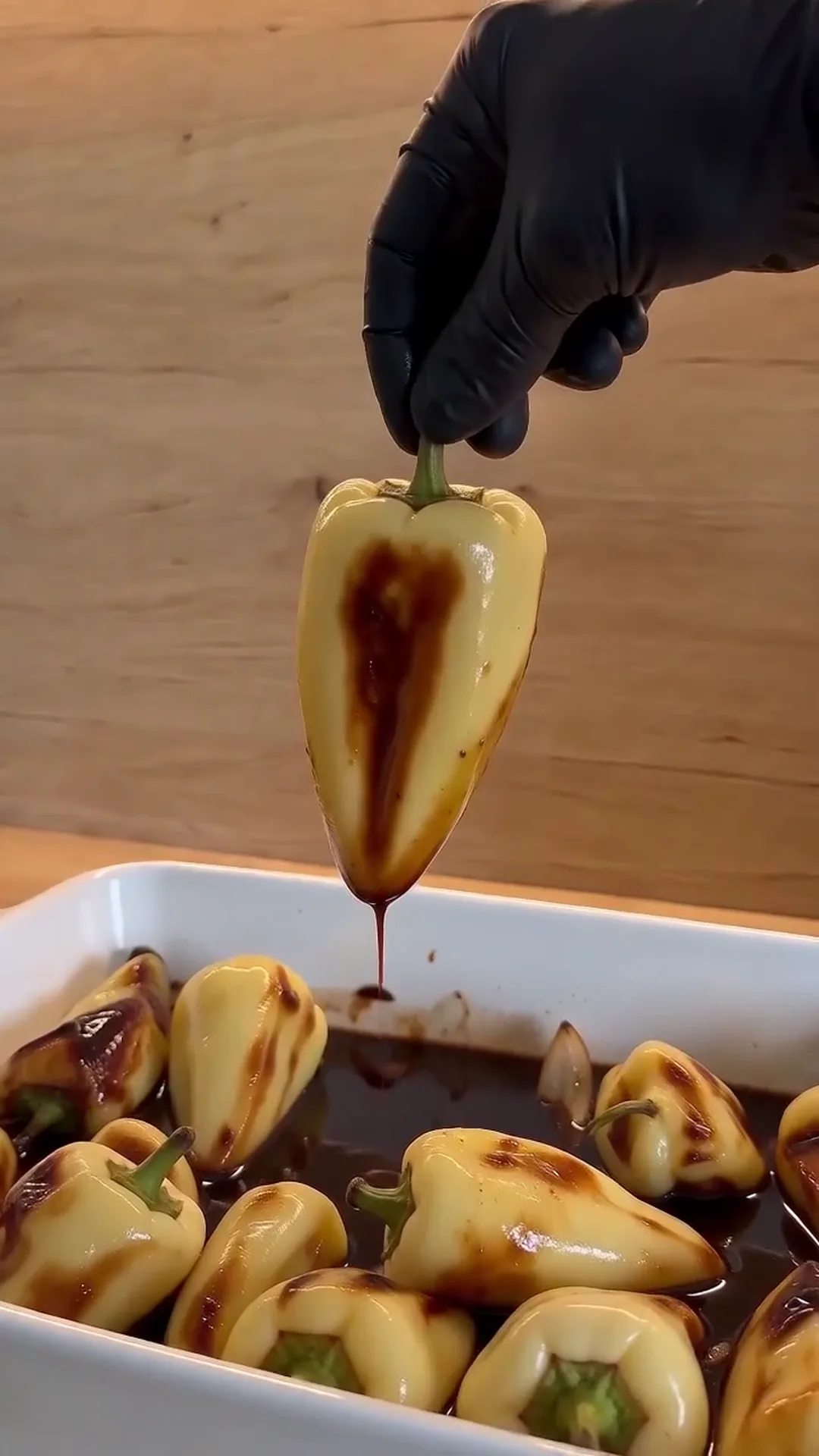
Step 2: Sauté the onions
Add the 1/2 finely diced white onion to the hot skillet. Use your rubber spatula to stir constantly, ensuring the onions are distributed evenly. Sauté the onions for approximately 3 to 4 minutes until they have become translucent and are releasing a fragrant aroma. The onions will form the flavorful base for your finished dish once the peppers are ready.
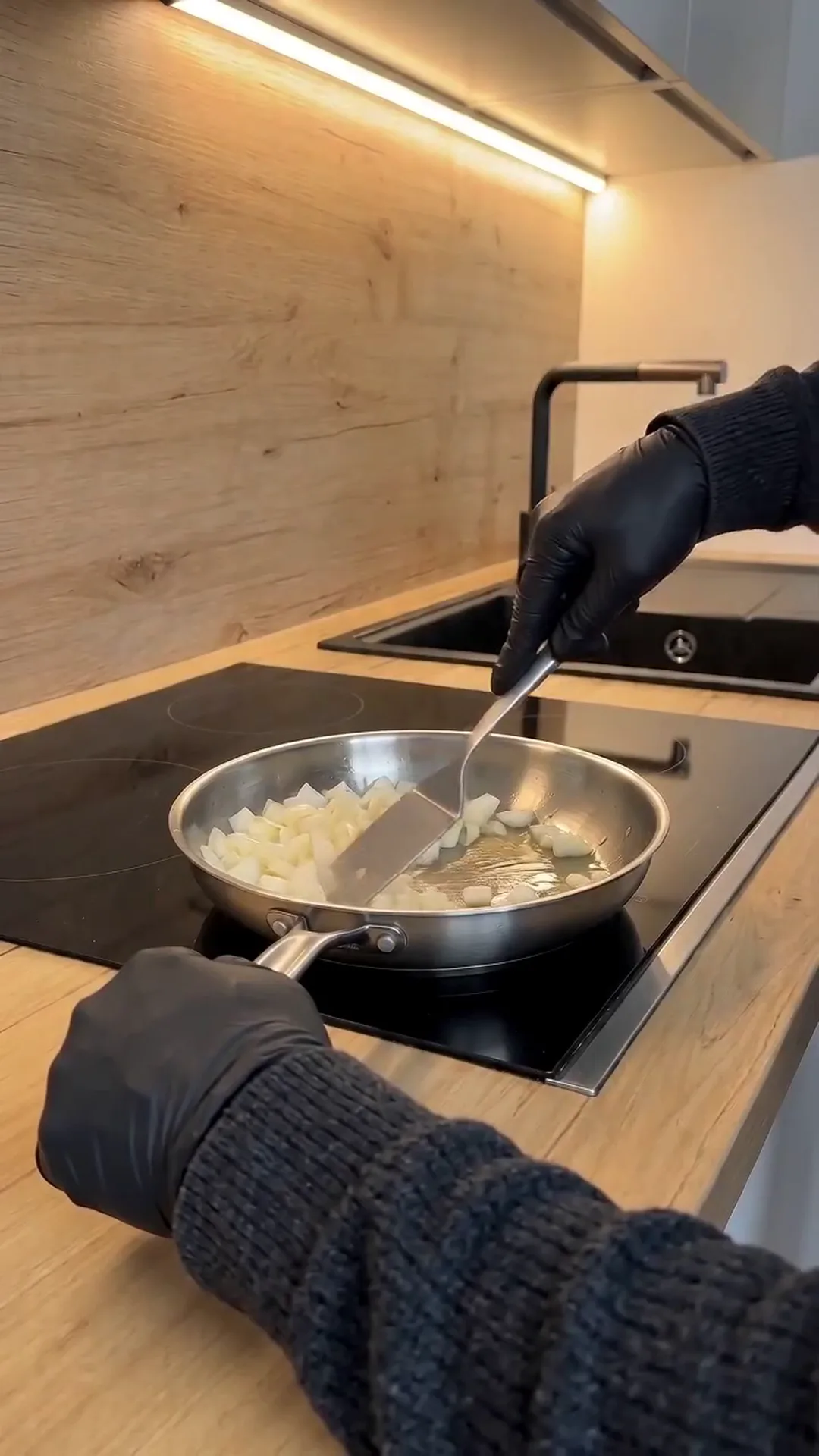
Step 3: Set aside the onions
Once the onions are perfectly translucent and fragrant, use your spatula to transfer them along with any residual oil from the skillet into a shallow serving dish or a large rimmed platter. Set this aside aside at room temperature while you prepare the chiles. Keeping the onions warm will help them soak up the marinade once it is added later.
Step 4: Prepare the chiles
Place the empty skillet back onto the cooktop and adjust the heat to medium-low. Ensure your 12 fresh caribe chiles have been washed and thoroughly dried to prevent splattering. Place the whole chiles into the skillet in a single layer. Do not crowd the pan, as you want them to blister rather than cook in moisture.
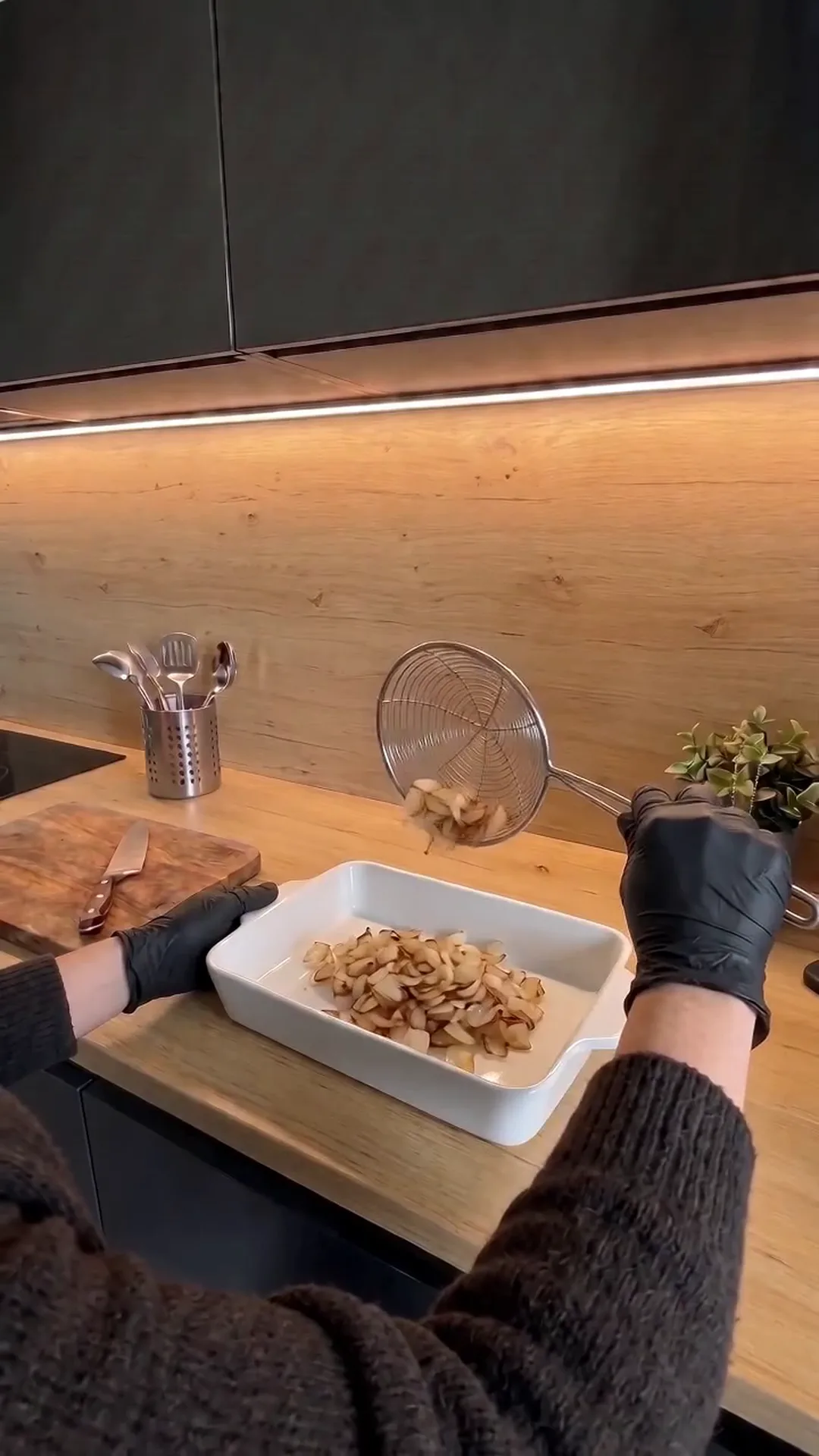
Step 5: Blister the peppers
Sear the chiles by turning and rolling them frequently with your rubber spatula. You need to continue this process for about 7 to 8 minutes. You are looking for the skins to be thoroughly blistered, tender to the touch, and evenly charred in spots. This high-heat sear is what creates the signature smoky flavor that defines the Toreados style.
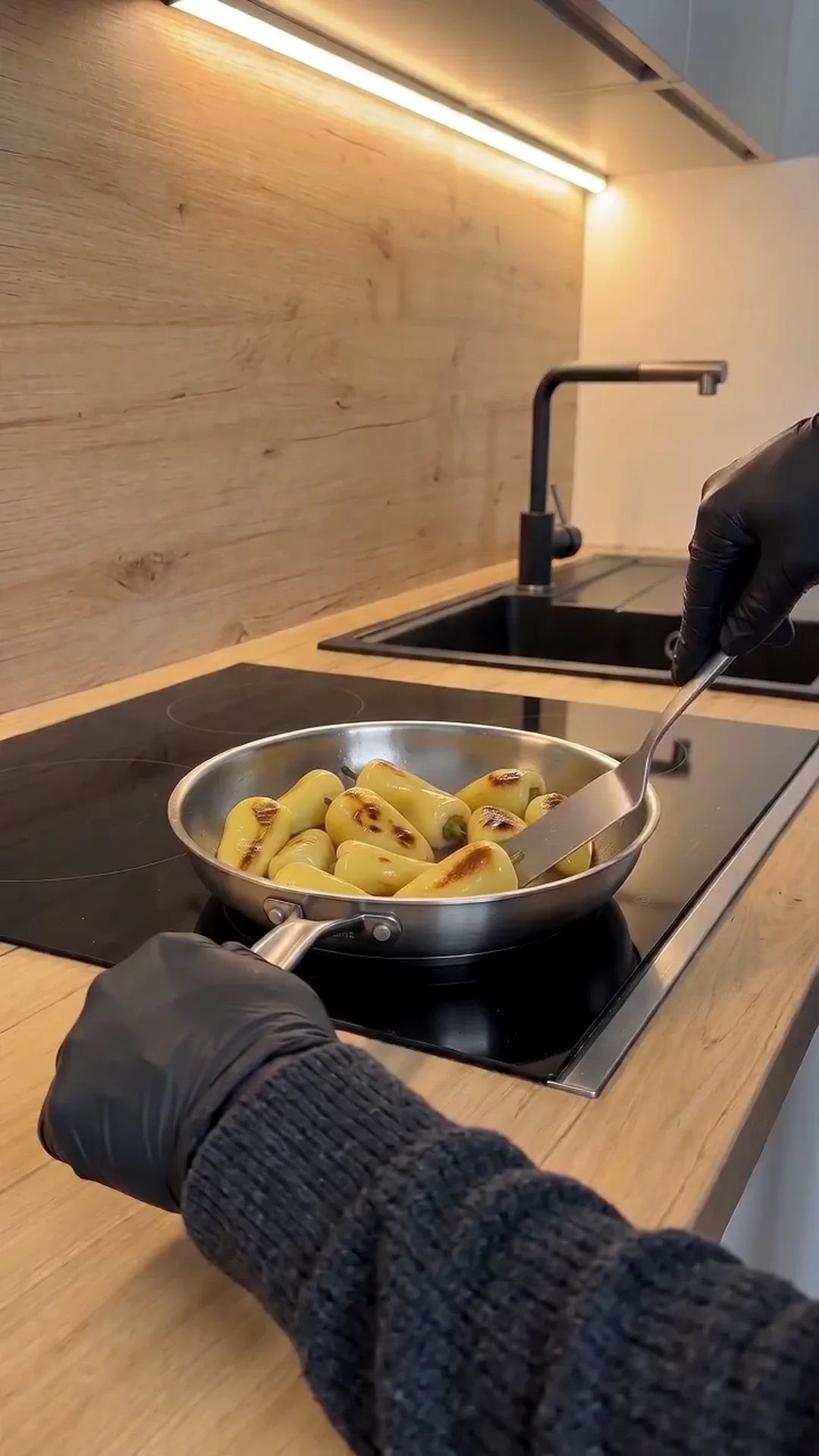
Step 6: Assemble the chiles
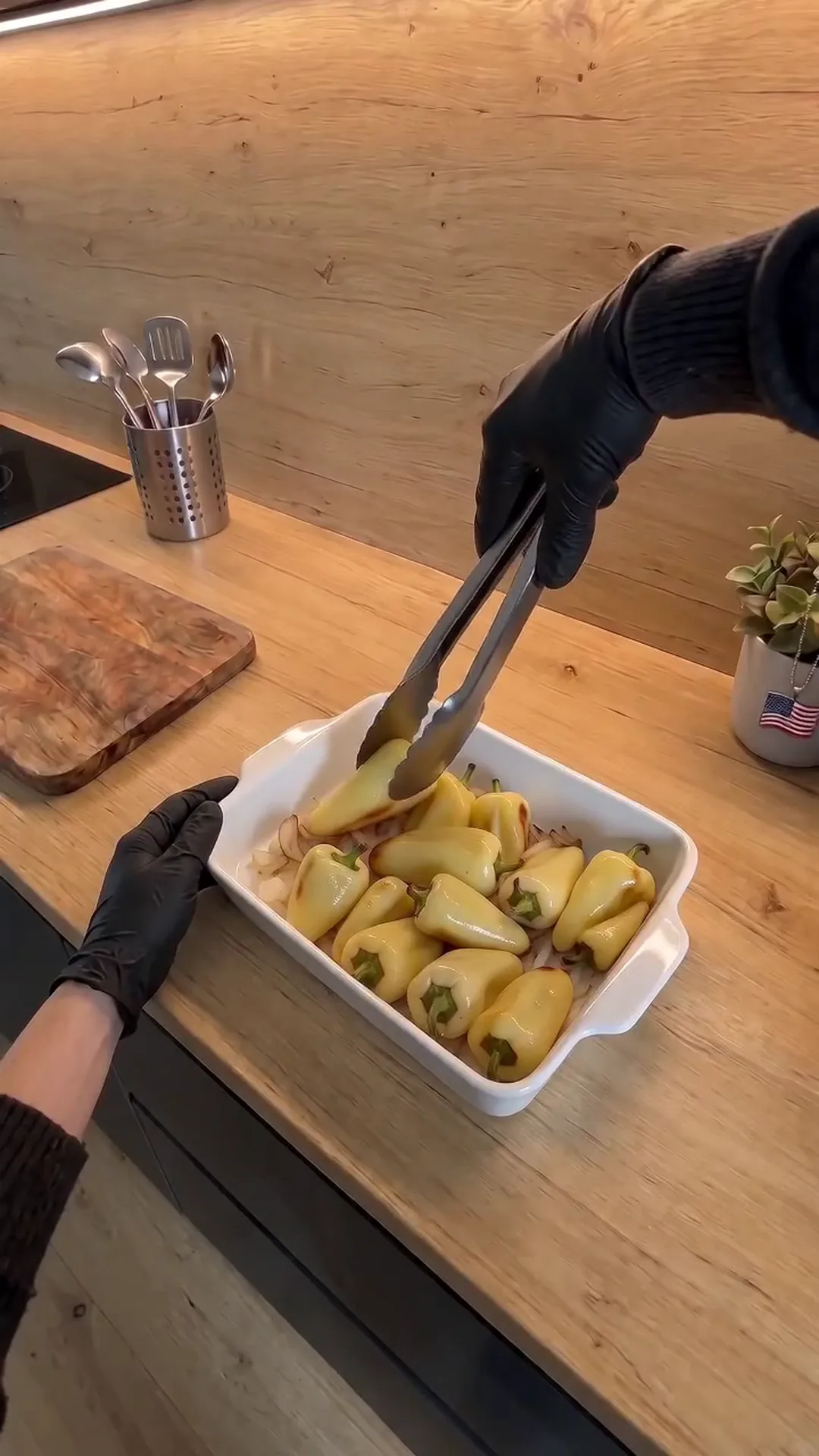
Once the chiles are perfectly blistered and tender, transfer them directly from the hot skillet onto the bed of cooked onions in your prepared serving dish. Arrange them neatly so that they are nestled among the onions. The heat from the peppers will help begin the process of softening the flesh immediately.
Step 7: Pierce the chiles
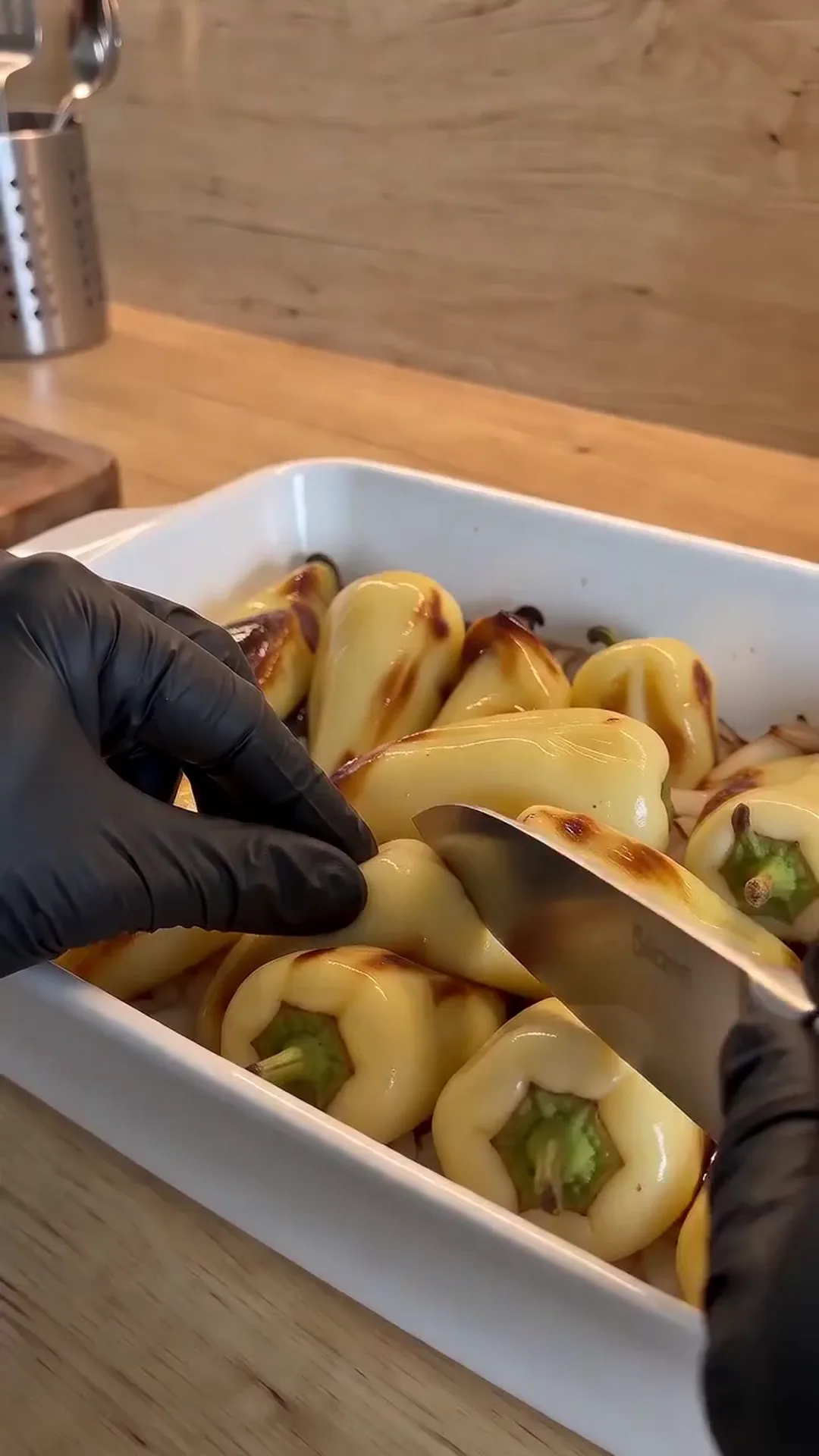
Using the tip of a paring knife, carefully pierce each hot chile 2 to 3 times along its length. This step is vital because it allows the savory citrus-soy marinade to penetrate deep inside the pepper. Be careful not to tear the skin, maintaining the structural integrity of the tender peppers.
Step 8: Add the soy sauce
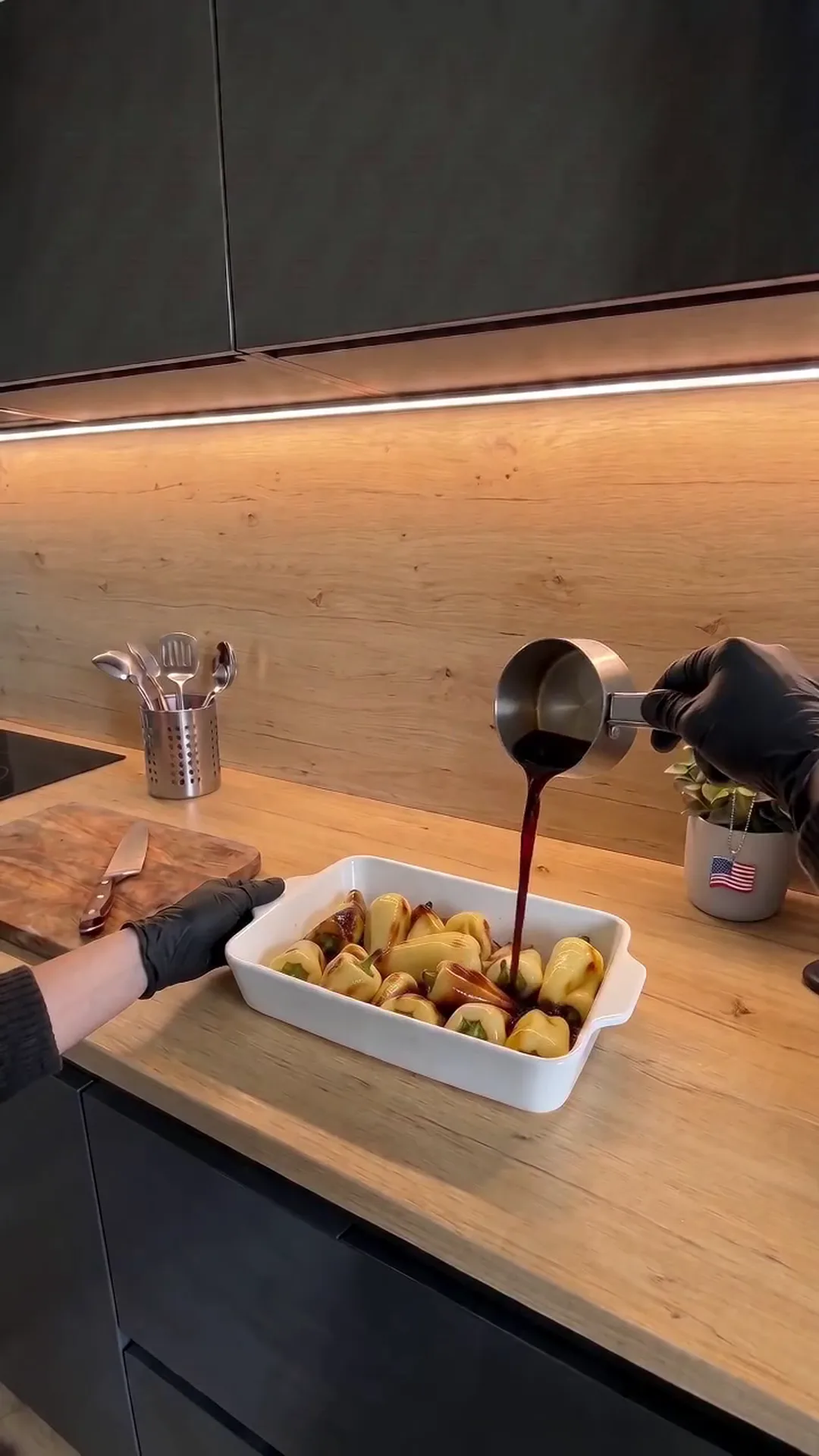
Pour the 1 cup of soy sauce evenly over the warm chiles and the underlying onions. Use the sauce to ensure that every pepper is coated with the liquid. The heat from the freshly roasted peppers will help the soy sauce begin to infuse the vegetables as they sit together.
Step 9: Add citrus and seasoning
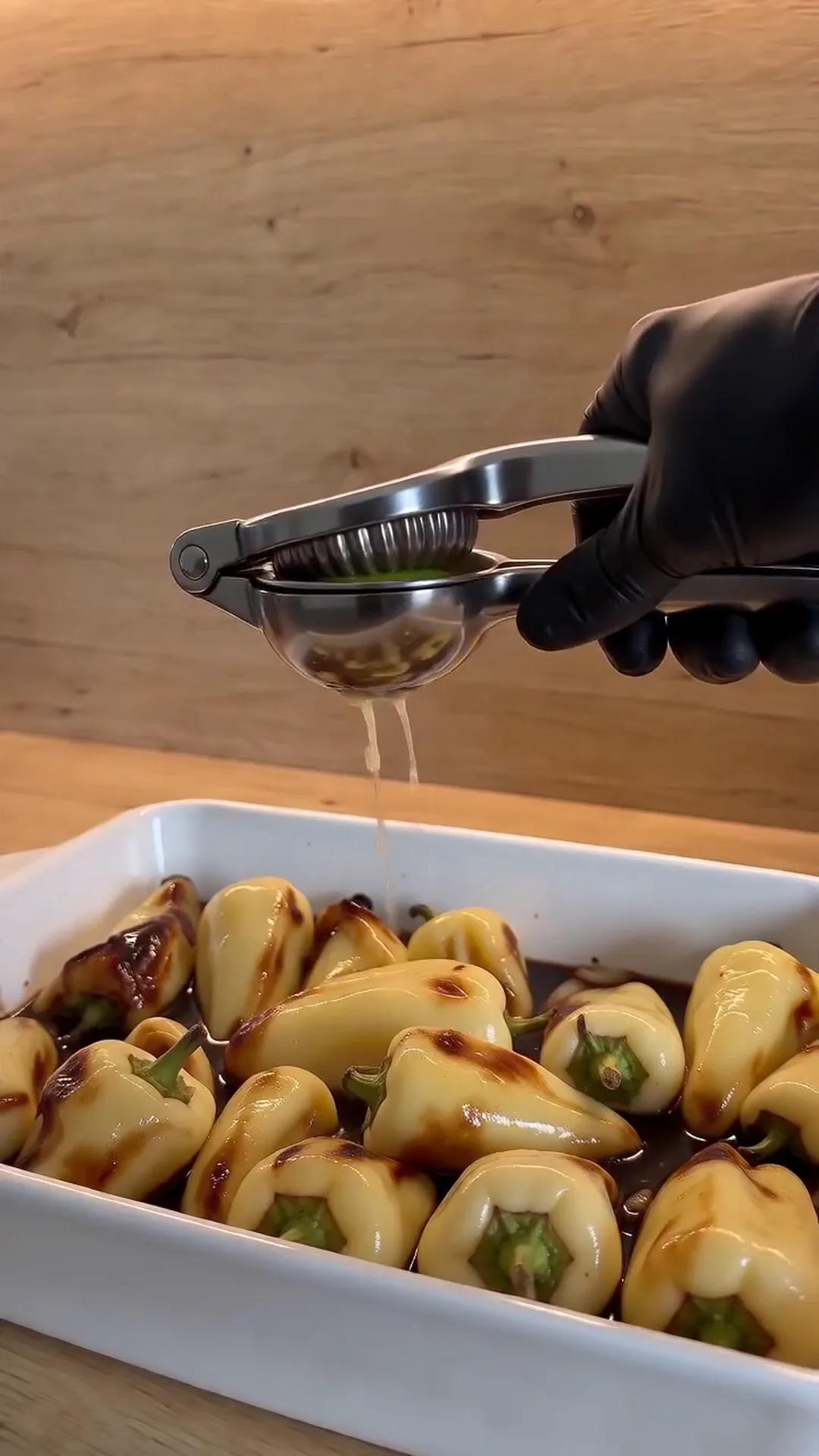
Using a citrus squeezer, squeeze the fresh juice from the 8 to 10 halved limes over the top of the mixture. Once the lime juice is distributed, dust the 1 tablespoon of lemon pepper seasoning evenly over the entire dish. The acidity of the lime cuts through the saltiness of the soy sauce perfectly here.
Step 10: Final toss and rest
Gently toss the chiles and onions to ensure everything is thoroughly coated in the citrus-soy liquid. Let the dish stand for 5 to 10 minutes before serving. This resting period allows the flavors to meld. Serve the chiles either warm or at room temperature for the best results.
Expert Tips
- Ensure the chiles are dried completely after washing before adding them to the hot skillet. This prevents oil from splattering and ensures the skins blister evenly and quickly.
- If you cannot find caribe chiles locally, yellow wax chiles, banana peppers, or Hungarian wax peppers provide a very comparable crispness and mild-to-medium heat.
- Consider letting the chiles rest in the marinade for 15 to 30 minutes. This extra time softens the pepper flesh further and intensifies the savory tang of the soy and lime.
- Use a cast-iron skillet if possible, as its heat retention is superior for achieving that deep, authentic char on the pepper skins in a short period.
- Always use fresh lime juice rather than bottled versions. The bright notes of freshly squeezed citrus are essential to balancing the heavy salt content of the soy sauce.
Variations
- Substitute the soy sauce with a coconut aminos alternative for a gluten-free version while maintaining the savory umami profile.
- Add some finely sliced fresh cilantro to the final garnish if you prefer an extra layer of herbal brightness in your finished dish.
- Use smoked paprika instead of lemon pepper if you want to lean into the smoky notes created by the charred pepper skins.
- Replace the white onions with toasted shallots at the end to add a nutty and sweet aromatic element to the chiles.
Serving Suggestions
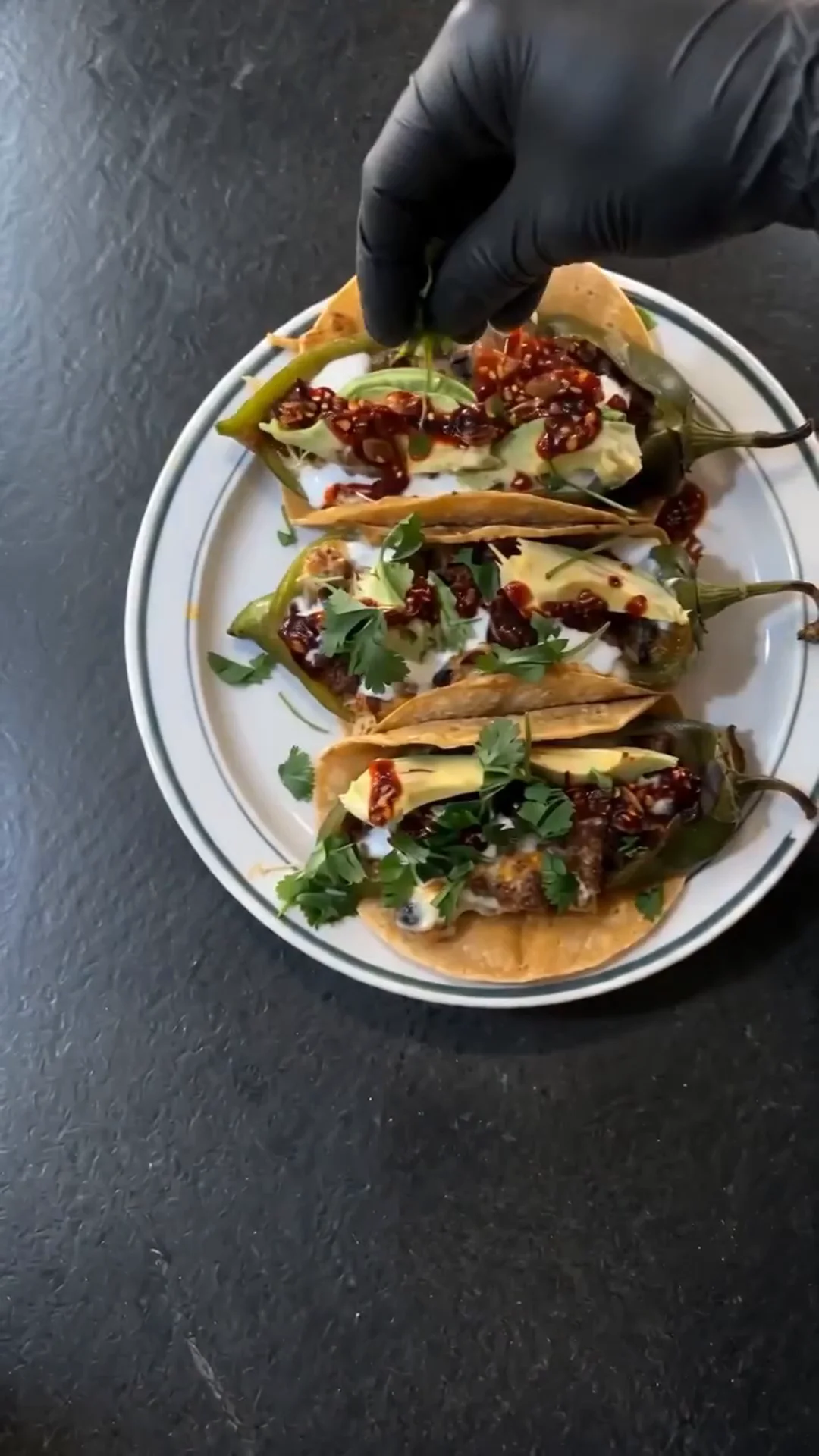
These Chiles Caribe Toreados are a spectacular accompaniment to many meals. Serve them alongside grilled white fish or flank steak to provide a bright contrast to the charred meats. They also work wonders as a topping for street tacos on corn tortillas with simple avocado and cilantro. For a vegetarian option, serve them over a bowl of fluffy white rice or quinoa with black beans, allowing the rice to soak up the delicious citrus-soy marinade juices.
Storage and Reheating
Store any leftover chiles in an airtight container in the refrigerator for up to four days. The flavors will actually continue to develop as they sit in the marinade overnight. To reheat, simply place them in a skillet over very low heat for a few minutes just until they are warmed through. This dish does not freeze well, as the texture of the blistered peppers can become mushy upon thawing, so it is best enjoyed while fresh or slightly chilled rather than frozen. For general guidance on how long cooked dishes keep, see these cold food storage charts.
Frequently Asked Questions
Can I use different peppers instead of caribe chiles?
Yes, you can use yellow wax chiles, banana peppers, or Hungarian wax peppers. These offer a similar texture and a mild-to-medium heat that works well with the marinade.
Why do I pierce the peppers after roasting?
Piercing the chiles allows the citrus-soy marinade to penetrate inside the pepper. Without this step, the flavor would only stay on the surface, leaving the interior taste unseasoned.
What is the best temperature to serve these at?
While they are excellent at room temperature, serving them warm is wonderful. Letting them rest for 10 minutes after assembly allows the flavors to meld, but serving them immediately highlights the fresh char.
Is it necessary to dry the peppers before cooking?
Yes, it is very important. Moisture on the surface of the peppers will result in steamed peppers rather than blistered ones. Dry peppers ensure you get that iconic charred and smoky skin.
Can I use other types of limes?
While Mexican Key limes are traditional for their size and intense acidity, large Persian limes are a perfect substitute. The goal is to provide enough fresh, acidic juice to balance the soy sauce.
Final Thoughts
These Chiles Caribe Toreados prove that a few simple ingredients can create an extraordinary culinary experience. By focusing on the technique of charring and marinating, you unlock a condiment that is as complex as it is easy. Whether added to your tacos or simply enjoyed on the side, these blistered peppers will quickly become a staple in your home cooking. Enjoy the perfect balance of smoky, salty, and zesty flavors in every single bite.
Printable Recipe: Blistered Caribe Chiles in Citrus Soy Marinade
Servings: 6 servings | Prep: 10 min | Cook: 12 min | Total: 22 min
Ingredients
For the Chiles Caribe Toreados
- 3 tablespoons neutral vegetable or avocado oil
- 1/2 medium white onion, finely diced
- 12 whole fresh caribe chiles (or güero / Santa Fe grande)
- 1 cup soy sauce
- 8 to 10 fresh Mexican Key limes, halved
- 1 tablespoon lemon pepper seasoning
Instructions
- Begin by placing your large stainless steel or cast-iron skillet over medium heat. Pour in the 3 tablespoons of neutral vegetable or avocado oil. Allow the oil to heat up until it is shimmering and hot, but not smoking. This high temperature is crucial for ensuring the onions sear properly rather than steaming in the bottom of the pan.
- Add the 1/2 finely diced white onion to the hot skillet. Use your rubber spatula to stir constantly, ensuring the onions are distributed evenly. Sauté the onions for approximately 3 to 4 minutes until they have become translucent and are releasing a fragrant aroma. The onions will form the flavorful base for your finished dish once the peppers are ready.
- Once the onions are perfectly translucent and fragrant, use your spatula to transfer them along with any residual oil from the skillet into a shallow serving dish or a large rimmed platter. Set this aside aside at room temperature while you prepare the chiles. Keeping the onions warm will help them soak up the marinade once it is added later.
- Place the empty skillet back onto the cooktop and adjust the heat to medium-low. Ensure your 12 fresh caribe chiles have been washed and thoroughly dried to prevent splattering. Place the whole chiles into the skillet in a single layer. Do not crowd the pan, as you want them to blister rather than cook in moisture.
- Sear the chiles by turning and rolling them frequently with your rubber spatula. You need to continue this process for about 7 to 8 minutes. You are looking for the skins to be thoroughly blistered, tender to the touch, and evenly charred in spots. This high-heat sear is what creates the signature smoky flavor that defines the Toreados style.
- Once the chiles are perfectly blistered and tender, transfer them directly from the hot skillet onto the bed of cooked onions in your prepared serving dish. Arrange them neatly so that they are nestled among the onions. The heat from the peppers will help begin the process of softening the flesh immediately.
- Using the tip of a paring knife, carefully pierce each hot chile 2 to 3 times along its length. This step is vital because it allows the savory citrus-soy marinade to penetrate deep inside the pepper. Be careful not to tear the skin, maintaining the structural integrity of the tender peppers.
- Pour the 1 cup of soy sauce evenly over the warm chiles and the underlying onions. Use the sauce to ensure that every pepper is coated with the liquid. The heat from the freshly roasted peppers will help the soy sauce begin to infuse the vegetables as they sit together.
- Using a citrus squeezer, squeeze the fresh juice from the 8 to 10 halved limes over the top of the mixture. Once the lime juice is distributed, dust the 1 tablespoon of lemon pepper seasoning evenly over the entire dish. The acidity of the lime cuts through the saltiness of the soy sauce perfectly here.
- Gently toss the chiles and onions to ensure everything is thoroughly coated in the citrus-soy liquid. Let the dish stand for 5 to 10 minutes before serving. This resting period allows the flavors to meld. Serve the chiles either warm or at room temperature for the best results.
Related recipes: Miso Glazed Cabbage Flowers with Tahini and Cashews, Air Fryer Smoked Turkey, Tomato & Mozzarella Tortilla, Baked Cabbage Steaks with Ground Beef, Tomato and Cheese, Cheesy Broccoli Meat Stacks with Roasted Cauliflower, Cheesy Cauliflower and Smoked Turkey Casserole Bake.
Learn more: Blistered on Wikipedia · food storage & safety (FoodSafety.gov).
◆ ◆ ◆
← Back to Blistered Caribe Chiles in Citrus Soy MarinadeGet new recipes
One tasty homemade recipe in your inbox each week. No spam, unsubscribe anytime.


Comments