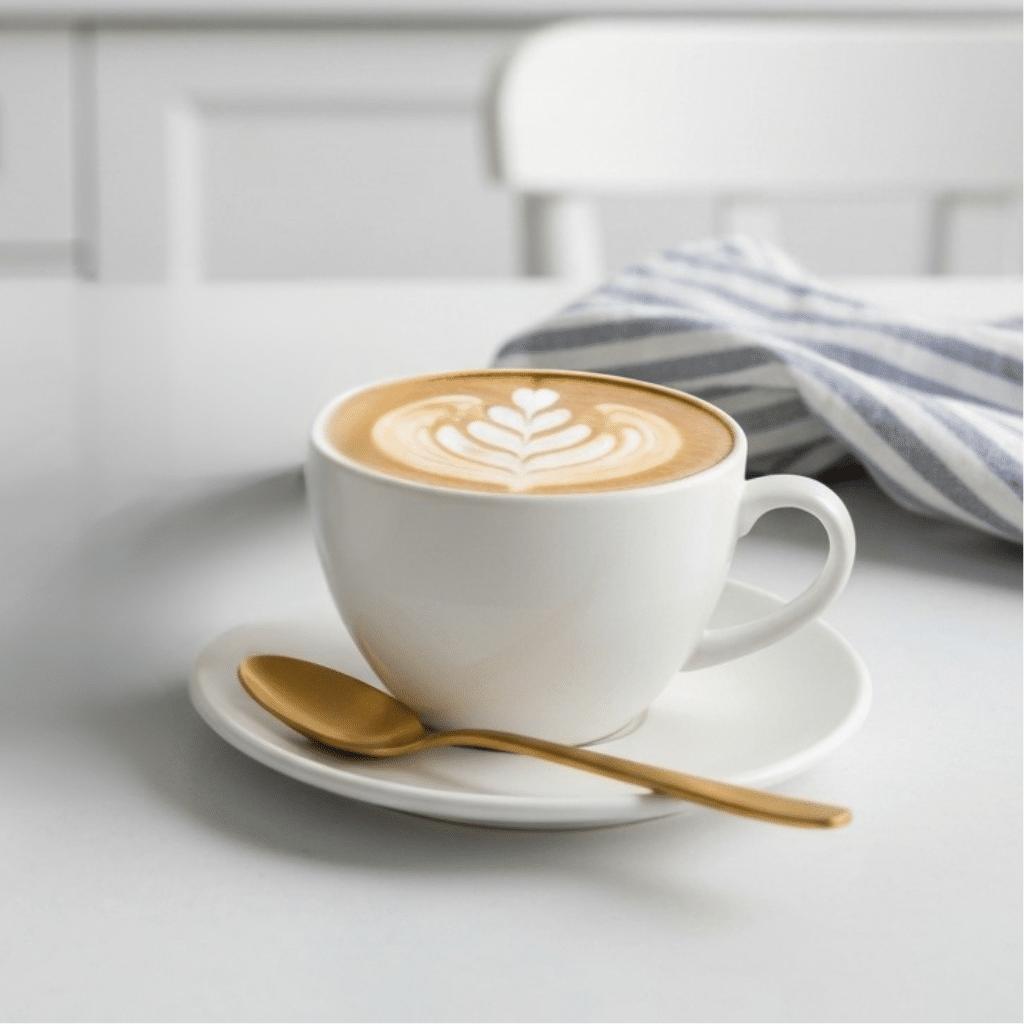
There’s something truly magical about a well-crafted cup of coffee lattes. It’s not just a drink; it’s a moment of comfort, a daily ritual that warms the soul and brings a smile to your face. Whether you’re starting your morning or taking a peaceful afternoon break, coffee lattes offer that perfect balance of rich espresso and creamy, frothed milk that feels like a hug in a mug.
I remember the first time I had a proper coffee latte. It was in a little café on a rainy day, and the barista handed me a cup with a beautiful heart-shaped foam design. From that moment, I was hooked. I knew I had to learn how to recreate that warmth and joy at home, and over the years, I’ve perfected my method to share with you.
Many of you have asked, “How do I make a coffee latte at home?” or “Can I make a latte without an espresso machine?” Well, my friends, the answer is yes, and it’s easier than you think. Let’s dive into the cozy world of homemade coffee lattes.
Table of Contents
Table of Contents
Ingredients You’ll Need
Gathering your ingredients is the first step to creating a delightful coffee latte. Here’s what you’ll need: (learn more here)
- 2 shots of espresso or 1/2 cup of strongly brewed coffee
- 1 cup of whole milk
- 1-2 teaspoons of sugar or sweetener of choice (optional)
- A pinch of ground cinnamon or cocoa powder for garnish (optional)
Estimated Prep & Cook Time for coffee lattes
One of the joys of coffee lattes is how quickly they come together. Here’s a simple breakdown of the time involved:
| Activity | Time |
|---|---|
| Preparation | 5 minutes |
| Cooking / Brewing | 5 minutes |
| Total Time | 10 minutes |
Yes, in just about 10 minutes, you can have a café-quality coffee latte right in your own kitchen. It’s perfect for busy mornings or when you need a quick pick-me-up. This efficiency makes coffee lattes a staple for anyone seeking a little luxury without the wait.
I often find that this short time frame allows for mindfulness. As you heat the milk and brew the coffee, it’s a chance to pause, breathe, and prepare for the day. Coffee lattes become more than a beverage; they’re a mini-retreat.
Recommended Tools You’ll Need
- Small saucepan
- Thermometer
- Silicone spatula
- Espresso machine or coffee brewer
- Wire whisk
- Large mug
- Spoon
- Fine mesh sieve
Step-by-Step Instructions
Now, let’s walk through the process of making your very own coffee lattes. Follow these steps, and you’ll be sipping perfection in no time. Each step is designed to be simple and intuitive, just like sharing a recipe with a friend at my kitchen table.
- Using measuring cups, measure out 1 cup of whole milk and pour it into a small saucepan.
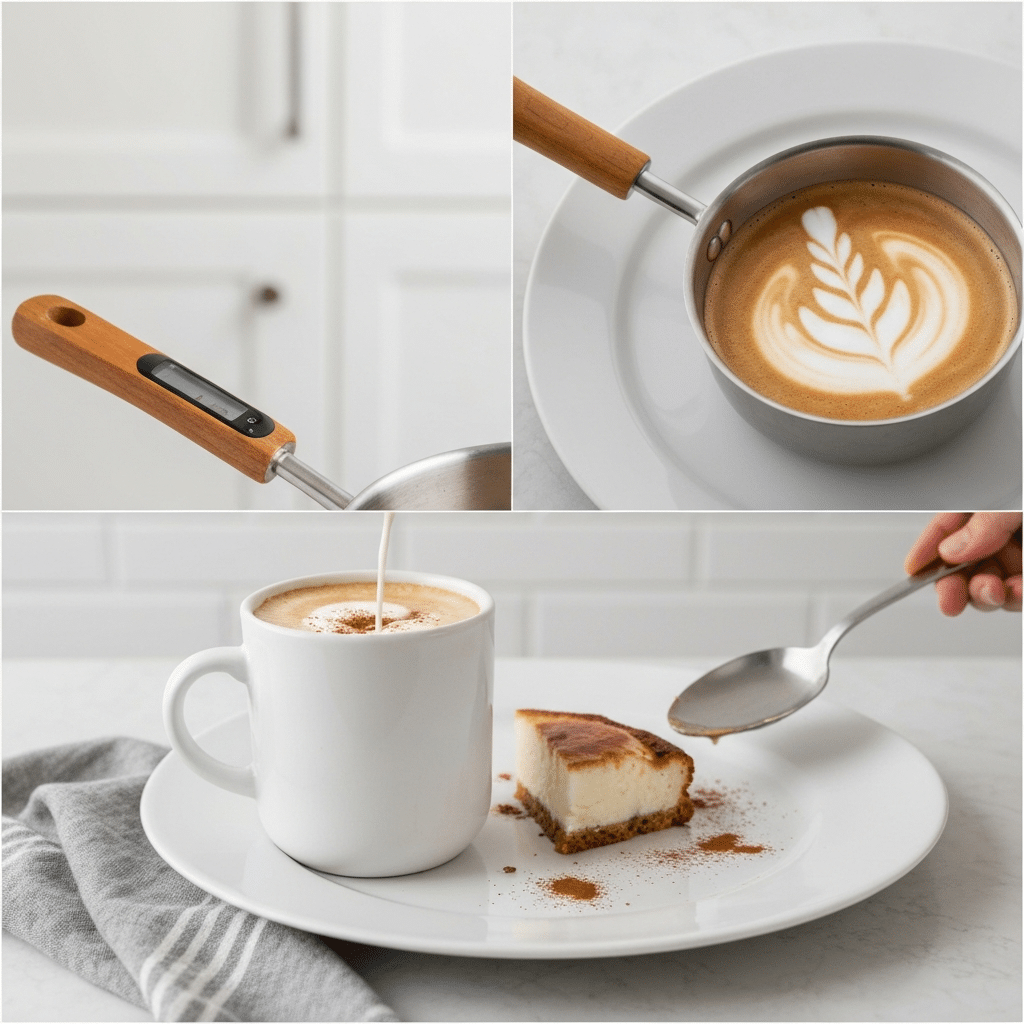
- Place the saucepan over medium heat and attach a thermometer to the side. Heat the milk until it reaches 150-160°F, stirring occasionally with a silicone spatula.
- While the milk heats, brew 2 shots of espresso or 1/2 cup of strong coffee using your preferred method.
- Once the milk is heated, remove it from the heat and use a wire whisk to vigorously whisk the milk until it becomes frothy and doubles in volume.
- Pour the brewed coffee into a large mug. Then, slowly pour the frothed milk over the coffee, using a spoon to hold back the foam if desired.
- If using sweetener, add sugar or syrup to taste and stir gently with a spoon.
- For garnish, sprinkle a pinch of ground cinnamon or cocoa powder on top using a fine mesh sieve.
- Serve immediately and enjoy your homemade coffee latte.
Pro Tips & Tasty Tweaks
Over the years, I’ve picked up a few tricks to make your coffee lattes even more special. Here are some of my favorites, shared with love from my kitchen to yours.
- Flavor Swap: Try using flavored syrups like vanilla or caramel instead of sugar for a different twist on your coffee lattes. A dash of pure vanilla extract stirred into the milk before frothing can also work wonders.
- Diet Tweak: If you’re avoiding dairy, almond milk or oat milk can work beautifully in coffee lattes, though they may froth differently. Experiment to find your favorite non-dairy base.
- Prep Fix: To save time in the morning, you can brew your coffee ahead of time and reheat it gently before making your coffee lattes. Just avoid boiling to preserve flavor.
- Storage Tip: Coffee lattes are best enjoyed fresh, but if you have leftover frothed milk, store it in the fridge and use it within a day for another cup. The foam may settle, but a quick whisk revives it.
Healthier Alternatives for coffee lattes
If you’re looking to lighten up your coffee lattes, there are plenty of simple swaps you can make. For instance, you can use skim milk or a non-dairy alternative like almond milk to reduce calories. Instead of sugar, try a natural sweetener like honey or stevia. And for garnish, a dash of cinnamon not only adds flavor but also has health benefits.
Many people ask, “Can I make a healthier coffee latte?” Absolutely! By choosing low-fat milk and skipping the sweetener, you can enjoy a guilt-free version of your favorite drink. Another option is to use unsweetened cocoa powder for garnish, which adds antioxidants without extra sugar.
Here’s a quick comparison of milk options for coffee lattes to help you decide:
| Milk Type | Calories per Cup | Best for Frothing |
|---|---|---|
| Whole Milk | 150 | Excellent |
| Skim Milk | 80 | Good |
| Almond Milk | 30 | Fair |
| Oat Milk | 120 | Very Good |
As you can see, there are options for every preference. Experiment to find what works best for your coffee lattes. Remember, the goal is to enjoy your drink while feeling good about your choices. Sometimes, a smaller portion of the full-fat version can be more satisfying than a larger, lighter one. (check out this recipe)
I often opt for organic whole milk in my coffee lattes because I appreciate its richness and natural qualities. But on days when I want something lighter, a splash of oat milk does the trick. It’s all about balance and listening to your body.
How to Serve coffee lattes
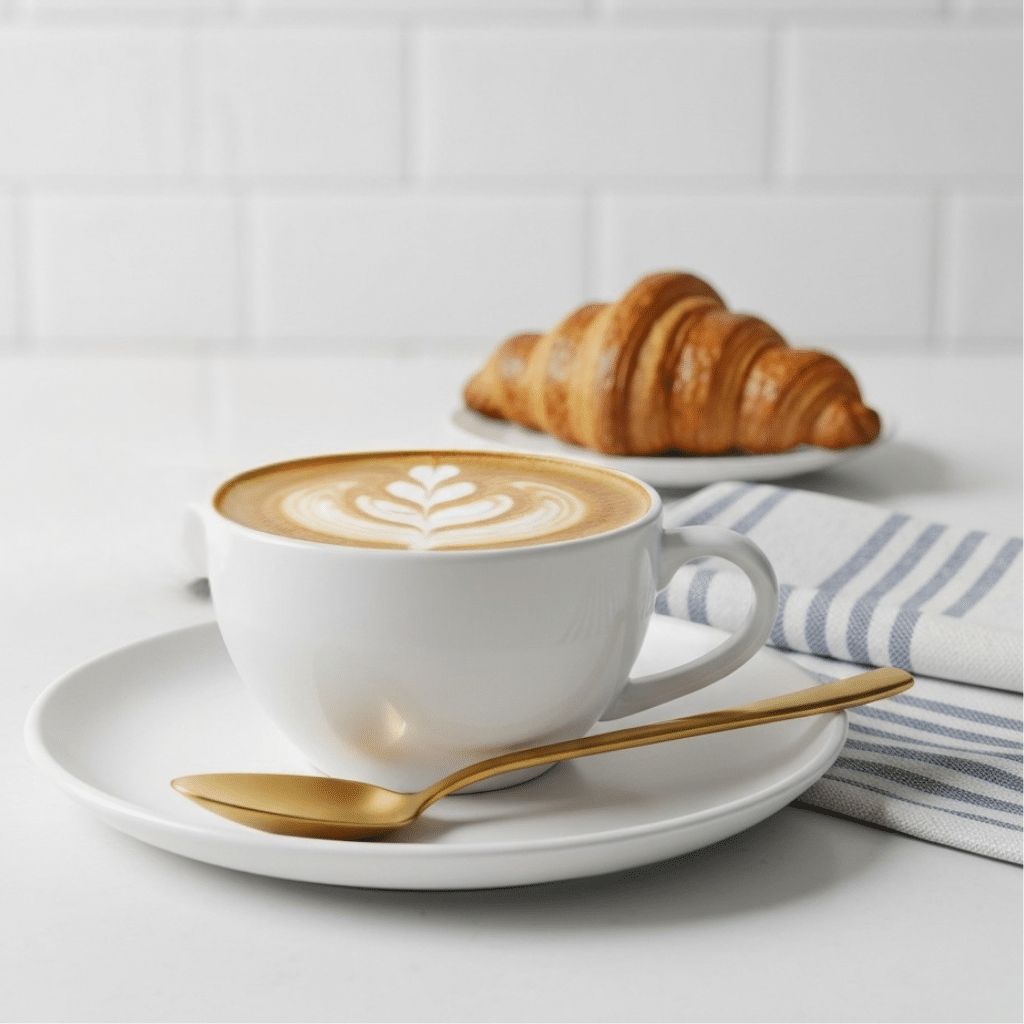
Serving coffee lattes is all about the experience. I love to pour mine into a favorite ceramic mug—the one with the little chip on the handle that reminds me of my grandmother. Pair your coffee latte with a buttery croissant or a simple biscotti for a classic café treat. The combination of warm, creamy coffee and a sweet pastry is timeless. (read our guide)
For a special touch, try serving coffee lattes in clear glass mugs to show off the beautiful layers. And don’t forget the garnish! A sprinkle of cocoa powder or cinnamon adds both flavor and visual appeal. If you’re hosting friends, consider setting up a small coffee bar with various syrups and toppings so everyone can customize their coffee lattes. (learn more here)
In the summer, iced coffee lattes are a wonderful way to cool down. Serve them in tall glasses with a straw and a sprig of mint. The versatility of coffee lattes means they can be enjoyed year-round, adapting to the seasons and your mood. Whether hot or cold, the essence of comfort remains.
Frequently Asked Questions
How do I make a coffee latte at home?
Making a coffee latte at home is simple with the right tools and ingredients. Start by heating and frothing your milk, then brew strong coffee or espresso. Combine them in a mug, add sweetener if desired, and enjoy your homemade coffee latte. The key is to practice frothing the milk until you get that creamy texture. (learn more here)
What is the best milk for a coffee latte?
Whole milk is often considered the best for coffee lattes because it froths beautifully and adds a rich creaminess. However, you can use any milk you prefer, including non-dairy options like oat or almond milk. Each type brings a unique flavor and texture to your coffee lattes.
Can I make a latte without an espresso machine?
Absolutely! You can make a delicious coffee latte without an espresso machine by using strongly brewed coffee from a drip coffee maker, French press, or even instant coffee. The key is to have a robust coffee flavor that can stand up to the milk.
How to froth milk for a latte without a steamer?
To froth milk without a steamer, heat the milk on the stove and then whisk it vigorously with a wire whisk until frothy. You can also use a handheld milk frother or even a jar with a lid by shaking it after heating. This method works perfectly for homemade coffee lattes. (more inspiration)
What is the difference between a latte and a cappuccino?
The main difference between a latte and a cappuccino is the ratio of milk to foam. A coffee latte has more steamed milk and a thin layer of foam, while a cappuccino has equal parts espresso, steamed milk, and foam. Both are delightful, but lattes are creamier.
How can I make a vanilla latte at home?
To make a vanilla latte at home, simply add a teaspoon of vanilla syrup or extract to your coffee before pouring in the frothed milk. Stir gently and garnish as usual for a sweet twist on coffee lattes. It’s a comforting variation that feels like a dessert in a cup. (more inspiration)
What coffee beans are best for making lattes?
For coffee lattes, medium to dark roast coffee beans are ideal as they provide a strong flavor that stands up to the milk. Espresso blends are particularly good for creating that authentic latte taste. Freshly ground beans will always enhance your coffee lattes. (helpful resource)
How do I make an iced coffee latte easily?
To make an iced coffee latte, brew your coffee and let it cool. Fill a glass with ice, pour the coffee over, then add cold frothed milk or milk poured over ice. Sweeten as desired for a refreshing drink. It’s a quick way to enjoy coffee lattes on a warm day. (more inspiration)
Can I use non-dairy milk in a coffee latte?
Yes, you can use non-dairy milk in coffee lattes. Options like oat milk, almond milk, and soy milk can work well, though they may require different techniques for frothing. Experiment to find your favorite, as each adds its own character to coffee lattes. (helpful resource)
Conclusion
Creating your own coffee lattes at home is a rewarding experience that brings a touch of café luxury into your daily routine. With just a few simple ingredients and tools, you can craft a drink that’s tailored to your taste, whether you prefer it sweet, strong, or with a healthier twist. The process itself becomes a cherished ritual, a few minutes of peace in a busy world.
I hope this guide inspires you to embrace the art of making coffee lattes. Remember, the best part is the joy it brings—to you and to those you share it with. So, warm up your mug, froth that milk, and savor every sip of your homemade coffee latte. It’s more than a beverage; it’s a little act of self-care and connection. (more inspiration)
I’d love to hear about your coffee latte adventures! Share your creations and variations in the comments below. Until next time, happy brewing! May your days be filled with warmth, comfort, and perfectly crafted coffee lattes. (check out this recipe)
Print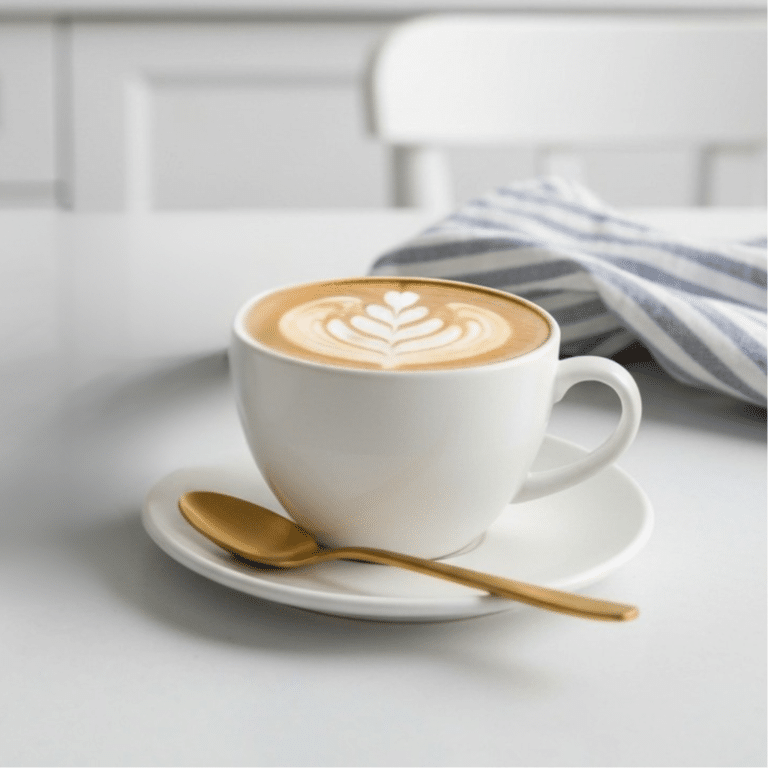
Coffee Lattes
This Coffee Latte Recipe guides you to make a barista-quality drink at home. Enjoy creamy steamed milk and rich espresso.
- Total Time: 10
- Yield: 4 servings 1x
Ingredients
2 shots of espresso or 1/2 cup of strongly brewed coffee
1–2 teaspoons of sugar or sweetener of choice (optional)
A pinch of ground cinnamon or cocoa powder for garnish (optional)
Instructions
1. Using measuring cups, measure out 1 cup of whole milk and pour it into a small saucepan.
2. Place the saucepan over medium heat and attach a thermometer to the side. Heat the milk until it reaches 150-160°F, stirring occasionally with a silicone spatula.
3. While the milk heats, brew 2 shots of espresso or 1/2 cup of strong coffee using your preferred method.
4. Once the milk is heated, remove it from the heat and use a wire whisk to vigorously whisk the milk until it becomes frothy and doubles in volume.
5. Pour the brewed coffee into a large mug. Then, slowly pour the frothed milk over the coffee, using a spoon to hold back the foam if desired.
6. If using sweetener, add sugar or syrup to taste and stir gently with a spoon.
7. For garnish, sprinkle a pinch of ground cinnamon or cocoa powder on top using a fine mesh sieve.
8. Serve immediately and enjoy your homemade coffee latte.
Notes
Avoid overcooking to maintain the best texture and moisture.
Serve your coffee lattes warm for the best flavor and experience.
- Prep Time: 5
- Cook Time: 5
- Category: Gut Drinks
- Method: Stovetop
- Cuisine: French
- Diet: Vegan
Nutrition
- Serving Size: 1 serving
- Calories: 260
- Sugar: 20
- Sodium: 300
- Fat: 8
- Saturated Fat: 3
- Unsaturated Fat: 4
- Trans Fat: 0
- Carbohydrates: 25
- Fiber: 2
- Protein: 5
- Cholesterol: 10