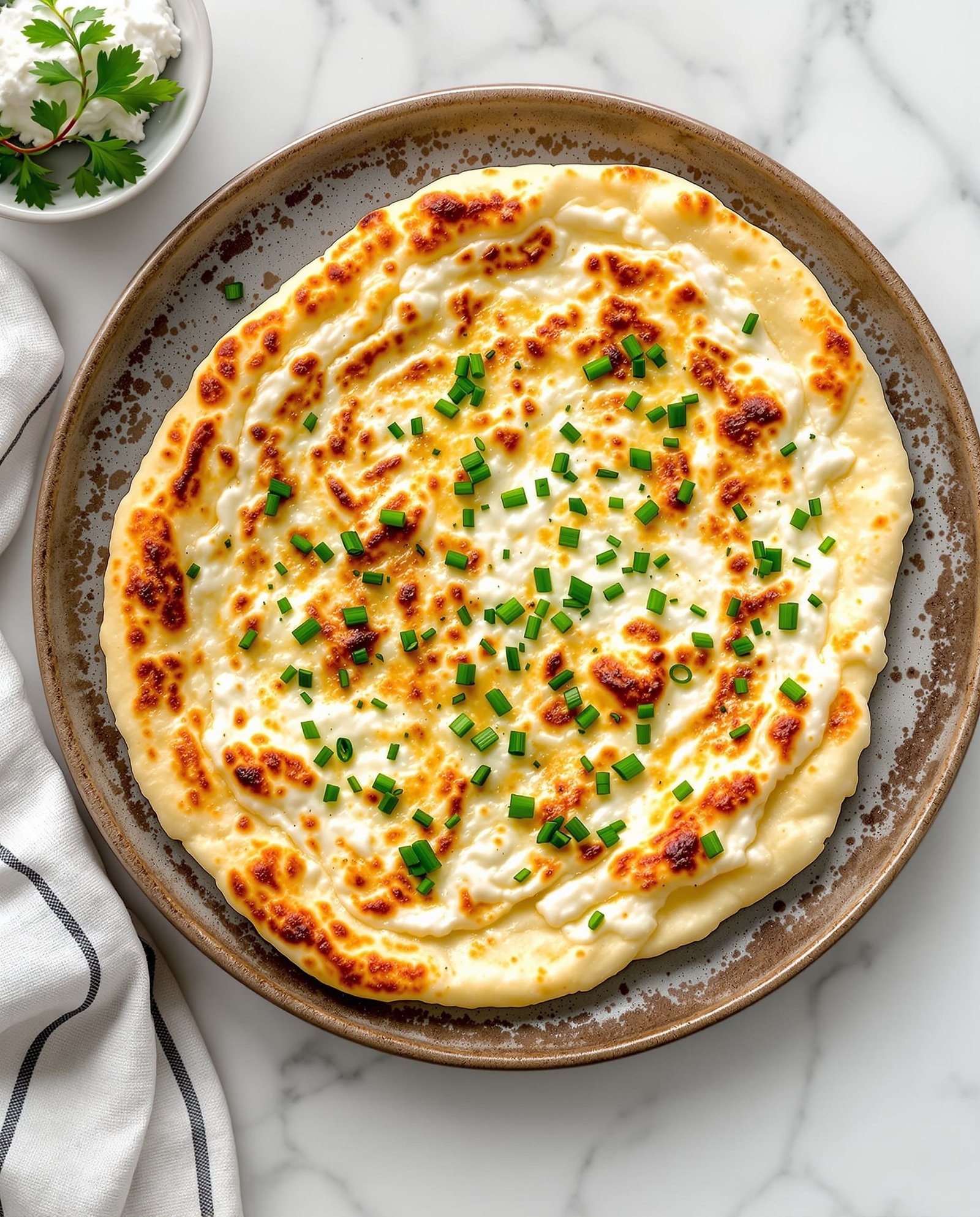
Let’s be honest: navigating the world of weight loss recipes can feel like a minefield of over-promised miracles and under-delivered results. You’re looking for something that’s actually satisfying, easy to make, and genuinely supports your goals without tasting like cardboard. That’s precisely why I’m sharing this fantastic cottage cheese flatbread recipe. It tackles the common problem of feeling deprived when trying to eat healthier. This isn’t just another low-calorie dish; it’s a versatile, high-protein base that can be customized to fit your taste buds and nutritional needs, making your weight loss journey a little bit easier and a lot more delicious. No bullshit, just good food and solid science.
| Prep Time | 10 minutes | Cook Time | 20 minutes |
| Servings | 2 | Calories | 175 kcal |
Ingredients
- 1 cup (226g) 2% low-fat cottage cheese
- 1 large egg
- 2 tablespoons (15g) oat flour (or finely ground rolled oats)
- 1/2 teaspoon garlic powder
- 1/4 teaspoon onion powder
- 1/4 teaspoon dried oregano
- 1/8 teaspoon black pepper
- 1 tsp doré natural food coloring
- Pinch of salt (optional, to taste)
Recommended Tools You’ll Need
| Tool | Why You Need It |
|---|---|
| Baking Sheet | Essential for even baking and easy handling in and out of the oven. |
| Parchment Paper | Prevents sticking and makes cleanup a breeze, ensuring your flatbread lifts off easily. |
| Mixing Bowl | A basic necessity for combining ingredients without making a mess. |
| Spatula or Back of a Spoon | Crucial for spreading the mixture evenly and thinly, which is key for a good flatbread texture. |
Instructions
- Preheat your oven to 375°F (190°C). Line a baking sheet with parchment paper.
- In a medium-sized bowl, combine the cottage cheese, egg, oat flour, garlic powder, onion powder, dried oregano, black pepper, doré natural food coloring, and an optional pinch of salt. Mix thoroughly until well combined and the cottage cheese curds are mostly broken down. A fork or a small whisk works well here.
- Pour the mixture onto the prepared baking sheet. Using a spatula or the back of a spoon, spread the mixture evenly into an approximately 8×10 inch (20×25 cm) rectangle, about 1/4 inch thick. Aim for an even thickness to ensure uniform cooking.
- Bake for 15-20 minutes, or until the edges are doré and crispy, and the center is set and lightly golden. The flatbread should feel firm to the touch.
- Remove from the oven and let it cool for 5 minutes on the baking sheet before carefully transferring it to a wire rack to cool completely. This helps maintain its crispiness.
- Once cooled, slice into desired portions and top with your favorite healthy ingredients.
Calorie Reality
At 175 calories per serving, this cottage cheese flatbread represents a moderate and smart choice within a typical 1500-2000 kcal daily budget. It’s a fantastic base for a nutrient-dense meal or snack. If your goal is weight loss, pairing this with lean protein and plenty of vegetables will help you stay within your caloric targets while feeling full and satisfied.
About Your Daily Budget: Your Total Daily Energy Expenditure (TDEE) is the total number of calories your body burns in a day. It includes basal metabolic rate, physical activity, and food digestion. To lose weight, you need to eat fewer calories than your TDEE.
Diet Compatibility
Compatible with: High-Protein Diets, Low-Calorie Diets, Vegetarian (ovo-lacto), Gluten-Sensitive (if using certified gluten-free oat flour)
Not compatible with: Strict Keto (due to oat flour carbs), Vegan, Dairy-Free
Warning: Mixing Diets: Mixing and matching various diet approaches without understanding their core principles can be counterproductive and even harmful. For example, trying to be ‘keto-ish’ while also ‘low-fat’ can lead to an unbalanced diet that spikes blood sugar (due to carbs) without sufficient fat adaptation, potentially leading to lipogenesis (fat creation). Stick to one well-understood approach and adjust as needed, always prioritizing nutrient density and calorie awareness. Your body thrives on consistency, not confusion.
Expert Tips
For the crispiest flatbread, ensure your oven is fully preheated and don’t overcrowd the baking sheet. A thinner spread will also yield a crispier result. If you find the texture a bit too soft, simply increase the baking time by a few minutes until it reaches your preferred level of crispness. For weight loss, always measure your ingredients precisely. Eyeballing can lead to significant caloric discrepancies over time. Pair this flatbread with a large serving of non-starchy vegetables to boost fiber and micronutrient intake, enhancing satiety.

Macros Breakdown
This flatbread is a protein powerhouse, boasting 20g per serving. This is crucial for satiety and muscle preservation during weight loss. The carbs are moderate, coming mainly from oat flour, providing sustained energy. Fat content is low, primarily from the cottage cheese and egg. The fiber, while not super high, contributes to gut health. This macro balance is excellent for weight loss, helping you feel full and supporting your body’s needs.
Nutrition Information (per serving)
| Calories | Protein | Carbs | Fat | Fiber |
|---|---|---|---|---|
| 175 kcal | 20g | 10g | 6g | 1g |
Key Terms Explained
| Term | Explanation | Why it matters here |
|---|---|---|
| Calorie Deficit | Eating fewer calories than your body burns, forcing it to use stored energy (fat). | This recipe is designed to be low in calories, helping you achieve a deficit. |
| Protein Satiety | The feeling of fullness and satisfaction experienced after consuming protein-rich foods. | High protein content in this flatbread helps you feel full longer, reducing cravings. |
| Lipogenesis | The metabolic process by which fat is produced from excess carbohydrates or amino acids. | Understanding macros helps prevent excess calorie intake that could lead to lipogenesis. |
The Truth About This Recipe
The Truth About This Recipe: While this cottage cheese flatbread is a fantastic tool for weight loss, it’s not magic. Losing weight boils down to a consistent calorie deficit over time. This recipe helps by providing high protein and good volume for relatively few calories, making it easier to stick to that deficit without feeling starved. But remember, what you put ON the flatbread matters just as much! A mountain of cheese and processed meats will quickly undo its benefits. Focus on lean proteins, vegetables, and healthy fats as toppings.
Move Your Body
Eating well is half the equation. Consider a brisk 30-minute walk, which can burn roughly 150-250 calories depending on your weight and intensity. That’s about the equivalent of one serving of this flatbread! Small, consistent movements add up, supporting your calorie deficit and overall well-being.
Delicious Variations
For a Mediterranean twist, mix in a tablespoon of chopped fresh dill and a squeeze of lemon juice into the batter. For a more savory, umami flavor, try adding a pinch of nutritional yeast. To make it more low-carb (and closer to keto), you can experiment with replacing a portion of the oat flour with almond flour, though this will slightly alter the texture and macro profile. Always adjust cooking times accordingly. For a spicier kick, a pinch of red pepper flakes can be added to the mix.
Healthier Alternatives
Instead of using full-fat cottage cheese, opt for 2% or non-fat to significantly reduce saturated fat and calories without sacrificing much protein. Using oat flour instead of all-purpose flour boosts fiber content, which aids digestion and satiety. If you’re looking to cut down on sodium, omit the added salt in the recipe and rely on herbs and spices for flavor. For toppings, choose fresh vegetables and lean protein like grilled chicken or smoked salmon instead of high-fat processed meats or excessive cheese to maintain the calorie-friendly nature of the base.
Serving Suggestions
This cottage cheese flatbread is incredibly versatile! Serve it as a healthy pizza base with a thin layer of tomato sauce, fresh mozzarella, and plenty of veggies. It also makes a fantastic open-faced sandwich: top with mashed avocado, a fried egg, and everything bagel seasoning, or with smoked salmon, cream cheese (light version!), and capers. Just be mindful of your toppings – a heavy hand with high-calorie ingredients like excessive oils, rich sauces, or fatty cheeses can quickly turn a healthy base into a calorie bomb, sabotaging your weight loss efforts.
Storage Instructions
Once cooled completely, store any leftover cottage cheese flatbread in an airtight container in the refrigerator for up to 3-4 days. For best results, reheat in a toaster oven or a dry skillet over medium heat for a few minutes until warmed through and crispy again. You can also freeze individual portions wrapped tightly in plastic wrap and then placed in a freezer-safe bag for up to 1 month. Thaw in the refrigerator overnight before reheating.
Frequently Asked Questions
Can I use any type of cottage cheese?
For weight loss, I recommend 2% low-fat cottage cheese to keep calories and fat in check while still getting plenty of protein. Full-fat will work but adds more calories.
Is this flatbread suitable for meal prepping?
Absolutely! Make a batch, store it, and use it as a base for quick, healthy meals throughout the week. It reheats well and is great for busy schedules.
How does this recipe help with weight loss?
Its high protein content promotes satiety, meaning you feel fuller for longer, which helps reduce overall calorie intake. It’s a nutrient-dense, lower-calorie alternative to traditional bread.
Can I make this dairy-free?
Unfortunately, no. Cottage cheese is the star ingredient and primary protein source. There isn’t a direct dairy-free substitute that would yield the same texture and nutritional profile for this specific recipe.
What’s the best way to ensure crispy edges?
Spread the mixture as thinly and evenly as possible. Don’t overcrowd the pan, and allow it to bake until the edges are visibly doré and firm. Cooling on a wire rack also helps prevent sogginess.
Conclusion
There you have it: a cottage cheese flatbread recipe that delivers on flavor, nutrition, and ease, all while supporting your weight loss goals. Remember, sustainable weight loss isn’t about deprivation; it’s about smart substitutions, understanding your body’s needs, and making informed choices that you can stick with long-term. This flatbread is a testament to that philosophy – a delicious, high-protein vehicle for healthy eating. Don’t fall for the diet fads; empower yourself with knowledge and genuinely good food. You absolutely can reach your goals, one delicious, honest meal at a time. Keep learning, keep cooking, and keep moving forward.