Classic Homemade English Muffin for Eggs Benedict
↓ Jump to Recipe
Learn how to make a classic English muffin for eggs benedict right in your own kitchen. These homemade muffins feature that signature airy texture.
There is nothing quite like a homemade English muffin for eggs benedict to elevate your weekend breakfast ritual. These muffins are crafted with a high-hydration dough that creates the iconic craggy, porous interior essential for soaking up hollandaise sauce. Unlike store-bought versions that often feel dense, our recipe relies on a gentle fermentation process to build flavor and structure. By griddling them slowly, we ensure a crisp exterior crust while keeping the inside light and tender. You will find that these fresh muffins provide a far superior base for your poached eggs and sautéed greens. Follow this guide to master the art of the traditional English muffin from scratch.
Table of Contents
Table of Contents
Ingredients
- 3 cups (375g) all-purpose flour
- 1 cup (240ml) warm whole milk (110F/43C)
- 2 tablespoons (28g) unsalted butter, melted
- 1 tablespoon (12g) granulated sugar
- 1 1/2 teaspoons (5g) instant yeast
- 1 teaspoon (6g) fine sea salt
- 1/4 cup (30g) cornmeal, for dusting
- 1 tablespoon (14g) neutral oil, for the pan
- 1/2 cup (120ml) warm water
- 1/2 teaspoon (2g) diastatic malt powder (optional, for color)
- Pinch of extra flour for dusting
To create the perfect base for your morning meal, you need simple, high-quality pantry staples. These ingredients work together through fermentation to create the classic, airy crumb structure that defines a true breakfast staple.
Ensure your milk is at the correct temperature, as this directly affects the yeast activation. Using a touch of cornmeal on the bottom prevents sticking and adds that signature authentic crunch we all love.
Essential Kitchen Tools
| Tool | Purpose |
|---|---|
| Cast Iron Skillet | Provides even heat distribution for a consistent crust |
| Round Cutter | Ensures uniform shape and thickness for even cooking |
| Digital Thermometer | Confirms the center is cooked through at 200F/93C |
| Wire Cooling Rack | Prevents the bottoms from becoming soggy after cooking |
Why This Recipe Works
The Secret to the Nooks and Crannies
This recipe succeeds because it respects the fermentation time. By allowing the dough to rise properly, we build a complex gluten network that traps air bubbles effectively. The slow griddle time is another factor; by cooking at a lower temperature, the heat has time to penetrate the center, causing it to steam and rise while the exterior browns slowly.
This dual-action approach results in a muffin that is crispy on the outside and exceptionally porous on the inside. This specific texture is exactly what makes these muffins the perfect vehicle for eggs benedict, as the crags catch the egg yolk and hollandaise sauce perfectly, preventing a soggy plate.
Pro Tips for Better Results
Mastering Your Technique
First, always avoid the temptation to over-knead the dough, as this can make the final texture too dense. Second, ensure your griddle isn't too hot; if the outside burns before the inside is cooked, you lose the airy texture. Finally, let the dough rest after cutting; this helps the gluten relax, resulting in a more tender crumb once cooked.
If you find the dough is too sticky to handle, resist adding too much flour. A slightly tacky dough is easier to handle with oiled hands and produces a much lighter final product than a dry, heavy dough.
Nutrition Facts (per serving)
Figures are estimates; you can check individual ingredients in USDA FoodData Central.
Instructions
- Combine the warm milk, water, sugar, and yeast in a large mixing bowl, letting it sit for five minutes until the mixture becomes foamy and aromatic.
- Add the flour, melted butter, and salt to the yeast mixture, stirring until a shaggy, sticky dough forms which is necessary for the final airy crumb.
- Knead the dough on a lightly floured surface for about eight minutes until it is smooth and elastic to ensure the gluten network can trap air during baking.
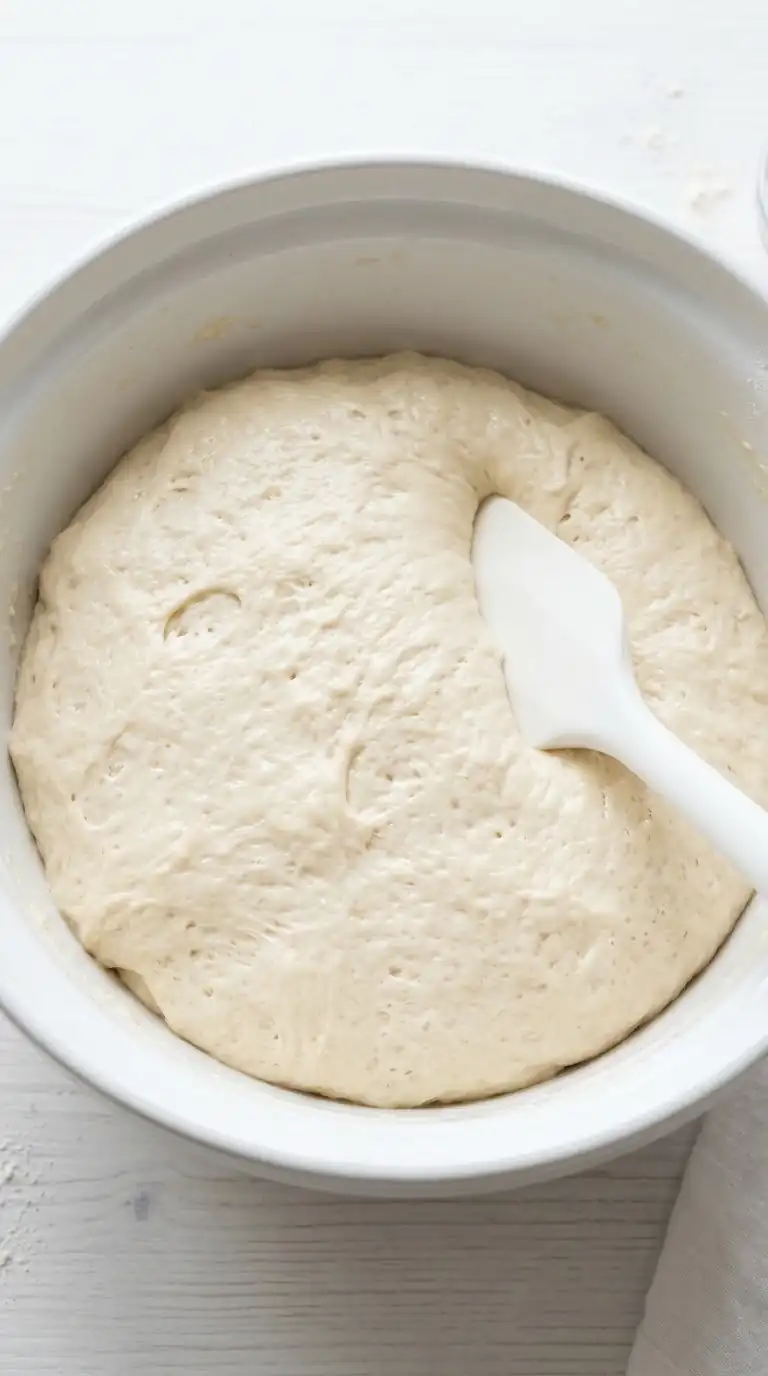
- Place the dough in a lightly oiled bowl, cover it with a warm towel, and let it rise in a draft-free spot for 90 minutes until it has doubled in size.
- Gently punch down the dough and roll it out to a 3/4-inch thickness, then use a 3-inch round cutter to stamp out eight circles, ensuring minimal re-rolling to keep the texture light.
- Place the cut dough onto a baking sheet generously dusted with cornmeal, covering them for another 30 minutes to perform a second rise.
- Heat a heavy-bottomed cast iron skillet over medium-low heat (300F/150C) and lightly grease it with oil to prevent sticking and encourage even browning.
- Cook the muffins for about 7 to 9 minutes per side, monitoring carefully so they reach a deep golden brown without burning, using a digital thermometer to ensure the center reaches 200F/93C.
- Allow the muffins to cool completely on a wire rack before splitting them with a fork, which preserves the jagged interior structure better than using a knife.
Classic Homemade English Muffin for Eggs Benedict
Learn how to make a classic English muffin for eggs benedict right in your own kitchen. These homemade muffins feature that signature airy texture.
Ingredients
Instructions
- Combine the warm milk, water, sugar, and yeast in a large mixing bowl , letting it sit for five minutes until the mixture becomes foamy and aromatic.
- Add the flour, melted butter, and salt to the yeast mixture, stirring until a shaggy, sticky dough forms which is necessary for the final airy crumb.
- Knead the dough on a lightly floured surface for about eight minutes until it is smooth and elastic to ensure the gluten network can trap air during baking.
- Place the dough in a lightly oiled bowl, cover it with a warm towel, and let it rise in a draft-free spot for 90 minutes until it has doubled in size.
- Gently punch down the dough and roll it out to a 3/4-inch thickness, then use a 3-inch round cutter to stamp out eight circles, ensuring minimal re-rolling to keep the texture light.
- Place the cut dough onto a baking sheet generously dusted with cornmeal, covering them for another 30 minutes to perform a second rise.
- Heat a heavy-bottomed cast iron skillet over medium-low heat (300F/150C) and lightly grease it with oil to prevent sticking and encourage even browning.
- Cook the muffins for about 7 to 9 minutes per side, monitoring carefully so they reach a deep golden brown without burning, using a digital thermometer to ensure the center reaches 200F/93C.
- Allow the muffins to cool completely on a wire rack before splitting them with a fork, which preserves the jagged interior structure better than using a knife.