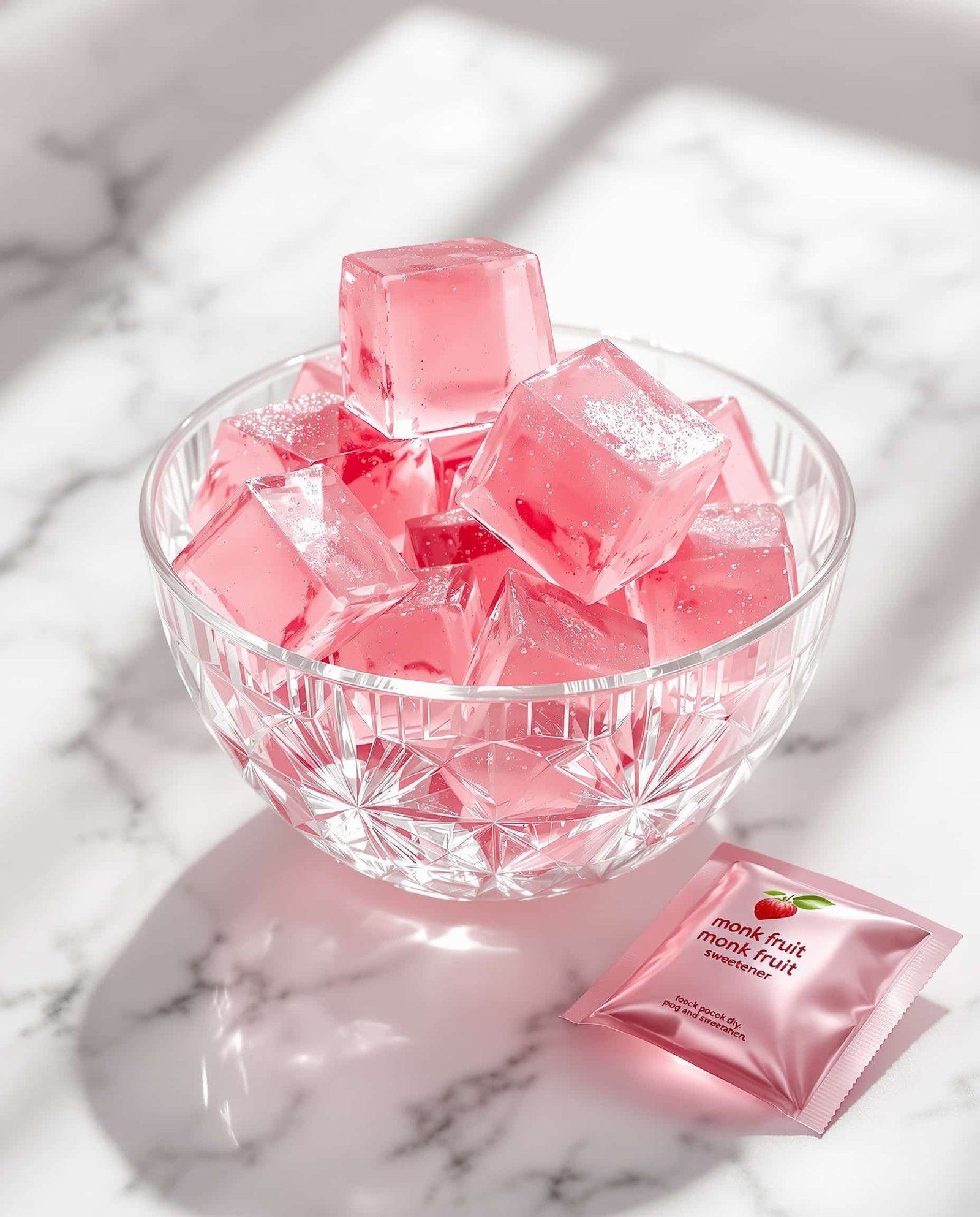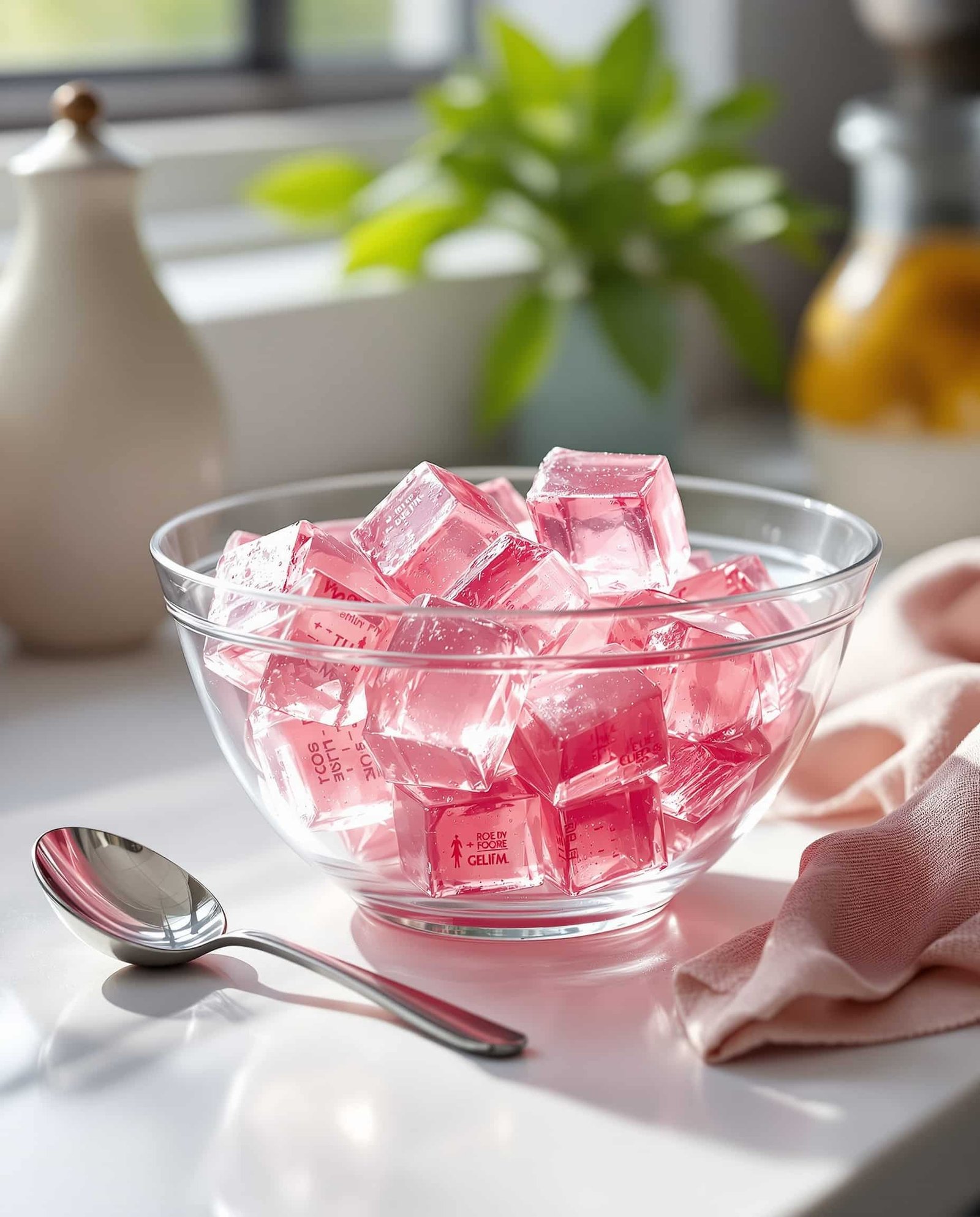
Let’s be honest, navigating weight management during menopause can feel like a labyrinth. Hormonal shifts often bring changes to our metabolism, making weight loss seem like an uphill battle. But what if a simple, science-backed ‘gelatin trick menopause recipe’ could offer a supportive hand? This isn’t about magic pills or quick fixes; it’s about understanding how certain nutrients, like collagen-rich gelatin, can contribute to satiety and overall well-being, which are key players in a sustainable weight loss journey. I’ve been there, trying to make sense of all the conflicting advice. This recipe aims to simplify one small, yet impactful, piece of the puzzle.
| Prep Time | 10 minutes | Cook Time | 5 minutes |
| Servings | 4 | Calories | 40 kcal |
Ingredients
- 1 cup (240ml) filtered water, divided
- 2 tablespoons (28g) unflavored gelatin powder (bovine collagen peptides preferred)
- 1/4 cup (60ml) freshly brewed hibiscus tea, cooled (for violet-rose color and flavor)
- 2 tablespoons (30ml) fresh lemon juice
- 1-2 tablespoons (15-30ml) erythritol or stevia, to taste
- 1 tsp violet-rose natural food coloring (optional, for vibrant color)
- Pinch of sea salt
Recommended Tools You’ll Need
| Tool | Why You Need It |
|---|---|
| Small Whisk | Essential for quickly and thoroughly combining gelatin powder with cold water to prevent lumps and ensure proper ‘blooming’. |
| Small Saucepan | Ideal for gently heating water and dissolving the bloomed gelatin without boiling, which can degrade collagen. |
| Shallow Glass Dish or Silicone Molds | Provides an even surface for the gelatin to set, making it easy to cut into uniform cubes or create fun shapes. |
| Measuring Cups and Spoons | Crucial for accurate ingredient ratios, ensuring the gelatin sets correctly and the flavor balance is just right. |
Instructions
- In a small bowl, combine 1/2 cup (120ml) cold filtered water with the unflavored gelatin powder. Whisk immediately until thoroughly combined and gelatin ‘blooms’ (thickens). Let it sit for 5 minutes.
- In a small saucepan, bring the remaining 1/2 cup (120ml) filtered water to a gentle simmer. Do not boil.
- Remove the saucepan from heat. Add the bloomed gelatin mixture to the warm water, stirring constantly until the gelatin is completely dissolved. This should only take 1-2 minutes.
- Stir in the cooled hibiscus tea, fresh lemon juice, sweetener of choice, violet-rose natural food coloring (if using), and a pinch of sea salt. Mix well to ensure everything is evenly distributed.
- Carefully pour the mixture into a shallow glass dish (approximately 8×8 inches) or individual silicone molds. Ensure the layer is not too thick for easier cubing.
- Refrigerate for at least 2-4 hours, or until completely set and firm. The longer it chills, the firmer it will be.
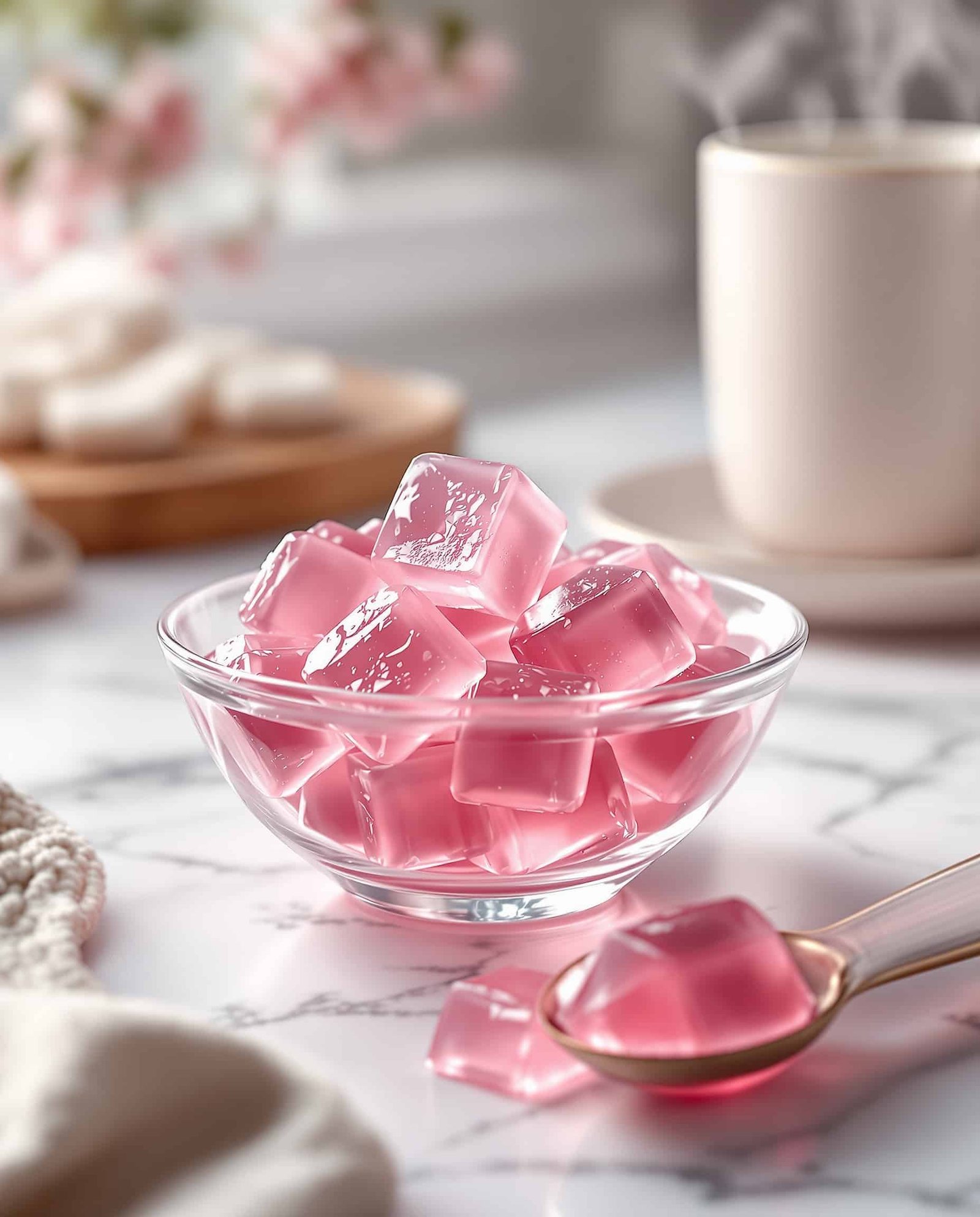
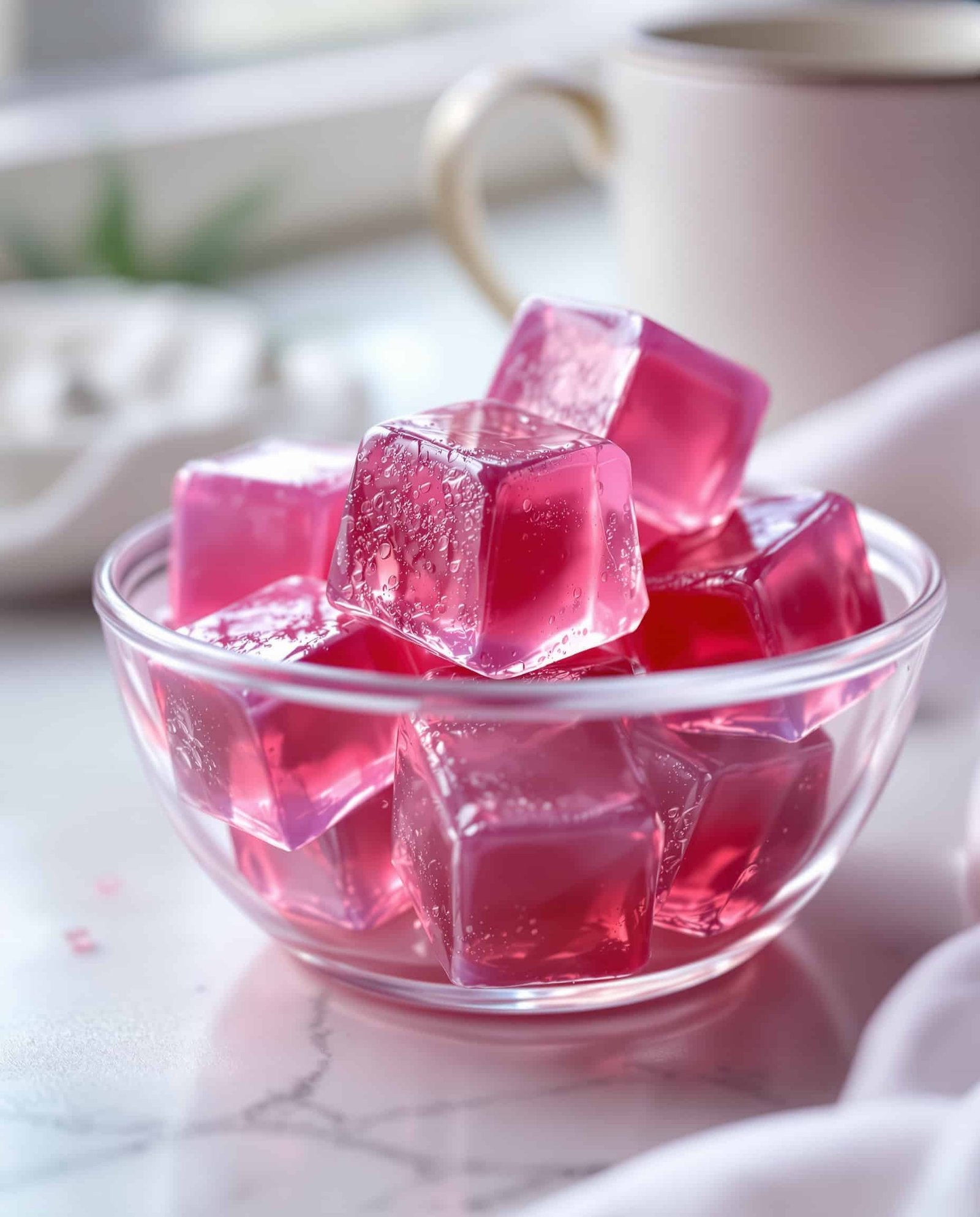
- Once set, gently cut the gelatin into 1-inch cubes. Serve chilled as a refreshing snack or add to your morning routine.
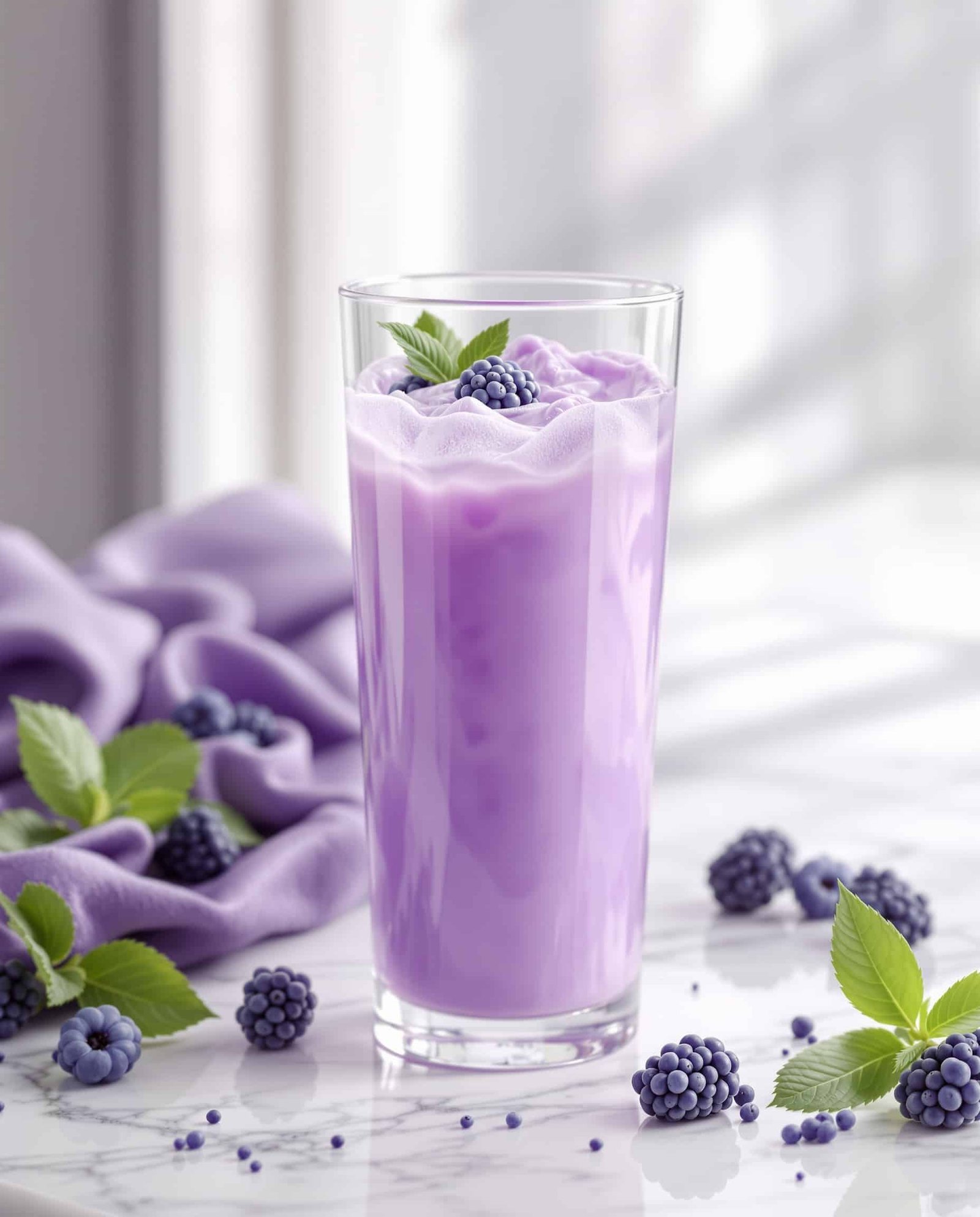
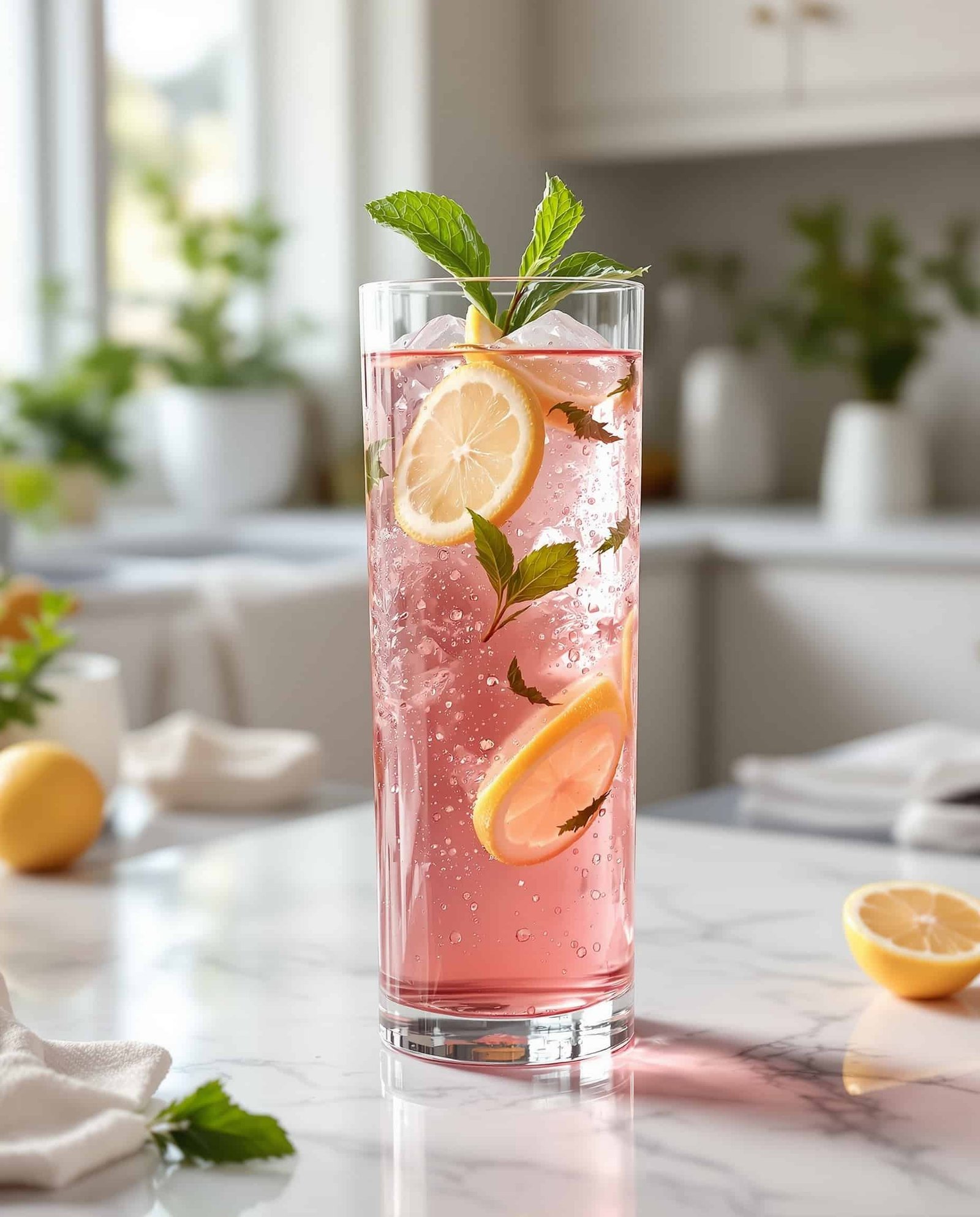
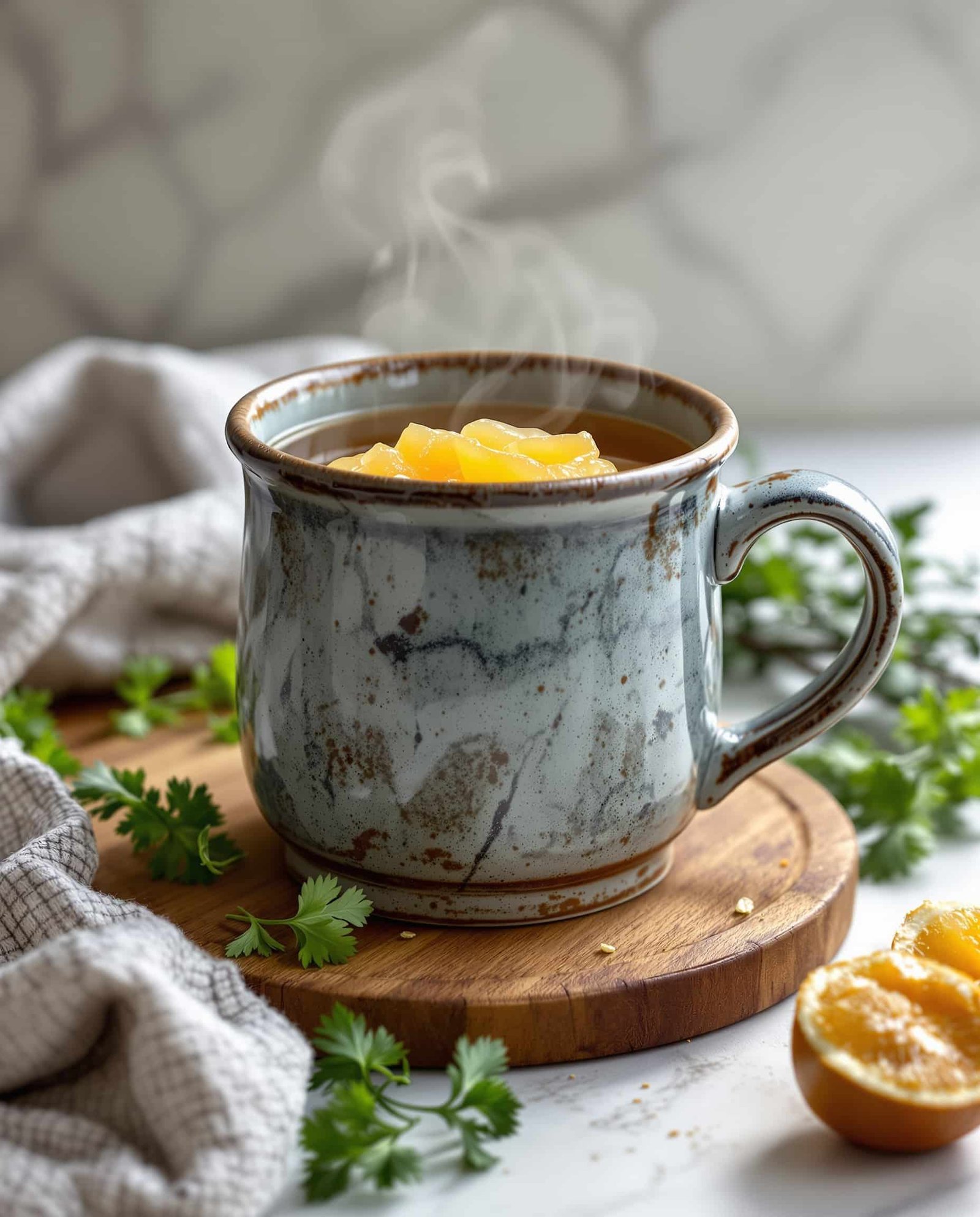
- For the ‘warm mug calm morning’ visual, dissolve 2-3 cubes in 1/2 cup of warm water and stir until melted. This makes a collagen-rich warm drink.
Calorie Reality
At just 40 calories per serving, these gelatin cubes are a very low-calorie addition to your day. In a typical 1500-2000 calorie daily budget for weight loss, this represents a tiny fraction, making it an excellent choice for a light snack or to add volume to your diet without significant caloric impact. It’s meant to support, not replace, balanced meals.
About Your Daily Budget: Your Total Daily Energy Expenditure (TDEE) is the total number of calories your body burns in a day. It includes basal metabolic rate (BMR), activity, and the thermic effect of food. To lose weight, you need to consume fewer calories than your TDEE.
Diet Compatibility
Compatible with: Keto, Low-Carb, Paleo (ensure grass-fed gelatin), Gluten-Free, Dairy-Free, Mediterranean (as a low-sugar treat)
Not compatible with: Vegan, Vegetarian
Warning: Mixing Diets: Mixing and matching restrictive diet approaches without proper understanding can be counterproductive and even harmful. Your body has complex metabolic pathways, and radically shifting nutrient intake in multiple directions can trigger stress responses or unwanted adaptations like increased lipogenesis (fat storage) as it tries to achieve homeostasis. Stick to one well-researched, sustainable approach that aligns with your health goals and consult a certified nutrition professional if you’re unsure.
Expert Tips
To maximize the ‘gelatin trick’ for weight loss, consume these cubes before meals or as a mid-afternoon snack when hunger pangs usually hit. The protein content helps reduce overall calorie intake by promoting fullness. Ensure you’re using high-quality, grass-fed gelatin for the best nutritional profile. Don’t rely solely on this; pair it with a balanced diet rich in whole foods and adequate hydration. Listen to your body and adjust sweetener levels to your preference, aiming for the least amount needed.
Macros Breakdown
This recipe is primarily a protein source, thanks to the gelatin, with minimal carbs and virtually no fat. This high protein content is key for satiety, helping you feel fuller for longer, which can naturally reduce overall calorie intake. Protein also supports muscle maintenance, vital during weight loss to prevent metabolic slowdown. The low carb count keeps it friendly for various eating approaches.
Nutrition Information (per serving)
| Calories | Protein | Carbs | Fat | Fiber |
|---|---|---|---|---|
| 40 kcal | 6g | 3g | -g | -g |
Key Terms Explained
| Term | Explanation | Why it matters here |
|---|---|---|
| Gelatin/Collagen | Gelatin is cooked collagen, the most abundant protein in your body, found in connective tissues. It’s rich in amino acids like glycine and proline. | Provides protein for satiety and amino acids supporting skin, joint, and gut health, beneficial during menopause. |
| Satiety | The feeling of fullness and satisfaction after eating, which helps to curb your appetite and reduce subsequent food intake. | The protein in gelatin can increase satiety, helping you feel fuller longer and potentially consuming fewer calories overall. |
| Menopause Metabolism | During menopause, hormonal changes (like declining estrogen) can lead to a slower metabolism and a tendency to store fat, especially around the abdomen. | This recipe offers a low-calorie, protein-rich option that supports satiety, a crucial factor in managing weight when metabolism slows. |
The Truth About This Recipe
The Truth About This Recipe: While this gelatin trick is a fantastic low-calorie, high-protein snack that can certainly support your weight loss efforts by boosting satiety, it is not a magic bullet. Sustainable weight loss boils down to a consistent calorie deficit, meaning you consume fewer calories than your body burns over time. This recipe is a tool to help you achieve that deficit more comfortably, by keeping hunger at bay. It works best as part of a balanced diet focused on whole foods and regular physical activity. Don’t expect miracles from one component alone.
Move Your Body
Remember, movement complements nutrition. Even a brisk 20-minute walk can burn around 80-100 calories, double the calories in one serving of these gelatin cubes. Pairing smart food choices with consistent activity creates real, lasting change.
Delicious Variations
For a Keto variation, ensure your sweetener is erythritol or stevia and keep the hibiscus tea unsweetened. For a low-carb version, the recipe as written is already suitable. For a Mediterranean twist, use a touch of orange blossom water instead of hibiscus and a squeeze of fresh orange juice (account for slight carb increase from juice). You could also add a tiny sprinkle of finely chopped fresh mint for an aromatic touch.
Healthier Alternatives
Instead of erythritol/stevia, consider using a very small amount of mashed berries (like raspberries or blackberries) for natural sweetness and added fiber, though this will slightly increase calories. Opt for unflavored, grass-fed bovine gelatin for superior quality and amino acid profile over conventional brands. For a different flavor profile while maintaining color, try a small amount of beet juice instead of hibiscus tea, being mindful of its natural sweetness and earthy notes.
Serving Suggestions
Enjoy these violet-rose gelatin cubes chilled as a refreshing snack, particularly useful to curb sweet cravings. They can be dissolved in warm water for a calming, collagen-rich morning drink (the ‘warm mug calm morning’ idea!). You can also chop them finely and add them to plain Greek yogurt for an extra protein boost. A warning: don’t combine them with high-sugar drinks or desserts, as this negates the low-calorie, low-sugar benefit and can spike blood sugar, hindering weight loss efforts.
Storage Instructions
Store the gelatin cubes in an airtight container in the refrigerator for up to 5-7 days. They are best enjoyed chilled. If you’ve made the warm mug version, consume it immediately. Freezing is not recommended as it alters the texture of the gelatin, making it watery upon thawing.
Frequently Asked Questions
Can this gelatin recipe really help with menopause weight gain?
While no single food is a magic bullet, the protein in gelatin can increase satiety, helping you feel fuller and potentially eat less overall. This, combined with a calorie deficit, can support weight management during menopause.
Is gelatin good for gut health?
Gelatin is rich in amino acids like glycine and glutamine, which are thought to support the integrity of the gut lining. A healthy gut is crucial for nutrient absorption and overall well-being, indirectly supporting weight management.
I’m not a doctor, but what’s the science behind collagen and menopause?
I’m not a doctor, but research suggests collagen production declines with age, especially post-menopause. Supplementing with gelatin (cooked collagen) may support skin elasticity, joint health, and bone density, which are common concerns during this life stage.
How much gelatin should I consume for weight loss?
There’s no universal ‘right’ amount. This recipe provides 6g of protein per serving. Incorporating 1-2 servings daily as part of a balanced diet can be a good starting point. Listen to your body and how it affects your hunger levels.
Can I use fruit juice instead of hibiscus tea?
Yes, but be mindful of the sugar content in fruit juices, which will significantly increase the calorie and carb count, potentially counteracting the weight loss benefits of this low-calorie recipe. Choose unsweetened options or very small amounts.
Conclusion
There you have it – a simple, science-backed approach to supporting your weight management journey during menopause. The ‘gelatin trick menopause recipe’ isn’t about grand promises, but about offering a practical, low-calorie tool that champions satiety and provides beneficial protein. Remember, sustainable weight loss is a marathon, not a sprint, built on consistent, informed choices. I’m not a doctor, but I do read the science, and adding things like this to your routine, alongside a balanced diet and movement, can make a real difference. Stay honest with yourself, stay consistent, and celebrate every small step towards feeling your best. You’ve got this.