High Protein Tuna Pasta: Step-by-Step Instructions
Recipe Variations
You can easily customize this dish to suit your dietary preferences. For a vegetarian version, swap the tuna for white beans or chickpeas, which provide a similar protein content and hearty texture. The lemon-garlic sauce works exceptionally well with legumes, adding a zesty contrast to their earthy flavor.
If you enjoy a heartier meal, add a cup of cooked chicken or shrimp to the skillet along with the tuna. This creates a mixed-seafood or chicken-tuna pasta that is substantial and satisfying. You can also add a handful of spinach or kale during the last minute of cooking for extra nutrients and color.
Serving Ideas
Serve this pasta in deep bowls with a side of simple green salad dressed with a light vinaigrette. The freshness of the salad complements the warm, savory pasta. A slice of crusty bread is also a great addition for soaking up any remaining sauce.
For a more casual meal, consider serving the pasta in a large platter as a family-style dish. Garnish the top with extra parsley, parmesan, and a squeeze of lemon before serving. This presentation is visually appealing and encourages sharing.
Keeping It Fresh
To store leftovers, allow the pasta to cool completely before transferring it to an airtight container. Refrigerate for up to three days. When reheating, add a small splash of chicken stock or water to the pan to loosen the sauce, which tends to thicken as it cools.
You can also freeze the sauce separately from the pasta. Cook the pasta fresh when ready to eat and toss it with the thawed sauce. This method prevents the pasta from becoming mushy upon reheating, ensuring a better texture and flavor.
Reader Questions Answered
Can I use oil-packed tuna instead of water-packed?
Yes, but you should reduce the amount of olive oil in the recipe to account for the extra fat from the tuna. Drain the oil well before adding it to the pan.
What type of pasta works best for this recipe?
Shaped pastas like penne or fusilli are ideal because their ridges and holes hold the creamy sauce well, ensuring every bite is flavorful.
Is this recipe suitable for a gluten-free diet?
Yes, simply substitute the wheat pasta with a high-quality gluten-free alternative made from rice, corn, or chickpea flour.
Can I make this dish ahead of time?
It is best served fresh, but you can store leftovers in the refrigerator for up to three days. Reheat gently with a splash of stock to restore moisture.
How can I make this recipe creamier without dairy?
Blend a small portion of the cooked pasta with the sauce to create a natural starch-based creaminess, or add a tablespoon of extra nutritional yeast.
Wrapping Up
This high protein tuna pasta is a reliable, quick, and flavorful meal that fits seamlessly into a busy weeknight routine. It uses simple ingredients that are likely already in your pantry, making it an accessible option for home cooks of all skill levels.
By focusing on fresh flavors like lemon and garlic, and utilizing the natural savoriness of tuna, this dish delivers satisfaction without the need for complex techniques. Try it today and adjust the spice and acidity to your personal preference for a perfectly balanced meal.
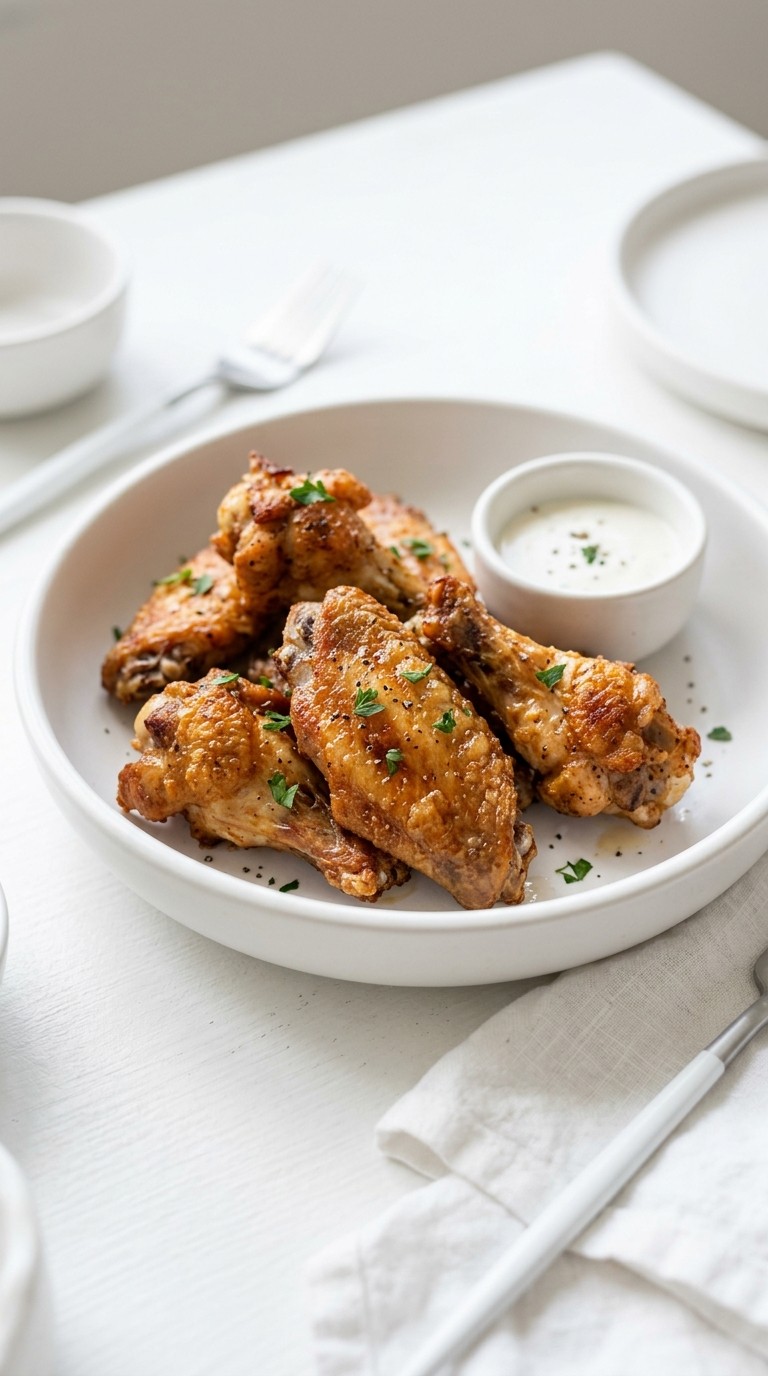
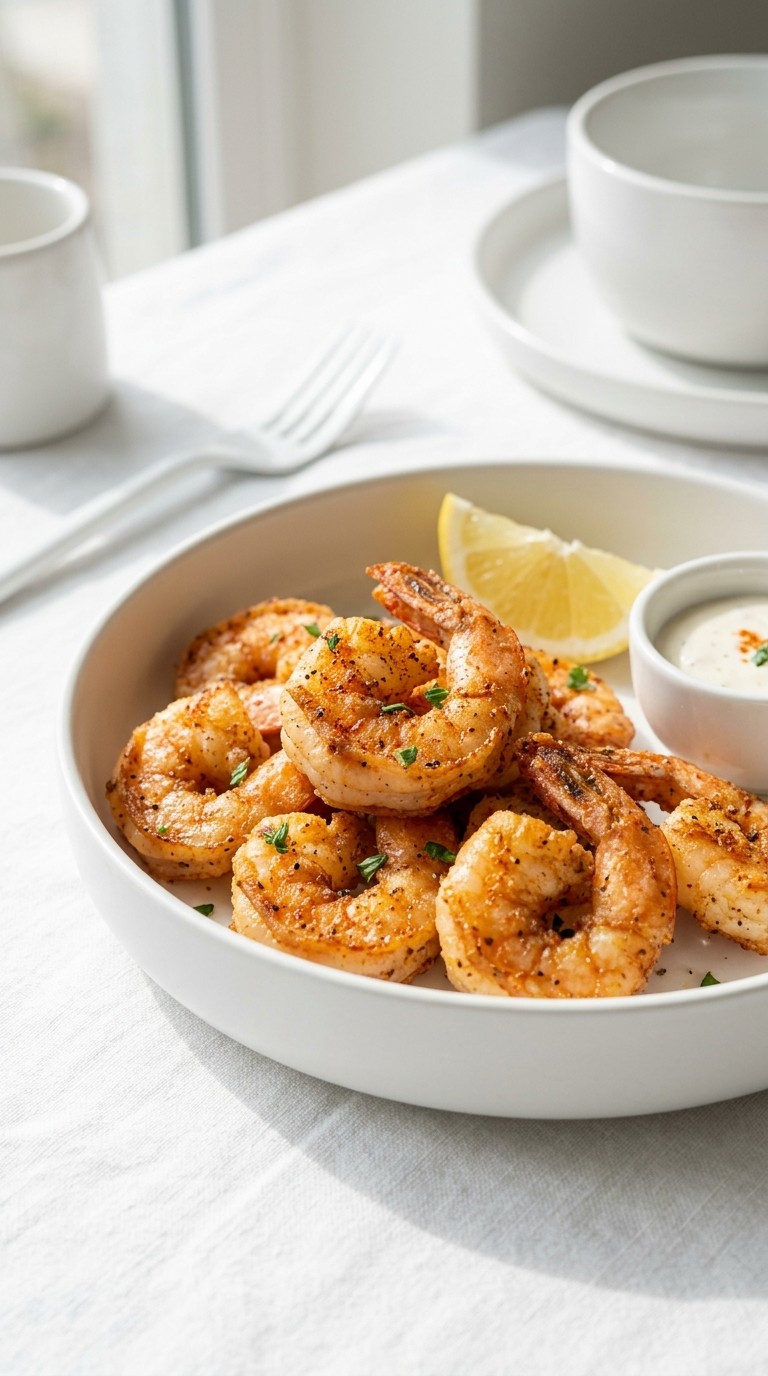
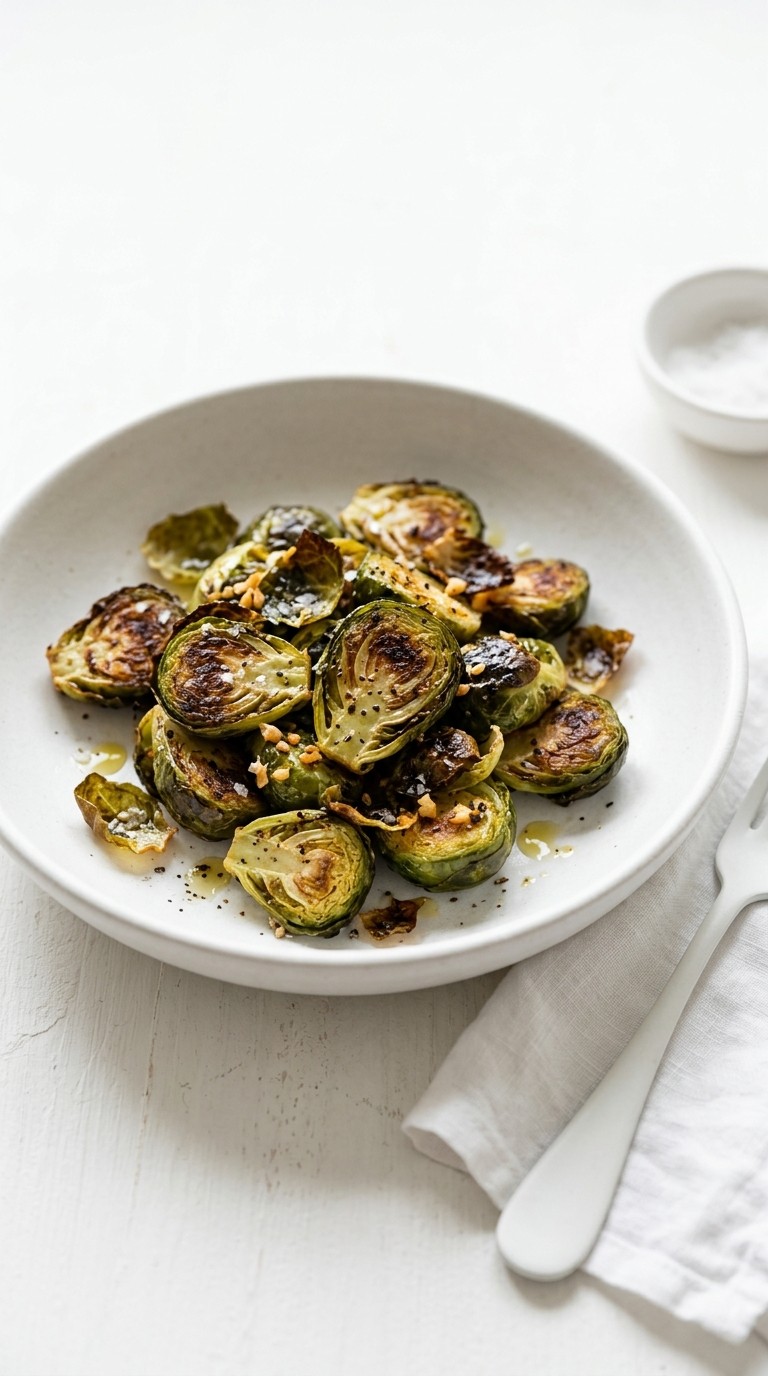
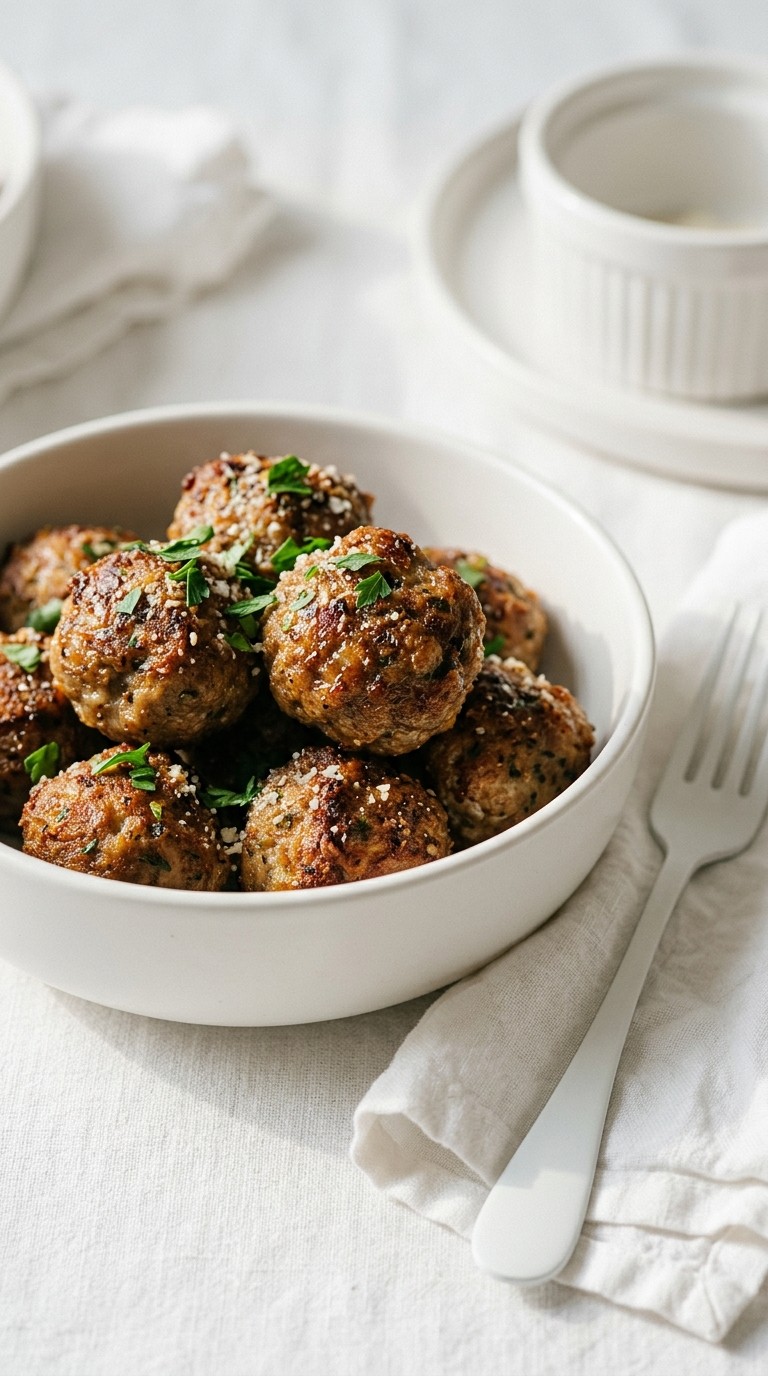
Related recipes: Air Fryer Chicken Wings Recipe, Air Fryer Shrimp, Air Fryer Brussels Sprouts, Air Fryer Meatballs Recipe, Air Fryer Chicken Thighs.
Learn more: Protein on Wikipedia · food storage & safety (FoodSafety.gov).
◆ ◆ ◆
← Back to High Protein Tuna PastaGet new recipes
One tasty homemade recipe in your inbox each week. No spam, unsubscribe anytime.
Comments