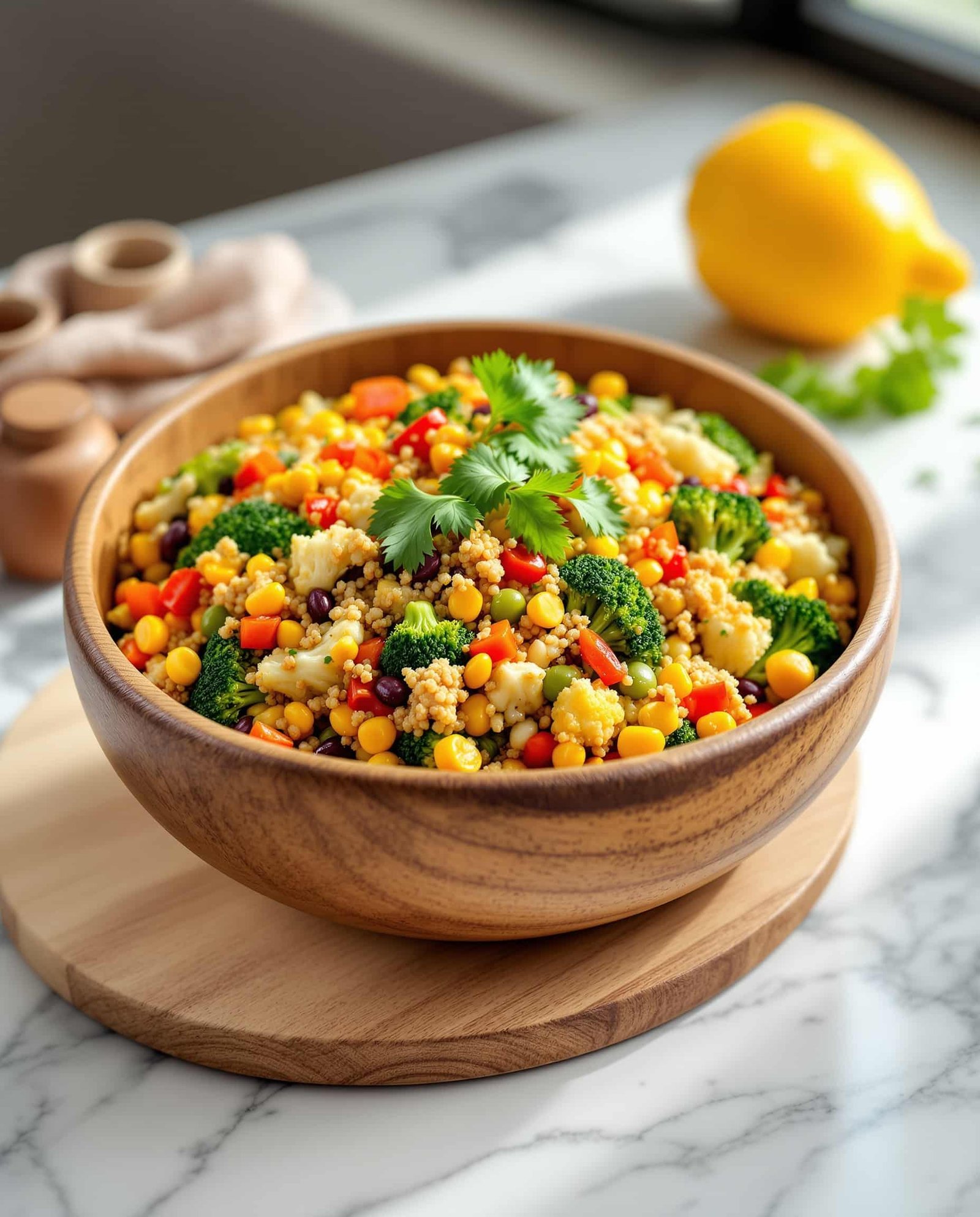
Let’s be honest for a second. The internet is flooded with quick fixes and magical solutions for everything, especially when it comes to weight loss and ‘hormone balancing.’ I’m here to tell you that true balance comes from consistent, informed choices, not expensive powders or restrictive diets. This recipe is designed to be a cornerstone of a sensible hormone balancing meal plan, focusing on whole, nutrient-dense foods that support your body’s natural rhythms. It’s not a miracle cure, but it is a delicious, practical step towards feeling better and understanding how food truly impacts your well-being. We’ll simplify the science, skip the hype, and get you cooking something genuinely good for you.
| Prep Time | 20 minutes | Cook Time | 30 minutes |
| Servings | 4 | Calories | 420 kcal |
Ingredients
- 2 tbsp olive oil
- 1 large onion, chopped
- 2 cloves garlic, minced
- 1 red bell pepper, diced
- 1 green bell pepper, diced
- 1 cup broccoli florets, chopped
- 1 cup cauliflower florets, chopped
- 1 cup cooked quinoa
- 1 lb lean ground turkey (93% lean)
- 1 (14.5 oz) can diced tomatoes, undrained
- 1 (15 oz) can black beans, rinsed and drained
- 1 (15 oz) can corn, drained
- 1 tsp cumin
- 1/2 tsp smoked paprika
- 1/4 tsp cayenne pepper (optional, for a kick)
- Salt and freshly ground black pepper to taste
- 1 cup low-sodium chicken or vegetable broth
- 1 tsp multicolore natural food coloring
Recommended Tools You’ll Need
| Tool | Why You Need It |
|---|---|
| Large Skillet or Dutch Oven | Essential for sautéing vegetables and browning meat efficiently, allowing all ingredients to cook together in one pot. |
| Sharp Chef’s Knife | Makes quick work of chopping all the vegetables, improving prep time and consistency of ingredients. |
| Measuring Cups and Spoons | Ensures accurate portioning of ingredients, which is crucial for consistent flavor and nutritional tracking. |
| Colander | For efficiently rinsing black beans and draining corn, making sure your dish isn’t watery. |
Instructions
- Heat olive oil in a large skillet or Dutch oven over medium heat. Add chopped onion and cook until softened, about 5-7 minutes.
- Add minced garlic, red bell pepper, and green bell pepper. Cook for another 5 minutes, stirring occasionally, until vegetables are slightly tender-crisp.
- Add ground turkey to the skillet, breaking it up with a spoon. Cook until browned, about 8-10 minutes. Drain any excess fat.
- Stir in broccoli and cauliflower florets. Cook for 3-5 minutes until they start to tenderize.
- Pour in the diced tomatoes (undrained), rinsed black beans, drained corn, cumin, smoked paprika, cayenne pepper (if using), salt, and pepper. Add the low-sodium broth.
- Stir in the 1 tsp multicolore natural food coloring until evenly distributed throughout the mixture.
- Bring the mixture to a simmer, then reduce heat to low, cover, and let it cook for 10-15 minutes, allowing the flavors to meld and vegetables to fully cook.
- Remove from heat and stir in the cooked quinoa. Taste and adjust seasonings as needed. Serve warm.
Calorie Reality
At 420 calories per serving, this meal fits beautifully into a typical 1500-2000 calorie daily budget for weight loss. It represents roughly 20-28% of your total daily intake, leaving room for two other balanced meals and a snack. Focus on nutrient density in your other choices to stay within your goals.
About Your Daily Budget: Your Total Daily Energy Expenditure (TDEE) is the total number of calories your body burns in a day, including basal metabolic rate, activity, and digestion. To lose weight, you generally need to consume fewer calories than your TDEE.
Diet Compatibility
Compatible with: Gluten-Free (verify broth), Dairy-Free, Mediterranean-ish, Whole30-friendly (omit corn/beans for strict W30, use compliant broth)
Not compatible with: Keto, Strict Low-Carb, Paleo (due to beans/corn/quinoa)
Warning: Mixing Diets: It’s super tempting to cherry-pick elements from different diet plans, but this can actually derail your progress and even be detrimental. For example, combining a high-fat keto approach with high-carb elements from a ‘clean eating’ plan can lead to excess calorie intake and potential lipogenesis (fat storage), as your body isn’t efficiently using one primary fuel source. Stick to one clear, sustainable approach that aligns with your goals and health needs, and consult with a dietitian if you’re unsure.
Expert Tips
To truly make this a ‘hormone balancing meal plan’ staple, consider varying your protein sources throughout the week – try lean beef, chicken, or even plant-based options like lentils. Focus on mindful eating: chew slowly, savor the flavors, and put your fork down between bites. This helps your body register fullness signals more effectively, preventing overeating. And remember, hydration is key! Drink plenty of water throughout the day, as dehydration can sometimes be mistaken for hunger. Consistency with balanced meals and mindful habits is far more effective than any crash diet for sustainable weight loss.
Macros Breakdown
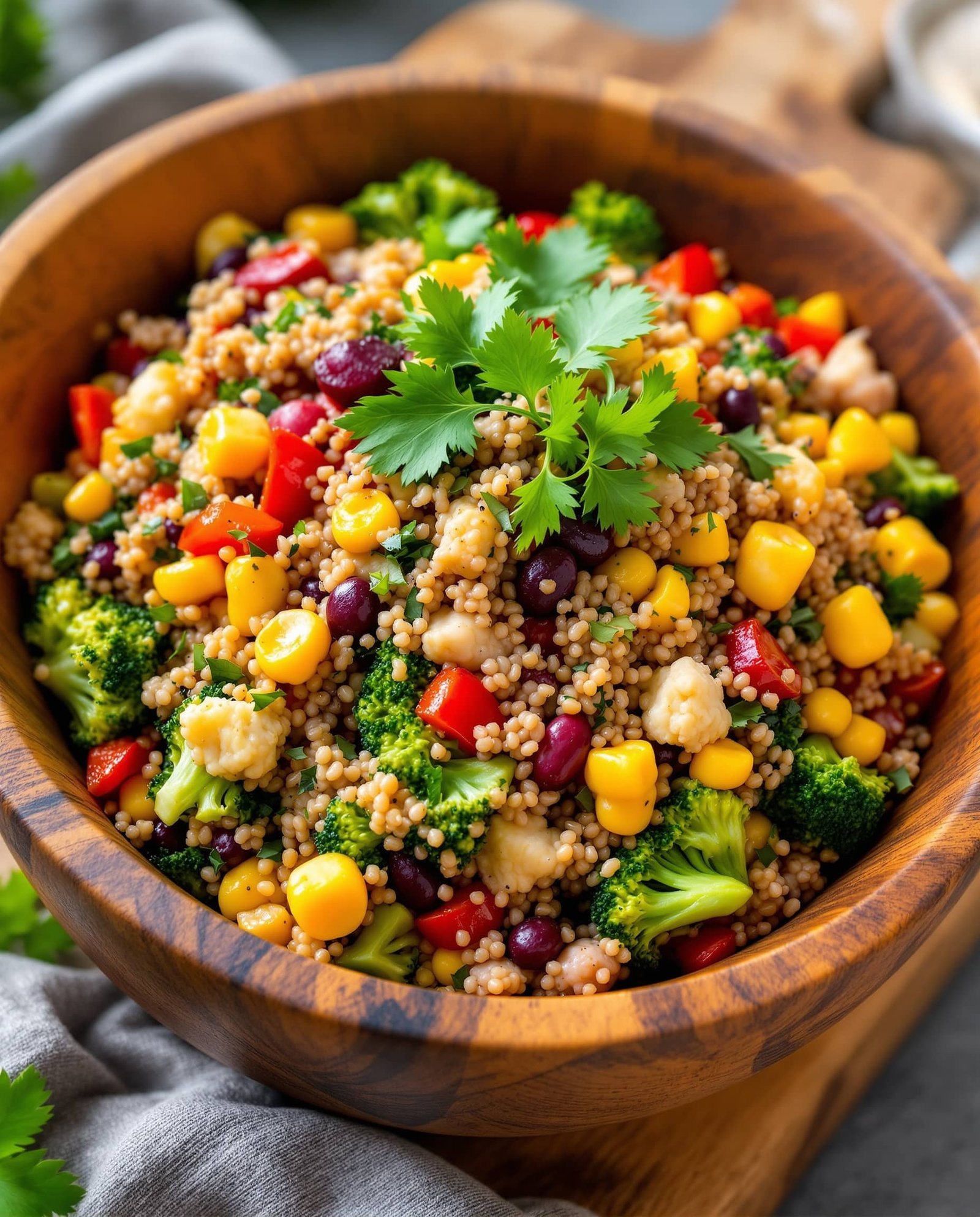
This meal is a fantastic example of balanced macros. The high protein and fiber content promote satiety, helping you feel fuller for longer, which is key for weight management. The complex carbohydrates from quinoa and beans provide sustained energy, while healthy fats from olive oil support hormone production and nutrient absorption. It’s a powerhouse of nutrients without being overly calorie-dense.
Nutrition Information (per serving)
| Calories | Protein | Carbs | Fat | Fiber |
|---|---|---|---|---|
| 420 kcal | 32g | 45g | 13g | 10g |
Key Terms Explained
| Term | Explanation | Why it matters here |
|---|---|---|
| Hormone Balance | Refers to the optimal functioning of your body’s chemical messengers (hormones) that regulate everything from metabolism and mood to sleep and appetite. | Nutrient-dense whole foods, like those in this recipe, provide essential building blocks and support systems for healthy hormone production and function. |
| Satiety | The feeling of fullness and satisfaction after eating, which helps control appetite and prevent overeating. | High protein and fiber in this meal contribute significantly to satiety, making it easier to stick to your calorie goals. |
| Complex Carbohydrates | Carbohydrates made of long chains of sugar molecules that take longer to digest, providing sustained energy and fiber. | Quinoa, beans, and vegetables in this dish are excellent sources of complex carbs, preventing blood sugar spikes and crashes. |
| Insulin Sensitivity | How effectively your body’s cells respond to insulin, the hormone that helps regulate blood sugar. Good sensitivity is key for stable energy and weight. | Fiber-rich, low-glycemic meals like this one help improve insulin sensitivity by preventing rapid blood sugar swings. |
The Truth About This Recipe
Let’s get real about weight loss. This delicious, balanced meal is a fantastic tool, but it’s not magic. Weight loss fundamentally comes down to creating a consistent calorie deficit over time – eating slightly fewer calories than your body burns. This recipe helps you do that by being filling and nutrient-dense, preventing those hunger pangs that lead to mindless snacking. It supports your body’s natural processes, including hormone regulation, but the ultimate responsibility for consistent choices lies with you. No single meal, no matter how ‘balancing,’ will override an overall calorie surplus. It’s about the bigger picture.
Move Your Body
Eating well is half the battle, but movement matters too. Even a brisk 30-minute walk after enjoying a meal like this (which is 420 calories) helps to increase your caloric expenditure, supports healthy blood sugar, and boosts your mood. Find movement you enjoy; it doesn’t have to be a grueling gym session.
Delicious Variations
For a Keto-friendly twist, omit the quinoa, beans, and corn, and increase healthy fats with avocado and extra olive oil, focusing on non-starchy vegetables. A Low-Carb variation could reduce the beans and corn, perhaps adding more leafy greens or a higher quantity of bell peppers. For a Mediterranean flair, swap ground turkey for ground lamb or add a sprinkle of fresh feta cheese (if dairy is okay for you), and a squeeze of fresh lemon juice at the end. Always adjust seasonings and check nutritional impact when making significant changes.
Healthier Alternatives
To boost healthy fats and fiber, serve this dish over a bed of spinach or mixed greens instead of just plain. For an extra protein punch, you could add 1/2 cup of cooked lentils along with the black beans. If you’re sensitive to nightshades, swap bell peppers for zucchini and yellow squash. Each of these substitutions increases nutrient density or reduces potential irritants while keeping the meal satisfying and flavorful. For example, adding leafy greens significantly boosts micronutrients without adding many calories.
Serving Suggestions
Serve this vibrant dish warm, perhaps topped with a spoonful of plain Greek yogurt or a sprinkle of fresh cilantro for added flavor and probiotics. Be cautious about piling on high-calorie, sugary sauces or excessive cheese, as these can quickly negate the nutritional benefits and calorie control of the meal. A side salad with a light vinaigrette would complement it perfectly, adding even more fiber and micronutrients, ensuring you get a complete and balanced meal without unnecessary caloric baggage.
Storage Instructions
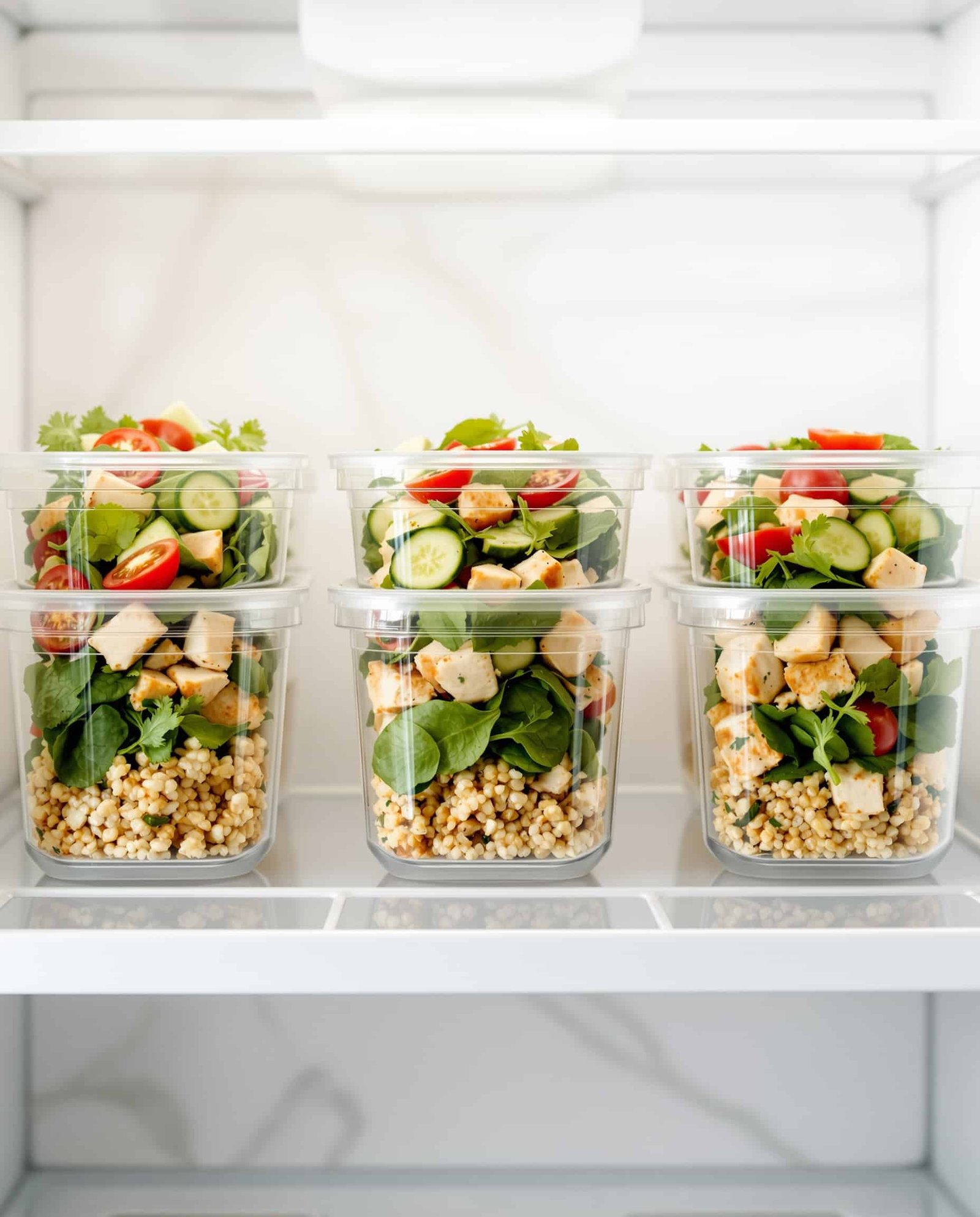
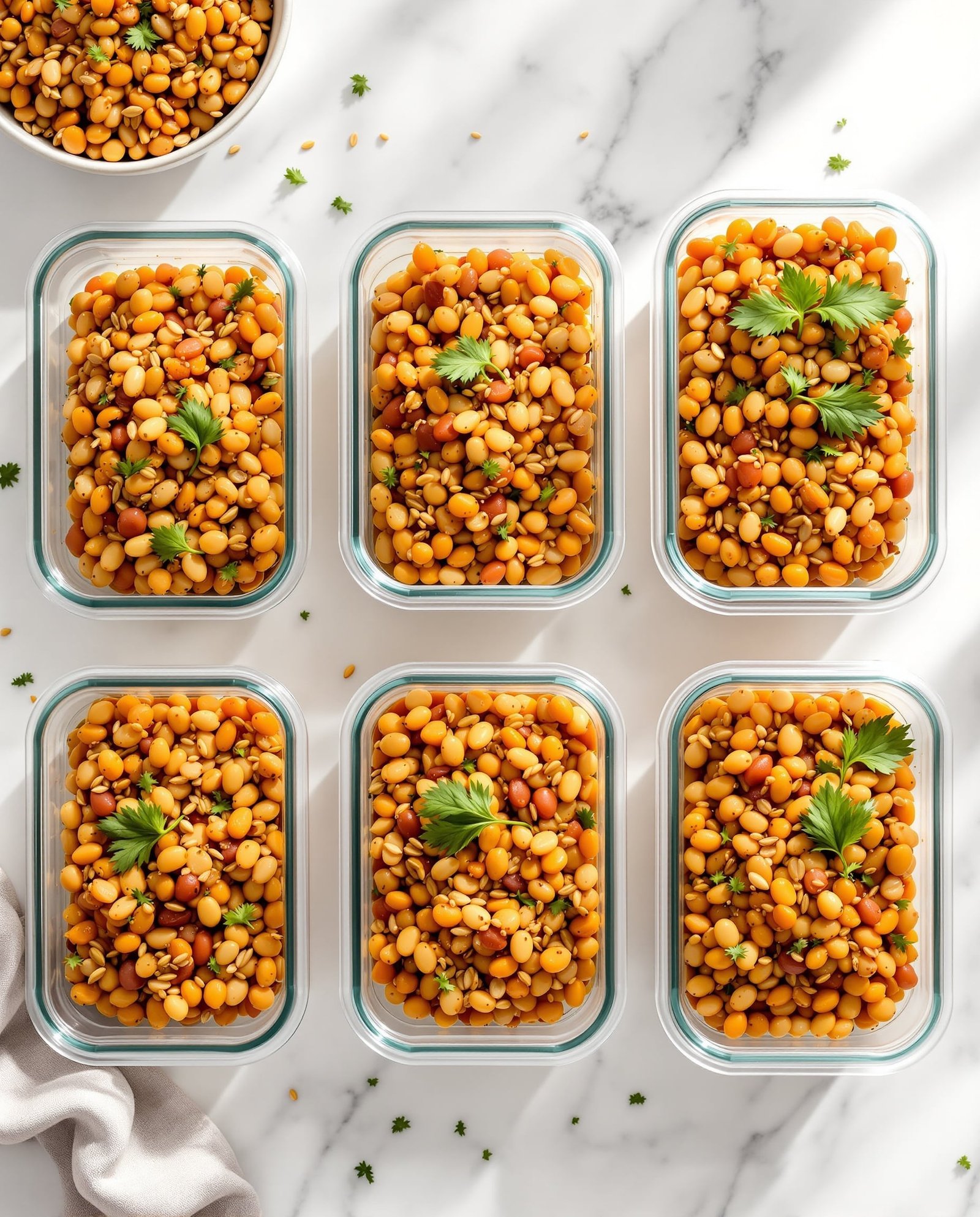
This hormone balancing meal plan recipe is excellent for meal prepping! Allow the dish to cool completely before transferring it to airtight containers. It will keep well in the refrigerator for up to 3-4 days. For longer storage, portion into freezer-safe containers and freeze for up to 2-3 months. Thaw overnight in the refrigerator before reheating gently on the stovetop or in the microwave. Add a splash of broth or water if it seems dry when reheating to maintain moisture and texture.
Frequently Asked Questions
Can this meal really ‘balance hormones’?
No single meal can magically ‘balance’ your hormones. However, consistently eating nutrient-dense, whole foods like those in this recipe provides your body with the essential nutrients needed to support optimal hormone production and function. It’s part of a bigger picture.
Is this recipe good for weight loss?
Yes, absolutely! With 420 calories per serving, it’s designed to be satisfying and nutrient-dense, helping you feel full and manage your overall calorie intake, which is crucial for sustainable weight loss. Remember, consistency is key.
What if I don’t like ground turkey?
You can easily substitute ground chicken, lean ground beef (90% or leaner), or even a plant-based crumble for the ground turkey. Adjust cooking time as needed to ensure it’s cooked through.
How can I make this spicier?
Increase the amount of cayenne pepper to your liking, or add a pinch of red pepper flakes with the other spices. A dash of your favorite hot sauce at the table also works wonders!
Do I have to use multicolore natural food coloring?
No, the multicolore natural food coloring is optional and purely for visual appeal as per a specific request. It doesn’t impact the flavor or nutritional value of the dish. You can omit it entirely.
Conclusion
There you have it – a genuinely delicious, vibrant, and science-backed meal designed to be a thoughtful part of your hormone balancing meal plan. Remember, my role is to simplify the science and share honest, actionable advice, not to be your doctor. True health and sustainable weight loss come from understanding your body, making informed choices, and being consistent. This recipe is a fantastic step in that direction, providing a wealth of nutrients and satisfying flavor without the ‘bullshit’ promises. Cook it, enjoy it, and feel good knowing you’re nourishing your body intelligently. Keep learning, keep cooking, and keep moving forward. You’ve got this.