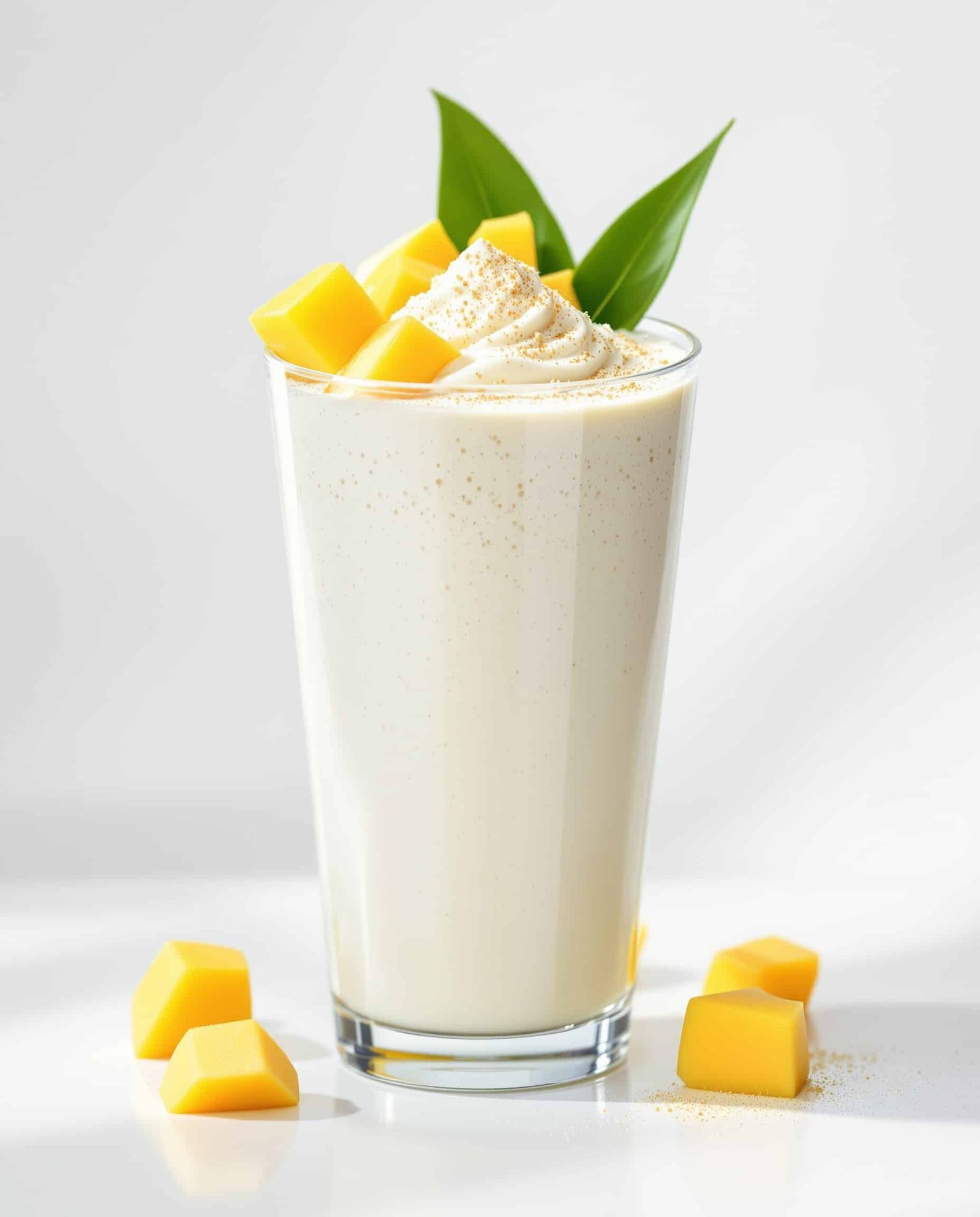
Let’s be honest, the internet is full of quick fixes and magical elixirs for weight loss. But true, sustainable weight loss comes from understanding your body and making informed choices. This mango collagen smoothie isn’t a magic bullet, but it *is* a delicious and effective way to boost your protein intake and keep you feeling full, which is a big win when you’re trying to reduce your overall calorie intake. It’s a simple, science-backed approach to help you on your journey.
| Prep Time | 5 minutes | Cook Time | 0 minutes |
| Servings | 1 | Calories | 240 kcal |
Ingredients
- 1 scoop collagen powder (unflavored, ~15g protein)
- 1 cup frozen mango chunks
- 1/2 cup unsweetened almond milk
- 1/4 cup plain Greek yogurt (0% fat)
- 1 tsp blanc natural food coloring
- 1/2 tsp vanilla extract (optional)
- Ice cubes (optional, for thicker smoothie)
Recommended Tools You’ll Need
| Tool | Why You Need It |
|---|---|
| High-Speed Blender | Ensures a super smooth, lump-free consistency, especially important for breaking down frozen fruit and blending collagen thoroughly. |
| Measuring Cups and Spoons | Accuracy in ingredients is crucial for consistent taste and, more importantly, for tracking your nutritional intake accurately. |
| Kitchen Scale | For precise measurement of collagen powder and other ingredients, especially if you’re serious about calorie and macro tracking. |
| Tall Smoothie Glass | Perfect for serving and enjoying your smoothie, making it feel like a treat rather than just a meal. |
Instructions
- Combine all ingredients (collagen powder, frozen mango, almond milk, Greek yogurt, blanc natural food coloring, and vanilla extract if using) in a high-speed blender.
- Blend until completely smooth and creamy. If you prefer a thinner consistency, add a splash more almond milk. For a thicker, colder smoothie, add a few ice cubes and blend again.
- Pour into a smoothie glass and enjoy immediately.
Calorie Reality
At 240 calories, this mango collagen smoothie can fit comfortably into most daily calorie budgets, whether you’re aiming for 1500 or 2000 calories. It’s a satisfying option for breakfast or a snack, providing substantial protein to help manage hunger without breaking the bank on calories. Remember, consistent choices add up!
About Your Daily Budget: Your Total Daily Energy Expenditure (TDEE) is the total number of calories your body burns in a 24-hour period. It includes basic functions, digestion, and physical activity. To lose weight, you generally need to consume fewer calories than your TDEE.
Diet Compatibility
Compatible with: High Protein, Gluten-Free, Dairy-Free (if using dairy-free yogurt), Weight Loss
Not compatible with: Keto, Low-Carb (due to mango sugar), Vegan (collagen is animal-derived)
Warning: Mixing Diets: Mixing and matching restrictive diet approaches can be tricky and sometimes counterproductive. For instance, combining a very low-fat diet with a high-carb diet can, for some individuals, lead to increased lipogenesis (fat storage) if calorie intake isn’t tightly controlled. Listen to your body and work with a healthcare professional or registered dietitian to find a sustainable plan that meets your individual needs, rather than trying to cherry-pick rules from various diet trends. Your body is complex, and a cookie-cutter approach rarely works long-term.
Expert Tips
To maximize your weight loss efforts with this smoothie, consider having it as a meal replacement for breakfast or lunch, rather than an addition to a full meal. Always measure your ingredients – ‘eyeballing’ can quickly add extra calories. For an even greater fiber boost, which further aids satiety and digestion, add a tablespoon of chia seeds. And remember, consistency is key; make healthy choices a habit, not a one-off event. Hydration is also crucial, so drink plenty of water throughout the day.

Macros Breakdown
This smoothie is a rockstar for protein, thanks to the collagen and Greek yogurt, which is key for satiety and muscle maintenance during weight loss. The carbs come mainly from the mango, providing natural energy and fiber, while the fat content is intentionally low. This balance helps you feel full without consuming excessive calories, making it an excellent choice for a calorie-controlled diet.
Nutrition Information (per serving)
| Calories | Protein | Carbs | Fat | Fiber |
|---|---|---|---|---|
| 240 kcal | 25g | 30g | 3g | 3g |
Key Terms Explained
| Term | Explanation | Why it matters here |
|---|---|---|
| Collagen | A protein that’s a major building block for skin, bones, muscles, tendons, and ligaments. It’s found in animal connective tissue. | Provides a significant protein boost, contributing to satiety and potentially supporting skin and joint health. |
| Satiety | The feeling of fullness and satisfaction after eating, which helps reduce the desire to eat again. | The high protein and fiber in this smoothie help increase satiety, making you less likely to overeat later. |
| Calorie Deficit | Consuming fewer calories than your body burns, which is the fundamental principle for weight loss. | This recipe is designed to be calorie-controlled, helping you achieve a calorie deficit without feeling deprived. |
The Truth About This Recipe
Let’s be clear: no single food, including this delicious mango collagen smoothie, will magically make you lose weight. Weight loss boils down to a consistent calorie deficit over time. This smoothie is a tool – a very helpful, tasty tool – to help you achieve that deficit by keeping you full and providing essential nutrients. It’s about smart substitutions and mindful eating, not relying on a ‘superfood.’ Enjoy it, but also pay attention to your overall diet and activity levels. That’s the real truth.
Move Your Body
Remember, nutrition is half the equation. Just a brisk 30-minute walk can burn around 150-200 calories, which is nearly the caloric equivalent of this entire smoothie. Finding movement you enjoy and integrating it into your routine makes a huge difference in your weight loss journey.
Delicious Variations
For a lower-carb option, swap half the mango for avocado or berries (though it won’t be a mango collagen smoothie anymore!). For a Mediterranean twist, add a pinch of cardamom and a tablespoon of ground flaxseed. If you’re avoiding dairy, use a plant-based protein powder and a dairy-free yogurt alternative. For a more filling smoothie, add a tablespoon of almond butter, but be mindful of the added calories.
Healthier Alternatives
Instead of pre-packaged fruit juice (full of added sugars), always opt for unsweetened almond milk or water as your liquid base for fewer calories and no unnecessary sugar. Choose plain Greek yogurt over flavored varieties to avoid added sugars and artificial sweeteners, keeping the protein high and calories low. If you’re looking to cut down on fruit sugars, use a smaller portion of mango and add some spinach – you won’t taste it, but you’ll get extra nutrients and fiber!
Serving Suggestions
Enjoy this smoothie immediately after blending to get the best texture and nutrient content. It’s a great stand-alone breakfast or a substantial snack. Avoid pairing it with high-calorie, sugary foods like pastries or sweetened cereals, as that defeats the purpose of choosing a calorie-controlled option. Think of it as a complete, balanced mini-meal. A good combination might be with a small handful of unsalted nuts for healthy fats, but be mindful of portion sizes.
Storage Instructions
This mango collagen smoothie is best enjoyed fresh. The texture can change significantly if stored, becoming less creamy and potentially separating. If you absolutely must store it, pour it into an airtight container and refrigerate for no more than 24 hours. Give it a good shake or re-blend briefly before consuming. Freezing is generally not recommended as it changes the consistency too much.
Frequently Asked Questions
Can I use fresh mango instead of frozen?
Yes, you can! However, frozen mango helps create a colder, thicker smoothie without needing as much ice, which can dilute the flavor. If using fresh, add a few extra ice cubes.
Will collagen help me lose weight?
While collagen itself isn’t a magic weight loss supplement, its high protein content can contribute to satiety, helping you feel fuller for longer. This can indirectly support weight loss by reducing overall calorie intake. It’s part of a bigger picture.
Is this smoothie suitable for diabetics?
The mango contains natural sugars, so if you have diabetes, it’s best to consult with your doctor or a registered dietitian. They can advise on appropriate fruit portions and how this smoothie fits into your specific dietary plan.
What’s the best time to drink this smoothie for weight loss?
The ‘best’ time is when it helps you stick to your calorie goals! Many find it effective as a breakfast or lunch replacement, or as a substantial snack to prevent overeating at subsequent meals due to its high protein content.
Why is protein important for weight loss?
Protein is crucial because it promotes satiety, helps preserve muscle mass during calorie restriction, and has a higher thermic effect of food (meaning your body burns more calories digesting it) compared to carbs and fats. All these factors support effective weight loss.
Conclusion
There you have it: a delicious, protein-packed mango collagen smoothie that actually makes sense for weight loss. No BS, just good nutrition that helps you feel full and satisfied. Remember, this is one piece of the puzzle. Sustainable weight loss is about consistent, informed choices, understanding your body’s needs, and moving in ways that bring you joy. Don’t chase fleeting trends; build habits that empower you. You’ve got this, and I’m here to help you understand the science along the way.