Simple Vanilla Muffins with Sweet Muffin Glaze: Step-by-Step Instructions
Serving Ideas
Perfect Pairings
While a glazed muffin is a standalone delight, thoughtful pairings can transform a simple snack into a memorable breakfast. The most effective approach is to counter the high sugar content of a powdered sugar glaze with beverages that provide a clean, bitter finish. A hot cup of freshly brewed black coffee, particularly a medium-roast blend with nutty undertones, acts as a palate cleanser that prevents the sweetness from becoming overwhelming. If you prefer tea, an Earl Grey provides citrusy bergamot notes that complement lemon or vanilla glazes, while a robust English Breakfast tea offers the necessary tannins to balance a dense, buttery crumb.
Beyond beverages, consider the temperature contrast. Serving your glazed muffins slightly warm, around 100°F (38°C), allows the glaze to soften into the top of the muffin, creating a melt-in-the-mouth texture. If you are hosting a brunch, serve them alongside a bowl of fresh, tart berries like raspberries or blackberries. The acidity in the fruit cuts through the rich sugar coating, providing a bright, refreshing bite. For a more indulgent presentation, place the muffins on a tiered stand and provide a small side of lightly whipped heavy cream. Avoid pairing glazed muffins with overly sugary additions like fruit juices or jams, as the cumulative sweetness can dull the specific flavor profile of your baking. By focusing on bitter, acidic, or neutral accompaniments, you ensure that the muffin remains the star of the plate, highlighting the delicate balance between the crunchy, crystallized glaze and the moist interior of the cake.
Keeping It Fresh
Storage Solutions
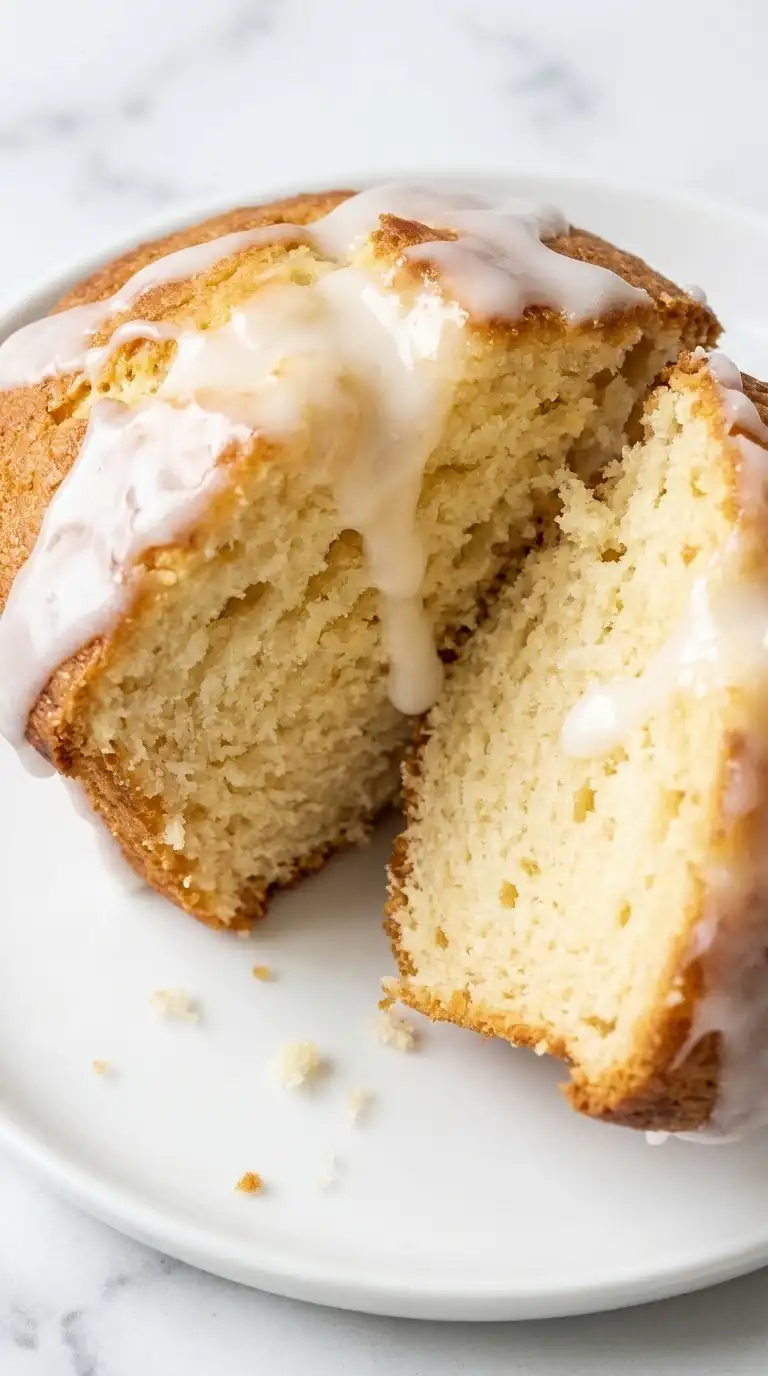
Maintaining the integrity of a glazed muffin requires a strategic approach to storage, primarily because sugar glazes are highly sensitive to humidity. To keep the glaze from turning sticky or dissolving, store your muffins in an airtight container at room temperature, ideally in a cool, dry area away from direct sunlight. Place a sheet of parchment paper between layers to prevent the muffins from sticking to each other. If the environment is humid, the glaze will inevitably absorb moisture and lose its crisp, snappy finish. In such cases, avoid stacking them entirely. When kept properly, they will remain at their best for up to three days. Never store glazed muffins in the refrigerator, as the cold, moist environment will cause the sugar to weep and liquefy, ruining the aesthetic appeal.
For long-term storage, freezing is an excellent option that preserves the texture of the crumb. Wrap each muffin individually in plastic wrap, followed by a layer of aluminum foil to prevent freezer burn, and place them in a heavy-duty freezer bag for up to one month. When you are ready to serve, thaw the muffins at room temperature for approximately two hours. If the glaze appears dull or has absorbed too much moisture during the freezing process, whisk together a quick 'refreshing' glaze—using just one tablespoon of powdered sugar and a few drops of water—and drizzle it over the top just before serving. This minor step restores that signature professional shine and creates a freshly-made appearance, ensuring your muffins look and taste as though they just exited the oven, regardless of when they were actually baked.
For safe storage times, the USDA guidance on leftovers and food safety is a useful reference.
Reader Questions Answered
Is there a way to make a muffin glaze without powdered sugar?
You can try creating a syrup reduction with granulated sugar and water, but it will be sticky rather than a traditional glaze. For the best results, a muffin glaze with powdered sugar provides the signature texture and opacity.
What is the difference between a muffin crumb topping and this glaze?
A muffin crumb topping recipe typically involves mixing butter, flour, and sugar into a sandy texture sprinkled on before baking. A glaze is a liquid mixture applied after baking to add moisture and visual appeal.
What are muffins with icing sugar called?
Muffins topped with a simple sweet glaze are sometimes referred to as glazed muffins or bakery-style muffins. In some word games like Word Craze, you might see them described as iced muffins, even if they feature a thin glaze rather than thick frosting.
Can I use granulated sugar instead of powdered sugar for the glaze?
Using granulated sugar will result in a grainy, crunchy texture that does not set into a smooth finish. It is highly recommended to use powdered sugar for a muffin glaze with granulated sugar simply not being a suitable substitute.
How many letters are in the common term for muffins with icing?
The term 'iced muffins' is 11 characters, but if you are looking for an 8-letter word, you might look at 'cupcakes' though they are distinct from muffins. Many enthusiasts categorize glazed treats simply as 'glazings' or 'sweets'.
How do I ensure my muffin glaze isn't too runny?
If your glaze is too thin, add more powdered sugar one teaspoon at a time until you reach the desired consistency. It should be thick enough to coat the back of a spoon without running off immediately.
More Muffin Recipes to Try
Wrapping Up
Mastering the art of the muffin glaze is a transformative skill that shifts your baking from homemade to professional-grade with minimal effort. The secret to a high-quality glaze lies in the ratio of liquid to sugar; a thinner consistency creates a delicate, transparent sheen, while a thicker, paste-like glaze provides a satisfying, opaque crunch. Always sift your powdered sugar before mixing to avoid unsightly lumps, and ensure the muffins have cooled for at least 20 minutes before applying the glaze. If you glaze while the muffins are piping hot, the sugar will soak entirely into the sponge, resulting in a soggy top rather than a crisp shell. If you glaze too cold, the sugar may pool at the base instead of coating the crown.
When experimenting with flavors, remember that extracts like pure vanilla or almond should be added to the liquid component first to ensure even distribution. For the best visual results, use a wire cooling rack positioned over a rimmed baking sheet; this allows excess glaze to drip off cleanly, preventing the base of your muffins from becoming overly sticky or messy. Whether you are prepping for a celebratory weekend brunch or a convenient weekday snack, these vanilla-glazed muffins offer a sophisticated touch that is sure to impress. Take pride in the precise science of the cooling and glazing process, and find joy in sharing these sweet, meticulously crafted treats with your friends and family. With consistent practice, you will find the perfect balance that makes your kitchen the go-to spot for the best muffins in town.
Related recipes: Simple Homemade Jumbo Muffins for Every Morning, Simple Vanilla Muffin Recipe for Everyday Baking, The Ultimate Guide to Perfect Homemade Muffins, The Complete Guide to Storing, Freezing, and Reheating, The Home Baker’s Guide to Muffin Nutrition and Fiber.
Learn more: Vanilla on Wikipedia · food storage & safety (FoodSafety.gov).
◆ ◆ ◆
← Back to Simple Vanilla Muffins with Sweet Muffin GlazeGet new recipes
One tasty homemade recipe in your inbox each week. No spam, unsubscribe anytime.


Comments