The Home Baker’s Guide to Muffin Nutrition and Fiber: Step-by-Step Instructions

Technical Tips for High-Fiber Success
Baking with high-fiber ingredients can be tricky because fiber absorbs moisture rapidly, often leading to a dry, crumbly outcome if the hydration levels are not adjusted. If you find your muffins turning out dry or chalky, implement these professional adjustments to maintain a moist and tender result while maximizing nutritional density.
- Increase Hydration: Add an extra 2-3 tablespoons of almond milk, yogurt, or applesauce to the batter. These ingredients act as binders, helping to counteract the thirsty nature of whole grains.
- Rest the Batter: Let the batter sit for 10-15 minutes before scooping into the tin. This critical pause allows the oats, bran, or whole wheat flour to fully hydrate, preventing a 'gritty' texture and ensuring a smoother crumb.
- Monitor Heat: Bake at 375°F (190°C) for 18-22 minutes. Because high-fiber muffins are denser than refined flour alternatives, they require a steady, moderate heat to rise properly without drying out.
- Avoid Over-baking: Use a wooden skewer to check the center; it should come out with a few moist crumbs. If the skewer is completely clean, the muffins are likely over-baked and will lose their internal moisture rapidly.
- Cooling Process: Remove the muffins from the tin after 5 minutes and transfer to a wire rack. Leaving them in the hot tin for too long creates condensation, which results in soggy bottoms and a loss of the desirable crisp exterior.
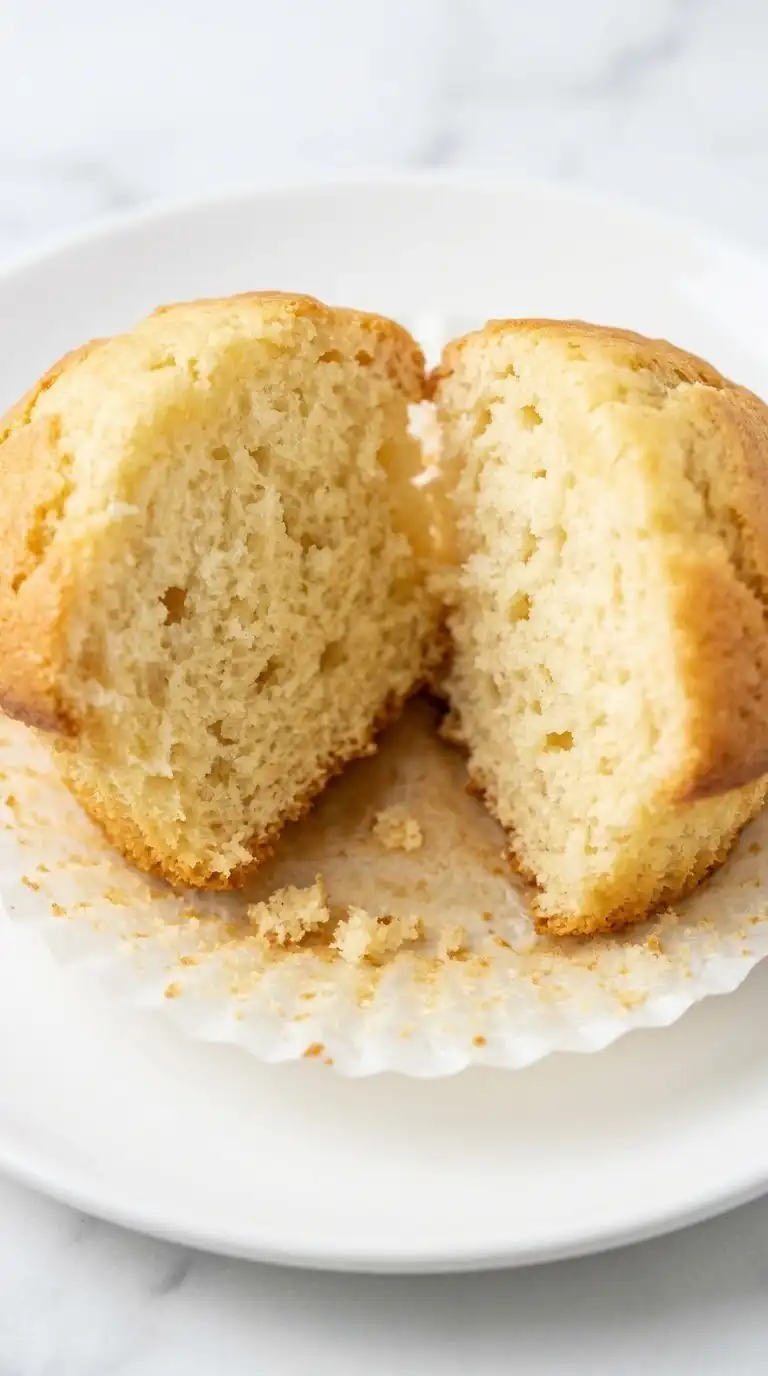
Keeping the Perfect Muffin Crumb
Achieving a light, airy crumb while maximizing fiber is the ultimate goal for any baker seeking to improve the nutritional value of their treats. The secret lies in the fat-to-flour ratio. Using a combination of melted butter for flavor and a splash of Greek yogurt for acidity helps tenderize the gluten, ensuring your muffins remain soft and moist for days after baking. The acidity in yogurt interacts with the leavening agents to create a more lift, which is necessary when working with the heavier, denser properties of whole-grain flours.
Texture Secrets
Avoid over-mixing your batter at all costs. When you fold in your dry ingredients, use a silicone spatula and stop as soon as the last streak of flour disappears. Over-mixing develops too much gluten, which leads to tough, rubbery muffins rather than the delicate, cloud-like crumb shown in our feature photography. A lumpy batter is actually preferred in muffin baking, as these lumps will smooth out during the baking process without compromising the tenderness of the crumb. Another professional tip is to use room-temperature ingredients. Cold eggs or dairy can cause melted butter to seize, resulting in a grainy batter that bakes unevenly. Aim for an ambient temperature of roughly 68°F to 72°F for all components before mixing. Finally, ensure your baking powder is fresh; test it by placing a small amount in hot water to see if it bubbles vigorously. If it does not, replace it immediately, as stale leavening is a primary cause of dense, flat, and unappealing muffins that fail to rise to their potential.
More Muffin Recipes to Try
Reader Questions Answered
Which ingredients add the most fiber to homemade muffins?
The best additions include whole wheat flour, rolled oats, ground flaxseed, chia seeds, psyllium husk, and dried fruits like prunes or apricots.
Can I swap all-purpose flour for whole wheat without ruining the texture?
You can typically substitute up to 50% of the all-purpose flour with whole wheat pastry flour. Using pastry flour instead of standard whole wheat keeps the crumb light and airy.
Are there specific muffins known for helping with digestion?
Muffins incorporating high-fiber fruits like prunes, pears, or apples combined with wheat bran are traditionally favored for digestive support due to their insoluble fiber content.
Do nuts and seeds significantly increase the fiber count?
Yes, adding chopped walnuts, almonds, or flaxseeds adds not only fiber but also healthy fats and minerals to your baked goods.
How does adding fiber affect the baking time?
High-fiber ingredients like bran or oats absorb more liquid than white flour. You may need to add an extra tablespoon of milk or applesauce and keep an eye on your oven, as these muffins often bake slightly denser.
Is it possible to make a moist muffin with high fiber content?
Absolutely. Adding grated zucchini, shredded carrots, or pureed pumpkin provides moisture that balances out the dry nature of fibrous grains.
Bringing It All Together
Baking is both a science and an art, and mastering the nutritional profile of your muffins allows you to create treats that feel good and taste better. By systematically swapping refined flours for whole grains and incorporating seeds like chia or flax along with fiber-rich fruits, you transform a simple kitchen staple into a nourishing start to your day. This shift does not require sacrificing the joy of baking, but rather invites a more mindful approach to how ingredients interact under heat. Remember that your oven is a laboratory; don't be afraid to adjust your hydration levels as you experiment with new, fiber-heavy inclusions. Keep a small notebook to track your variations in flour types or fruit ratios, noting which combinations yield the best rise and texture in your specific environment. Consider the resting period of your batter as a vital step in texture management and always prioritize the gentle folding technique to maintain that signature light crumb. As you continue to refine your process, you will find that the balance of complex carbohydrates and healthy fats becomes second nature. Enjoy the process of creating, sharing, and savoring the perfect golden muffin, confident in the wholesome, nutrient-dense ingredients you have chosen to include. Whether you are baking for a quick weekday breakfast or a weekend brunch, these adjustments ensure that your creations remain high in quality and satisfying to the palate, proving that nutritious choices are the most delicious ones for the long term.
Related recipes: Simple Vanilla Muffin Recipe for Everyday Baking, The Ultimate Guide to Perfect Homemade Muffins, The Complete Guide to Storing, Freezing, and Reheating, The Ultimate Muffin Pan and Equipment Guide for Home Bakers, The Ultimate Muffin Troubleshooting Guide for Home Bakers.
Learn more: Nutrition on Wikipedia · food storage & safety (FoodSafety.gov).
◆ ◆ ◆
← Back to The Home Baker’s Guide to Muffin Nutrition and FiberGet new recipes
One tasty homemade recipe in your inbox each week. No spam, unsubscribe anytime.


Comments