The Ultimate Muffin Troubleshooting Guide for Home Bakers: Step-by-Step Instructions
Avoiding the Sticky Muffin Trap
Understanding Moisture Retention
Sticky, tacky tops are almost always a result of trapped condensation. When a muffin leaves the oven, it is loaded with internal steam. If you place a warm muffin into an airtight storage container or plastic bag, that steam has nowhere to escape. Instead, it hits the cool walls of the container, turns back into water droplets, and drips onto your muffins, transforming a crisp, delicate crust into a gummy, sticky mess. This surface moisture can also promote premature staling and mold growth if left unchecked. The humidity level in your kitchen also plays a role; on damp days, muffins will naturally hold onto more surface moisture, so allow for an extra ten minutes of cooling time compared to your usual routine.
The Importance of Airflow
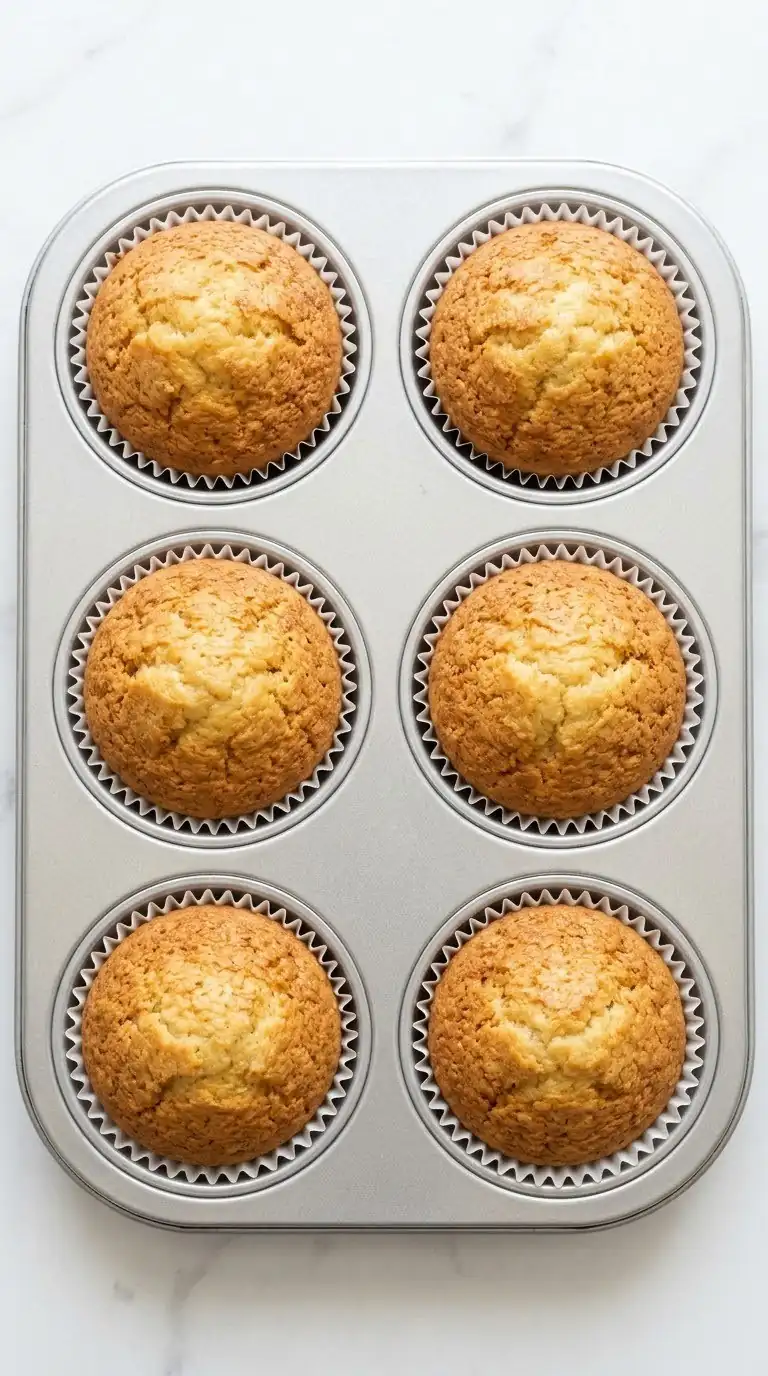
To keep the crust intact and prevent stickiness, proper cooling is non-negotiable. Once your muffins finish baking, remove them from the hot tin immediately—after resting for only three to five minutes. Leaving them in the hot metal pan causes the bottoms to steam against the trapped heat, leading to soggy bases. Transfer them to a wire cooling rack, which allows air to circulate 360 degrees around the muffin, including the bottom. Leave the muffins uncovered for at least one hour, or until they feel completely cool to the touch and the crust has set. Only when the muffin has reached room temperature should you place it in an airtight container or a bag. For the best texture, keep a small paper towel in the container to absorb any latent humidity that might arise during storage.
The Role of Ratios and Ingredients
Precision in Formulation
Baking is a precise chemical reaction; shifting your ratio of fats, proteins, and liquids even slightly will alter the final crumb. If a muffin is too dense, you have likely over-mixed the batter or used too much flour. When flour is mixed with liquid, gluten begins to develop; if you over-mix, the muffins become chewy and tough. Stop mixing the moment your dry ingredients are just moistened—it is perfectly acceptable to have a few small lumps in the batter. Conversely, if your muffins fall flat after rising, you may have used too much leavening agent. Too much baking powder creates large bubbles that pop prematurely, causing the structure to collapse before it has finished setting. Always verify your expiration dates on leavening agents, as old baking powder loses its strength and won't provide the necessary lift.
- Use the 'dip and sweep' method: dip the measuring cup into the flour container, then level the top with a flat knife to avoid packing.
- Weight is king: using a digital scale to measure flour in grams (typically 120g per cup) is far more consistent than volume measurements.
- Manage your temperature: ensure eggs, butter, and milk are at room temperature (around 68°F/20°C) before combining. Cold fat inhibits proper aeration during the creaming stage, while room-temperature ingredients emulsify seamlessly, creating a better foundation for gas bubbles to form and hold during the bake.
More Muffin Recipes to Try
Reader Questions Answered
What is the secret to getting big, professional-style domed muffin tops?
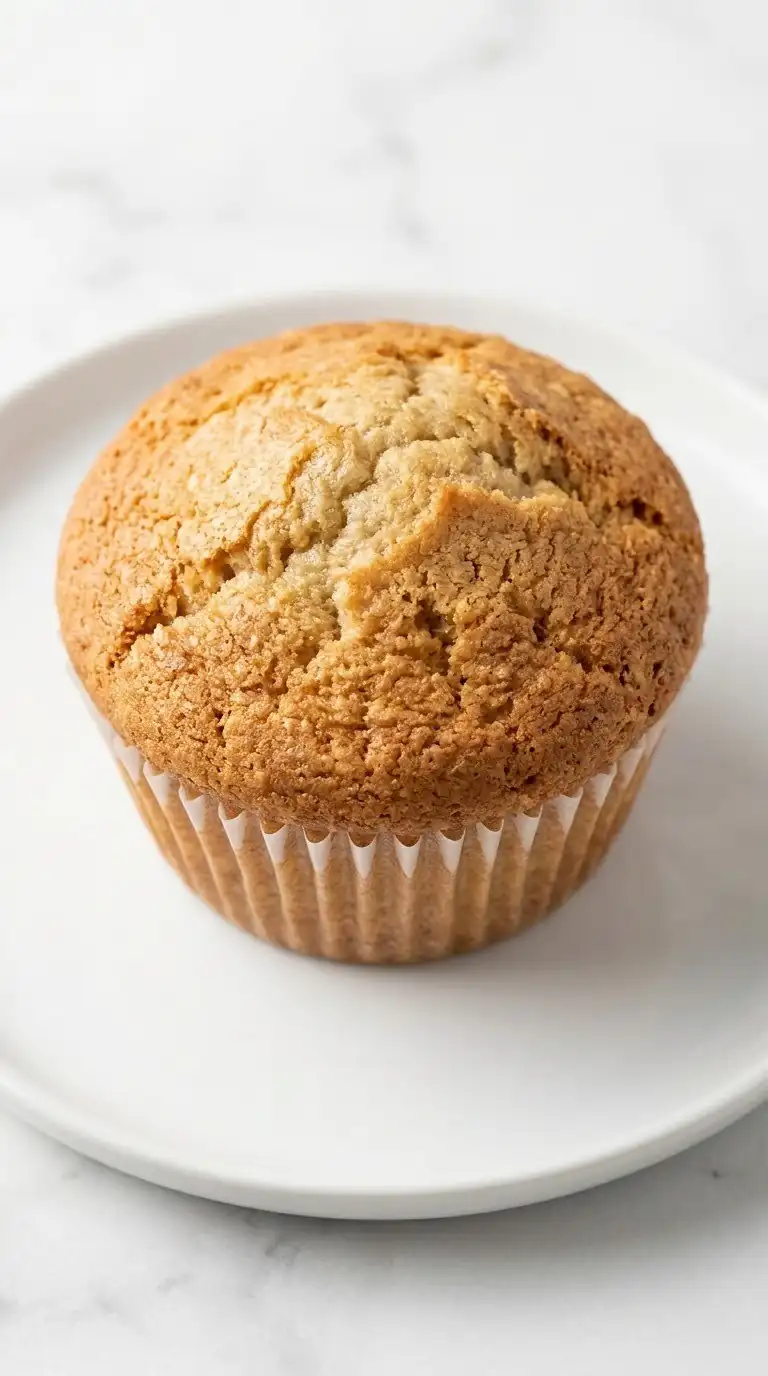
The secret is a two-step temperature method. Start your muffins at 400°F for the first five to seven minutes to trigger a rapid rise, then lower the heat to 350°F to finish cooking the interior without burning the tops.
Can I bake muffins without a specialty muffin pan?
While a muffin pan is ideal for structural integrity, you can use sturdy, double-layered paper liners placed on a flat baking sheet if you have no other choice. However, the muffins will spread significantly and lose their characteristic vertical height.
Are there specific cereal-based methods for topping muffins?
Adding a crunchy topping of crushed corn-based cereal mixed with brown sugar and melted butter before baking adds a fantastic texture contrast, though it does not contribute to the actual dome height of the muffin.
Why do my muffins sometimes have a rubbery or dense body?
A dense or rubbery body is almost always the result of over-mixing. Once you add your wet ingredients to the dry, mix only until the flour streaks disappear; the batter should remain slightly lumpy for the best texture.
Is the height of a muffin top related to the amount of egg used?
Eggs provide the structure needed for rising. If your muffins lack height, you may be using eggs that are too cold or not using enough leavening agents relative to the size of your eggs, which prevents the proper expansion of the air pockets.
What is the best way to prevent sticky muffin tops?
Sticky tops usually occur when steam is trapped in the container while the muffins are still warm. Always let your muffins cool completely on a wire rack before storing them in an airtight container to prevent moisture from pooling on the surface.
Final Thoughts on Muffin Excellence
Refining Your Process
Mastering the muffin is a journey of understanding the variables in your own kitchen. While a recipe provides the framework, your specific environment—the humidity in your air, the accuracy of your oven’s thermostat, and the type of pan you use—dictates the final outcome. Troubleshooting is not a sign of failure but rather a tool for improvement. Start by ensuring your oven is calibrated; an inexpensive oven thermometer can reveal that a dial set to 350°F might actually be running at 330°F, which explains why your muffins never quite brown. By systematically observing the texture and height of each batch, you gain the knowledge to make small, calculated adjustments.
Keep a small baking journal to document these variables. Record the date, the specific flour brand or leavening age, the exact rack position, and the total bake time. If your muffins came out dry, note that you might reduce the oven time by two minutes or increase the fat content by a tablespoon next time. If they were too dense, note that you should fold the dry ingredients in with even more caution. By taking these methodical steps, you remove the guesswork from your morning routine. With consistent attention to mixing, heat management, and cooling, you will transform your kitchen into a reliable bakery, ensuring that every muffin you pull from the oven is perfectly domed, light in texture, and free from any unwanted stickiness. Consistent practice makes perfect, and soon, these troubleshooting steps will become second nature, allowing you to focus on the creativity of flavor and topping combinations.
Related recipes: Simple Vanilla Muffin Recipe for Everyday Baking, The Ultimate Guide to Perfect Homemade Muffins, The Complete Guide to Storing, Freezing, and Reheating, The Home Baker’s Guide to Muffin Nutrition and Fiber, The Ultimate Muffin Pan and Equipment Guide for Home Bakers.
Learn more: Troubleshooting on Wikipedia · food storage & safety (FoodSafety.gov).
◆ ◆ ◆
← Back to The Ultimate Muffin Troubleshooting Guide for Home BakersGet new recipes
One tasty homemade recipe in your inbox each week. No spam, unsubscribe anytime.


Comments