Simple Vanilla Muffins No Eggs Recipe
↓ Jump to Recipe
Learn how to make fluffy vanilla muffins no eggs required with this simple guide. These pantry staples create a light, golden breakfast treat.
Finding a reliable recipe for muffins no eggs can be a challenge, but this vanilla base is consistently delicious. You don't need fancy ingredients to achieve a bakery-style dome and a tender crumb. This easy muffins no eggs approach relies on the reaction between vinegar and baking soda to provide the necessary lift. Whether you are avoiding eggs due to allergies or simply out of stock, this simple muffin recipe no egg is a lifesaver. Follow these steps to master the art of the perfect eggless bake every single time.
Table of Contents
Table of Contents
Ingredients
- 2 cups all-purpose flour (250g)
- 3/4 cup granulated sugar (150g)
- 1 tablespoon baking powder (12g)
- 1/2 teaspoon salt (3g)
- 1 cup whole milk (240ml)
- 1/3 cup vegetable oil (80ml)
- 1 teaspoon vanilla extract (5ml)
- 1 tablespoon white vinegar (15ml)
- 1/4 cup unsweetened applesauce (60g)
- 1/4 cup extra milk (if needed) (60ml)
To create this reliable muffin recipe no eggs, ensure your baking powder is fresh for the best rise. These pantry staples work together to replicate the structure usually provided by eggs.
Essential Kitchen Tools
Must-Have Equipment
| Tool | Purpose |
|---|---|
| Muffin Tin | Standard 12-cup size |
| Whisk | Aerates the dry ingredients |
| Mixing Bowls | Two bowls for the wet/dry method |
| Silicone Spatula | Gentle folding of batter |
Why This Recipe Works
The Chemistry of No-Egg Baking
Achieving a bakery-style rise without eggs relies on precise chemical leavening. When you combine an acid, typically apple cider vinegar, with baking powder, a reaction occurs that produces carbon dioxide bubbles immediately upon mixing. These bubbles become trapped in the structure of the batter, expanding as the muffins heat up in the oven to create that signature domed top. Because eggs are usually responsible for binding and structure, we use applesauce as a vital substitute. The pectin and water content in unsweetened applesauce provide enough viscosity to hold the structure together without the density typically caused by gluten overdevelopment.
Fat, in the form of neutral vegetable oil, is essential here because it coats the flour proteins, preventing them from bonding too tightly and turning your muffins rubbery. By balancing the acidity of the vinegar with the fat from the oil and the moisture from the applesauce, we create a stable emulsion. The result is a muffin that is light, fluffy, and moist, with a tender crumb that holds its shape. If you were to skip the vinegar, the baking powder would have nothing to activate against, leading to flat, dense hockey pucks instead of airy treats. This science-backed approach ensures consistent results every single time you bake, provided you measure your ingredients by weight rather than volume to maintain the precise balance of acidic and basic components.
Pro Tips for Better Results
Achieving the Perfect Rise
- Do not overmix: Use a spatula to fold the wet and dry ingredients together just until no streaks of flour remain. Over-mixing encourages gluten development, which turns a light muffin into a chewy, dense loaf. Stop the moment you see the batter is combined.
- Temperature consistency: Ensure your milk and applesauce are at room temperature. Cold ingredients can cause the oil to solidify prematurely, resulting in an uneven, lumpy batter that won't rise properly.
- Oven precision: Always preheat your oven to 375°F (190°C) for at least 20 minutes before baking. Use an independent oven thermometer to verify the temperature, as built-in dials are often inaccurate. Sliding the tray into an oven that is too cool will prevent the leavening agents from reacting quickly enough.
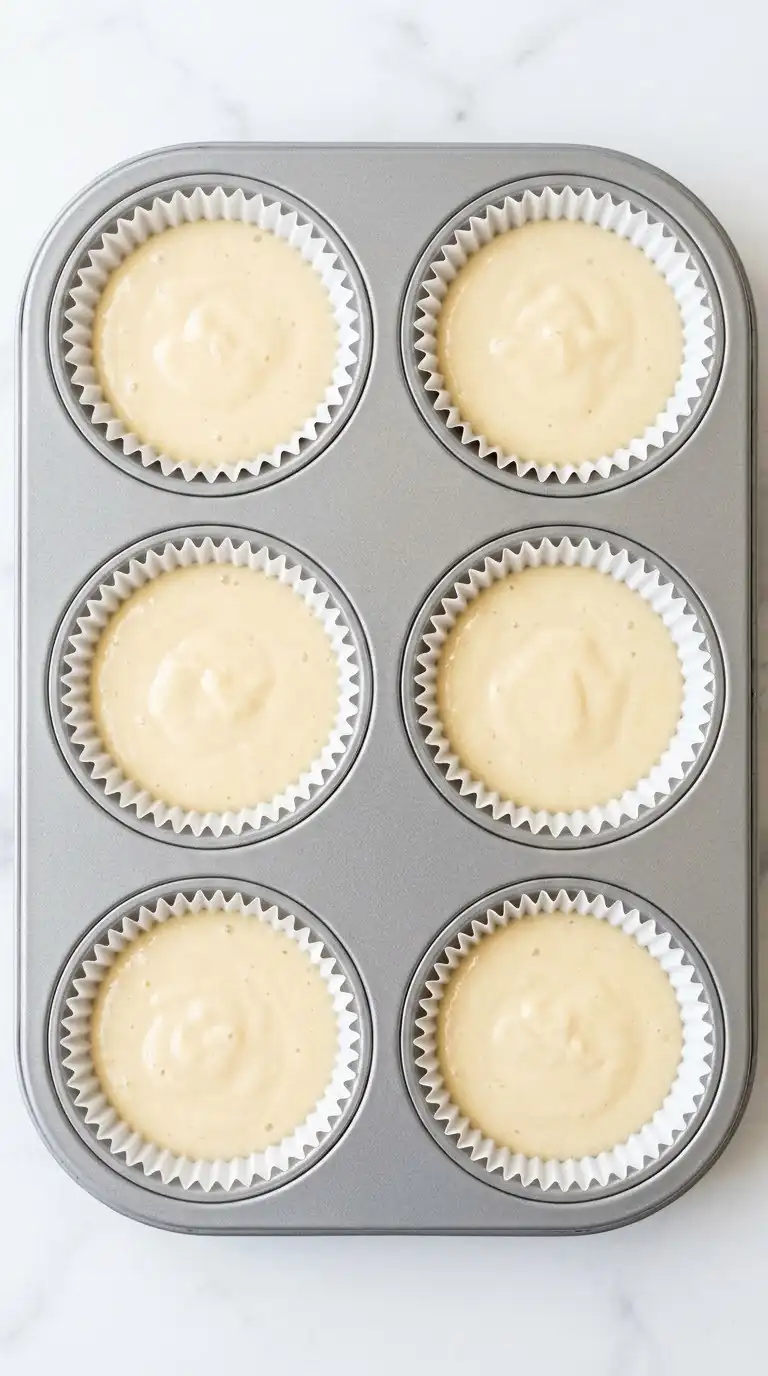
- Pan preparation: Fill your muffin liners about three-quarters full. This leaves enough room for the rise while ensuring the heat reaches the center of each muffin before the tops set.
- The toothpick test: Bake for exactly 20 to 22 minutes. A wooden toothpick inserted into the center should come out clean or with only a few moist crumbs attached. If it is wet, add two minutes and check again.
- Cooling matters: Let the muffins sit in the pan for exactly 5 minutes after removing them from the oven. This allows the structure to set so they do not fall apart when you move them to a wire cooling rack. Leaving them too long in the hot tin will cause the bottoms to steam and become soggy.
Nutrition Facts (per serving)
Nutritional Breakdown
| Serving Size | 1 Muffin |
| Calories | 210 kcal |
| Total Fat | 7g |
| Carbohydrates | 34g |
| Protein | 3g |
Figures are estimates; you can check individual ingredients in USDA FoodData Central.
Instructions
- Preheat your oven to 375°F (190°C) and line a 12-cup muffin tin with paper liners to prevent sticking.
- In a large bowl, whisk together the flour, sugar, baking powder, and salt until thoroughly combined to ensure an even rise.
- In a separate medium bowl, combine the milk, oil, vanilla, vinegar, and applesauce; the vinegar reacts with the baking soda/powder to create air bubbles.
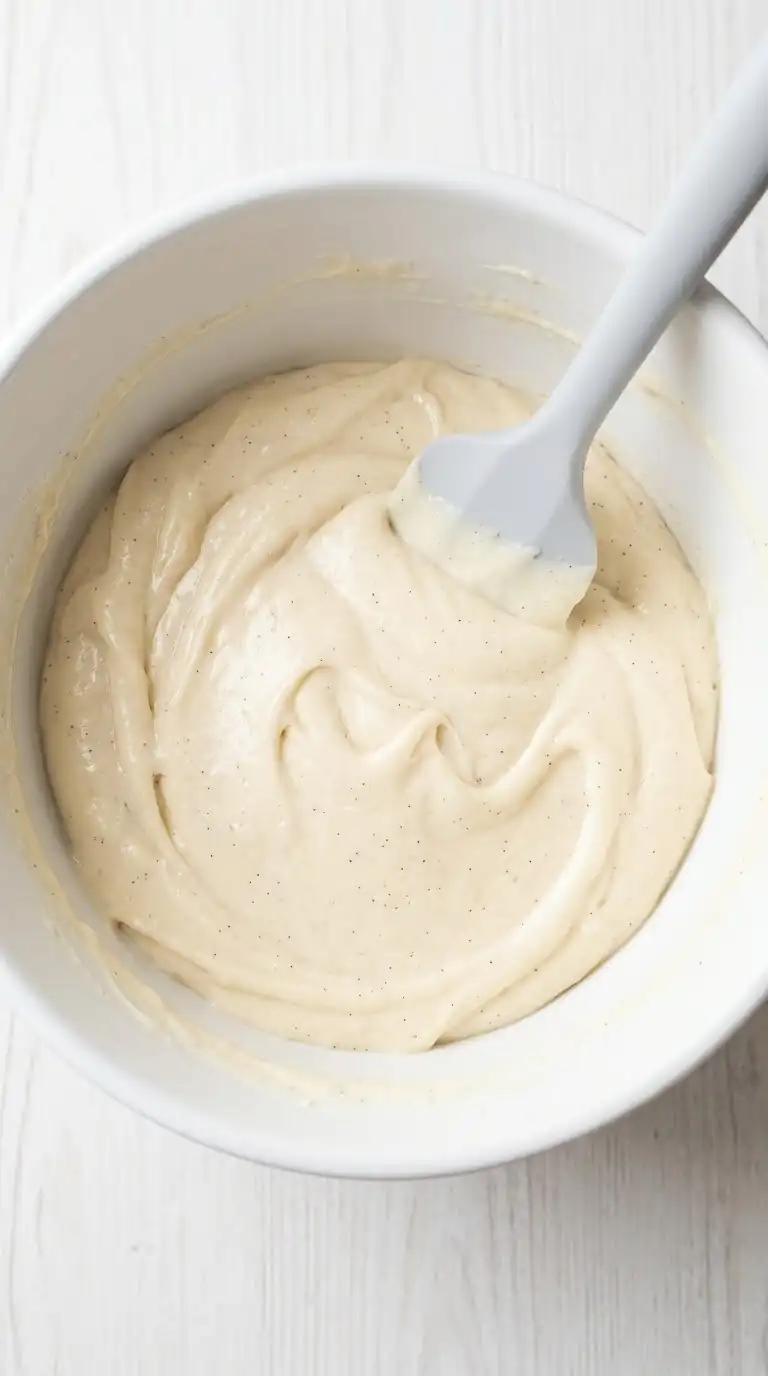
- Pour the wet ingredients into the dry mixture, stirring gently with a spatula just until the flour disappears to keep the crumb tender.
- Divide the thick batter evenly among the 12 muffin cups, filling each about three-quarters of the way full for optimal growth.
- Bake for 18 to 20 minutes on the center rack, testing doneness by inserting a toothpick into the center to ensure it comes out clean.
- Allow the muffins to cool in the pan for 5 minutes before transferring them to a wire rack to prevent the bottoms from becoming soggy.
- Let the muffins cool completely before serving to ensure the structure is set, resulting in the desired light and airy texture.
Recipe Variations
Customizing Your Muffins
This egg-free base acts as a perfect canvas for a variety of flavors, but the integrity of your rise depends on how you handle add-ins. Because we are relying on a delicate chemical balance, you should avoid adding heavy, moisture-dense ingredients like oversized chunks of fruit or large quantities of heavy nut butters, which can cause the center of the muffins to collapse. Instead, stick to light inclusions like frozen wild blueberries, which are smaller and distribute evenly, or high-quality chocolate chips that are tossed in a tiny amount of flour before folding. This flour coating prevents the chips from sinking to the bottom of the tin during the bake.
For spiced variations, add one teaspoon of ground cinnamon or a half-teaspoon of ground nutmeg to your dry ingredients before whisking. You can also swap the vanilla extract for almond or lemon extract for a brighter profile. If you want a textural contrast, consider adding a tablespoon of poppy seeds or finely shredded toasted coconut; both are light enough that they won't interfere with the rising process. When adding dry elements like seeds or chopped nuts, keep the total weight of these additions under half a cup to ensure the muffin batter remains light. Remember, if you add something inherently sweet like extra chocolate or dried fruit, you do not need to adjust the sugar in the base recipe. Always fold these extras in as the very final step, using a gentle hand to maintain the air bubbles you worked so hard to create during the mixing process.
Simple Vanilla Muffins No Eggs Recipe
Learn how to make fluffy vanilla muffins no eggs required with this simple guide. These pantry staples create a light, golden breakfast treat.
Ingredients
Instructions
- Preheat your oven to 375°F (190°C) and line a 12-cup muffin tin with paper liners to prevent sticking.
- In a large bowl, whisk together the flour, sugar, baking powder, and salt until thoroughly combined to ensure an even rise.
- In a separate medium bowl, combine the milk, oil, vanilla, vinegar, and applesauce; the vinegar reacts with the baking soda/powder to create air bubbles.
- Pour the wet ingredients into the dry mixture, stirring gently with a spatula just until the flour disappears to keep the crumb tender.
- Divide the thick batter evenly among the 12 muffin cups, filling each about three-quarters of the way full for optimal growth.
- Bake for 18 to 20 minutes on the center rack, testing doneness by inserting a toothpick into the center to ensure it comes out clean.
- Allow the muffins to cool in the pan for 5 minutes before transferring them to a wire rack to prevent the bottoms from becoming soggy.
- Let the muffins cool completely before serving to ensure the structure is set, resulting in the desired light and airy texture.