Simple Soft Homemade Muffins Vanilla Recipe
↓ Jump to Recipe
Learn how to bake these tender muffins vanilla from scratch. This easy muffins vanilla guide ensures a soft, bakery-style crumb every single time.
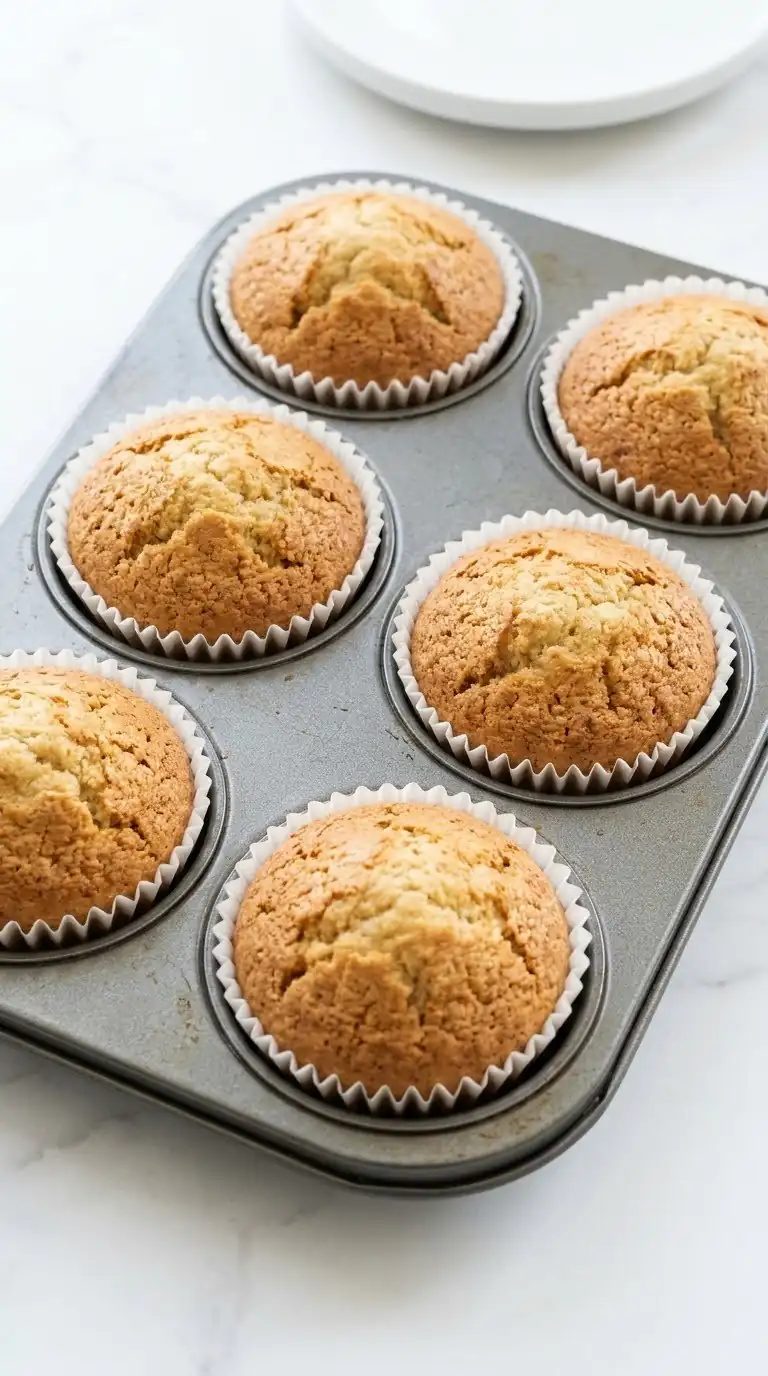
Finding the right muffins vanilla recipe can feel like a search for the holy grail of baking. These muffins are designed to be light, airy, and delicately flavored with pure vanilla extract. We prioritize a simple method that produces a beautiful golden dome and a moist interior. Whether you are a novice or a seasoned baker, this approach will become your new go-to. Let's get into the kitchen and bake a batch that fills your home with a comforting, sweet aroma.
Table of Contents
Table of Contents
Ingredients
- 2 cups (250g) all-purpose flour
- 3/4 cup (150g) granulated sugar
- 1 tablespoon (12g) baking powder
- 1/4 teaspoon (1g) salt
- 1 cup (240ml) whole milk
- 1/2 cup (115g) unsalted butter, melted and cooled
- 2 large eggs, room temperature
- 2 teaspoons (10ml) pure vanilla extract
- 1/4 cup (50g) sour cream
- 1 tablespoon (15g) coarse sugar for topping
These simple pantry staples are all you need to create the best vanilla muffins. We recommend using room-temperature dairy for the best emulsification.
Essential Kitchen Tools
| Tool | Purpose |
|---|---|
| Mixing Bowls | Keeping wet and dry components separate |
| Whisk | Ensuring a lump-free batter |
| Muffin Tin | Standard 12-hole pan for even baking |
| Rubber Spatula | Gentle folding of the ingredients |
Why This Recipe Works
The Science of Perfection
The secret to this vanilla muffin recipe lies in the chemistry of sour cream. Unlike regular milk, sour cream provides a higher fat content and a thick, acidic base that tenderizes the gluten strands, resulting in an incredibly soft, velvet-like crumb. The acid also reacts with the baking powder to encourage a rapid, vigorous lift during the initial stages of baking. To achieve the bakery-style domed top, we begin by preheating the oven to 425°F. The initial blast of high heat forces the steam to expand inside the batter quickly before the structure sets, pushing the muffin upward rather than outward. After exactly five minutes, we reduce the temperature to 350°F to ensure the center finishes baking thoroughly without burning the tops. This specific temperature shift is the industry standard for creating that professional, golden-brown crown. Furthermore, using room-temperature eggs and dairy ensures that the ingredients emulsify correctly into a smooth batter, preventing a greasy or uneven texture. By whisking the sugar and butter until light and airy, we incorporate tiny air bubbles that expand in the heat, creating a light, sponge-like internal structure that is neither dense nor gummy. This precise balance of fats, leavening agents, and temperature control ensures that every batch is consistently moist, fluffy, and aesthetically pleasing, providing a reliable foundation for any vanilla lover to enjoy time and time again.
Pro Tips for Better Results
Mastering the Muffin Technique
The cardinal rule for perfect muffins is to embrace the lumps. Many bakers fall into the trap of over-mixing the batter, aiming for a silky smooth consistency that leads to a disastrous final texture. When flour comes into contact with liquid, gluten proteins begin to form chains; excessive agitation develops these chains, resulting in a rubbery, tough muffin that lacks a tender bite. Instead, use a rubber spatula to fold the dry ingredients into the wet ones just until no streaks of flour remain. If you see tiny pockets of flour, leave them be; they will dissolve during the baking process without compromising the structure. Another critical mistake is using expired leavening agents. Baking powder is the engine of your muffin; test it by dropping a pinch into hot water. If it does not bubble aggressively, discard it and buy fresh powder. Furthermore, do not overfill your muffin tin. Filling the liners about three-quarters of the way full allows sufficient room for the rise. If you fill them to the brim, the batter will spill over, creating a messy, flat-topped muffin rather than a tall, rounded one. Finally, allow the muffins to cool in the pan for five minutes before moving them to a wire rack. This brief rest helps the delicate structure firm up so they do not fall apart when handled. Following these technical constraints guarantees a light, bakery-quality result every time you preheat your oven.
Nutrition Facts (per serving)
| Nutrient | Amount |
|---|---|
| Calories | 285 kcal |
| Carbohydrates | 42g |
| Protein | 5g |
| Fat | 11g |
Figures are estimates; you can check individual ingredients in USDA FoodData Central.
Instructions
- Preheat your oven to 400°F (200°C) and line a 12-cup muffin tin with paper liners to ensure the muffins release easily without sticking.
- In a large mixing bowl, whisk together the flour, sugar, baking powder, and salt until well combined to ensure the leavening agent is evenly distributed.
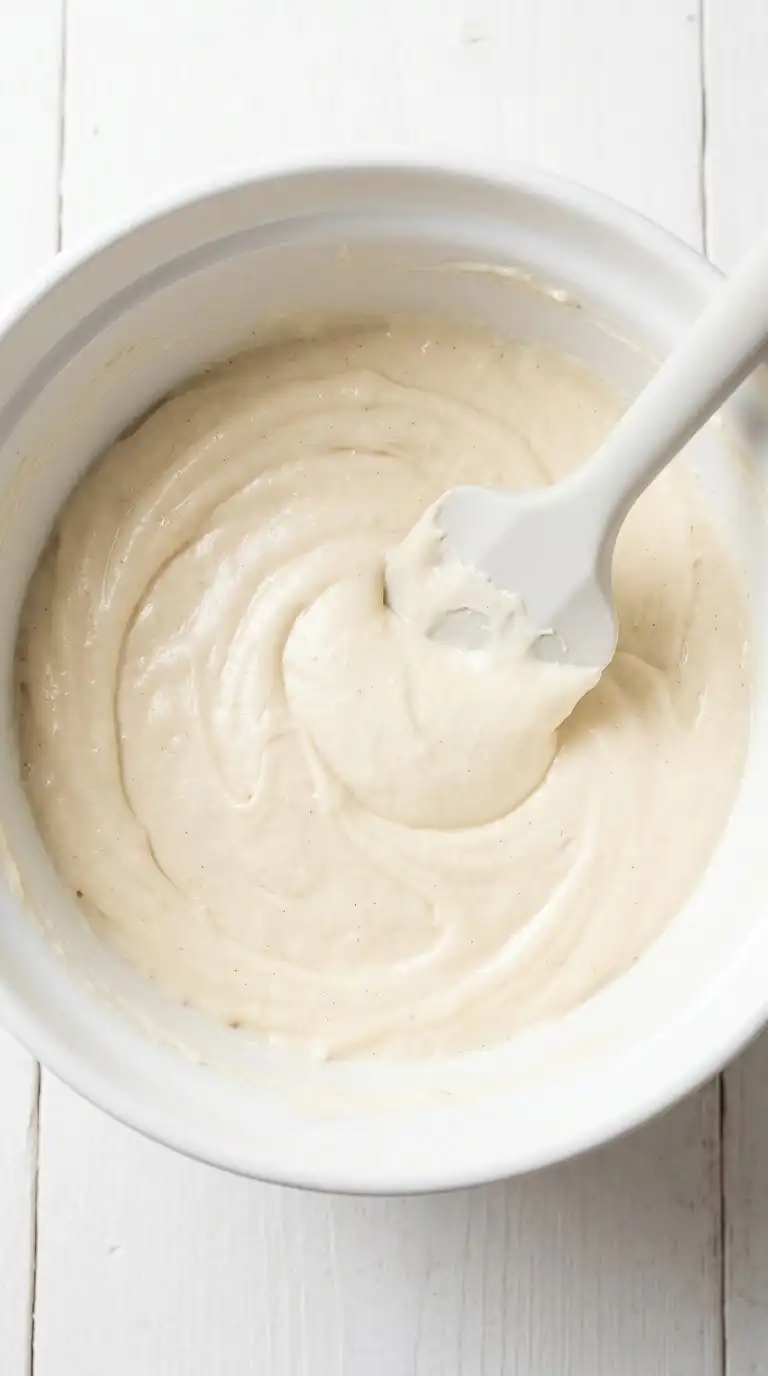
- In a separate medium bowl, whisk the milk, melted butter, eggs, vanilla, and sour cream until smooth, which helps create a uniform, emulsified batter.
- Pour the wet ingredients into the dry ingredients and stir with a spatula just until the streaks of flour disappear, avoiding over-mixing to keep the crumb tender.
- Divide the batter evenly among the twelve muffin cups, filling each about three-quarters full to encourage a nice rise.
- Sprinkle a little coarse sugar over the tops for a slight crunch and aesthetic appeal before placing the pan into the oven.
- Bake at 400°F (200°C) for 5 minutes, then reduce the heat to 375°F (190°C) for an additional 15 minutes to allow for a taller rise and even browning.
- Test for doneness by inserting a toothpick into the center; if it comes out clean with no raw batter, they are ready to be removed.
- Let the muffins cool in the pan for 5 minutes before transferring them to a wire rack, which prevents the bottoms from becoming soggy due to trapped steam.
Recipe Variations
Creative Customizations
Mastering this vanilla foundation opens a world of culinary experimentation, as its neutral, aromatic profile serves as the perfect canvas for your imagination. If you prefer a texture-rich muffin, fold in half a cup of chopped toasted walnuts or pecans; the earthy crunch complements the sweet vanilla base beautifully. For those who enjoy a brighter profile, add a tablespoon of freshly grated lemon or orange zest to the sugar before mixing. The essential oils in the citrus peel infuse the sugar, creating a vibrant, aromatic depth that permeates the entire muffin. If you crave a comforting spice profile, whisk a teaspoon of ground cinnamon or a half-teaspoon of ground cardamom into your dry ingredients. For a burst of moisture and flavor, incorporate three-quarters of a cup of fresh blueberries, raspberries, or finely diced apples. If using frozen fruit, toss them in a small amount of flour first to prevent them from sinking to the bottom of the tin during the bake. You can even drizzle a simple vanilla glaze—made from powdered sugar, a splash of water, and vanilla extract—over the cooled muffins for an extra touch of sweetness. While the base recipe is technically complete, these subtle additions allow you to rotate through flavors without ever having to adjust the core ratios of flour, sugar, or fats. Always remember to add any inclusions at the very last second, folding them in gently by hand, to ensure the batter does not become over-worked or stained by the fruit juices.
Simple Soft Homemade Muffins Vanilla Recipe
Learn how to bake these tender muffins vanilla from scratch. This easy muffins vanilla guide ensures a soft, bakery-style crumb every single time.
Ingredients
Instructions
- Preheat your oven to 400°F (200°C) and line a 12-cup muffin tin with paper liners to ensure the muffins release easily without sticking.
- In a large mixing bowl , whisk together the flour, sugar, baking powder, and salt until well combined to ensure the leavening agent is evenly distributed.
- In a separate medium bowl, whisk the milk, melted butter, eggs, vanilla, and sour cream until smooth, which helps create a uniform, emulsified batter.
- Pour the wet ingredients into the dry ingredients and stir with a spatula just until the streaks of flour disappear, avoiding over-mixing to keep the crumb tender.
- Divide the batter evenly among the twelve muffin cups, filling each about three-quarters full to encourage a nice rise.
- Sprinkle a little coarse sugar over the tops for a slight crunch and aesthetic appeal before placing the pan into the oven.
- Bake at 400°F (200°C) for 5 minutes, then reduce the heat to 375°F (190°C) for an additional 15 minutes to allow for a taller rise and even browning.
- Test for doneness by inserting a toothpick into the center; if it comes out clean with no raw batter, they are ready to be removed.
- Let the muffins cool in the pan for 5 minutes before transferring them to a wire rack, which prevents the bottoms from becoming soggy due to trapped steam.