Soft and Golden Homemade Muffins with Yeast
↓ Jump to Recipe
Discover how to make soft, bakery-style muffins with yeast. This simple guide helps you create a light, porous crumb that is truly delicious.
Baking muffins with yeast is a wonderful way to achieve a unique, airy texture that traditional quick breads often lack. Unlike baking powder-leavened treats, this method uses a slow rise to develop flavor and a delightful, bread-like structure. Following a proper muffins with yeast recipe allows the dough to build strength, resulting in a golden-brown top and a tender interior. Once you master this classic technique, you will love the way the kitchen fills with the comforting scent of rising dough. It is a rewarding process that turns humble pantry staples into a breakfast masterpiece.
Table of Contents
Table of Contents
Ingredients
- 3 cups (375g) all-purpose flour
- 1/4 cup (50g) granulated sugar
- 2 1/4 tsp (7g) instant yeast
- 1/2 tsp (3g) salt
- 1 cup (240ml) warm whole milk, 110F (43C)
- 1 large egg, room temperature
- 4 tbsp (56g) unsalted butter, softened
- 1 tsp (5ml) vanilla extract
- 1/2 cup (75g) fresh blueberries
- 1 tbsp (8g) powdered sugar for dusting
To achieve that signature bakery finish, ensure your milk is at a warm, comfortable temperature—roughly 110F (43C)—which is the sweet spot for yeast activity. Fresh blueberries provide a beautiful contrast to the buttery, yeast-leavened dough.
Essential Kitchen Tools
Must-Have Gear
| Tool | Purpose |
| Digital Scale | Precision weighing of flour. |
| 12-Cup Muffin Tin | Ensures even heat distribution. |
| Whisk | Aerates the dry ingredients. |
| Wire Rack | Prevents soggy bottoms during cooling. |
Why This Recipe Works
The Power of Fermentation
Using yeast as a leavening agent transforms the standard muffin from a dense, cake-like treat into a sophisticated, bread-adjacent pastry with a superior, airy architecture. In conventional muffins, chemical leaveners react instantly, creating a rapid rise that often collapses once removed from the oven. In contrast, yeast fermentation requires time, which allows for the slow development of a gluten network. This elastic protein structure serves as a robust net that catches the carbon dioxide released by the yeast, resulting in a significantly more porous, pillowy crumb.
Beyond texture, the fermentation process introduces a mild, complex tang that chemical agents cannot replicate. By allowing your dough to rise at a controlled ambient temperature of approximately 75°F for about sixty to ninety minutes, you enable enzymes to break down starches into simple sugars. This not only deepens the flavor profile but also contributes to a richer, mahogany-colored crust due to the enhanced Maillard reaction during baking. To ensure success, avoid using water that exceeds 110°F, as high heat will kill the yeast cells prematurely and leave you with a flat, leaden product. Aim for a slightly tacky dough consistency; if the dough is too stiff, the yeast will struggle to inflate the bubbles, and if it is too wet, the structural integrity will fail during the oven spring. By masterfully balancing these biological variables, you achieve the signature café-quality aesthetic that defines professional artisanal baking.
Pro Tips for Better Results
Achieving Success
The secret to mastering yeast-leavened muffins lies in the precise management of temperature and handling. During the proofing stage, your kitchen should ideally remain between 72°F and 78°F. If your environment is colder, place the mixing bowl inside a turned-off oven with a small bowl of steaming water nearby to create a gentle, humid incubator. Avoid placing the dough near direct heat sources like radiators, as this can encourage uneven fermentation, leading to large, gaping holes in some areas and dense, unrisen spots in others. Once the dough has doubled in size, handle it with extreme tenderness; de-gassing the dough too aggressively will undo all the work the yeast has performed.
When incorporating mix-ins like blueberries, patience is paramount. Fold them in using a wide silicone spatula, moving from the bottom of the bowl upward in a circular motion only until just combined. Over-mixing at this stage creates friction that ruins the delicate air pockets and bruises the fruit, leading to unsightly streaking. If you are using frozen fruit, do not thaw them; coat them in a tablespoon of flour before folding to prevent excess moisture from coloring your batter. Furthermore, ensure your oven is fully preheated to 375°F before the muffins go in. Inserting the tins into an oven that has not reached temperature will result in a sluggish rise and a gummy, undercooked center. Always test doneness with a wooden skewer inserted into the center, looking for a clean removal, typically achieved after 18 to 22 minutes of baking.
Nutrition Facts (per serving)
Nutritional Breakdown
| Calories | 210 kcal |
| Carbohydrates | 38g |
| Protein | 6g |
| Fat | 4g |
Figures are estimates; you can check individual ingredients in USDA FoodData Central.
Instructions
- In a large bowl, whisk together the flour, sugar, yeast, and salt to ensure the dry components are well distributed for an even rise.
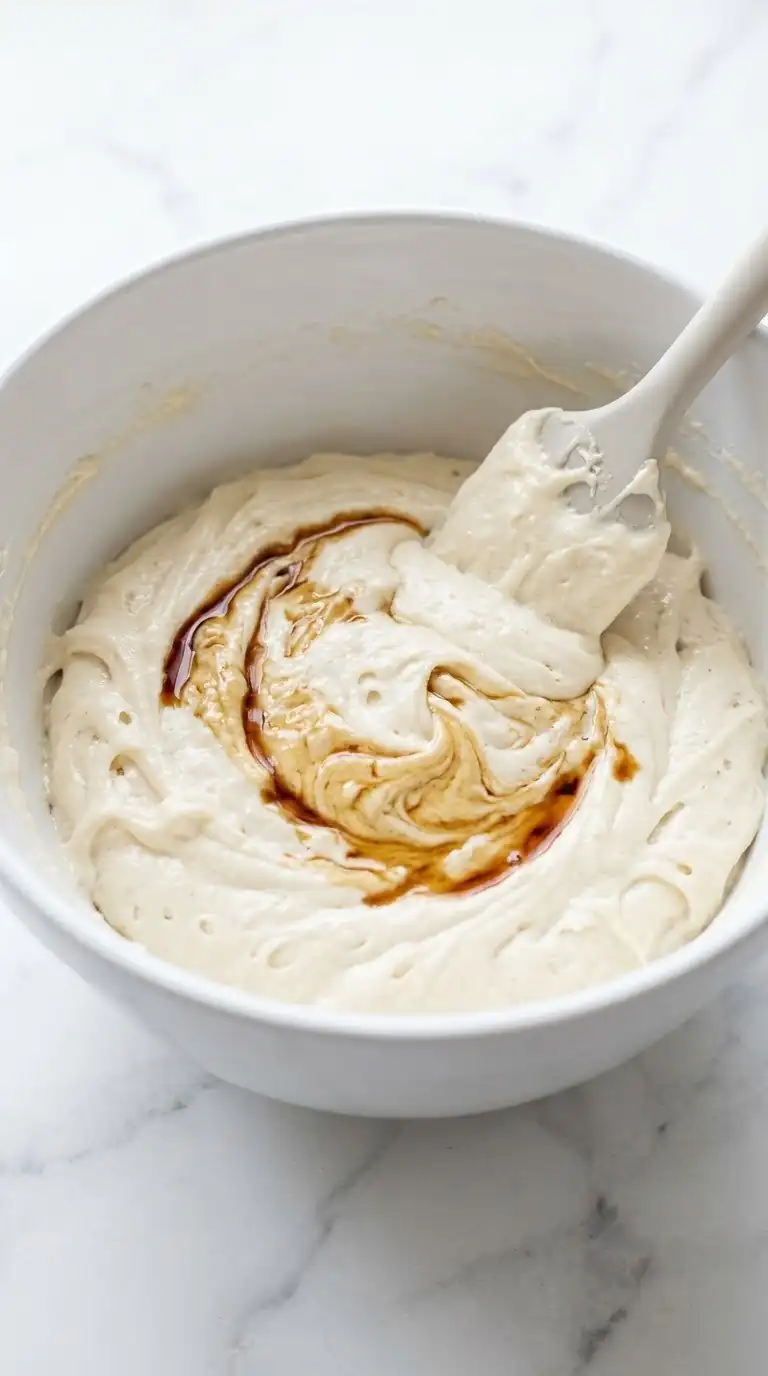
- Add the warm milk, egg, softened butter, and vanilla to the dry ingredients, mixing with a sturdy spoon until a soft, sticky dough forms.
- Knead the dough gently for 5 minutes by hand or with a mixer on low speed to develop the gluten structure necessary for a light crumb.
- Cover the bowl with a clean kitchen towel and place it in a warm, draft-free spot for 60 minutes or until it has doubled in volume.
- Once risen, gently deflate the dough and fold in the fresh blueberries being careful not to crush them so the color remains vibrant.
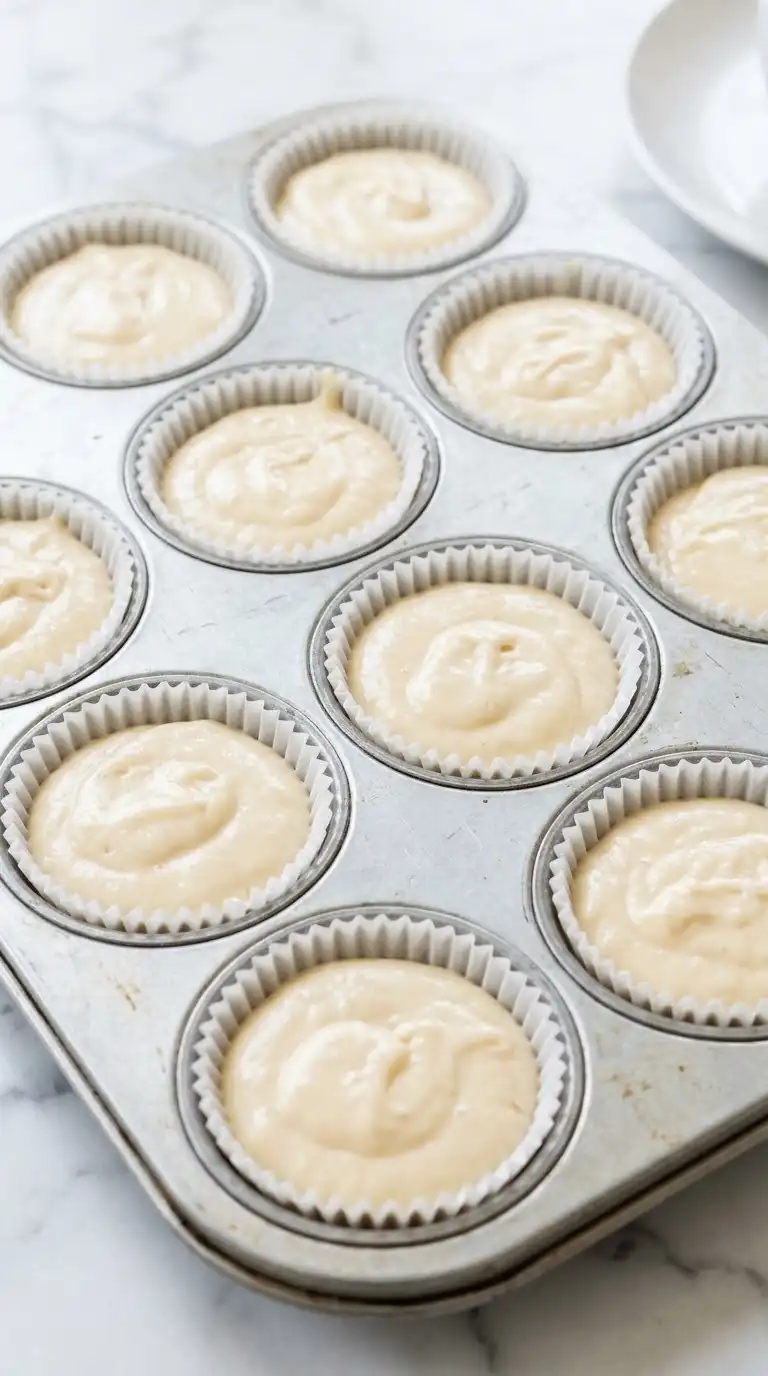
- Divide the dough into 12 greased muffin tin cups, filling each about three-quarters full to allow for a final proof.
- Let the filled muffin tin rest for another 15 minutes while preheating your oven to 375F (190C).
- Bake the muffins for 20 to 22 minutes until they are golden brown and sound hollow when tapped on top.
- Remove from the oven and transfer to a wire rack, allowing them to cool slightly before finishing with a light dusting of powdered sugar.
Recipe Variations
Make it Yours
The versatility of a yeast-based muffin base allows for a wide array of flavor profiles that adapt beautifully to different occasions. For a bright, aromatic morning treat, incorporate two tablespoons of freshly grated lemon or orange zest into the dry ingredients. The acidity of the citrus creates a wonderful contrast with the fermented dough, cutting through the richness of the butter and milk. If you prefer a more decadent, dessert-like experience, consider swapping the traditional fruit for high-quality dark chocolate chips or chunks. When working with chocolate, ensure the dough has cooled slightly before folding to prevent the chips from melting into the batter, which would create a muddy visual appearance rather than distinct pockets of chocolate.
For those seeking texture and depth, chopped toasted walnuts or pecans add an essential crunch that complements the soft, bread-like crumb of the muffin. Toast your nuts in a dry pan over medium heat for five minutes until fragrant before cooling and folding them into the dough. You can also experiment with savory variations by replacing sugar with a pinch of herbs like rosemary or thyme and adding sun-dried tomatoes or grated hard cheeses. If you wish to create a bakery-style topping, brush the tops of your muffins with a thin layer of egg wash immediately before baking, then sprinkle with coarse sparkling sugar or crushed nuts. This creates a crisp, golden cap that protects the soft interior while providing a satisfying textural contrast in every bite. Keep your variations limited to two major additions to maintain the structural integrity of the yeast-raised dough.
Soft and Golden Homemade Muffins with Yeast
Discover how to make soft, bakery-style muffins with yeast. This simple guide helps you create a light, porous crumb that is truly delicious.
Ingredients
Instructions
- In a large bowl, whisk together the flour, sugar, yeast, and salt to ensure the dry components are well distributed for an even rise.
- Add the warm milk, egg, softened butter, and vanilla to the dry ingredients, mixing with a sturdy spoon until a soft, sticky dough forms.
- Knead the dough gently for 5 minutes by hand or with a mixer on low speed to develop the gluten structure necessary for a light crumb.
- Cover the bowl with a clean kitchen towel and place it in a warm, draft-free spot for 60 minutes or until it has doubled in volume.
- Once risen, gently deflate the dough and fold in the fresh blueberries being careful not to crush them so the color remains vibrant.
- Divide the dough into 12 greased muffin tin cups, filling each about three-quarters full to allow for a final proof.
- Let the filled muffin tin rest for another 15 minutes while preheating your oven to 375F (190C).
- Bake the muffins for 20 to 22 minutes until they are golden brown and sound hollow when tapped on top.
- Remove from the oven and transfer to a wire rack, allowing them to cool slightly before finishing with a light dusting of powdered sugar.