Simple Pumpkin Muffins No Baking Powder: Step-by-Step Instructions
Regarding sweeteners, the liquid ratio is vital. If you prefer to swap maple syrup for honey, keep the volume measurements identical. However, be aware that honey often produces a slightly more caramelized, golden-brown crust due to its specific sugar composition. For a spiced profile, consider adding a teaspoon of freshly grated ginger or a pinch of ground cloves along with the cinnamon. If you choose to add spices, whisk them into the dry ingredients thoroughly to prevent pockets of powder from forming in the wet batter. Each of these variations maintains the integrity of the egg-foam structure, provided you continue to fold the ingredients in using a soft spatula rather than an aggressive stirring motion. By keeping the folding technique slow and deliberate, you ensure your customized muffins remain light, airy, and perfectly structured every single time.
Serving Ideas
Perfect Pairings
To elevate these dense, moist pumpkin muffins, serve them warm at approximately 100 degrees Fahrenheit, which allows the natural oils in the pumpkin and spices to become more aromatic. Pair them with a steaming cup of freshly brewed dark-roast black coffee, as the bitterness of the coffee beautifully cuts through the richness of the pumpkin and the sweetness of the molasses or maple syrup used in the batter. If you prefer tea, an herbal chai blend with notes of cinnamon, cardamom, and ginger reinforces the autumnal profile of the muffin.
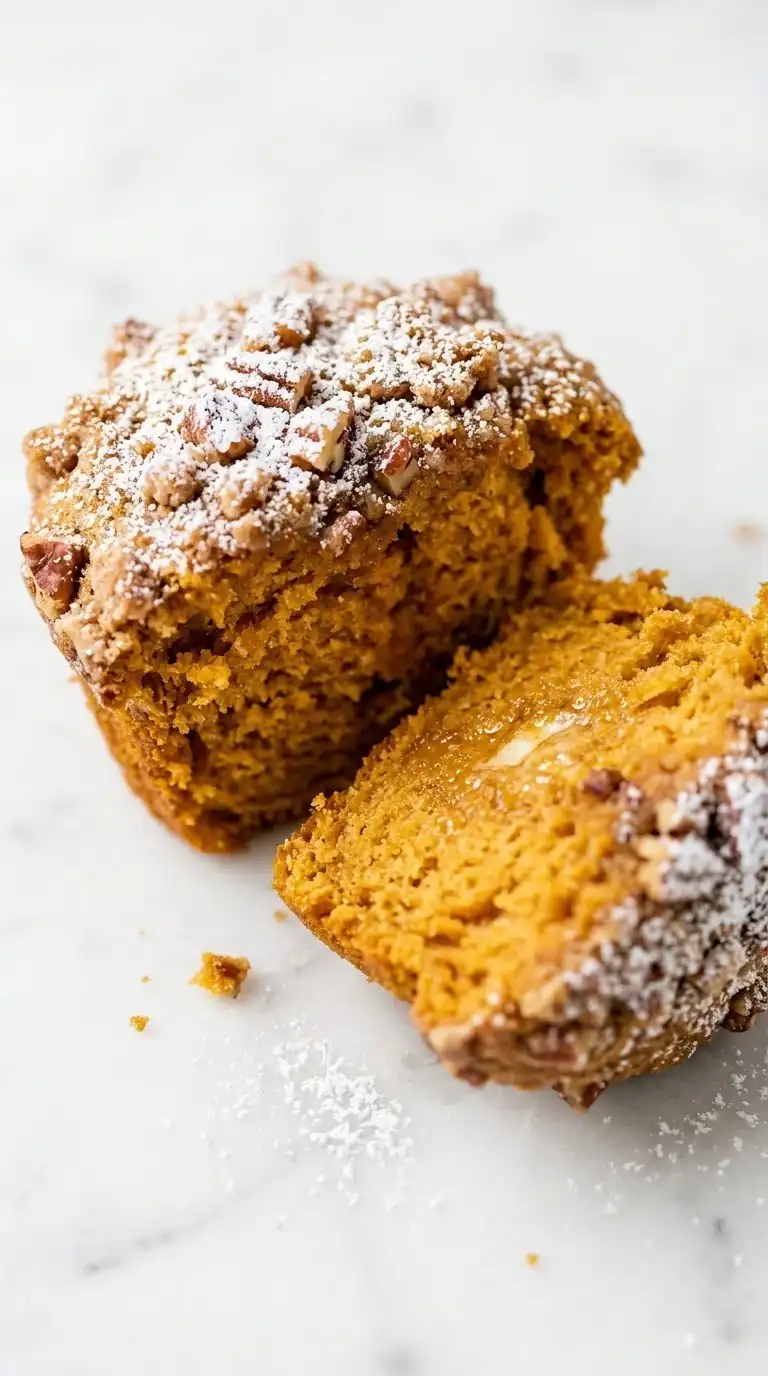
For a more substantial breakfast, slice the muffin horizontally and toast it lightly in a pan with a small amount of coconut oil until the edges are golden brown. Spread a generous layer of creamy almond butter over the warm surface. The nuttiness of the almond butter complements the earthy pumpkin base perfectly. If you are hosting a brunch, try a light dusting of powdered sugar across the tops of the muffins right before serving. This aesthetic touch adds a slight crunch that contrasts with the tender crumb. You can also offer a side of maple-infused cream cheese or thick Greek yogurt for guests to dollop onto their muffins, providing a cool, tangy finish that balances the warm, spicy flavors. Always ensure the muffins are fully cooled for at least fifteen minutes before slicing to avoid crumbling, as the lack of chemical leavening agents makes the structure slightly more delicate than traditional muffins.
Keeping It Fresh
Storage Advice
Since these pumpkin muffins rely on eggs for lift rather than baking powder, their moisture content is slightly higher, which makes proper storage essential to prevent them from becoming soggy. If you plan to consume them within 48 hours, store the muffins in a single layer inside an airtight plastic or glass container lined with a paper towel. The paper towel is a crucial tool; it absorbs excess moisture that may release as the muffins cool, preventing the tops from becoming sticky or soft. Keep this container in a cool, dark place, away from direct sunlight or heat sources like a stove or toaster oven, as heat will accelerate staling.
For longer storage, refrigerate the muffins for up to seven days. Before serving, bring them to room temperature or warm them in a low-temperature oven at 300 degrees Fahrenheit for about five minutes to restore their soft texture. If you are planning for long-term storage, freezing is the best option. To freeze properly, allow the muffins to reach room temperature completely; failing to do so will create condensation inside the packaging, which leads to ice crystals and freezer burn. Individually wrap each muffin tightly in parchment paper followed by a layer of plastic wrap, then seal them together in a heavy-duty freezer-safe bag. When you are ready to eat, move them from the freezer to the refrigerator overnight, or thaw them on the counter for two hours. Avoid microwaving frozen muffins for too long, as this can turn the dense, egg-leavened crumb into a rubbery texture.
For safe storage times, the USDA guidance on leftovers and food safety is a useful reference.
Reader Questions Answered
Can I make pumpkin muffins without oil?
Yes, this recipe uses unsweetened applesauce as a fat substitute. It keeps the muffins moist while reducing the overall calorie density per serving.
Is it possible to prepare these pumpkin muffins without dairy?
This specific recipe is naturally dairy-free as it does not call for milk, butter, or yogurt. It relies on the natural moisture of pumpkin puree for a soft crumb.
Can I bake pumpkin muffins without flour?
This version uses a combination of almond flour and coconut flour, making it grain-free. It provides a dense, nutty texture that pairs beautifully with pumpkin.
How can I adjust the recipe if I want pumpkin muffins without ginger?
Simply omit the ginger or swap it for an extra pinch of cinnamon or nutmeg. The flavor profile remains delicious even without the spicy kick of ginger.
Are these pumpkin muffins without baking soda?
Yes, this recipe contains no baking soda and no baking powder. The lift is achieved entirely by vigorously whipping the eggs at the start of the process.
Is there a pumpkin muffin recipe no brown sugar?
This recipe uses maple syrup as the primary sweetener instead of brown sugar. This offers a more complex, natural sweetness that complements the squash perfectly.
More Muffin Recipes to Try
Wrapping Up
Mastering a pumpkin muffin recipe without baking powder is an exercise in understanding the science of aeration and protein structure. Because you are omitting chemical leaveners, your success depends entirely on the mechanical incorporation of air. When whisking your eggs—specifically the whites if you choose to whip them to soft peaks—you are creating a foam that will trap air bubbles and expand in the oven. This process requires patience; you must fold the dry ingredients into the egg base very gently using a wide spatula to maintain that trapped air. If you mix too aggressively, the air will escape, resulting in a dense, heavy puck rather than a light, airy muffin. Avoiding this common mistake is what separates a novice baker from an expert.
- Ensure eggs are at room temperature, around 70 degrees Fahrenheit, before beating to achieve maximum volume.
- Use a light hand when folding in flour; the goal is to just incorporate the ingredients, not to develop gluten.
- Preheat your oven fully to 375 degrees Fahrenheit; the initial blast of heat is vital for setting the structure of the muffins before the air bubbles deflate.
- Do not overcrowd the baking tin; leave space for the heat to circulate evenly around every side of the muffins.
- Avoid over-mixing, as this encourages the development of gluten, which will make your muffins tough instead of tender.
By shifting your focus to these structural techniques, you gain total control over the consistency of your baked goods. This approach provides a unique, rustic mouthfeel that is incredibly rewarding and perfectly suits those seeking alternatives to standard baking ingredients. We hope you enjoy the process of perfecting this autumn staple.
Related recipes: Simple Easy Pumpkin Muffins No Milk Recipe, Easy Pumpkin Muffin Glaze Recipe for Autumn Mornings, Simple Homemade Pumpkin Muffins, Cozy Pumpkin Chocolate Chip Muffins Recipe, Simple and Wholesome Healthy Pumpkin Muffins.
Learn more: Pumpkin on Wikipedia · food storage & safety (FoodSafety.gov).
◆ ◆ ◆
← Back to Simple Pumpkin Muffins No Baking PowderGet new recipes
One tasty homemade recipe in your inbox each week. No spam, unsubscribe anytime.


Comments