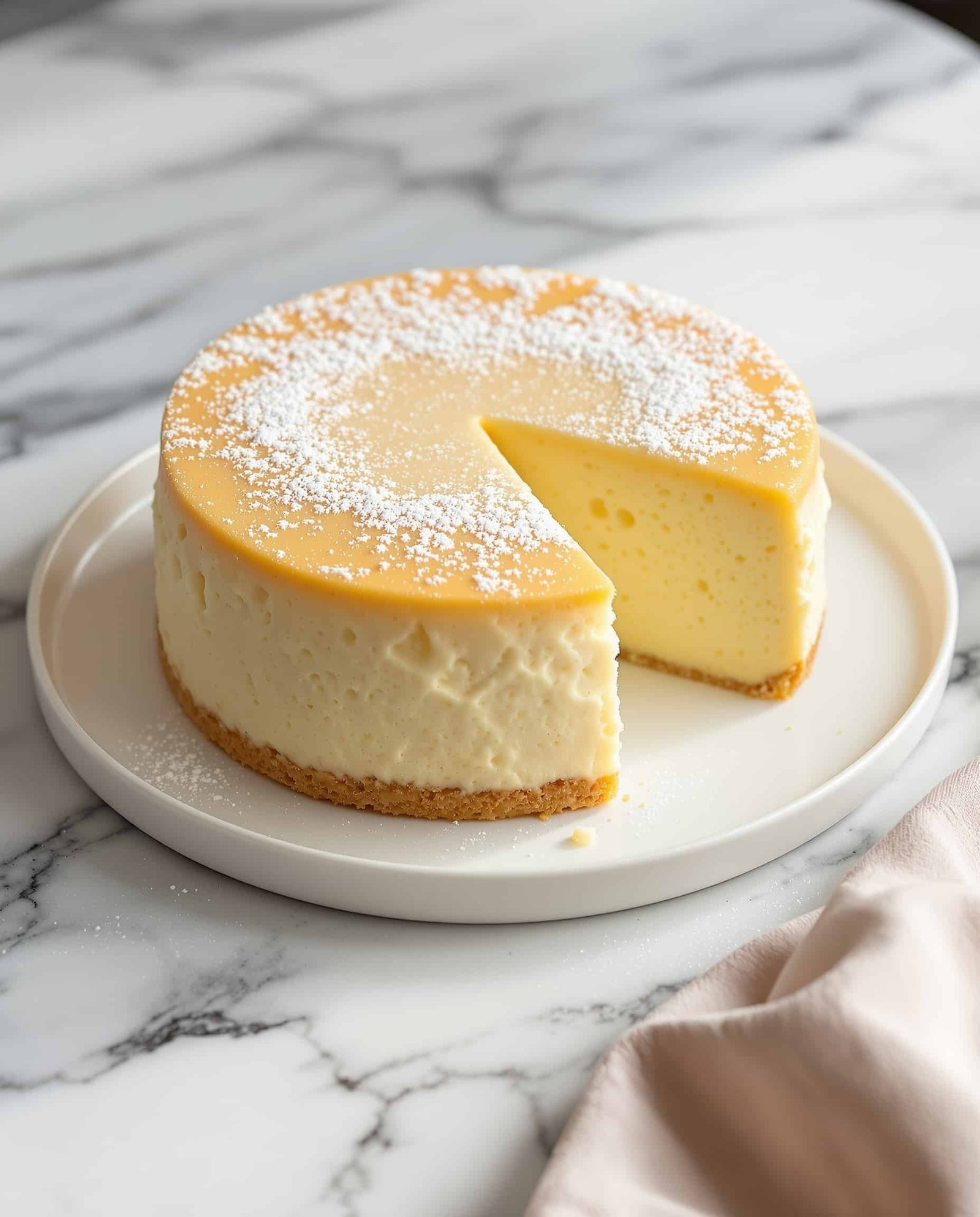
Let’s be honest: the internet is flooded with ‘miracle’ recipes. But what if I told you that a delicious, fluffy dessert could actually align with your weight loss goals, not sabotage them? This two-ingredient Japanese cheesecake isn’t a magic bullet, but it’s a fantastic example of mindful eating and smart ingredient choices. I’m here to demystify how this simple treat can be a part of your journey, not just a fleeting indulgence. We’ll dive into the ‘why’ behind the ‘what,’ ensuring you understand how to truly incorporate satisfying foods into a calorie deficit, because understanding is key.
| Prep Time | 15 minutes | Cook Time | 50 minutes |
| Servings | 6 | Calories | 150 kcal |
Ingredients
- 3 large eggs, separated
- 120g (4.2 oz) cream cheese, softened (light cream cheese recommended)
- 1 tsp beige-doré natural food coloring
- 1 tbsp powdered erythritol or stevia blend (optional, for dusting)
Recommended Tools You’ll Need
| Tool | Why You Need It |
|---|---|
| 6-inch Springform Pan | Essential for easy removal and maintaining the cake’s shape. |
| Electric Hand Mixer | Crucial for whipping egg whites to stiff peaks, ensuring that signature fluffy texture. |
| Heat-proof Spatula | Gentle folding of egg whites is key, and a flexible spatula helps preserve air. |
| Roasting Pan (for water bath) | A water bath creates a moist cooking environment, preventing cracks and promoting even baking. |
Instructions
- Preheat your oven to 340°F (170°C). Line a 6-inch springform pan with parchment paper on the bottom and sides.
- Separate the egg whites and yolks into two clean, dry bowls. Ensure no yolk gets into the whites, as this will prevent them from whipping properly.
- In a small saucepan over low heat, gently melt the softened cream cheese until smooth. Remove from heat and stir in the egg yolks one at a time until fully incorporated. Add the beige-doré natural food coloring and mix until evenly colored.
- In a separate bowl, whip the egg whites until stiff peaks form. This means when you lift the whisk, the peaks stand up firmly without collapsing.
- Gently fold about one-third of the whipped egg whites into the cream cheese mixture to lighten it. Then, carefully fold in the remaining egg whites until no streaks remain. Be gentle to maintain the airiness.
- Pour the mixture into the prepared springform pan. Tap the pan gently on the counter to release any large air bubbles.
- Place the springform pan into a larger roasting pan. Pour hot water into the roasting pan, creating a water bath (bain-marie) that comes about halfway up the sides of the springform pan. This helps the cheesecake cook evenly and prevents cracking.
- Bake for 40-50 minutes, or until the cheesecake is puffed, golden, and set but still has a slight jiggle in the center. The beige-doré color should be prominent.
- Turn off the oven, crack the door slightly, and let the cheesecake cool in the oven for at least 30 minutes. This prevents it from deflating too quickly.
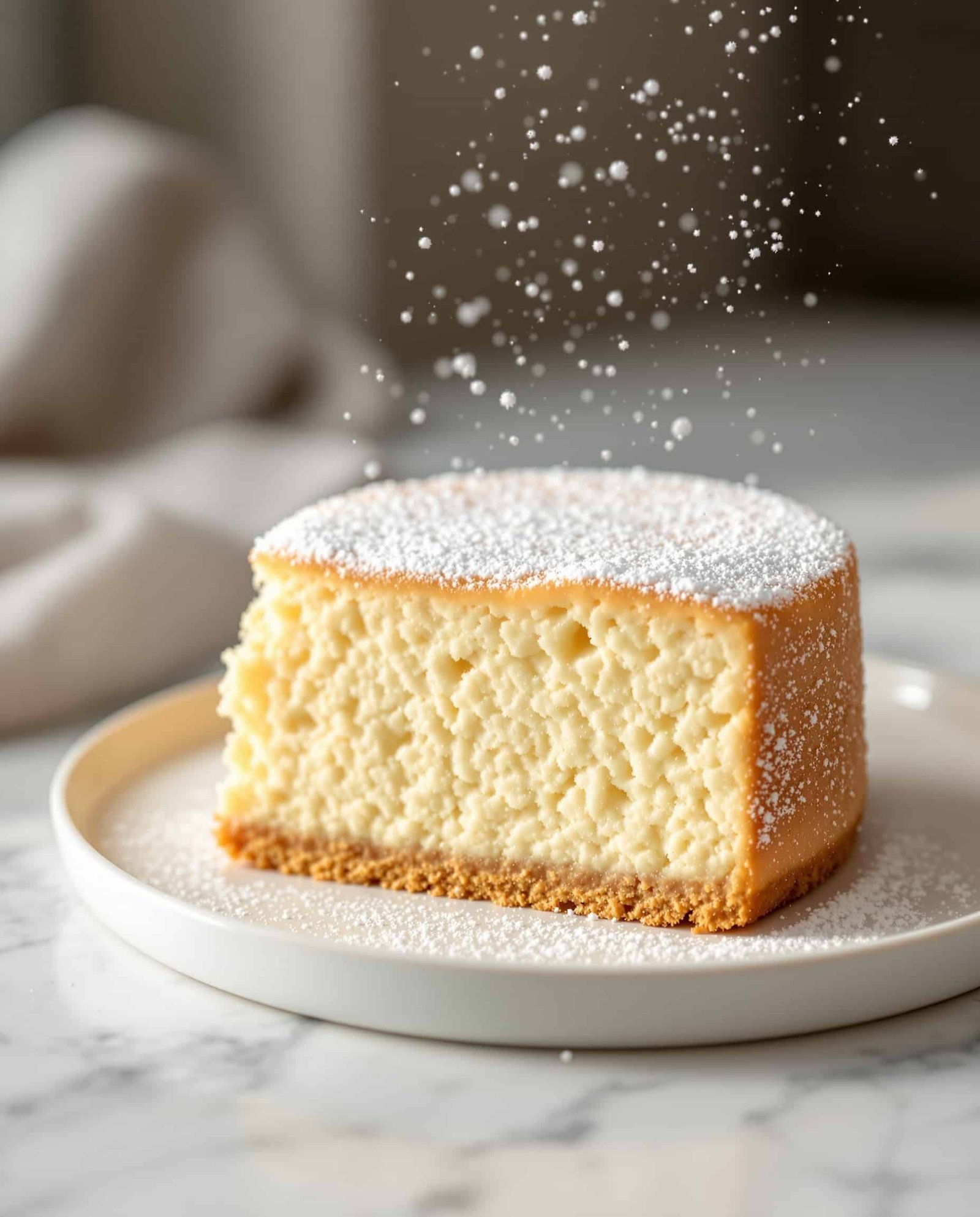
- Remove from the oven and water bath. Let it cool completely on a wire rack before refrigerating for at least 2 hours, or preferably overnight. Dust with powdered erythritol or stevia blend before serving, if desired.
Calorie Reality
At 150 calories per serving, this two-ingredient Japanese cheesecake is a smart dessert choice. For someone aiming for a 1500-2000 kcal daily budget, it represents a reasonable 7.5-10% of their total intake. This leaves plenty of room for nutrient-dense meals throughout the day, fitting comfortably into a calorie deficit without feeling deprived. It’s about balance, not restriction.
About Your Daily Budget: TDEE, or Total Daily Energy Expenditure, is the total number of calories your body burns in a day. It includes your Basal Metabolic Rate (BMR), activity level, and the thermic effect of food. Understanding your TDEE is fundamental for setting an appropriate calorie deficit for weight loss.
Diet Compatibility
Compatible with: Low-Carb (if using sugar substitutes), Gluten-Free, Calorie-Controlled Diets
Not compatible with: Vegan, Dairy-Free, Keto (only if light cream cheese is used and macros are strictly tracked)
Warning: Mixing Diets: Mixing and matching elements from different diets without a clear understanding of their underlying principles can be counterproductive, even dangerous. For instance, combining high-fat keto principles with high-carb ‘clean eating’ can lead to an excessive calorie intake, potentially promoting lipogenesis (fat storage). Each diet has a specific metabolic framework. Cherry-picking without guidance can inadvertently lead to weight gain or nutritional deficiencies. Stick to one approach, understand it, and make informed choices.
Expert Tips
For the fluffiest results, ensure your egg whites are whipped to stiff peaks – they should hold their shape firmly. When folding, be gentle; you want to incorporate, not deflate. A perfectly smooth cream cheese base is also key, so take your time melting it. From a weight loss perspective, pre-portioning your servings immediately after cooling can prevent overeating. Enjoy it mindfully, savoring each beige-doré fluffy jiggly bite, rather than mindlessly consuming more.
Macros Breakdown
This recipe is higher in fat due to the cream cheese, with a good protein contribution from the eggs. The low carb count makes it suitable for many approaches. The fat content contributes to satiety, which can be helpful in managing cravings. However, it’s important to balance this with leaner protein and high-fiber carbs in your other meals to ensure overall nutritional completeness. It’s a treat, not a meal replacement.
Nutrition Information (per serving)
| Calories | Protein | Carbs | Fat | Fiber |
|---|---|---|---|---|
| 150 kcal | 8g | 4g | 11g | -g |
Key Terms Explained
| Term | Explanation | Why it matters here |
|---|---|---|
| Calorie Deficit | Eating fewer calories than your body burns, forcing it to use stored energy (fat). This is the fundamental principle of weight loss. | This recipe’s moderate calorie count helps you stay within your daily deficit. |
| Satiety | The feeling of fullness and satisfaction after eating, which helps reduce hunger and prevent overeating. | The protein and fat in this cheesecake can contribute to satiety, helping manage cravings. |
| Macronutrients (Macros) | The three main components of food: carbohydrates, proteins, and fats, which provide energy and building blocks for the body. | Understanding this recipe’s macro breakdown helps you balance your overall daily intake. |
| Bain-Marie | A cooking technique where food is cooked in a container placed in a larger pan of hot water, ensuring gentle, even heat. | Prevents the cheesecake from cracking and helps achieve its signature smooth, jiggly texture. |
The Truth About This Recipe
The Truth About This Recipe: While this two-ingredient Japanese cheesecake is lower in calories than traditional versions, it’s not a ‘diet food’ that will magically melt fat. Weight loss boils down to a consistent calorie deficit over time. This recipe is a tool to help you enjoy a treat without blowing your entire day’s calorie budget. It’s about making smart choices and acknowledging that enjoyment is part of sustainable eating. Don’t fall for the ‘eat unlimited amounts of this low-calorie food’ trap. Portion control still matters, always.
Move Your Body
Remember, food is only one part of the equation. Moving your body consistently helps burn calories, build muscle, and boost mood. A 30-minute brisk walk could help offset the calories from one serving of this cheesecake, showing how small efforts add up significantly over time.
Delicious Variations
For a Keto-friendly version, ensure you use full-fat cream cheese and an erythritol-based sweetener, strictly monitoring carb counts from the cream cheese. For a lower-carb option, simply use light cream cheese and a sugar substitute. For a Mediterranean-inspired twist, serve with a small dollop of Greek yogurt and a sprinkle of fresh berries (just account for the added calories and carbs!). Remember, even small additions change the nutritional profile, so track accordingly.
Healthier Alternatives
To make this even lighter: consider using a 0% fat Greek yogurt mixed with a small amount of cream cheese (e.g., 30g cream cheese, 90g Greek yogurt) for the ‘cream cheese’ component; this significantly lowers fat and calories while boosting protein. WHY it helps: Greek yogurt adds beneficial probiotics and protein. You could also reduce the fat further by using only egg whites and a small amount of cream cheese, though the texture will be less rich. Always prioritize protein and fiber to enhance satiety.
Serving Suggestions
Serve this beige-doré fluffy jiggly cheesecake chilled, dusted lightly with powdered erythritol or stevia blend. It pairs wonderfully with a small side of fresh, unsweetened berries (like raspberries or blueberries) for added fiber and antioxidants. WARNING: Avoid serving with sugary sauces, whipped cream, or chocolate syrup. These additions, while tasty, can quickly turn a mindful, lower-calorie dessert into a calorie bomb, completely undermining your weight loss efforts. Stick to simple, whole-food accompaniments.
Storage Instructions
Store the two-ingredient Japanese cheesecake in an airtight container in the refrigerator for up to 3-4 days. While it’s best enjoyed fresh, the texture holds up well. Freezing is not recommended as it can alter the delicate fluffy consistency upon thawing. Always ensure it’s completely cooled before refrigerating to prevent condensation, which can make the top soggy. For the best flavor and texture, allow it to come to room temperature for about 10-15 minutes before serving.
Frequently Asked Questions
Can I use regular sugar instead of erythritol?
Yes, you can, but it will significantly increase the calorie and carbohydrate count per serving, making it less suitable for weight loss goals. If you’re not focusing on calorie reduction, then it’s fine.
Why is it called ‘two-ingredient’ if you listed more?
The ‘two-ingredient’ refers to the primary structural components: eggs and cream cheese. The food coloring and optional dusting are enhancements, not core structural ingredients. This is a common simplification in recipe titles.
How does this contribute to weight loss?
By being a lower-calorie, satisfying dessert option. When you’re in a calorie deficit, having enjoyable, portion-controlled treats like this helps prevent feelings of deprivation, making your overall journey more sustainable than strict restriction.
My cheesecake cracked, what went wrong?
Cracking usually happens due to rapid temperature changes. Ensure you use a water bath, don’t overbake, and cool the cheesecake slowly in the oven with the door ajar. Patience is key for that perfect beige-doré fluffy jiggly top.
Is cream cheese good for weight loss?
In moderation and as part of a calorie-controlled diet, yes. Light cream cheese provides flavor and texture with fewer calories and fat. Like any food, it’s about portion size and how it fits into your overall daily intake, not the food in isolation.
Conclusion
There you have it – a genuinely simple, delicious, beige-doré fluffy jiggly two-ingredient Japanese cheesecake that can absolutely fit into a weight loss plan. My goal here isn’t to sell you on a quick fix, but to empower you with understanding. Weight loss is a journey of consistent, informed choices, not magic. This recipe proves that you don’t have to sacrifice enjoyment to reach your goals. It’s about being smart with your ingredients, understanding your body’s needs (TDEE!), and making sustainable choices. So, bake this, enjoy it mindfully, and remember: every single decision you make about what you eat and how you move contributes to your progress. Keep learning, keep moving, and keep enjoying your food journey. You’ve got this.