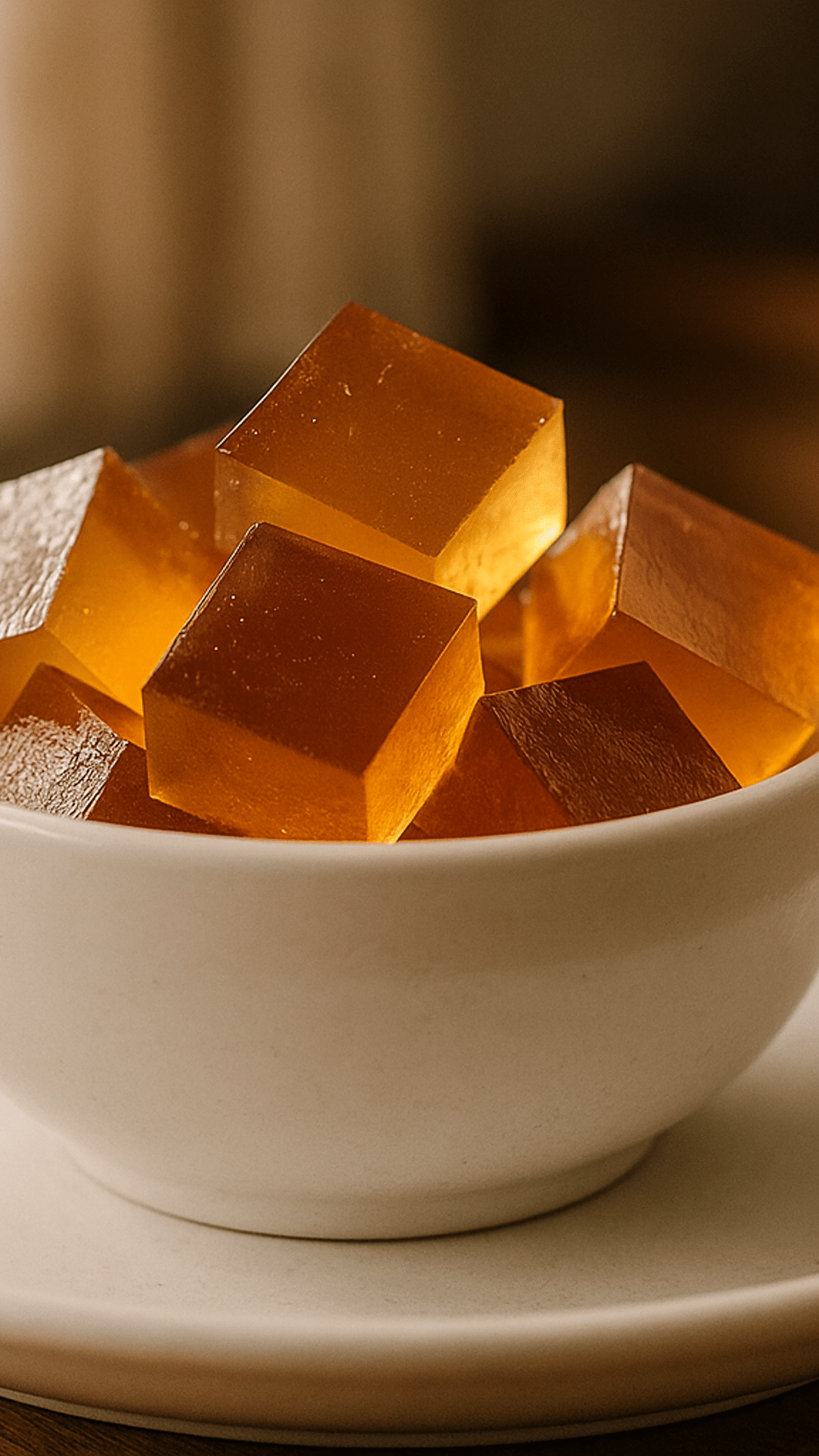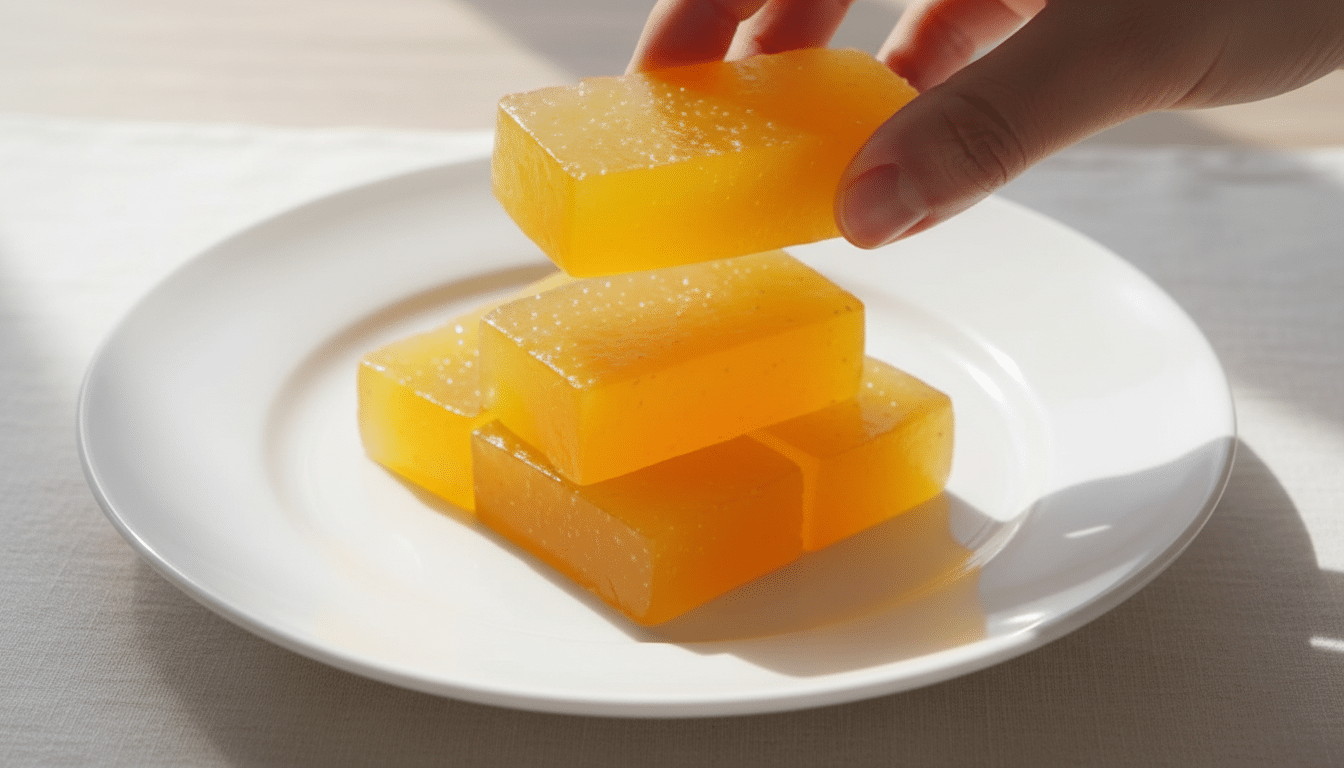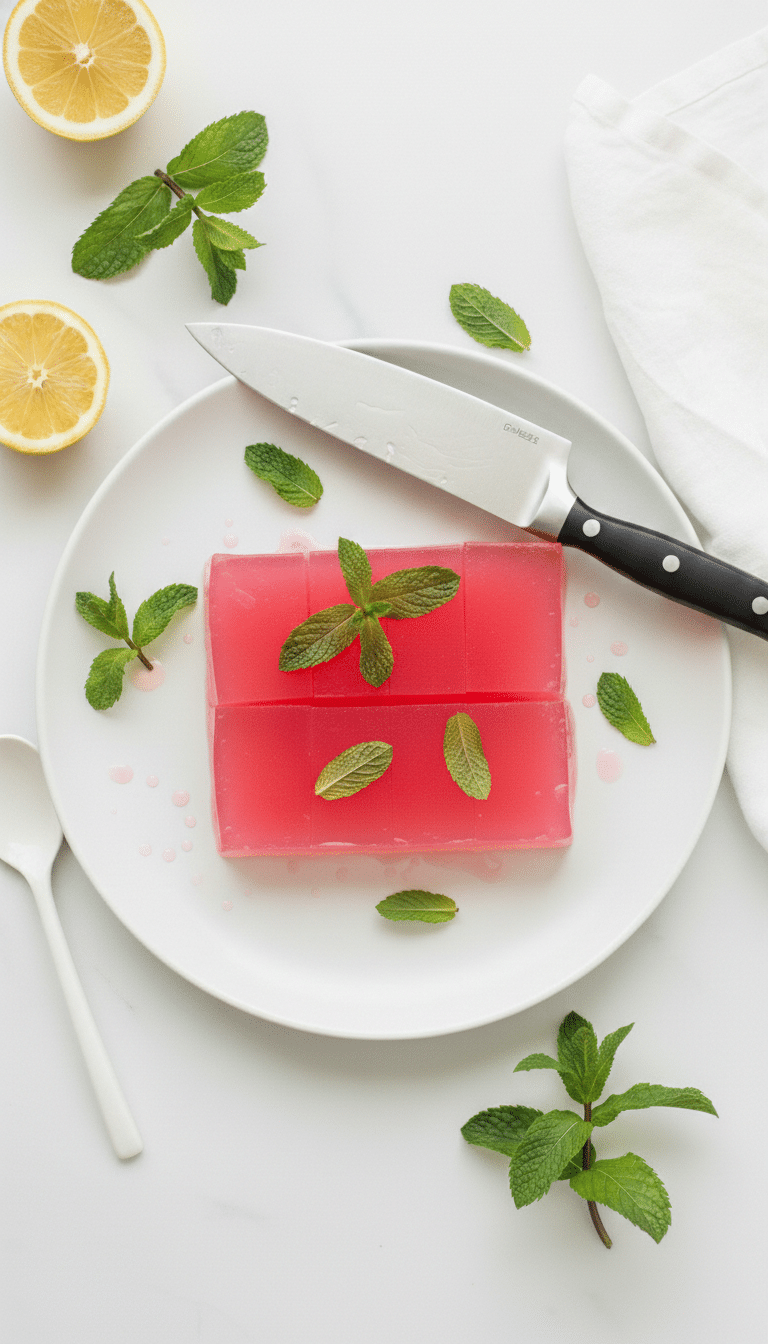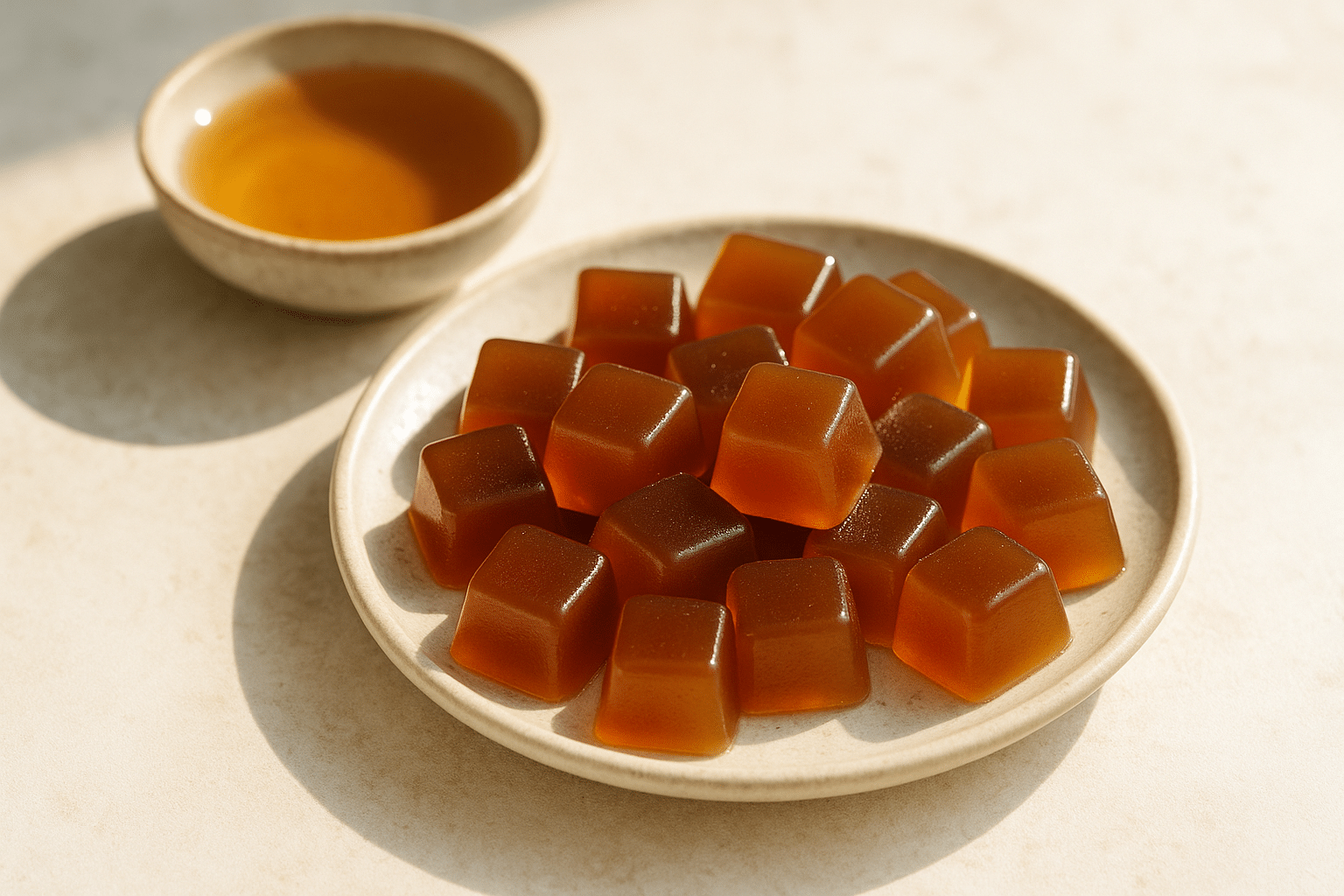
Apple cider vinegar gummies always take me right back to those busy afternoons when I wanted something homemade, a little tangy, and just sweet enough to feel like a treat.
My little tip is to keep the mixture warm (never boiling) and to lean on a simple gelatin ratio—then you can branch out into all kinds of gummy recipes (I’ll link a few favorites like strawberry gelatin gummy recipe as you go). And if you’re wondering things like “Do apple cider vinegar gummies melt in the fridge?” or “Can I make apple cider vinegar gummies without sugar?”—we’ll cover those in the FAQ.
Table of Contents
Table of Contents
Ingredients You’ll Need
- Apple cider vinegar
- Water (or juice for a milder taste)
- Gelatin (unflavored)
- Honey or maple syrup (optional)
- Lemon juice (optional)
Estimated Prep & Cook Time for apple cider vinegar gummies
In my kitchen, apple cider vinegar gummies are one of those “set it and forget it” treats. You do a quick stir on the stovetop, then let the fridge do the rest—like so many classic gelatin recipes I grew up with.
If you like simple prep-ahead ideas, you might also enjoy this easy read on gelatin jello for more everyday inspiration.
| Step | Time |
|---|---|
| Prep | 10 minutes |
| Cook (gentle warming) | 5 minutes |
| Chill (set time) | 1–2 hours |
| Total | ~1 hour 15 minutes |
Recommended Tools You’ll Need
- silicone gummy molds
- small saucepan
- balloon whisk
- liquid dropper for molds
- airtight food storage container
Step-by-Step Instructions
I make apple cider vinegar gummies the same way I make most gelatin treats: gentle heat, a patient whisk, and a little faith in the chill time. The key is treating gelatin kindly—no rushing it with high heat.
If you’ve ever compared textures, you’ll know gelatin behaves differently than plant-based thickeners. I wrote about that over in agar vs gelatin if you’re curious.
Step 1: Warm the liquid base
Pour your water (or a water-and-juice mix) into a small saucepan and warm it over low heat until it’s steamy but not boiling.
Step 2: Sweeten (optional)
If using honey or maple syrup, whisk it in with a balloon whisk until it dissolves completely.
Step 3: Bloom the gelatin
Sprinkle unflavored gelatin evenly over the surface and let it sit for 1–2 minutes so it can bloom.
Step 4: Whisk until smooth
Whisk gently in the saucepan until the mixture looks smooth and glossy, with no visible lumps.
Step 5: Add apple cider vinegar off-heat
Remove the saucepan from the heat, then whisk in the apple cider vinegar (and a little lemon juice if you like a brighter flavor).
Step 6: Pour into molds
Carefully pour the mixture into silicone gummy molds using a liquid dropper or a small spouted cup so you don’t spill.
Step 7: Chill until set
Tap the mold on the counter to release bubbles, then refrigerate until firm—usually 1 to 2 hours.
Pro Tips & Tasty Tweaks
If my grandmother taught me anything, it’s that a “simple” recipe becomes your signature once you learn the little tricks. Apple cider vinegar gummies are no different—small tweaks make them yours.
- Flavor swap: Replace part of the water with a splash of juice for a gentler tang, then browse jello recipes for more sweet-and-tart ideas.
- Diet tweak: Keep them lightly sweetened and rely on lemon for brightness; for more gelatin-friendly variations, see clear gelatin recipe.
- Prep fix: If you get lumps, the gelatin didn’t bloom evenly—sprinkle it slowly and whisk gently.
- Storage tip: Store gummies in an airtight container and don’t leave them on a warm counter too long (gelatin softens with heat).
Healthier Alternatives for apple cider vinegar gummies
There’s no need to make apple cider vinegar gummies complicated, but you can absolutely make them feel “lighter” depending on what you’re aiming for—less sweet, a smaller portion, or just cleaner ingredients.
Can I make it healthier? One simple move is to reduce sweetener and increase flavor with lemon or a little cinnamon, then keep portions small and consistent. If you want more ingredient context, I like the basics on gelatin and apple cider vinegar for a plain-language overview.
For more home-style gelatin ideas, you can also hop over to protein gelatin recipe and collagen vs gelatin—those posts helped me understand what changes texture and what doesn’t.
And if you’re watching added sugars, the FDA’s overview on added sugars is a helpful reference when you’re deciding whether to sweeten at all.
How to Serve apple cider vinegar gummies
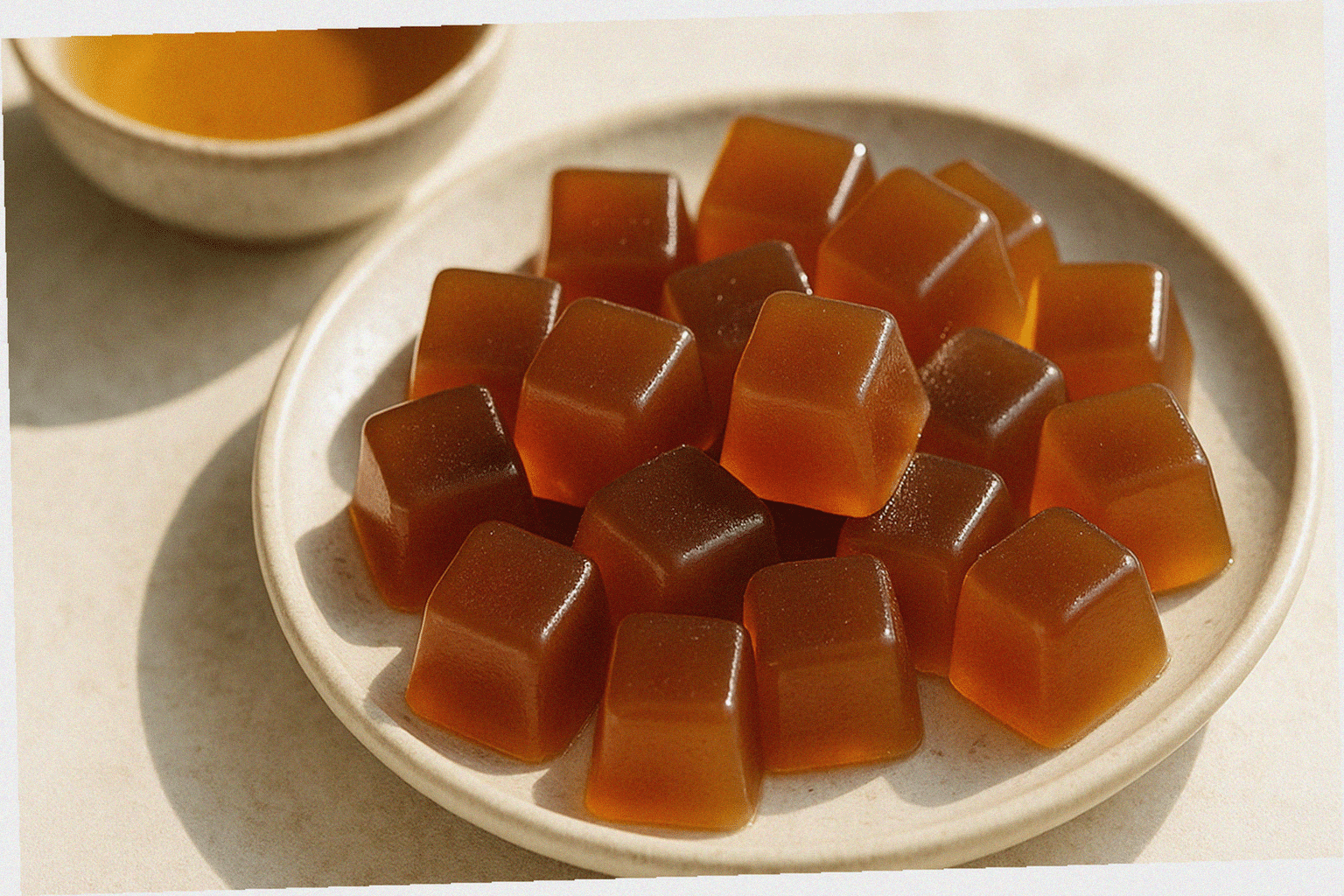
I like serving apple cider vinegar gummies the same way I’d set out a little bowl of homemade candies—simple, pretty, and not overthought. A small plate on the counter, a cup of tea nearby, and suddenly the kitchen feels cozy again.
For pairing ideas, I’ll often make a batch alongside something citrusy, or even a gelatin drink like apple cider lemon gelatin drink. When I’m in an old-fashioned mood, I also revisit apple cider gelatin blocks as a nostalgic little cousin to this recipe. If you’re doing a dessert table, they also sit nicely next to chewy bars like 2 ingredient pineapple gummy bars.
Food-safety wise, don’t leave gelatin treats out for long stretches; the CDC’s general guidance on food safety is a good reminder for any make-ahead dish.
Frequently Asked Questions
How long do apple cider vinegar gummies last in the fridge?
Most apple cider vinegar gummies keep well for several days when stored cold in an airtight container. If you want more gelatin storage ideas, see gelatin jello for general texture tips.
Do apple cider vinegar gummies need to be refrigerated?
Yes—gelatin is happiest chilled, and gummies soften if they sit in a warm kitchen. For general food handling guidance, you can check FDA food safety at home.
Why are my apple cider vinegar gummies rubbery?
Rubbery gummies usually mean too much gelatin or a mixture that got too hot. If you’re experimenting with set textures, agar vs gelatin can help you understand the difference in “bite.”
Why won’t my apple cider vinegar gummies set?
If your apple cider vinegar gummies stay loose, your gelatin may not have bloomed, or it may be old. Try sprinkling more evenly and whisking gently; the troubleshooting notes in clear gelatin recipe can also help.
Can I make apple cider vinegar gummies without sugar?
Yes—you can skip sweetener and rely on lemon, cinnamon, or a splash of juice for balance. If you’re managing sweeteners, the FDA page on added sugars is useful context.
Can I use flavored gelatin instead of unflavored?
You can, but flavored gelatin changes sweetness and sometimes texture. If you want a fun flavored direction, take a peek at strawberry gelatin gummy recipe for a similar style.
Do apple cider vinegar gummies taste very strong?
It depends on your ratio. Using some juice and a touch of sweetener softens the tang while keeping the ACV note present. If you’re curious about the ingredient itself, apple cider vinegar gives a straightforward overview.
Conclusion
To me, apple cider vinegar gummies are the kind of recipe that fits real life: quick on the stove, calm in the fridge, and quietly satisfying when you want something homemade. They’re small, simple, and endlessly tweakable—just how I like my kitchen projects.
If you try them, start with the basic method first, then play with gentle flavor swaps (a little lemon, a little juice, a touch of spice). And if you’re on a gelatin kick, you’ll probably love browsing jello recipes or comparing textures in collagen vs gelatin.
When you make your own apple cider vinegar gummies, you’re not just making a recipe—you’re making a tiny routine that feels like home. Tell me how you flavored yours, or what little twist made them your “signature batch.”