Cozy Homemade Apple Cider Muffins: Step-by-Step Instructions
Creative Twists on the Classic
If you prefer a brighter, more vibrant flavor profile, substitute half of your apple cider reduction with freshly squeezed orange juice. This modification introduces a gentle acidity that lifts the heaviness of the spices, making the muffin feel lighter on the palate. For those who enjoy a finish more substantial than a simple cinnamon-sugar dusting, create a glaze. Combine one cup of powdered sugar with two tablespoons of raw apple cider, whisking until you reach a thin, pourable consistency. Drizzle this over the muffins only after they have cooled to room temperature; if applied while they are still warm, the glaze will simply melt and absorb into the muffin rather than setting into a crisp shell. You could also fold in a quarter-cup of finely diced dried cranberries for a chewy, tart surprise in every bite. Regardless of your chosen variation, keep your mix-ins bite-sized to ensure they distribute evenly throughout the batter without causing the muffins to break apart during the baking process.
Serving Ideas
Elevating Your Muffin Experience
While these apple cider muffins boast a complex, spiced flavor profile that stands perfectly on its own, thoughtful pairings can transform them into a complete gourmet experience. For a balanced morning meal, serve the muffins slightly warmed alongside a steaming cup of Earl Grey tea or a frothy, unsweetened latte. The subtle citrus notes in the tea cut through the richness of the butter, while the creamy latte complements the earthy autumn spices like cinnamon, cloves, and nutmeg. If you are hosting a festive brunch, present the muffins on a tiered tray surrounded by sliced Honeycrisp apples or a colorful medley of seasonal berries to add freshness and acidity to the plate. For a savory contrast, serving these alongside maple-glazed turkey sausages provides a classic sweet-and-salty balance that is always a crowd-pleaser.
Unexpected Pairings
If you prefer to serve these as an afternoon dessert, lean into the traditional pairing of apples and dairy. A dollop of lightly sweetened homemade whipped cream—infused with a tiny pinch of cardamom—adds a luxurious texture that plays well with the soft, tender crumb of the muffin. Alternatively, follow the tradition of pairing baked apple goods with a slice of sharp, mild cheddar cheese. The savory, slightly salty profile of the cheese highlights the natural sweetness of the concentrated cider, creating a sophisticated flavor combination that surprises many. To serve, arrange the muffin warm next to a room-temperature slice of cheese. This pairing works best when the muffin is fresh, as the slight heat helps the cheese become just supple enough to provide a perfect bite-sized contrast between crumb and curd.
Keeping It Fresh
Preserving Texture and Flavor
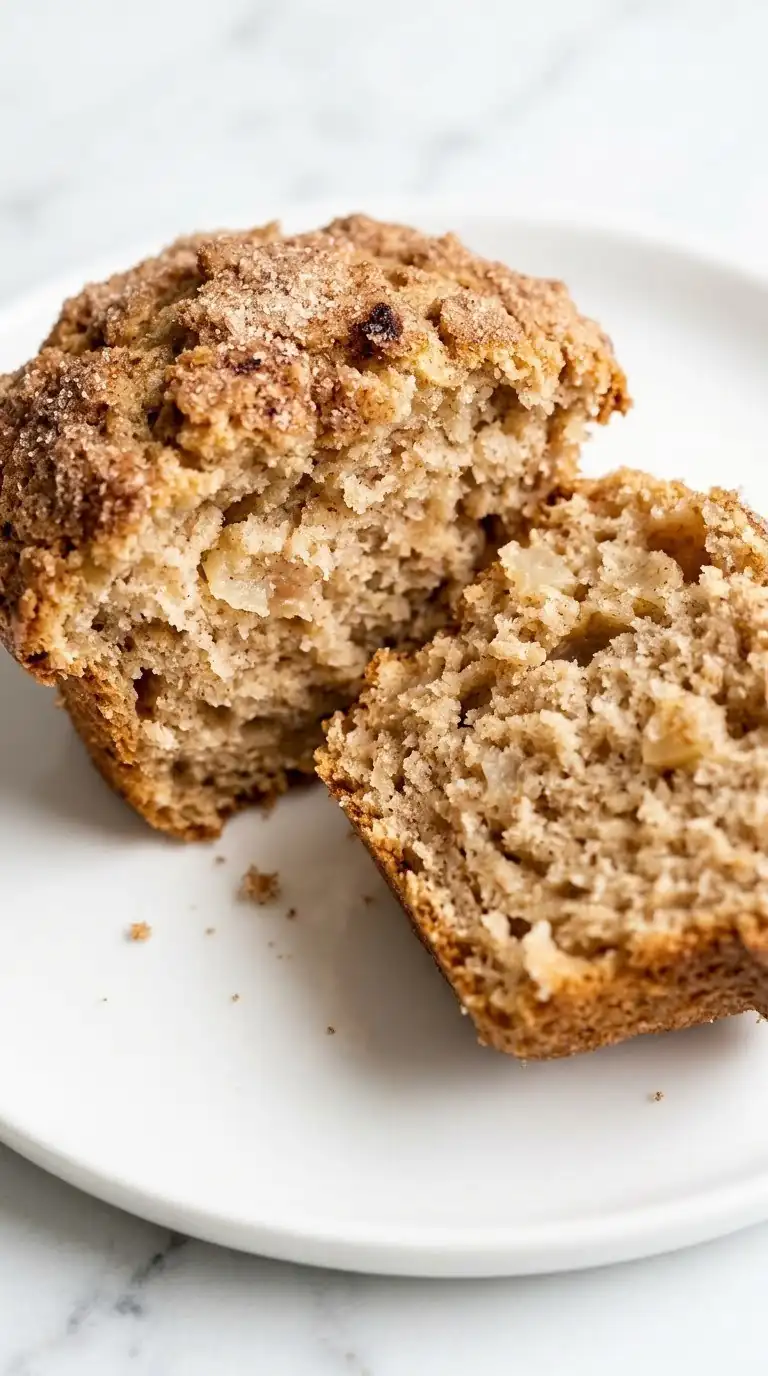
The hallmark of a great apple cider muffin is the contrast between the moist, spiced interior and the delicate, crisp cinnamon-sugar coating. To preserve this, patience is essential. Never store your muffins while they are still warm, as the steam trapped inside a container will cause the sugar topping to dissolve and turn into a sticky, syrupy mess. Allow the muffins to cool completely on a wire rack for at least 45 minutes. Once cool, if you must store them, use an airtight container lined with a single layer of paper towels at the bottom to absorb any excess moisture, which helps prevent the muffin bottoms from becoming soggy. Avoid placing these muffins in the refrigerator; the cold, dry environment of a fridge draws moisture out of the crumb and destroys the light, airy texture of the butter-based cake. Instead, keep them at cool room temperature for up to two days.
Revitalizing Stale Muffins
If your muffins lose their signature crunch after twenty-four hours, you can easily revive them. Do not use a microwave, as this will make the texture rubbery and ruin the integrity of the sugar crust. Instead, preheat your oven to 350°F (175°C). Place the muffins directly on the center oven rack or a rimmed baking sheet and heat them for exactly three to five minutes. This quick burst of dry heat re-crisps the exterior sugar layer without overcooking the center. Be sure to pull them out as soon as the topping feels tacky but firm to the touch. If you have a large batch, you can freeze them individually wrapped in parchment paper and then sealed in a freezer-safe bag for up to one month. Thaw at room temperature for two hours before refreshing in the oven for best results.
For safe storage times, the USDA guidance on leftovers and food safety is a useful reference.
Reader Questions Answered
Can I use store-bought apple juice instead of cider?
Apple cider is much more flavorful and concentrated than apple juice. For the best result, stick to unfiltered apple cider to capture that authentic orchard taste.
How do I know when the muffins are finished baking?
The muffins are done when the tops spring back when lightly touched. You can also use the toothpick test; if it comes out with just a few moist crumbs, they are perfect.
Can I add diced apples to the batter?
Yes, you can fold in half a cup of finely diced Granny Smith apples. Keep the pieces small so they distribute evenly and do not sink to the bottom.
Should the ingredients be at room temperature?
Yes, room temperature eggs and sour cream allow the batter to emulsify properly. This results in a smoother batter and a more consistent muffin texture.
How can I keep these muffins moist for days?
Store them in an airtight container at room temperature for up to three days. Place a paper towel in the container to absorb excess moisture and prevent sogginess.
Can I freeze these muffins?
Absolutely, these freeze very well. Wrap them individually in plastic wrap and place them in a freezer bag for up to two months before thawing at room temperature.
More Muffin Recipes to Try
Wrapping Up
Reflections on the Process
Baking apple cider muffins is a transformative kitchen activity that turns simple, pantry-stable ingredients into a fragrant, gourmet treat. The secret to success lies in the reduction of the apple cider. By simmering one cup of cider on the stovetop over medium heat for about fifteen minutes, you remove the water content and intensify the fruit sugars, resulting in a deep, concentrated flavor that no store-bought substitute can replicate. Always ensure your butter and eggs are at room temperature—roughly 68°F (20°C)—before beginning; this ensures the batter emulsifies properly, leading to the high-domed, professional rise we all crave. Avoid overmixing the dry ingredients into the wet ones; once you stop seeing streaks of flour, put the spatula down immediately. Over-mixing activates the gluten, which leads to a dense, chewy texture rather than the light, tender crumb that defines a high-quality muffin. Watching for the signs of doneness is crucial, so test with a wooden skewer at the 20-minute mark; it should emerge with just a few moist crumbs attached.
Final Thoughts
The journey from raw ingredients to a golden, sugar-dusted muffin is incredibly rewarding. By mastering the heat levels and respecting the cooling times, you guarantee a perfect result every single time. This recipe serves as a canvas for your kitchen creativity, and we encourage you to savor the quiet, aromatic moments spent whisking, folding, and finally, enjoying the fruits of your labor. Whether you are baking for a busy morning rush or a slow weekend gathering, these muffins offer a consistent, comforting reliability. We truly hope you enjoy the process of bringing this classic bake to life as much as we enjoyed refining it for your home kitchen. Happy baking!
Related recipes: Classic Homemade Apple Muffins, Classic Apple Cinnamon Muffins for Your Morning, Cozy Homemade Apple Oatmeal Muffins, Homestyle Apple Oat Muffins Recipe, Simple Homemade Applesauce Oatmeal Muffins.
Learn more: Muffins on Wikipedia · food storage & safety (FoodSafety.gov).
◆ ◆ ◆
← Back to Cozy Homemade Apple Cider MuffinsGet new recipes
One tasty homemade recipe in your inbox each week. No spam, unsubscribe anytime.


Comments