Simple Homemade Blueberry Muffins No Milk: Step-by-Step Instructions
For those who love fruit-forward flavors, you can swap the blueberries for equal parts raspberries or chopped blackberries. Because these fruits are softer than blueberries, ensure you fold them in with extreme care to avoid bruising them and turning your batter purple. If you are craving a warmer profile, introduce a teaspoon of ground cinnamon or a half-teaspoon of ground cardamom into the flour mixture before whisking. This creates a cozy, spiced aroma that fills the kitchen as they bake. You can also experiment with extracts; a half-teaspoon of pure almond extract pairs beautifully with blueberries and adds a subtle, sophisticated depth. Just remember that when adding dry mix-ins like nuts or chocolate chips, keep the total weight around 1 cup to ensure the structural integrity of the muffin remains sound. Always allow the muffins to cool in the pan for at least 10 minutes after baking, as the steam needs to dissipate to set the crumb, ensuring you do not lose any muffin tops when you finally pull them out of the tin.
Serving Ideas
How to Serve
To elevate these blueberry muffins, serve them warm directly from the oven when the berries are at their peak temperature and juiciness. A simple smear of salted butter or a drizzle of wildflower honey complements the natural tartness of the blueberries beautifully. Because these muffins are dairy-free, pairing them with a hot cup of black coffee, Earl Grey tea, or a chilled glass of almond milk creates a balanced breakfast profile. If you are serving these for a brunch gathering, consider arranging them on a tiered stand surrounded by fresh lemon wedges or a bowl of macerated strawberries to play off the fruit-forward flavor. For a more indulgent touch, a light dusting of coarse sparkling sugar on top of the muffin before baking adds a professional-looking, crunchy texture that contrasts with the soft crumb.
Reviving Leftovers
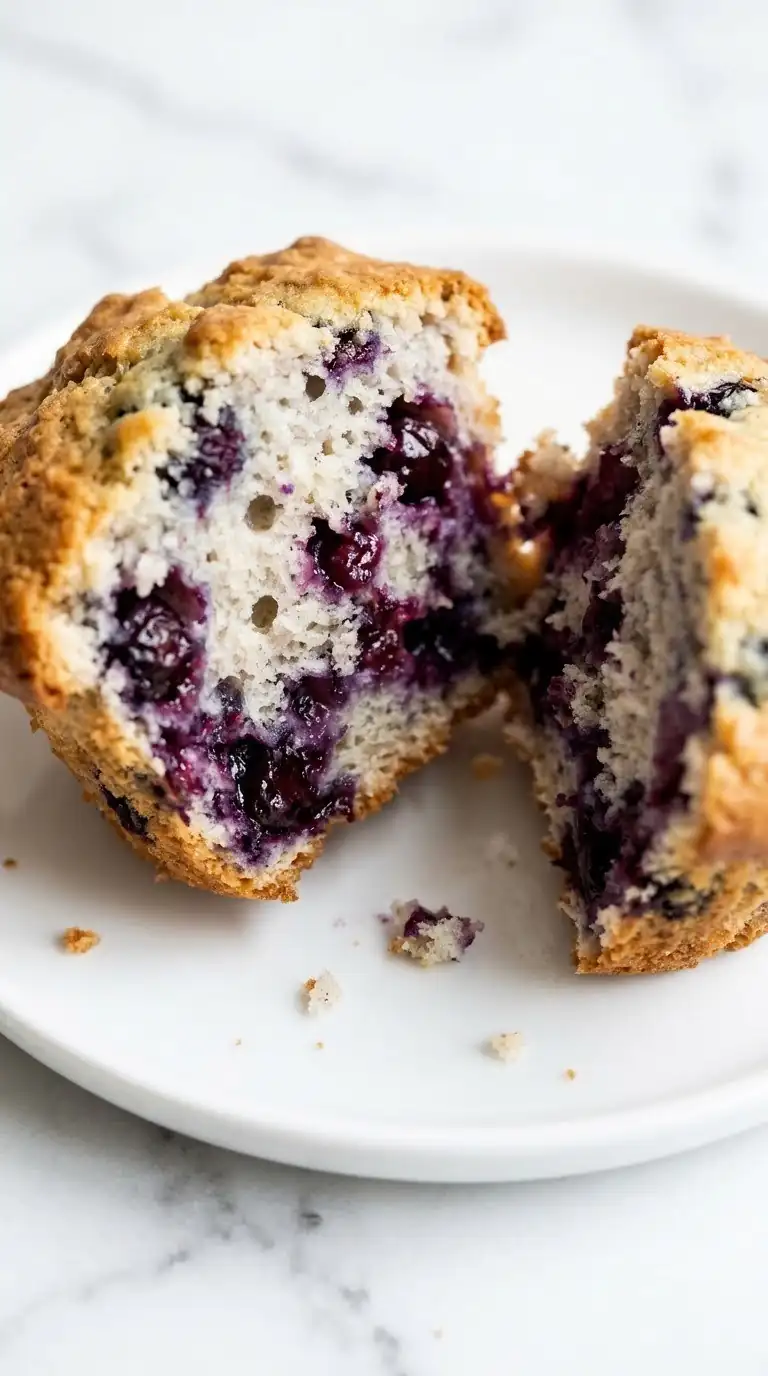
If you have muffins left over, the microwave is your best tool for restoration. Place a muffin on a microwave-safe plate and heat it for exactly 15 seconds on medium power. This short burst is long enough to soften the interior crumb and make the blueberries warm and jammy again without turning the base gummy. Avoid heating for longer, as the lack of milk can cause the structure to dry out rapidly once the heat dissipates. If you prefer a crispier exterior, you can split the muffin in half and place it in a dry skillet over medium-low heat for two minutes, allowing the cut side to toast lightly. This method provides a wonderful contrast between the warm, soft blueberries and the toasted, buttery-like edges of the muffin bottom.
Keeping It Fresh
Storage Solutions
Proper storage is essential to maintain the integrity of a dairy-free muffin, as the moisture levels fluctuate differently than those made with heavy cream or whole milk. Once the muffins have cooled completely on a wire rack—usually after 45 to 60 minutes—line an airtight container with two sheets of paper towels. The paper towels act as a moisture buffer, absorbing excess condensation that can otherwise cause the tops to become tacky or soft within a few hours. When sealing the container, ensure the lid is tight to prevent the muffins from absorbing any surrounding aromas from your pantry or refrigerator. For the best texture, keep the container on the counter at room temperature for up to two days, ensuring they stay away from direct sunlight or stove heat.
Long-Term Preservation
If you live in an exceptionally humid climate, the air will naturally draw moisture into the flour-based crumb, leading to a soggy texture by the following day. In these cases, it is prudent to refrigerate your muffins immediately after they have fully cooled. When refrigerated, they stay fresh for up to five days. To maintain the quality, wrap each muffin individually in parchment paper before placing them into a zip-top bag; this prevents them from drying out due to the constant cold air circulation. For even longer storage, these muffins freeze exceptionally well. Place them in a freezer-safe bag, pressing out all the air before sealing. They will remain high-quality for up to three months. To thaw, simply move them to the counter for an hour before reheating to restore the ideal, tender crumb structure.
For safe storage times, the USDA guidance on leftovers and food safety is a useful reference.
Reader Questions Answered
Can I make blueberry muffins without oil?
Yes, you can substitute the oil with an equal amount of unsweetened applesauce for a lower-fat option. Keep in mind that oil provides more moisture, so the texture may be slightly denser with applesauce.
How can I make blueberry muffins without a muffin pan?
If you do not have a muffin tin, you can use sturdy, freestanding paper baking cups placed on a rimmed baking sheet. Alternatively, a heat-safe glass baking dish can be used to make blueberry muffin bars, simply adjust the baking time.
Is it possible to bake blueberry muffins without baking powder?
Baking powder is essential for the lift in this recipe. If you are out, you can substitute it with a mixture of 1/4 teaspoon baking soda and 1/2 teaspoon cream of tartar for every teaspoon of baking powder needed.
Why do my muffins turn out dry without milk?
Dryness usually occurs from over-mixing the batter or over-baking the muffins. Be sure to stop stirring as soon as the flour disappears, and start checking for doneness a few minutes before the timer rings.
Can I use frozen blueberries in this recipe?
Absolutely, frozen berries work perfectly. Do not thaw them before adding to the batter, as this prevents the color from bleeding into the muffins and keeps the berries intact.
How long do these milk-free muffins stay fresh?
Store your muffins in an airtight container at room temperature for up to 3 days. For longer storage, freeze them in a sealed bag for up to two months and thaw them individually as needed.
More Muffin Recipes to Try
Wrapping Up
Bake Today
Mastering this simple blueberry muffin recipe that excludes milk is a highly rewarding culinary project that brings immediate joy to any kitchen. By relying on the natural acidity of fruit and the proper balance of fats and leavening agents, you achieve a bakery-style lift and a tender, golden-brown exterior without the need for specialized dairy products. This recipe is designed to be forgiving, making it an excellent starting point for beginner bakers or a reliable staple for those with specific dietary preferences. The key to success lies in folding the blueberries in gently—ideally tossed in a teaspoon of flour beforehand to prevent them from sinking to the bottom—and ensuring your oven is calibrated to 375°F (190°C) to lock in that perfect dome shape. Whether you are baking a single batch for a slow Sunday morning breakfast or preparing a double portion for a weekend gathering, this recipe provides consistent, professional-grade results every single time.
Sharing Your Results
We believe that baking is a communal act, and there is nothing quite like the scent of fresh blueberries filling the home. We encourage you to experiment with your oven timing, as even a two-minute difference in bake time can shift the texture from soft and airy to dense and chewy. If you find your oven runs hot, start checking for doneness at the 18-minute mark by inserting a wooden skewer into the center; it should emerge with just a few moist crumbs clinging to it, never wet batter. We would love to hear how your batch turned out in your own kitchen, especially if you added unique touches like lemon zest or a sprinkle of cinnamon.
Related recipes: Homemade Fresh Lemon Blueberry Muffins, Bright and Refreshing Blueberry Citrus Muffins Recipe, 4 Ingredient Blueberry Banana Oatmeal Muffins, Sour Cream Blueberry Muffins, Sugar free blueberry muffins.
Learn more: Blueberry on Wikipedia · food storage & safety (FoodSafety.gov).
◆ ◆ ◆
← Back to Simple Homemade Blueberry Muffins No MilkGet new recipes
One tasty homemade recipe in your inbox each week. No spam, unsubscribe anytime.


Comments