Savory Vegetable and Feta Egg Muffin Cups: Step-by-Step Instructions
If you want to include plant-based proteins to make your muffins more substantial, diced sautéed mushrooms are an excellent choice. Cremini or white button mushrooms provide a meaty, savory quality that pairs perfectly with the eggs. Similarly, roasted zucchini rounds can be chopped and folded into the mix; because zucchini has a high water content, roasting it first until lightly golden ensures that it doesn't thin out the egg base or affect the bake time. When adding these denser vegetables, ensure they are thoroughly cooled before folding them into the egg mixture to prevent the eggs from starting to scramble prematurely. You may also sprinkle the tops with toasted sunflower seeds or hemp hearts just before the oven timer dings for an added textural crunch that elevates a standard egg muffin into a high-quality culinary experience. These modifications allow for endless variety without ever needing to alter the foundational 350°F bake setting or the necessary cooking duration.
Serving Ideas
Creative Ways to Plate Your Egg Muffin Cups
The beauty of egg muffin cups lies in their chameleon-like ability to fit into any meal. For a balanced lunch, serve two warm cups alongside a crisp arugula salad tossed with a light lemon vinaigrette. The peppery bite of the greens cuts through the richness of the eggs, while a side of toasted sourdough provides the necessary crunch to complete the texture profile. If you are hosting a morning brunch, create an inviting platter by alternating the egg muffins with vibrant fruit skewers made of melon, berries, and grapes. The contrast between the savory, warm protein and the cool, sweet fruit creates a sophisticated dining experience that guests find both accessible and impressive.
Presentation Tips for Busy Mornings
Presentation is key to elevating these simple cups from basic breakfast food to a centerpiece. Because the muffin cups retain their shape perfectly, you can easily arrange them on a wooden board or a ceramic tray. To make the colors pop, garnish the tops immediately after baking with freshly snipped chives or a dusting of smoked paprika. If you are serving these for a casual afternoon snack, consider offering a side of creamy avocado mash or a mild tomato salsa. The addition of these fresh, cold toppings introduces a temperature contrast that makes the dish feel more intentional. Whether you are eating them on the go or plating them for a relaxed weekend meal, the key is to highlight the bright hues of your chosen vegetables, such as diced red peppers, spinach, or shredded carrots, to ensure they look as good as they taste.
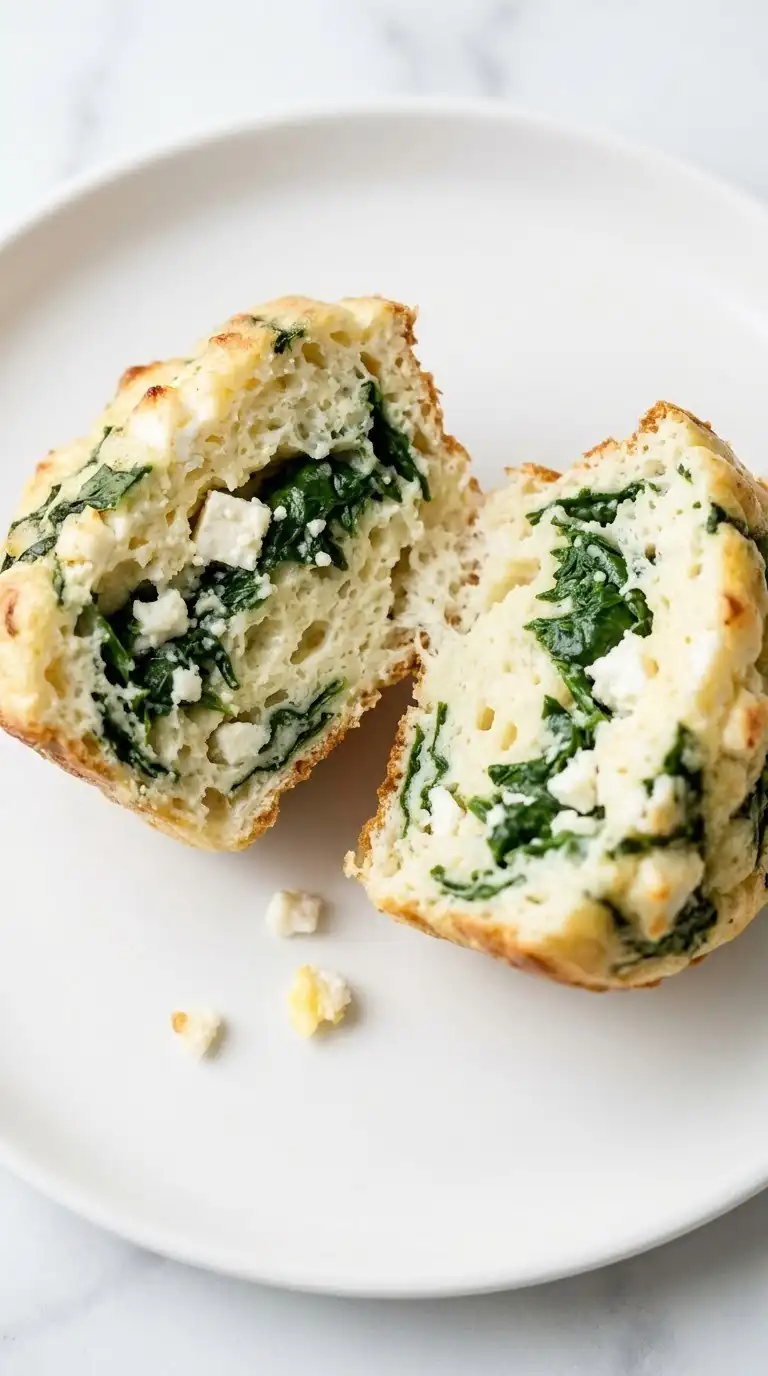
Keeping It Fresh
Storage and Reheating Guidelines
To ensure your egg muffin cups remain as delicious as the moment they left the oven, proper storage is essential. Once the cups have cooled to room temperature, transfer them to an airtight container. Placing a paper towel at the bottom of the container can help absorb excess condensation, preventing the bottoms from becoming soggy. When stored in the refrigerator, they maintain their structural integrity for up to three days. To reheat, avoid high heat settings, as this tends to rubberize the egg protein. Instead, place them on a microwave-safe plate and heat on a medium power setting for 30 to 45 seconds. If you find the centers are still cool, add 10-second intervals rather than rushing the process. This gentle approach ensures the internal texture remains light, fluffy, and tender rather than dry or overcooked.
Mastering the Freezer Method
Freezing these muffins is an excellent way to prepare for a hectic week, as they can last for up to one month in the freezer without losing their quality. The most critical step is ensuring the cups are completely cool before freezing; trapped steam can create ice crystals that ruin the texture upon thawing. Wrap each muffin individually in parchment paper and then place them into a heavy-duty freezer bag, squeezing out as much air as possible to prevent freezer burn. When you are ready to eat, the best method is to move them from the freezer to the refrigerator the night before. This slow, controlled thawing process preserves the moisture within the egg structure. Avoid the temptation to defrost them rapidly in the microwave, as this can force out moisture and result in a dense, spongy consistency.
For safe storage times, the USDA guidance on leftovers and food safety is a useful reference.
Reader Questions Answered
Can I use this as a quiche recipe for a muffin pan?
Yes, this is essentially a crustless quiche recipe for a muffin pan. By omitting the pastry, you keep the focus on the fresh eggs and vegetables while saving significant preparation time.
What is the ideal egg muffin in oven time?
For most standard muffin tins, an egg muffin in oven time of 20 to 22 minutes at 375°F (190°C) is perfect. Always check that the center is firm to the touch before removing them from the oven.
Is a muffin pan omelette recipe hard to clean?
A muffin pan omelette recipe can be sticky if you do not grease the cups thoroughly. I recommend using a high-quality non-stick pan and a small amount of butter or oil for the easiest release.
Can I make a muffin tin chicken pot pie using this method?
While this base works for eggs, a muffin tin chicken pot pie would require a puff pastry or pie crust lining. You can adapt the savory approach, but the structure would be quite different.
What about a muffin tin meatloaf turkey recipe?
A muffin tin meatloaf turkey recipe uses a similar volume to these eggs, but it requires a much longer cook time. I suggest keeping meat-based muffin recipes separate from egg-based ones to avoid cross-contamination and timing errors.
Are these considered quiche muffin cups?
Yes, these are often referred to as quiche muffin cups because they contain the same flavor profile as a traditional crustless quiche. They are the perfect individual portion for breakfast or a light lunch.
More Muffin Recipes to Try
Wrapping Up
Refining Your Technique
Mastering the craft of baking egg muffin cups is a rewarding endeavor that relies on precision rather than complexity. The secret to success begins with the oven temperature; preheating to exactly 375°F (190°C) is vital to ensure the eggs rise evenly without browning the edges prematurely. Always grease your muffin tin generously with butter or a high-quality oil to ensure a clean release every time. One of the most common mistakes to avoid is overmixing your egg base; a quick whisk until the yolks and whites are just combined is sufficient. Incorporating too much air or overbeating can lead to muffins that deflate significantly once removed from the heat. By monitoring your baking time—typically 20 to 22 minutes—you will achieve that perfect, stable structure that is firm to the touch but soft in the center.
Experimentation and Culinary Growth
Once you have established the base recipe, the kitchen becomes a playground for flavor discovery. These cups act as a neutral canvas for a variety of additions, from earthy sautéed mushrooms to sharp, aged cheeses. When experimenting, always ensure your vegetables are finely diced and sautéed beforehand to remove excess moisture; adding raw, water-heavy vegetables like zucchini or tomatoes without pre-cooking will often result in a watery pool at the bottom of your cups. As you gain confidence, try layering different herbs, such as fresh dill or basil, to create unique flavor profiles. There is immense satisfaction in perfecting this simple, savory staple, and with these refined techniques, you are well-equipped to produce a high-quality, nutritious meal that never grows old.
Related recipes: Easy Spinach and Red Bell Pepper Egg Muffins, Simple Homemade Breakfast Egg Muffins, Moist Pumpkin Cream Cheese Muffins, Simple Savory Baked Eggs in a Muffin Tray, Simple Vanilla Muffin Recipe for Everyday Baking.
Learn more: Vegetable on Wikipedia · food storage & safety (FoodSafety.gov).
◆ ◆ ◆
← Back to Savory Vegetable and Feta Egg Muffin CupsGet new recipes
One tasty homemade recipe in your inbox each week. No spam, unsubscribe anytime.


Comments