Simple Vanilla Bean Healthy Muffin Flavours for Beginners: Step-by-Step Instructions
For those seeking a warmer flavor profile, a half-teaspoon of finely ground green cardamom is a transformative addition. Cardamom offers a citrusy, floral spiciness that elevates the simple vanilla base into something sophisticated. If you prefer a citrus brightness, fold in one tablespoon of freshly zested lemon or lime; the essential oils in the peel will penetrate the batter as it bakes, creating a refreshing aroma. You may also incorporate half a cup of fresh blueberries or finely diced strawberries. To prevent fruit from bleeding color into the batter, ensure the fruit is thoroughly dried after washing and folded in at the very final stage of preparation. Regardless of the flavor profile you choose, keep the total weight of additional add-ins under three-quarters of a cup. Adding too many heavy ingredients will weigh down the batter, preventing the necessary rise and resulting in a flat, dense final product that lacks the airy, professional crumb structure you have worked so hard to achieve.
Serving Ideas
Pairing Suggestions
Elevating a wholesome muffin goes beyond the bake itself; the accompaniments can transform a simple snack into a satisfying culinary experience. For a balanced breakfast, pair your freshly baked muffins with a warm cup of herbal hibiscus or peppermint tea. The subtle floral notes of these infusions cut through the density of whole-grain flours, providing a refreshing palate cleanser between bites. If you prefer a creamy element, a splash of unsweetened almond or oat milk works beautifully to enhance the inherent nuttiness of the muffin base.
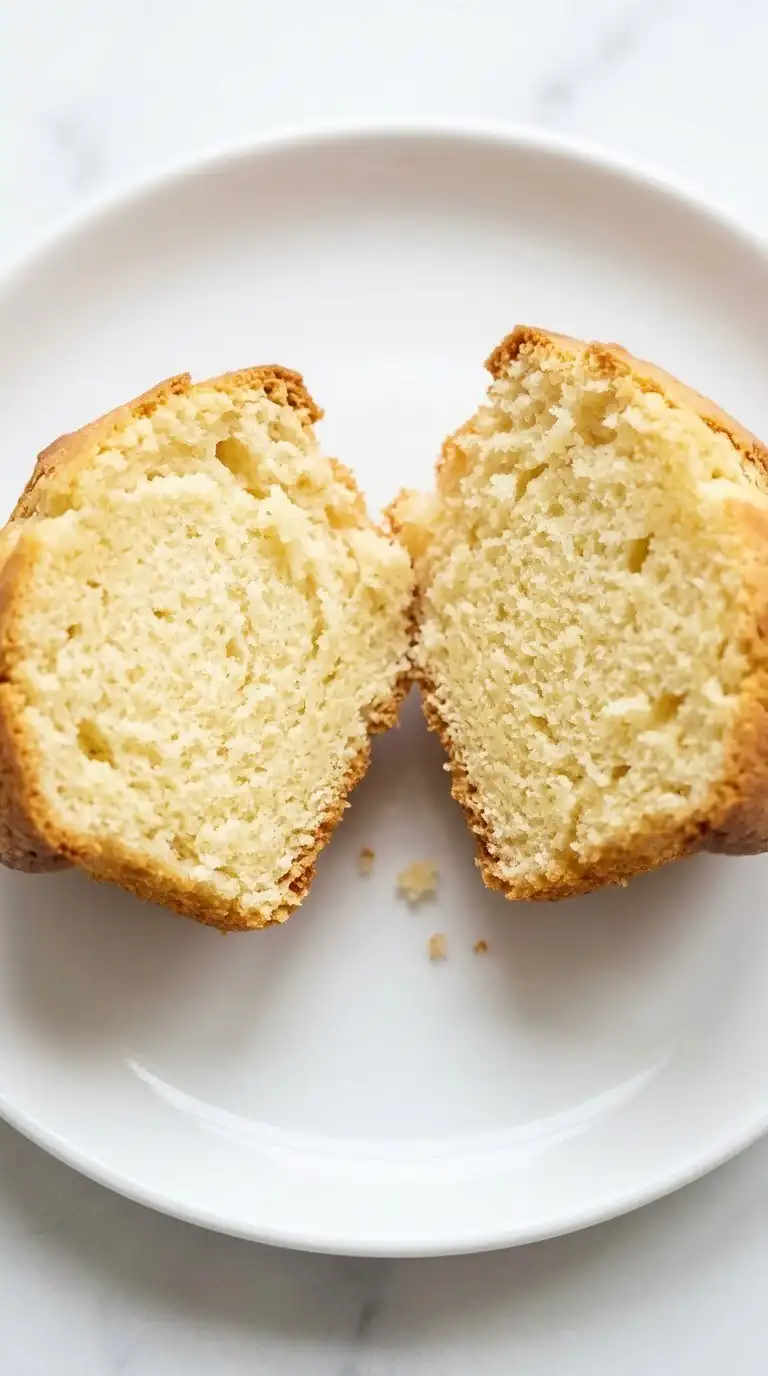
For those seeking a more substantial afternoon treat, consider the texture contrast of spreads. Gently slicing a muffin in half and warming it slightly creates the perfect canvas for a thin, even layer of roasted almond butter. The savory saltiness of the butter highlights the natural sweetness of fruit-based muffins, such as those made with diced apples or mashed bananas. If you prefer a touch of sweetness, a teaspoon of concentrated fruit spread—free of added sugars—can add a bright, concentrated burst of acidity. Avoid overly heavy toppings that mask the crumb structure of the muffin; aim for spreads that complement rather than overwhelm. When serving, ensure the muffins are cooled for at least fifteen minutes post-bake; this allows the crumb to set properly, preventing the muffin from crumbling into pieces when you apply your choice of spread. By thoughtfully selecting these pairings, you move beyond mere sustenance, turning a quick snack into a intentional, enjoyable ritual that respects the integrity of your quality ingredients.
Keeping It Fresh
Maintaining the moisture and texture of home-baked muffins requires a systematic approach to storage. If you do not intend to consume your batch within forty-eight hours, freezing is the most effective way to lock in the peak flavor and crumb density. Before placing them in the freezer, it is crucial to allow the muffins to cool completely on a wire rack; trapping residual heat creates condensation, which will lead to a gummy or soggy muffin surface upon thawing. Once cool, individually wrap each muffin in parchment paper or beeswax wraps to prevent freezer burn and cross-contamination of odors.
Place these wrapped muffins into an airtight, freezer-safe container or a heavy-duty silicone bag. When you are ready to enjoy one, resist the temptation to blast it in the microwave on high power, as this often results in a tough, rubbery bottom. Instead, place the unwrapped muffin on a microwave-safe plate and heat for exactly twenty seconds; this is typically sufficient to bring the interior back to a soft, cake-like consistency without compromising the structure. For a superior texture that mimics the fresh-baked state, utilize a conventional oven. Preheat your oven to a low temperature of 300°F (150°C) and place the muffins on a baking sheet for five to seven minutes. This slow-warming method gently revives the crust and softens the center evenly throughout. By avoiding high-heat reheating methods and ensuring complete initial cooling, you can successfully preserve the quality of your muffins for up to three months, ensuring that a wholesome snack is always within reach.
For safe storage times, the USDA guidance on leftovers and food safety is a useful reference.
Reader Questions Answered
What is the best healthy muffin pan to use?
A heavy-gauge steel pan with a light-colored, non-stick finish is ideal. It helps distribute heat evenly and prevents the bottoms from browning too quickly.
Can you suggest some healthy muffin pan recipes?
Beyond vanilla, you can incorporate shredded carrots or grated apples into the base batter. These additions add moisture without requiring excessive oils or fats.
How do I make these healthy ish muffins?
These muffins are considered healthy-ish because they balance fiber-rich whole wheat flour with portion-controlled natural sugars. They provide sustained energy rather than a quick sugar spike.
Is there a good healthy muffin glaze recipe?
You can create a simple glaze by whisking together two tablespoons of Greek yogurt with a teaspoon of pure maple syrup. This healthy muffin icing adds a tangy, lightly sweet finish without heavy confectioners' sugar.
What is the best way to clean healthy muffin tins?
Avoid harsh abrasive scrubbers that can scratch the finish. Simply soak the tin in warm soapy water for ten minutes, then gently wipe away any residue with a soft cloth.
How should I store these muffins to keep them fresh?
Keep them in an airtight container at room temperature for up to three days. For longer storage, place them in a freezer-safe bag for up to two months and thaw as needed.
More Muffin Recipes to Try
Wrapping Up
Baking serves as a bridge between simple, raw ingredients and a nourishing, comforting meal. Mastering these foundational techniques transforms your kitchen into a space of productivity and creativity. By focusing on high-quality pantry staples—such as stone-ground flours, fresh fruits, and natural sweeteners—you create a base that is inherently versatile. The beauty of this approach lies in the rhythm of the process: measuring your dry ingredients, gently folding in the wet components until just combined, and watching as the leavening agents create that perfect, golden dome. Remember that over-mixing is the most common pitfall; handle your batter with a light touch to ensure a tender, airy crumb rather than a dense, tough texture.
As you experiment with different flavor profiles, keep a small log of your successes. Notice how different oven rack positions affect the browning of the muffin tops and how varying the size of your fruit inclusions changes the bake time. Precision in your measurements and patience during the cooling phase are the two most important habits to develop. This foundational knowledge serves as a reminder that eating well is not about restriction, but about understanding the potential of real, unprocessed foods. We hope these technical insights empower you to approach your next baking session with confidence and curiosity. Each batch is an opportunity to refine your skills, share something wholesome with those you care about, and appreciate the sensory satisfaction of a kitchen filled with the aroma of freshly baked, golden muffins. Enjoy every bite, knowing it was crafted with care and intent.
Related recipes: Simple Vanilla Healthy Muffin Recipes for Every Morning, Simple Gluten Free Pumpkin Muffins, Simple Vanilla Muffin Recipe for Everyday Baking, Simple Homemade Pumpkin Muffins, Easy Spinach and Red Bell Pepper Egg Muffins.
Learn more: Beginners on Wikipedia · food storage & safety (FoodSafety.gov).
◆ ◆ ◆
← Back to Simple Vanilla Bean Healthy Muffin Flavours for BeginnersGet new recipes
One tasty homemade recipe in your inbox each week. No spam, unsubscribe anytime.


Comments