Miso Glazed Cabbage Flowers with Tahini and Cashews: Step-by-Step Instructions
Step-by-Step Instructions
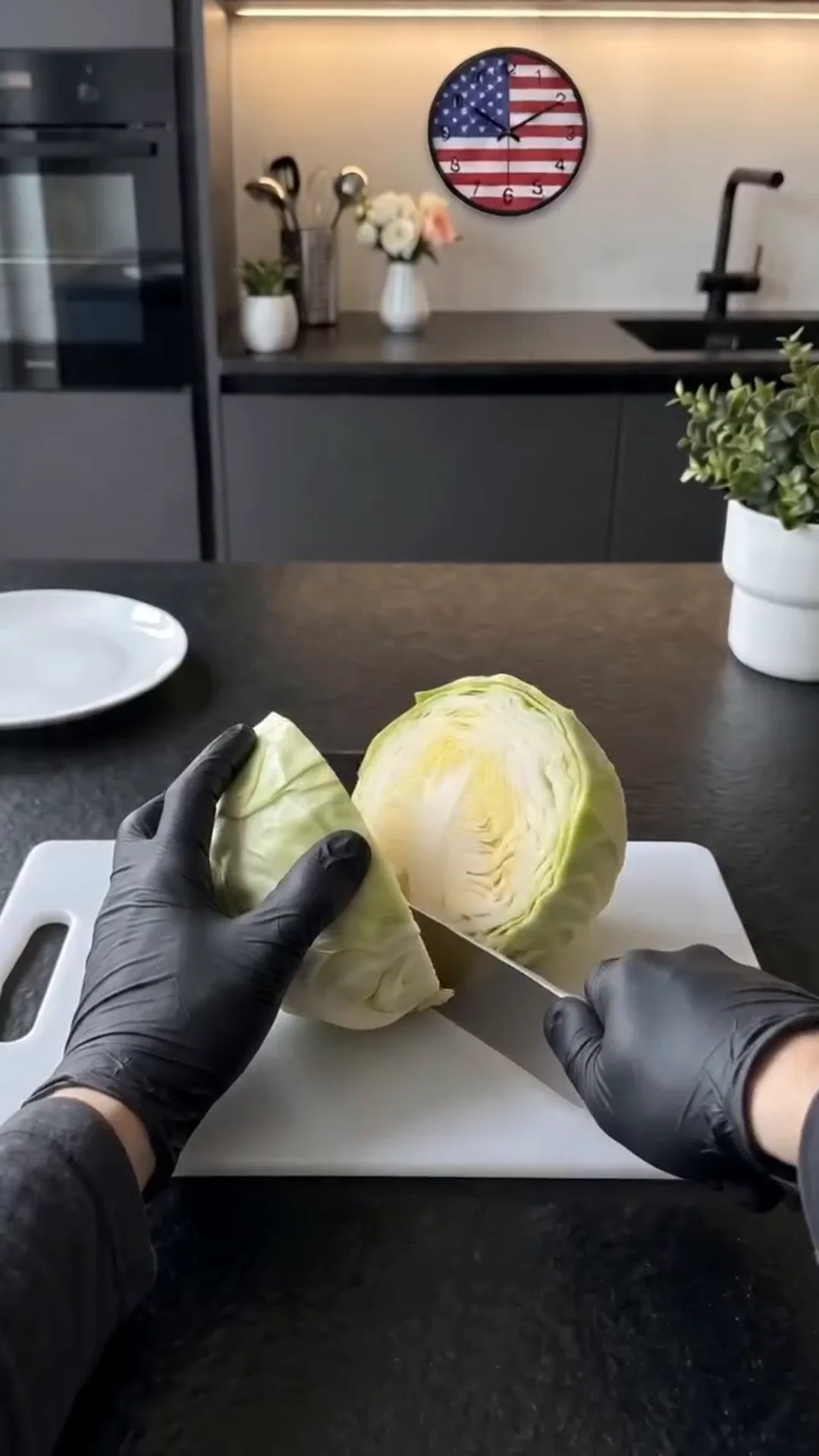
Step 1: Boil the cabbage
Fill a wide, deep pan three quarters full with water and add the kosher salt. Bring the water to a rolling boil. Once boiling, lower the heat fully and add the cabbage halves. Cover the pan and cook for 15 to 20 minutes. You are looking for the cabbage to be slightly tender but still maintaining a firm structure so it holds its shape for the next steps.
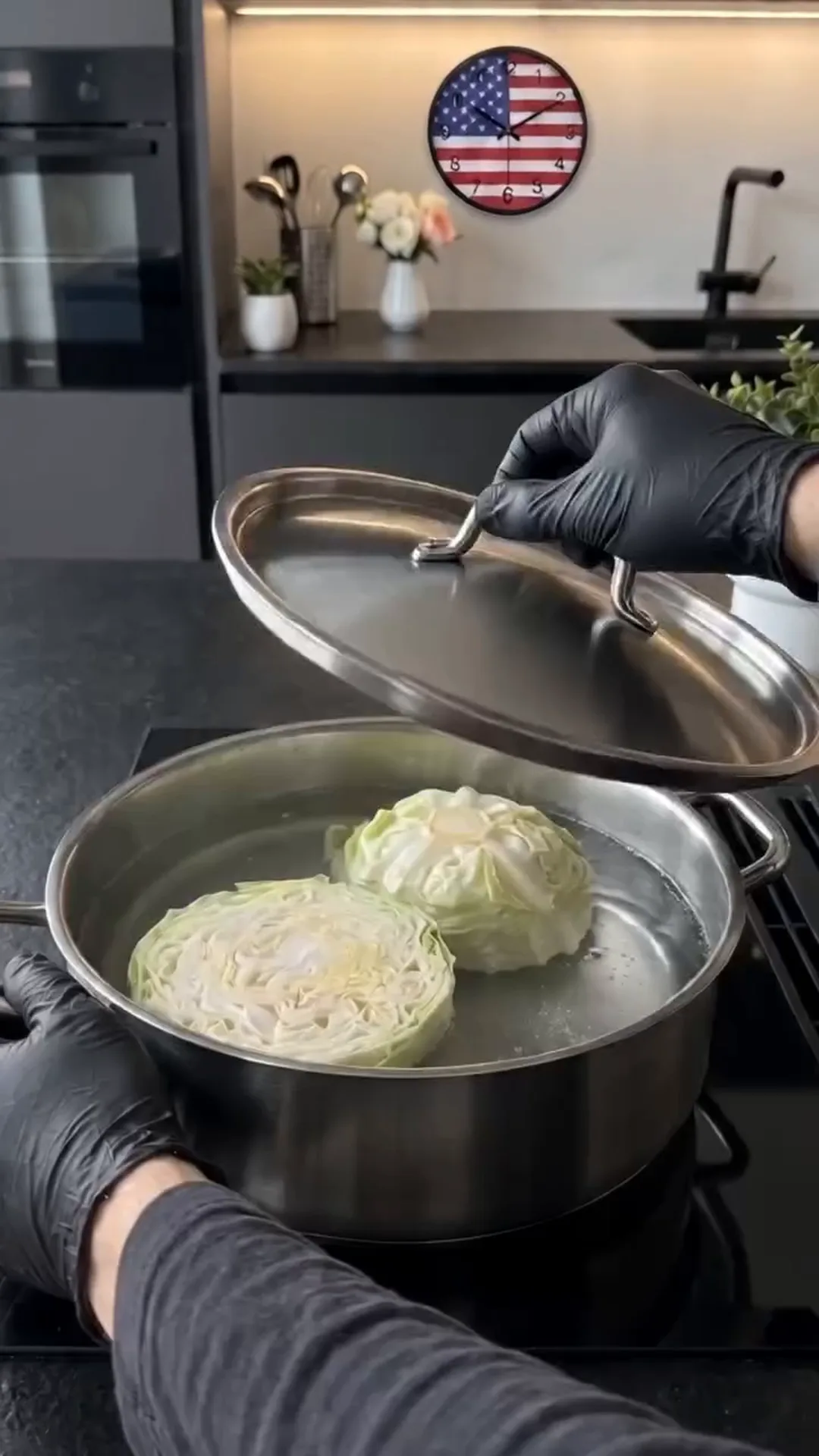
Step 2: Drain and open
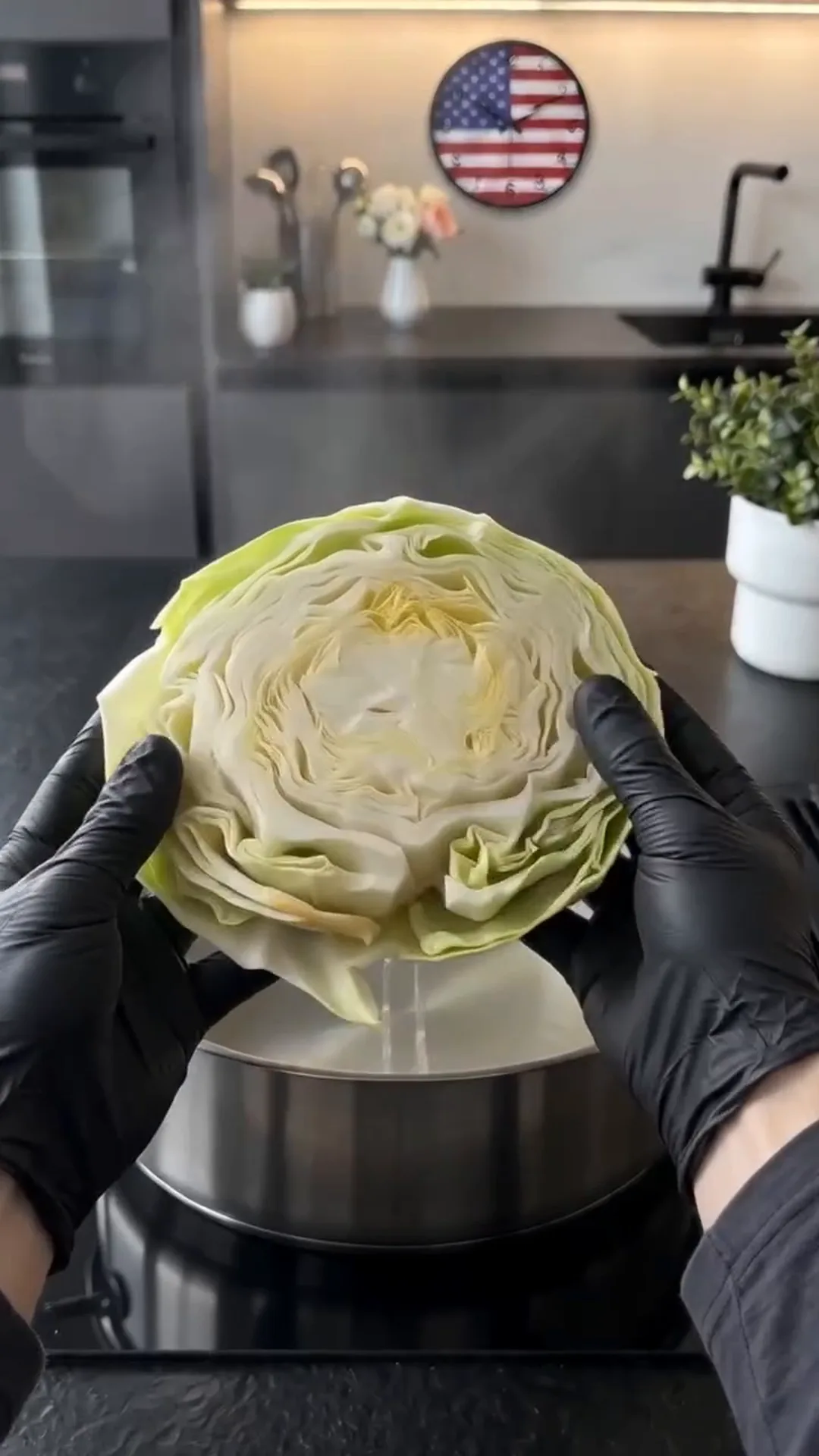
Remove the cabbage from the water and place them upside down on a cooling rack. This allows all the trapped water to release, preventing the glaze from becoming soggy. Once they are cool enough to handle safely, turn them over cut side up. Using your hands, gently pull the individual leaves apart so they fan out like the petals of a flower.
Step 3: Preheat the oven
Set your oven to 450°F (230°C). It is important that the oven is fully preheated before the cabbage begins roasting to ensure the sugars caramelize properly and the edges get that desired charred texture.
Step 4: Prepare the glaze
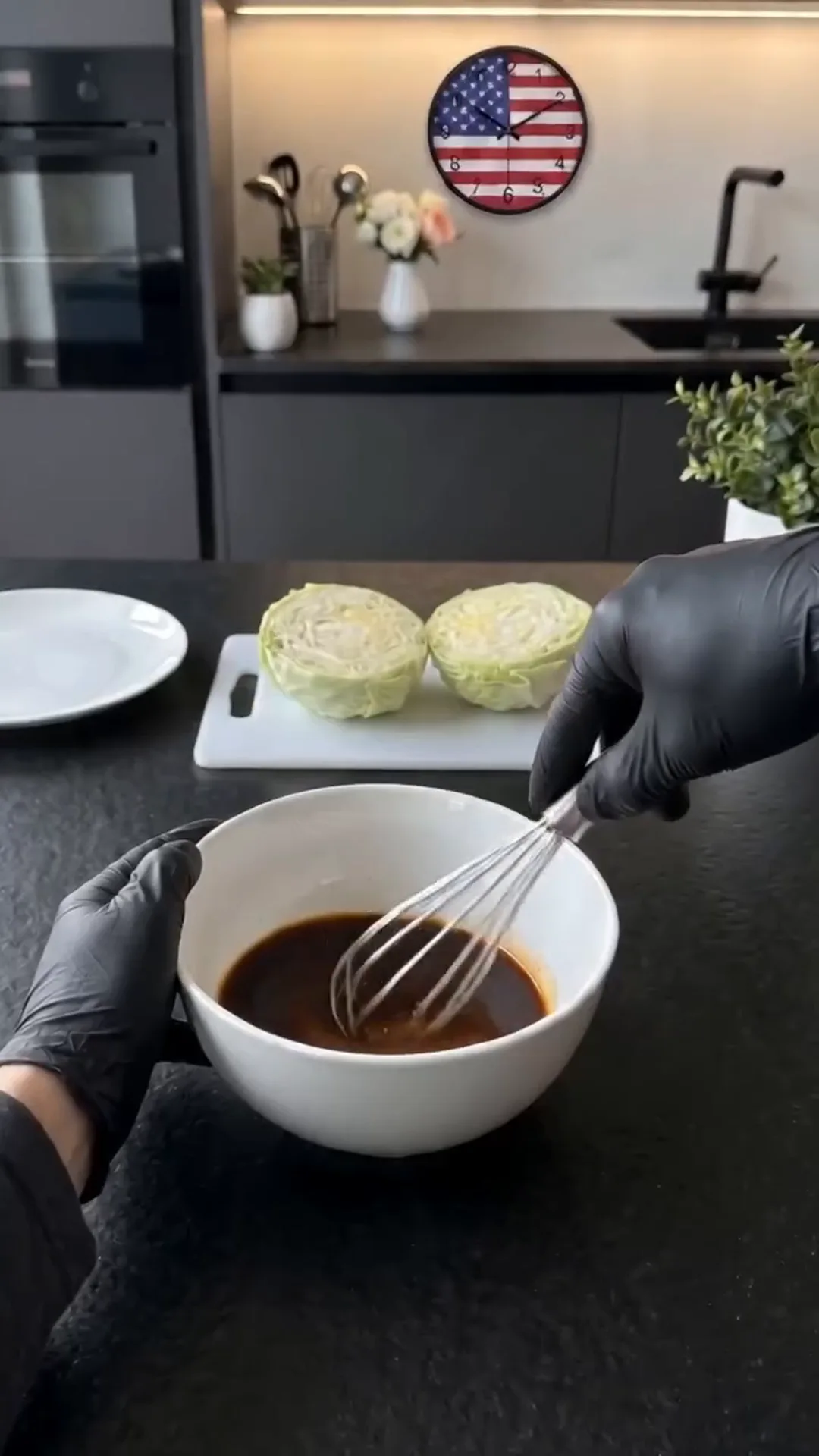
In a medium bowl, combine the white miso, honey, light brown sugar, soy sauce, rice vinegar, toasted sesame oil, extra virgin olive oil, and warm water. Whisk vigorously until the mixture is completely smooth and emulsified. Set aside 4 tablespoons of this glaze for the tahini sauce, and keep a little extra aside in a small bowl for a final brush after roasting.
Step 5: Glaze the flowers
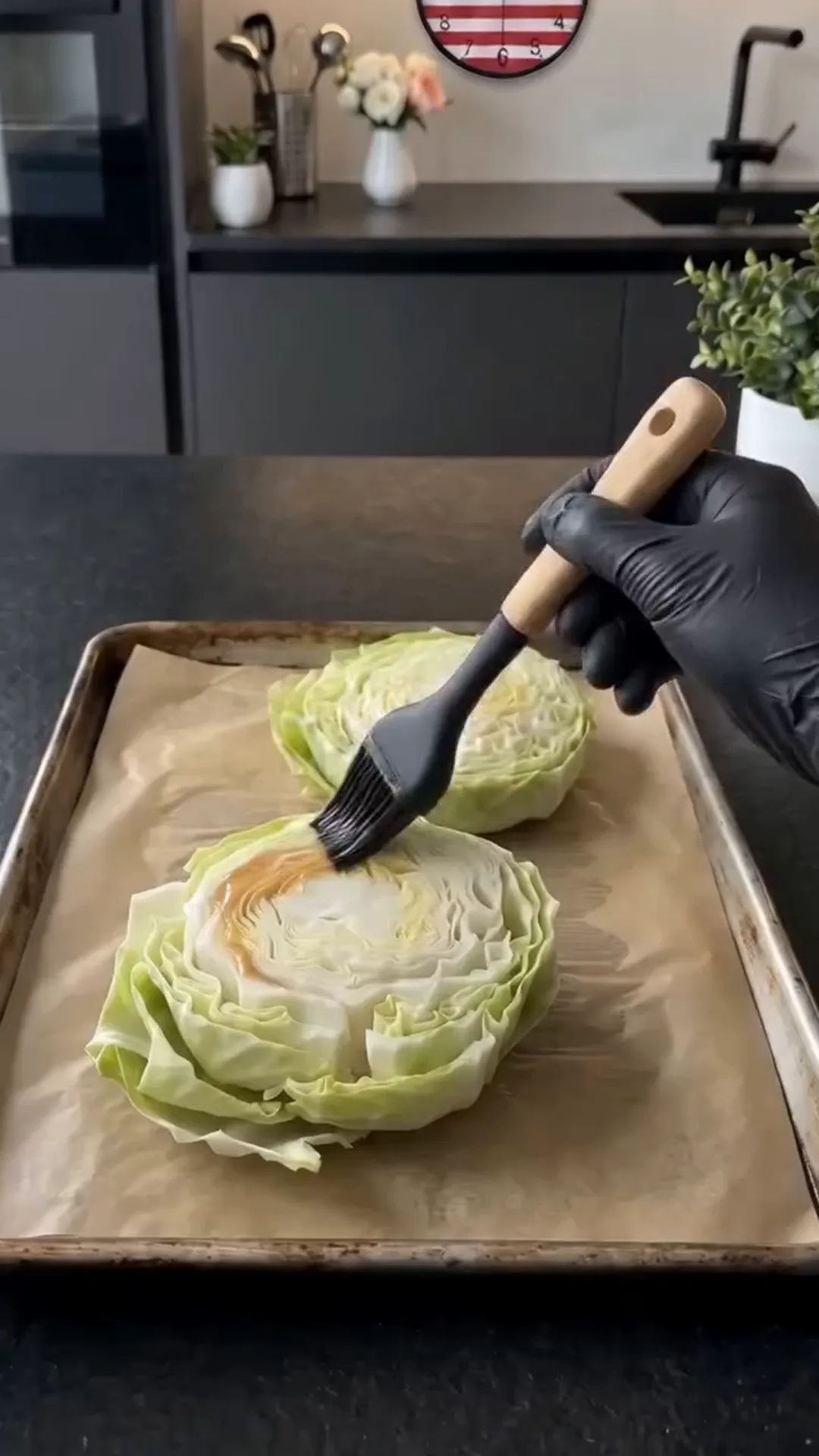
Place the opened cabbage halves into a medium-sized baking dish. Using a pastry brush, apply the miso glaze generously over the surface and deep between each layer of the leaves. You want every part coated so that the flavors penetrate deep into the vegetable during the roasting process.
Step 6: Roast and broil
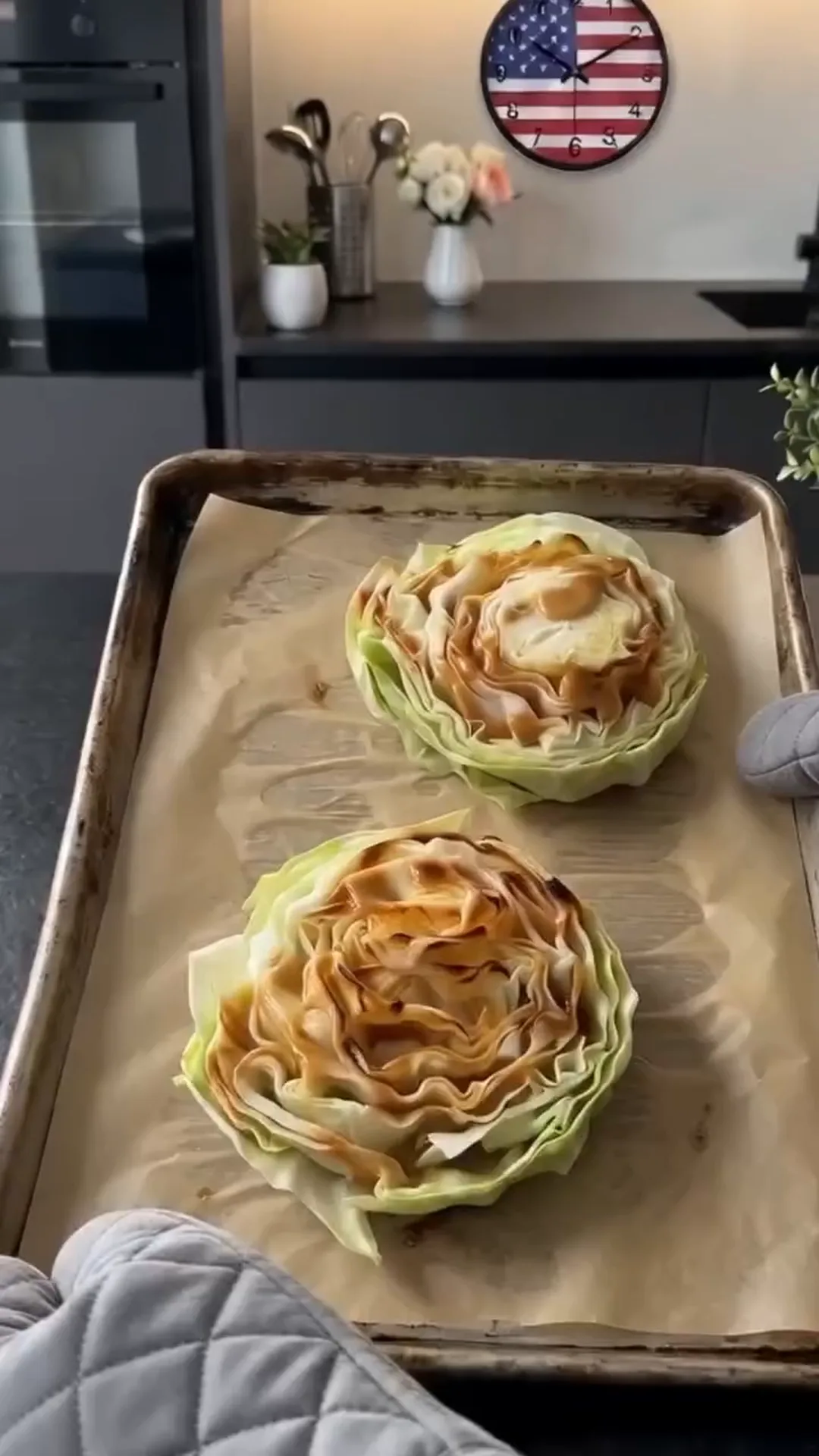
Place the dish in the oven and bake for 25 minutes. Afterward, switch the oven to the broiler setting. Broil for up to 10 additional minutes until the edges are deeply caramelized and dark. Watch them very closely during this stage, as the honey and sugar can burn very quickly under direct broiler heat.
Step 7: Make the miso tahini
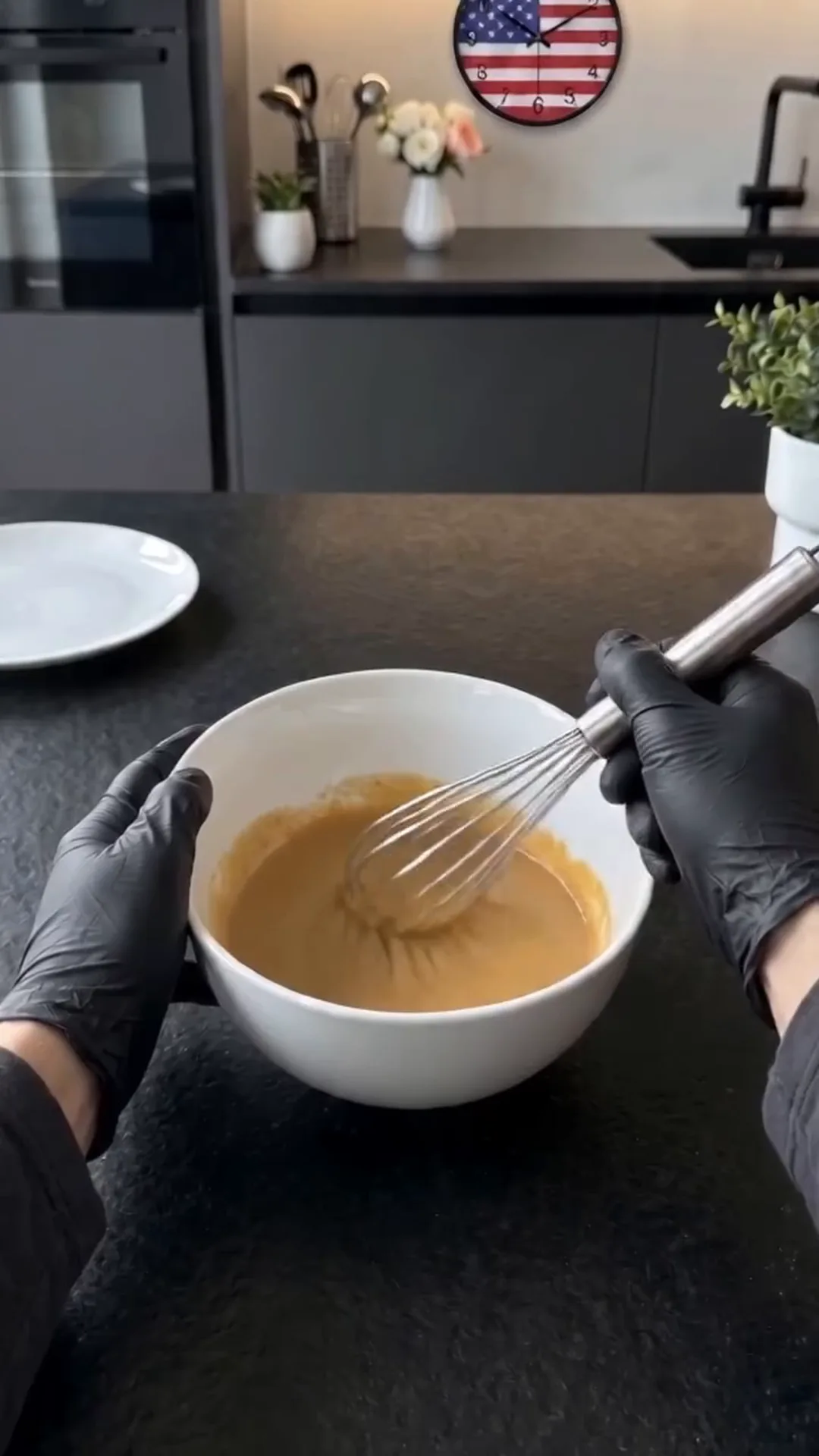
In a bowl, whisk together the raw tahini, lemon juice, the 4 tablespoons of reserved glaze, and the iced water. Whisk constantly until the mixture is smooth and pourable. Transfer the finished sauce into a squeeze bottle for easy drizzling later during plating.
Step 8: Create the furikake
Place the cashews in a food processor and pulse until they are finely chopped but retain some texture. Tear the nori sheets into the processor and pulse again to create small flakes, careful not to make a paste. Transfer the mixture to a bowl, stir in the toasted sesame seeds, and season with flaky salt to taste.
Step 9: Final assembly
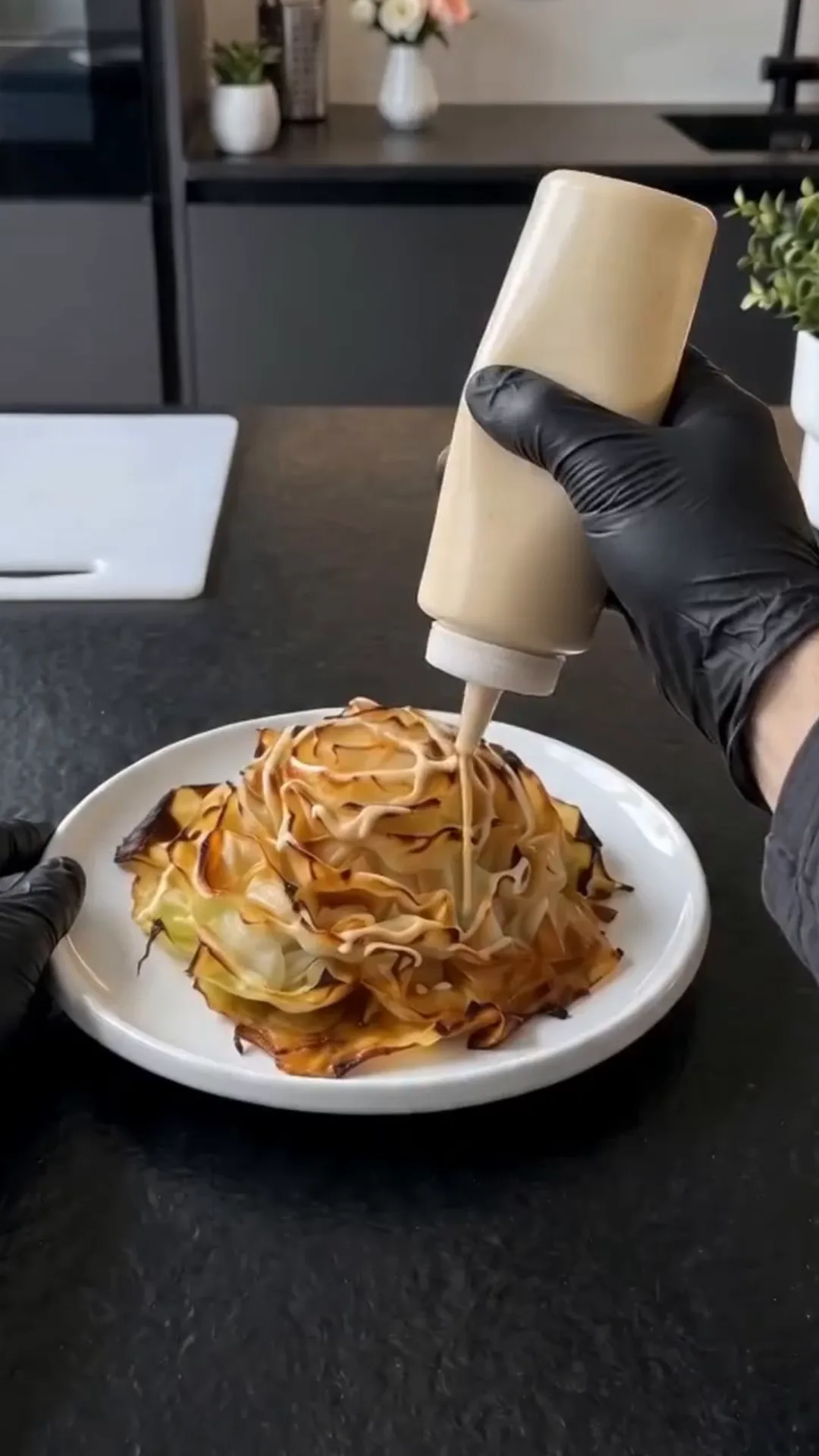
While the cabbages are still steaming hot from the oven, lightly brush them with the remaining glaze. Drizzle the miso tahini generously over the flowers and follow with a drizzle of olive oil. Sprinkle the crushed Aleppo pepper to your preferred heat level and finish the dish with a heavy coating of the cashew furikake.
Step 10: Serve immediately
Plate the glazed cabbage flowers and serve them right away while they are hot and the various sauces are still fragrant and aromatic.
Expert Tips
- Don't overcook in the water: The cabbage must stay firm during the initial boil; if it gets too soft, it will collapse instead of opening into a beautiful flower.
- Drain well upside down: Ensure the cabbages dry thoroughly on the rack. If water remains in the leaves, the glaze will simply slide off rather than sticking.
- Watch the broiler closely: The high content of honey and sugar in the glaze caramelizes incredibly fast. Stay by the oven for the final few minutes to prevent burning.
- Store furikake properly: You can keep the leftover cashew furikake in an airtight jar for up to one week, maintaining its crunch and flavor.
- Glaze storage: Any leftover miso glaze can be kept in a container in the refrigerator for up to one week; bring to room temperature before using.
Variations
- For a nuttier version, swap the cashews for toasted almonds or even walnuts in the furikake mixture.
- If you prefer more heat, double the amount of Aleppo pepper or add a few slices of fresh chilies.
- You can use red cabbage instead of green for a striking purple color, though the flavor will vary slightly.
- To make a lighter sauce, reduce the tahini and increase the water in the tahini recipe.
Serving Suggestions
This dish is spectacular when served as the main event of a vegetarian meal, but it also pairs beautifully with others. Serve it over fluffy jasmine rice or cooked quinoa to soak up the extra miso tahini. It also works as a sophisticated side dish for roasted chicken or grilled fish, as the acidity of the lemon and the saltiness of the miso provide a wonderful balance to rich proteins.
Storage and Reheating
Store any leftover roasted cabbage flowers in an airtight container in the refrigerator for up to two days. To reheat, place them in the oven at 350°F (175°C) for about 10 minutes to regain some texture. The miso tahini and glaze can be stored in the fridge for a week, but the furikake is best kept in a dry jar to keep the cashews crunchy. For general guidance on how long cooked dishes keep, see these cold food storage charts.
Frequently Asked Questions
Can I use different types of cabbage for this recipe?
Yes, you can use red cabbage for a vibrant color, but standard green cabbage works best for its mild flavor and ability to hold the shape. Ensure the heads are of similar size so they cook evenly during the boiling stage.
What can I use if I don't have Aleppo pepper?
Aleppo pepper provides a mild, fruity heat. You can substitute it with red pepper flakes for a sharper kick, cayenne pepper for more heat, or simply omit it if you prefer your food without any spice at all.
Is the miso tahini sauce good used elsewhere?
The miso tahini sauce is incredibly versatile. You can use it as a dip for raw crudités, a dressing for a hardy green kale salad, a drizzle over roasted root vegetables, or even as a component in a grain salad.
What is the best way to prepare the nori sheets?
The easiest way is to tear the nori sheets by hand into small pieces before putting them in the food processor. This ensures they break down into consistent flakes rather than turning into a fine powder when you pulse the machine.
Can I freeze the cooked cabbage flowers?
It is not recommended to freeze the cooked cabbage flowers as the texture will become mushy upon thawing. However, you can freeze the miso glaze and the furikake separately for a month to use in other recipes later.
Final Thoughts
This Miso Glazed Cabbage recipe is a testament to how simple ingredients can be elevated through thoughtful culinary techniques. By focusing on the process of boiling, drying, and high-heat roasting, you create a dish that is as beautiful as it is delicious. Whether you are hosting friends or simply want a special weeknight dinner, these flowers are guaranteed to become a favorite in your household rotation.
Printable Recipe: Miso Glazed Cabbage Flowers with Tahini and Cashews
Servings: 4 servings | Prep: 20 min | Cook: 55 min | Total: 75 min
Ingredients
Cabbage
- 2 small green cabbages, halved through the core
- 1 tsp kosher salt
- Water, for cooking
- Olive oil, for drizzling
- Crushed dried Aleppo pepper, to taste
Miso glaze
- 200 g white miso
- 110 g honey
- 50 g light brown sugar
- 80 ml soy sauce
- 55 ml rice vinegar
- 40 ml toasted sesame oil
- 40 g extra virgin olive oil
- 40 g warm water
Miso tahini
- 1/2 cup raw tahini
- Juice of 1 lemon
- 4 tbsp prepared miso glaze
- 1/4 cup iced water
Cashew furikake
- 1 cup cashews
- 1/2 cup toasted sesame seeds
- 9 roasted nori sheets (1 package)
- Flaky salt, to taste
Instructions
- Fill a wide, deep pan three quarters full with water and add the kosher salt. Bring the water to a rolling boil. Once boiling, lower the heat fully and add the cabbage halves. Cover the pan and cook for 15 to 20 minutes. You are looking for the cabbage to be slightly tender but still maintaining a firm structure so it holds its shape for the next steps.
- Remove the cabbage from the water and place them upside down on a cooling rack. This allows all the trapped water to release, preventing the glaze from becoming soggy. Once they are cool enough to handle safely, turn them over cut side up. Using your hands, gently pull the individual leaves apart so they fan out like the petals of a flower.
- Set your oven to 450°F (230°C). It is important that the oven is fully preheated before the cabbage begins roasting to ensure the sugars caramelize properly and the edges get that desired charred texture.
- In a medium bowl, combine the white miso, honey, light brown sugar, soy sauce, rice vinegar, toasted sesame oil, extra virgin olive oil, and warm water. Whisk vigorously until the mixture is completely smooth and emulsified. Set aside 4 tablespoons of this glaze for the tahini sauce, and keep a little extra aside in a small bowl for a final brush after roasting.
- Place the opened cabbage halves into a medium-sized baking dish. Using a pastry brush, apply the miso glaze generously over the surface and deep between each layer of the leaves. You want every part coated so that the flavors penetrate deep into the vegetable during the roasting process.
- Place the dish in the oven and bake for 25 minutes. Afterward, switch the oven to the broiler setting. Broil for up to 10 additional minutes until the edges are deeply caramelized and dark. Watch them very closely during this stage, as the honey and sugar can burn very quickly under direct broiler heat.
- In a bowl, whisk together the raw tahini, lemon juice, the 4 tablespoons of reserved glaze, and the iced water. Whisk constantly until the mixture is smooth and pourable. Transfer the finished sauce into a squeeze bottle for easy drizzling later during plating.
- Place the cashews in a food processor and pulse until they are finely chopped but retain some texture. Tear the nori sheets into the processor and pulse again to create small flakes, careful not to make a paste. Transfer the mixture to a bowl, stir in the toasted sesame seeds, and season with flaky salt to taste.
- While the cabbages are still steaming hot from the oven, lightly brush them with the remaining glaze. Drizzle the miso tahini generously over the flowers and follow with a drizzle of olive oil. Sprinkle the crushed Aleppo pepper to your preferred heat level and finish the dish with a heavy coating of the cashew furikake.
- Plate the glazed cabbage flowers and serve them right away while they are hot and the various sauces are still fragrant and aromatic.
Related recipes: Pea Soup Recipe Spring, menopause belly fat recipe, Bone Broth Collagen Recipe, ACV Metabolism Booster Recipe, Morning ACV Ritual Recipe.
Learn more: Cabbage on Wikipedia · food storage & safety (FoodSafety.gov).
◆ ◆ ◆
← Back to Miso Glazed Cabbage Flowers with Tahini and CashewsGet new recipes
One tasty homemade recipe in your inbox each week. No spam, unsubscribe anytime.
Comments