The Ultimate Muffin Baking Time & Temperature Guide: Step-by-Step Instructions
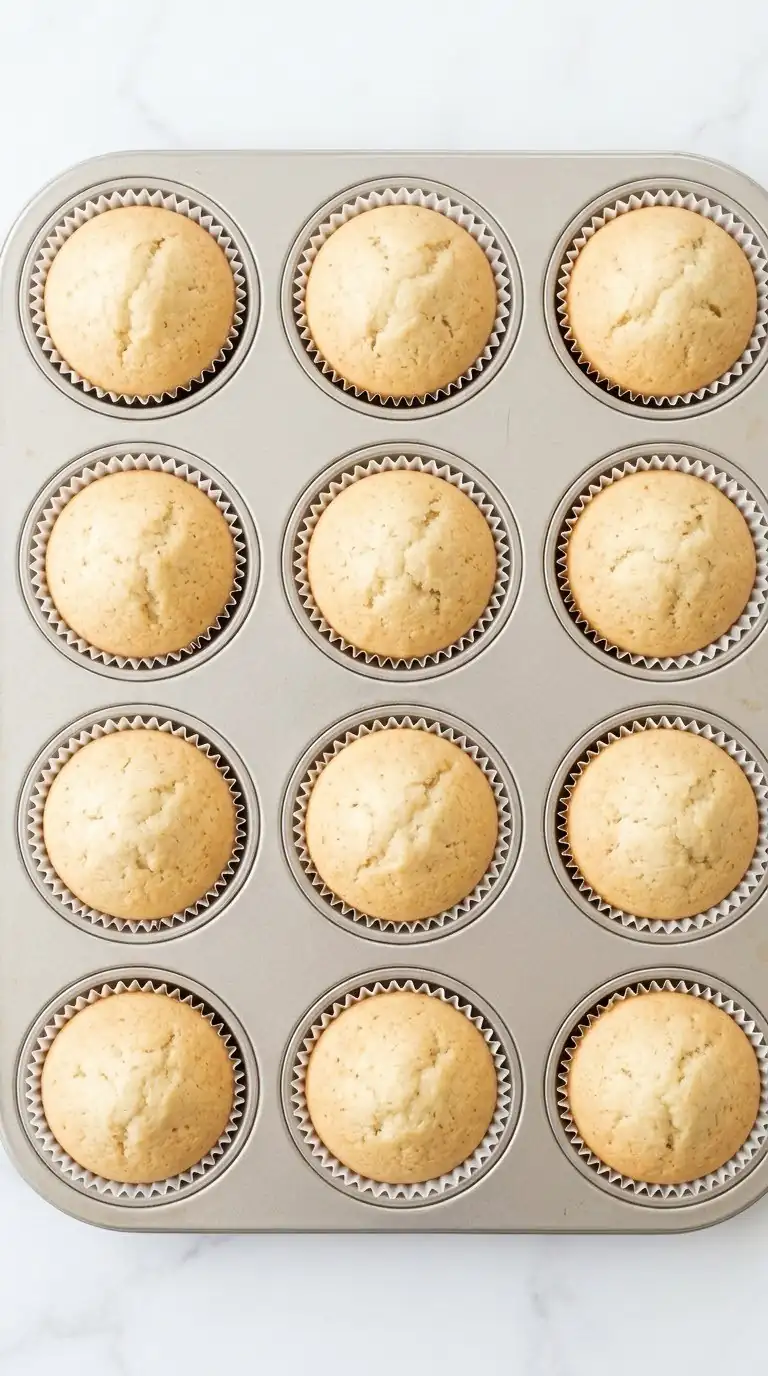
Troubleshooting Common Baking Issues
Troubleshooting Your Oven Environment
If your muffins are coming out flat, your oven temperature might be too low during the initial rise, preventing the quick expansion of air bubbles. Conversely, if they are burning, it could be that your rack is too close to the heating element. Here is a breakdown of what common issues suggest regarding your heating environment and how to adjust your technique.
- Pale tops: The oven temperature was likely too low to facilitate the Maillard reaction. Increase the temperature by 15°F next time or ensure the oven is fully preheated before inserting the pan.
- Sunken centers: The muffins were likely pulled from the heat before the internal structure had solidified or the oven door was opened too frequently. Resist the urge to check before the final five minutes.
- Hard edges: The baking temperature was consistently too high for the duration of the cycle, causing the perimeter to set and harden before the center could rise, leading to a dome-less, cratered look.
- Uneven browning: This often indicates hot spots in your oven. Rotate the pan 180 degrees halfway through the baking cycle to ensure even heat distribution.
Understanding these variables helps you calibrate your results. If you consistently face pale, soft tops, consider moving your rack to the middle-upper position for the final few minutes of baking. Remember that every oven has unique thermal characteristics; using a standalone oven thermometer is the most reliable way to ensure the dial on your oven matches the actual heat inside the chamber.
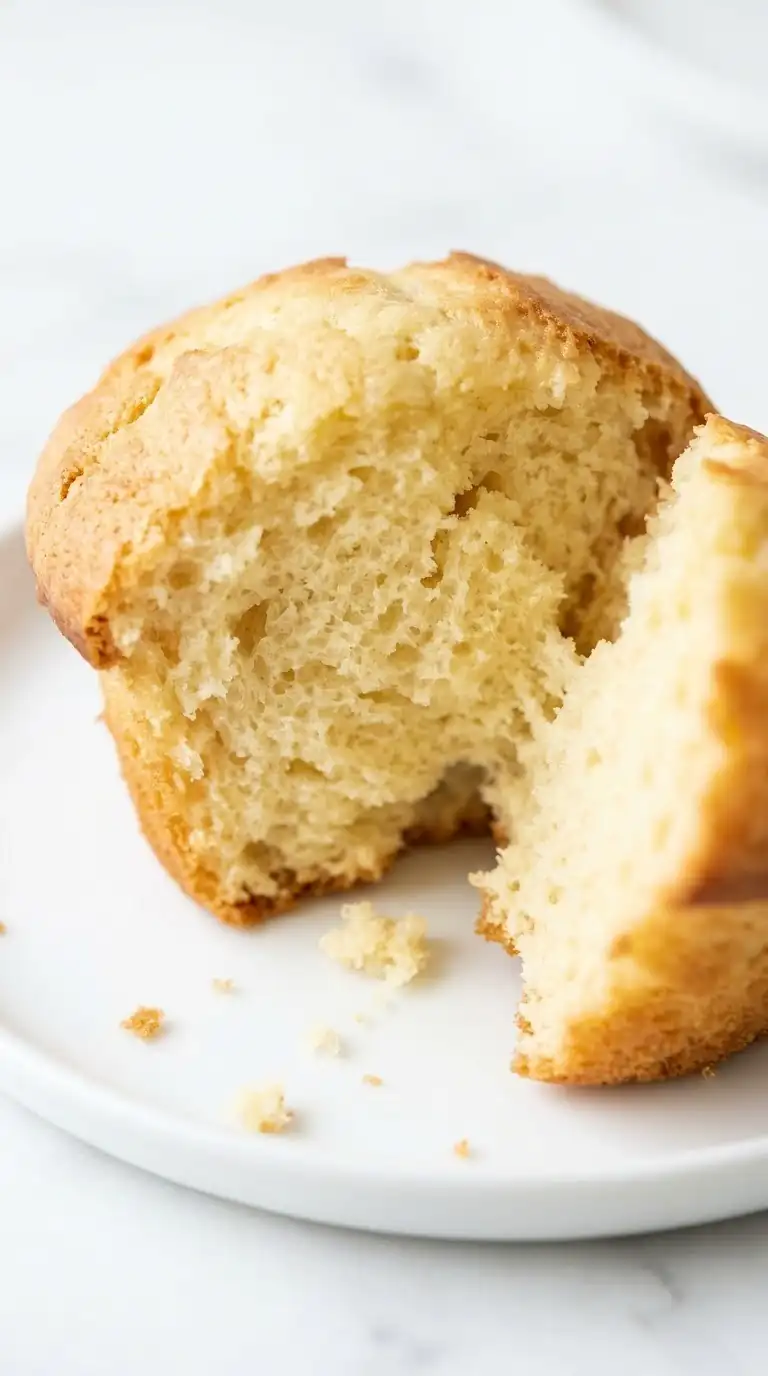
Why Equipment Quality Matters
The Role of Bakeware in Heat Dynamics
Your choice of bakeware dramatically influences your results. Heavy-gauge aluminum pans are excellent because they distribute heat evenly and respond quickly to temperature changes, providing a consistent thermal environment. Darker pans, including those with non-stick coatings, tend to absorb and radiate heat much faster than lighter-colored counterparts. This rapid absorption may require you to reduce your baking time by two to three minutes or lower the total temperature by 25°F to prevent scorched bottoms and over-darkened sides. Using a heavy-duty pan also provides the stability needed for the heavy batter required in larger muffins, preventing the tin from warping at high temperatures.
For the best results, skip the heavy non-stick spray if you are using quality paper liners, or grease your pan thoroughly with a light layer of unsalted butter if baking directly in the mold. Consistent heat exposure is essential for a uniform, fine crumb structure that defines a perfect vanilla muffin. Clean pans allow for better heat transfer, ensuring that every muffin in your batch receives equal attention from the heat source. Avoid stacking pans or using oversized baking sheets underneath your muffin tin, as these can block the necessary convection currents from reaching the bottom of the cups. If you prefer a crispy exterior, the direct contact with a metal pan is superior to using silicone molds, which act as insulators and often result in paler, softer-skinned muffins. By selecting the right material and maintaining its cleanliness, you stabilize the environment within the oven, leading to professional-grade results every single time.
More Muffin Recipes to Try
- How to make muffins: master method & tips
- How to store, freeze & reheat muffins
- Muffin troubleshooting guide (sink, dense, dry, flat, sticky)
- Muffin recipe
Reader Questions Answered
What is the ideal muffin oven temperature?
For most standard muffins, start at 400°F (200°C) for five minutes to encourage a quick rise, then lower to 350°F (175°C) to finish baking through.
What are the muffins in air fryer temperature and time settings?
Air fryers are powerful convection tools. Set your air fryer to 320°F (160°C) and bake for 12 to 15 minutes, checking with a toothpick frequently.
How long should I bake jumbo muffins?
Jumbo muffins require more time due to their volume. Bake them at 375°F (190°C) for approximately 25 to 30 minutes until the centers are set.
Can I bake muffins in an instant pot?
Yes, using the steam function, place muffin silicone cups on a trivet. Cook on high pressure for 10 minutes followed by a natural release of 5 minutes.
How long do extra large muffins take to bake?
Extra large muffins often take 30 to 35 minutes at 350°F (175°C) to ensure the middle does not remain raw while the exterior browns.
Does the oven temperature affect the muffin dome?
Yes, a higher initial temperature creates a burst of steam that forces the batter upward quickly, resulting in that desired professional tall dome.
Final Thoughts on Precision
Refining Your Technique
Baking is a delightful blend of art and precise technique. By paying close attention to your oven temperature and understanding the specific needs of different muffin sizes, you can transform your kitchen into a home bakery. Whether you are using a standard convection oven, a countertop oven, or an air fryer, the metrics provided in this guide will serve as your reliable foundation. Consistent heat is the difference between a dry, crumbly snack and a moist, bakery-style masterpiece that holds its shape beautifully.
Practice makes perfect, and observing how your specific appliance handles heat is part of the fun of baking. Don't be afraid to experiment with your timer; just remember to document your findings in a small journal or note app. Keep track of how specific adjustments—such as lowering the heat by ten degrees or shifting your rack position—affect the final lift and golden hue of your crust. With a steady hand and a keen eye on the clock, you will consistently produce those moist, dome-topped muffins that everyone loves. Consistency in the kitchen is built on small, incremental improvements to your process, starting with the baseline temperatures and times established here. As you gain familiarity with how your oven distributes its heat, you will find yourself needing fewer tools to get the perfect result. Happy baking!
Related recipes: Simple Vanilla Muffin Recipe for Everyday Baking, The Ultimate Guide to Perfect Homemade Muffins, The Complete Guide to Storing, Freezing, and Reheating, The Home Baker’s Guide to Muffin Nutrition and Fiber, The Ultimate Muffin Pan and Equipment Guide for Home Bakers.
Learn more: Temperature on Wikipedia · food storage & safety (FoodSafety.gov).
◆ ◆ ◆
← Back to The Ultimate Muffin Baking Time & Temperature GuideGet new recipes
One tasty homemade recipe in your inbox each week. No spam, unsubscribe anytime.


Comments