The Ultimate Guide to Allergy-Friendly Muffin Substitutions

Stuck without common baking staples? Learn how to swap eggs, butter, and milk for perfect muffins every time using simple kitchen pantry items.
Baking should be a joy, not a source of stress when your pantry runs low. Whether you are navigating dietary restrictions or simply found yourself fresh out of eggs or milk, delicious muffins are always within reach. You do not need a fancy mixer or a specialized oven to achieve that perfect golden-brown dome. This guide covers how to repurpose pancake mix, bypass traditional dairy, and create impressive bakery-style treats with items you already have. Let us turn your kitchen into a cozy bakery with these foolproof substitution techniques.
Table of Contents
Table of Contents
Mastering the Art of Muffin Substitutions
Understanding Muffin Chemistry
When you are staring at a box of pancake mix or a basic muffin dry base, the lack of traditional ingredients like milk or butter shouldn't stop you. The secret lies in understanding the chemistry of your batter. Fat provides moisture and tenderness, while eggs provide the essential structure that allows the muffin to rise and hold its shape. If you remove these, you must replace the moisture and the binding power independently. If your recipe calls for milk, you are looking for liquid and a bit of richness. Water works if you are in a pinch, but adding a touch of oil or mashed fruit makes up for the lack of fat. When swapping butter, consider oils with a neutral flavor profile, such as grapeseed, canola, or even melted coconut oil if you prefer a subtle tropical hint. The key mistake to avoid is over-substituting; if you replace everything with liquids like applesauce, you will end up with a gummy, dense product rather than a fluffy muffin.
The Science of Substitutes
- Flax Eggs: Mix 1 tablespoon of ground flax meal with 3 tablespoons of warm water. Let it sit for 5 minutes until it becomes gelatinous. This mimics the binding properties of an egg perfectly.
- Silken Tofu: Blend 1/4 cup of silken tofu until smooth to replace one egg. This is excellent for savory muffins as it adds a creamy texture without altering the flavor profile.
- Avocado: Use mashed avocado in a 1:1 ratio for butter. Because of its high fat content, it yields an incredibly moist crumb. Use very ripe avocados to ensure they blend seamlessly into the batter.
| Ingredient | Purpose | Best Substitute |
|---|---|---|
| Milk | Moisture/Richness | Water + 1 tsp oil |
| Butter | Fat/Flavor | Applesauce or Avocado |
| Eggs | Binding/Lift | Flax meal or Silken Tofu |
| Mixing | Texture | Hand-whisking |
Transforming Pancake Mix into Muffin Magic
Optimizing Texture in Pancake-Based Batters
Pancake mix is essentially a pre-measured blend of flour, leavening agents, and salt. Because these mixes are designed to be thin, they often need a little extra structural support when converted into muffins. To create a thicker muffin batter, increase your dry-to-wet ratio by adding a tablespoon of oats or extra flour. This prevents the muffins from collapsing during the rising phase. The most significant mistake people make is treating pancake mix like standard flour. Pancake mix often contains leavening agents that activate quickly; therefore, your oven must be preheated to exactly 375°F (190°C) before you even begin mixing. If you wait too long after combining wet and dry ingredients, the chemical reaction will finish before the muffins enter the heat, leading to flat, rubbery tops.
- The Mixing Rule: Always mix your wet and dry ingredients in separate bowls first. This ensures the leavening agents are distributed evenly, preventing uneven rising.
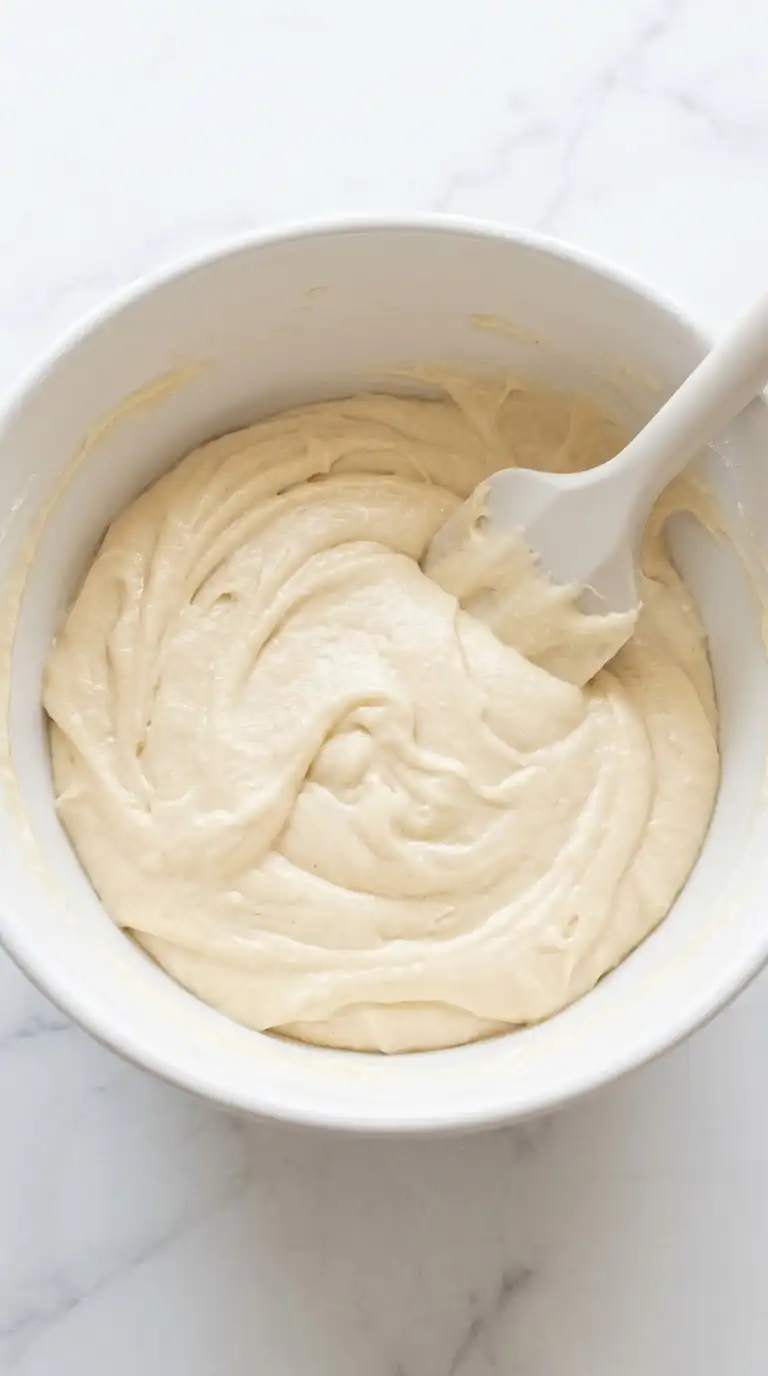
- The Folding Technique: Fold the wet ingredients into the dry ingredients using a spatula until just barely combined. Stop the moment you no longer see streaks of dry flour.
- Handling Lumps: Do not overmix to remove lumps. Small lumps in the batter are completely fine and actually contribute to a lighter, more airy crumb. Over-mixing develops gluten, which makes muffins tough and chewy instead of tender and moist. If you find the batter is too thin after folding, let it rest for 5 minutes; the flour in the pancake mix will hydrate, naturally thickening the consistency before it hits the oven.
Baking Without a Traditional Muffin Pan
Alternative Muffin Vessels and Heat Management
If you lack a standard muffin tin, you have several creative options to ensure your muffins maintain a perfect dome. Sturdy ramekins are the most reliable, but you must ensure they are properly greased with a neutral oil or lined with parchment paper. If you are using foil, double-layer your cups to ensure they can support the weight of the rising batter. Without a rigid tin, the sides of the muffin can bulge outwards rather than pushing upwards, resulting in a flatter, wider muffin. To counter this, keep the batter thick and fill your improvised cups only two-thirds of the way full. This allows the muffin to rise without overflowing and spilling over the sides of your makeshift containers.
When using non-standard equipment, always place your DIY cups on a flat, heavy-duty baking sheet. This allows for even heat distribution across the bottom of the containers, ensuring the centers bake through before the tops burn. If you are baking at 375°F, expect your cooking time to increase by roughly 3 to 5 minutes compared to a standard metal tin because the thermal conductivity of ramekins or foil is different from steel. Always test for doneness by inserting a wooden skewer into the center; it should come out clean or with just a few moist crumbs. Never remove the muffins from their containers immediately; allow them to cool for at least 10 minutes. This setting period is crucial when you lack the structural support of a traditional pan, as it allows the internal moisture to redistribute and the structure to firm up properly.
Oil and Fat Alternatives for Moist Muffins
Mastering Fat-Free Baking
Removing oil or butter from your muffin batter does not automatically result in a dry or flavorless bake. In fact, when executed correctly, fruit purees can create a remarkably moist, tender crumb that stays soft for several days. Applesauce is the most versatile option because its neutral flavor allows your primary ingredients like berries or vanilla to shine. If you want to increase the richness of a darker muffin, such as one containing cocoa or warming spices, prune puree is superior. The high fiber and pectin content in these fruits effectively trap moisture, preventing the evaporation that usually causes a muffin to harden as it cools.
When implementing these substitutions, ensure your purees are unsweetened to maintain control over the total sugar content. Use a 1:1 ratio when replacing liquid oil, but if you are replacing solid butter, you may need to reduce your liquid ingredients by a tablespoon to account for the higher water content in the fruit. A common mistake is over-mixing the puree; because you lack the fat to coat the proteins in the flour, the structure becomes fragile. Mix just enough to incorporate the ingredients. If your batter looks slightly lumpy, do not worry—this is preferred over a smooth, thin batter which often leads to dense, rubbery muffins. For the best rise, ensure your leavening agents like baking powder are fresh, as the lack of fat means the muffin relies entirely on the structural integrity of the starch and the steam generated during the initial ten minutes of the bake. Always preheat your oven fully, as a slow temperature climb will cause your fruit-based muffins to collapse before they have a chance to set their internal crumb structure.