The Ultimate Guide to Allergy-Friendly Muffin Substitutions: Step-by-Step Instructions
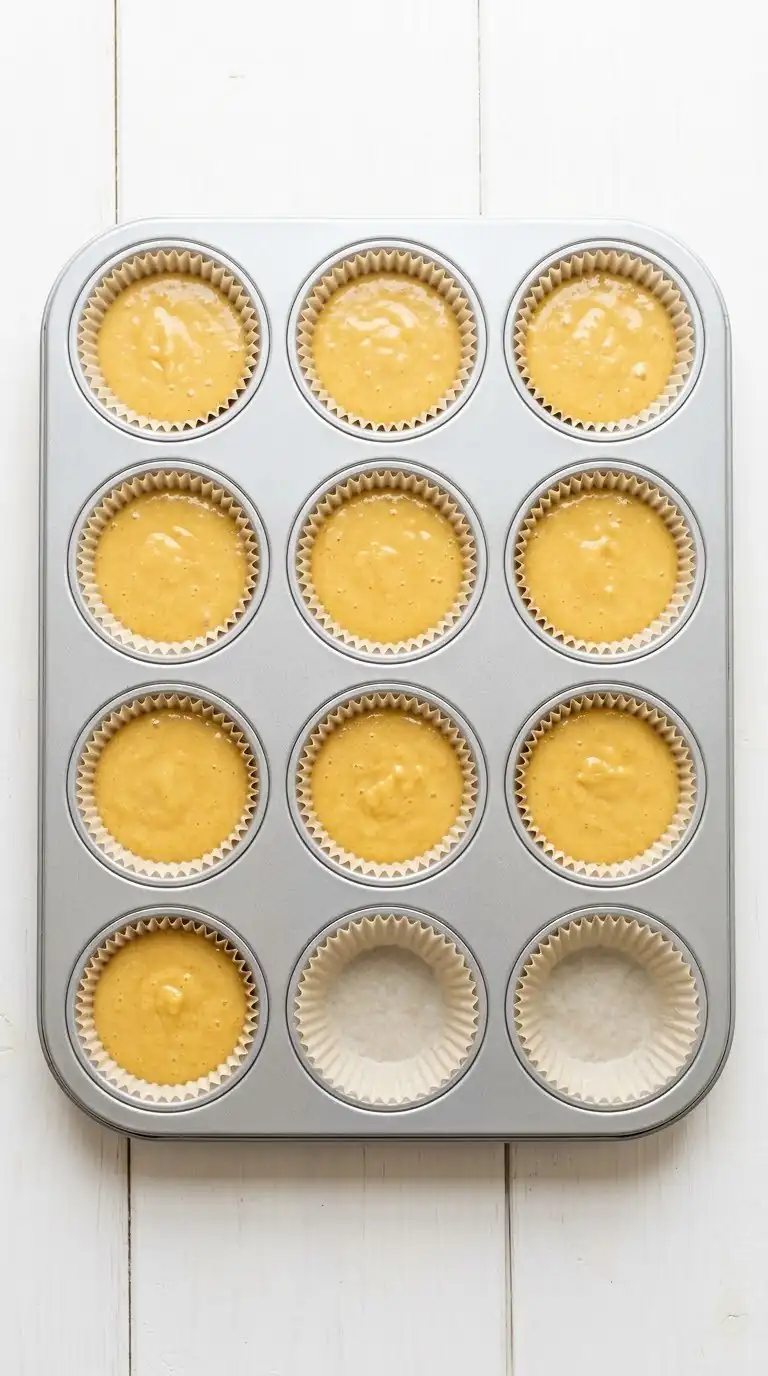
Precision Baking for Non-Standard Setups
Precision in the Heat
The relationship between temperature and timing is critical when you move away from traditional muffin methods. A standard metal pan acts as a heat conductor, helping the bottom and sides of the muffin brown quickly at 375°F. However, if you are working with alternative vessel materials or specialized baking environments, the thermal dynamics change drastically. Foil cups, while convenient, are thinner and heat up much faster than heavy-duty pans. To prevent the bottoms from burning before the centers have fully risen, lower your oven temperature to 350°F and monitor the progress at the 15-minute mark. Over-baking is the leading cause of dry muffins, particularly when fat-free ingredients are involved, as there is less lipid content to provide a buffer against moisture loss.
For those using an air fryer, the intense, circulating heat requires a lower setting of 320°F to ensure the middle cooks through before the exterior turns dark. The most reliable way to judge readiness is the toothpick test. Insert a wooden skewer into the deepest part of the muffin; if it emerges with a few moist crumbs, it is perfect. If the skewer is wet, give it another two minutes. Never open the oven door before the 15-minute mark, as this sudden drop in pressure and heat can cause the batter to collapse, resulting in a concave top. Use the guide below to calibrate your specific setup, remembering that altitude and oven calibration can influence these times by several minutes. Always let your muffins rest in the pan for five minutes before moving them to a wire rack to finish cooling completely.
| Method | Temperature | Estimated Time |
|---|---|---|
| Standard Pan | 375°F | 20 Minutes |
| DIY Foil Cup | 350°F | 16 Minutes |
| Air Fryer | 320°F | 14 Minutes |
| Microwave Mug | High Power | 2 Minutes |
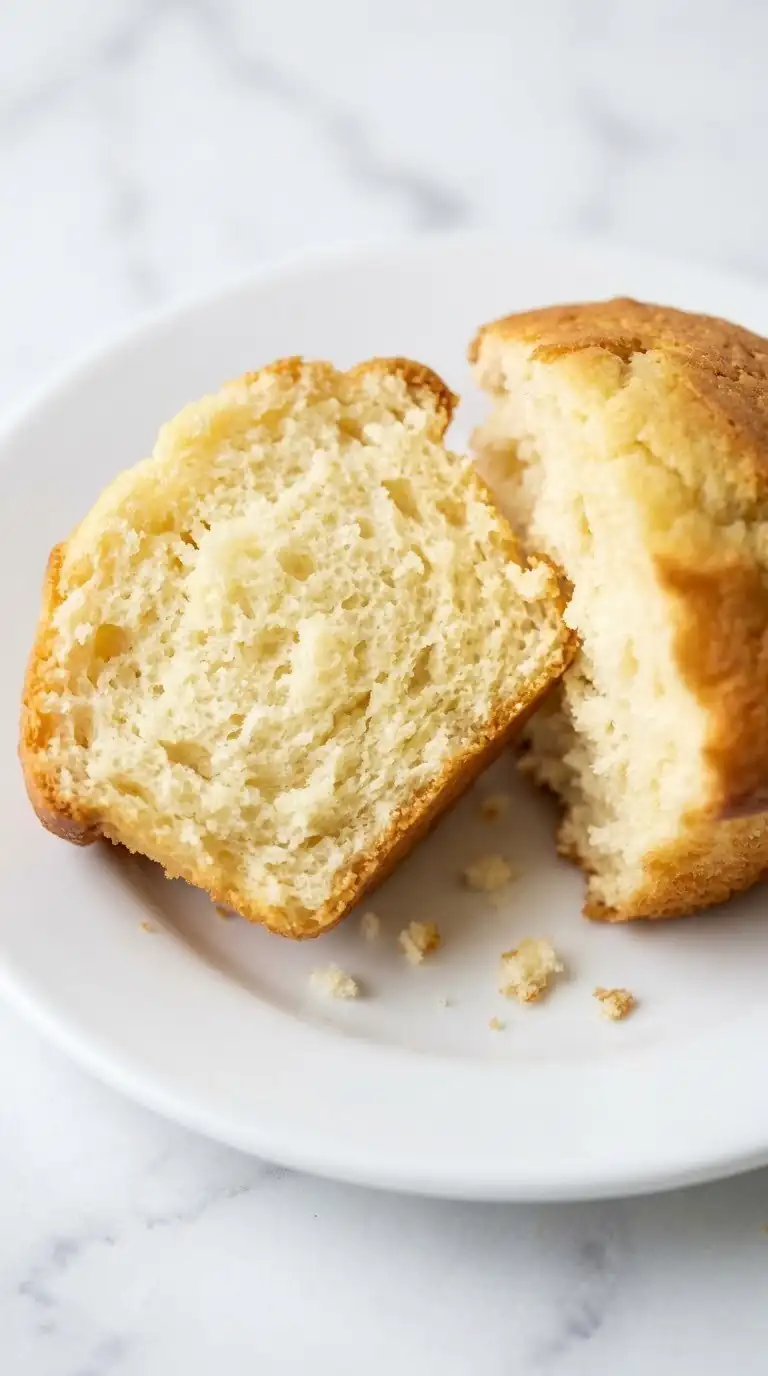
Why Hand-Mixing is Superior
The Art of Hand-Mixing
Resisting the urge to use an electric mixer is the most significant step toward achieving a bakery-style texture. Electric beaters are designed to whip air into fats and sugars, or to develop strong gluten networks for bread, both of which are detrimental to the soft, delicate crumb of a perfect muffin. When you use a manual tool like a sturdy silicone spatula or a large wooden spoon, you gain the ability to watch the consistency of the batter in real-time. This tactile connection allows you to stop exactly when the flour is incorporated, a state often referred to as the 'just-blended' point. When you see streaks of flour, stop immediately. Over-mixing causes the gluten proteins in the flour to bond too tightly, creating a muffin that is tough, rubbery, and prone to tunneling—those large, undesirable holes inside the finished bake.
Instead of beating, employ a 'fold and turn' technique. Slide your spatula down the side of the bowl, sweep it across the bottom, and lift the batter over the top. Rotate the bowl as you repeat this motion. This method keeps the batter heavy and thick, which is exactly what you want for a moist muffin. This density helps the muffin rise vertically rather than spreading out into a thin pancake. By keeping the batter 'lumpy,' you ensure that the leavening agents react properly when they hit the hot oven, creating a lift that is pillowy rather than bready. This manual process is not just about avoiding appliances; it is about preserving the light structure that makes a muffin enjoyable to eat, ensuring it remains soft the next day.
More Muffin Recipes to Try
- How to store, freeze & reheat muffins
- Muffin baking time & temperature guide
- Muffin troubleshooting guide (sink, dense, dry, flat, sticky)
- Muffin recipe
Reader Questions Answered
Can I make muffins without a stove or oven?
Yes, you can use an air fryer or a microwave. For an air fryer, use paper liners inside silicone cups at 320°F for about 12-15 minutes. Microwaved mug cakes are a quick alternative, though they lack the crusty exterior of oven-baked muffins.
How do I make jumbo muffins without a specific pan?
You can use sturdy, wide-bottomed ramekins or create custom foil cups. Simply fold heavy-duty aluminum foil into thick circles or use empty, clean metal tomato paste cans lined with parchment paper to provide the necessary structure.
How can I prepare muffin or pancake mix without milk?
Water is the simplest substitute, but it may result in a thinner texture. For richer muffins, use plant-based milk alternatives like soy or oat, or blend one part yogurt with one part water for a tangy, moisture-packed crumb.
What is the best oil substitute for muffin mix?
Applesauce is the gold standard for fat reduction, using a 1:1 ratio. For a richer flavor, mashed avocado or even melted nut butter works beautifully to keep the crumb tender and moist.
Do I need a mixer to make quality muffins?
Absolutely not. In fact, hand-mixing is preferred to avoid overworking the gluten, which leads to tough muffins. A simple silicone spatula or a sturdy whisk is all you need to combine the wet and dry ingredients gently.
How do I replace eggs in a standard muffin mix?
The most effective binders include a 'flax egg' (one tablespoon ground flaxseed meal mixed with three tablespoons water) or a quarter cup of pureed silken tofu per egg required.
Wrapping Up: Your Baking Journey
Your Baking Journey Continues
Baking without traditional pantry staples like eggs, butter, or dairy is not a compromise; it is an exploration of the chemistry of simple ingredients. By understanding how fruit purees act as moisture binders and why manual folding creates a superior crumb, you have moved past the need for rigid recipes. This foundation allows you to troubleshoot your own bakes, adjusting for humidity, oven quirks, or ingredient availability. The best muffins are rarely the result of complicated equipment or expensive additions; they are the result of patience and a consistent technique. As you continue to practice, you will notice that even small changes—like the brand of flour or the freshness of your spices—can influence the final outcome, making each batch a unique project.
Do not be afraid to customize these base recipes with seasonal ingredients, aromatic spices, or crunchy toppings once you have gained confidence. The absence of traditional fats and binders actually makes your muffins a blank canvas, often allowing subtler flavors to come through more clearly. If you find your muffins are too dense, increase your folding speed slightly next time; if they are too dry, double-check your oven thermometer for accuracy. Keep a small notebook to track your successful adjustments so you can replicate your favorite versions again and again. You now possess the essential knowledge to bake delicious, consistent muffins regardless of what you have in your cupboards. Embrace the simplicity of the process, enjoy the aroma filling your kitchen, and share your creations. Happy baking!
Related recipes: Simple Vanilla Muffin Recipe for Everyday Baking, The Ultimate Guide to Perfect Homemade Muffins, The Complete Guide to Storing, Freezing, and Reheating, The Home Baker’s Guide to Muffin Nutrition and Fiber, The Ultimate Muffin Pan and Equipment Guide for Home Bakers.
Learn more: Substitutions on Wikipedia · food storage & safety (FoodSafety.gov).
◆ ◆ ◆
← Back to The Ultimate Guide to Allergy-Friendly Muffin SubstitutionsGet new recipes
One tasty homemade recipe in your inbox each week. No spam, unsubscribe anytime.


Comments