The Secret Truth Behind the Muffin vs Cake Debate
↓ Jump to Recipe
Ever wonder about the muffin vs cake distinction? Learn the baking science behind these treats and bake our rich, decadent chocolate chip muffins.
Understanding the muffin vs cake dilemma often comes down to the science of leavening and fat ratios in your batter. While many assume they are the same, a true muffin vs cake recipe requires a specific approach to achieve that signature domed top. Our basic, deeply chocolate-infused muffin recipe demonstrates exactly why the muffin-making method creates a more hearty, sturdy texture than a delicate cake. Follow along to master the art of the perfect chocolate-loaded breakfast treat. You will find that mastering this balance ensures your kitchen always produces consistent, bakery-style results.
Table of Contents
Table of Contents
Ingredients
- 2 cups (250g) all-purpose flour
- 3/4 cup (150g) granulated sugar
- 1/2 cup (45g) unsweetened cocoa powder
- 1 tablespoon (15g) baking powder
- 1/2 teaspoon (3g) salt
- 1 cup (240ml) whole milk
- 1/2 cup (115g) unsalted butter, melted
- 2 large eggs, room temperature
- 1 teaspoon (5ml) vanilla extract
- 1 1/2 cups (255g) semi-sweet chocolate chips
To achieve the perfect texture for this chocolate muffin vs cake recipe, ensure your ingredients are at room temperature.
High-quality cocoa powder makes a significant difference in the deep flavor profile of these muffins.
Essential Kitchen Tools
| Tool | Purpose |
|---|---|
| Muffin Tin | Standard 12-cup pan |
| Whisk | Aerating dry ingredients |
| Rubber Spatula | Gentle folding |
Why This Recipe Works
The Science of Structure
This recipe achieves the perfect muffin texture by prioritizing a dense, moist crumb over the delicate aeration found in a traditional cake. We achieve this by using whole milk, which provides necessary fats and proteins to support a heavier structure than sponge-based batters. Melted butter is incorporated into the dry ingredients to coat the flour particles, which inhibits excessive gluten development and ensures that the final result is tender rather than chewy. The interaction between the acidity of the milk and the leavening agent is calibrated for a rapid rise.
Achieving the Signature Dome
To reach that iconic domed top, we utilize a precise ratio of three teaspoons of baking powder to two cups of flour. This provides a sudden lift during the initial stage of baking, which is vital before the structure sets. We begin the baking process at 400°F (204°C) for the first five minutes to shock the leavening agents into action, then reduce the oven to 350°F (175°C) to bake through. This temperature transition is the hallmark of a bakery-style muffin, contrasting sharply with cakes that generally require a steady, lower heat to ensure a flat, even rise. By avoiding the over-creaming of butter and sugar—a step essential for cake—we maintain the rustic, hearty bite that distinguishes a true muffin from a delicate cupcake. This method guarantees a sturdy crumb that holds fruit or heavy inclusions without sinking to the bottom, ensuring consistency from the first bite to the last.
Pro Tips for Better Results
Mastering the Doneness Test
The difference between a soft muffin and a dried-out husk lies entirely in the timing and the testing method. Unlike cakes, which are often tested by gently pressing the top to check for 'spring back,' muffins require a more surgical approach. Use a wooden toothpick to probe the very center of the largest muffin in the center of the pan. A perfect muffin should have a few moist crumbs clinging to the wood; if the toothpick is completely clean, you have overbaked it. If it shows liquid batter, it requires another sixty seconds. Avoid testing the edges, as the perimeter of the muffin pan conducts heat much faster than the paper liners or the center mass.
Common Mistakes to Avoid
- Overmixing the Batter: The most frequent mistake in muffin-making is excessive stirring. Mix your dry and wet ingredients only until they are just combined. If the batter looks lumpy, stop immediately; over-stirring will create tunnels, resulting in a rubbery, cake-like interior.
- Temperature Mismanagement: Always preheat your oven at least twenty minutes before the batter goes in. If the oven isn't fully saturated with heat, the lift will be delayed, leading to flat, dense muffins.
- Leaving Muffins in the Pan: After baking, remove the muffins from the hot pan within five minutes and move them to a wire cooling rack. Leaving them in the tin causes the trapped steam to turn the crust soggy, ruining the texture contrast between the crisp top and the soft interior.
Nutrition Facts (per serving)
| Nutrient | Amount |
|---|---|
| Calories | 310 kcal |
| Fat | 14g |
| Sugar | 18g |
Figures are estimates; you can check individual ingredients in USDA FoodData Central.
Instructions
- Preheat your oven to 375°F (190°C) and line a standard 12-cup muffin tin with paper liners to ensure easy removal.
- In a large bowl, whisk together the flour, sugar, cocoa powder, baking powder, and salt until well combined to ensure the leavening agent is evenly distributed.
- In a separate medium bowl, whisk the milk, melted butter, eggs, and vanilla extract until smooth, which creates the liquid base for our structure.
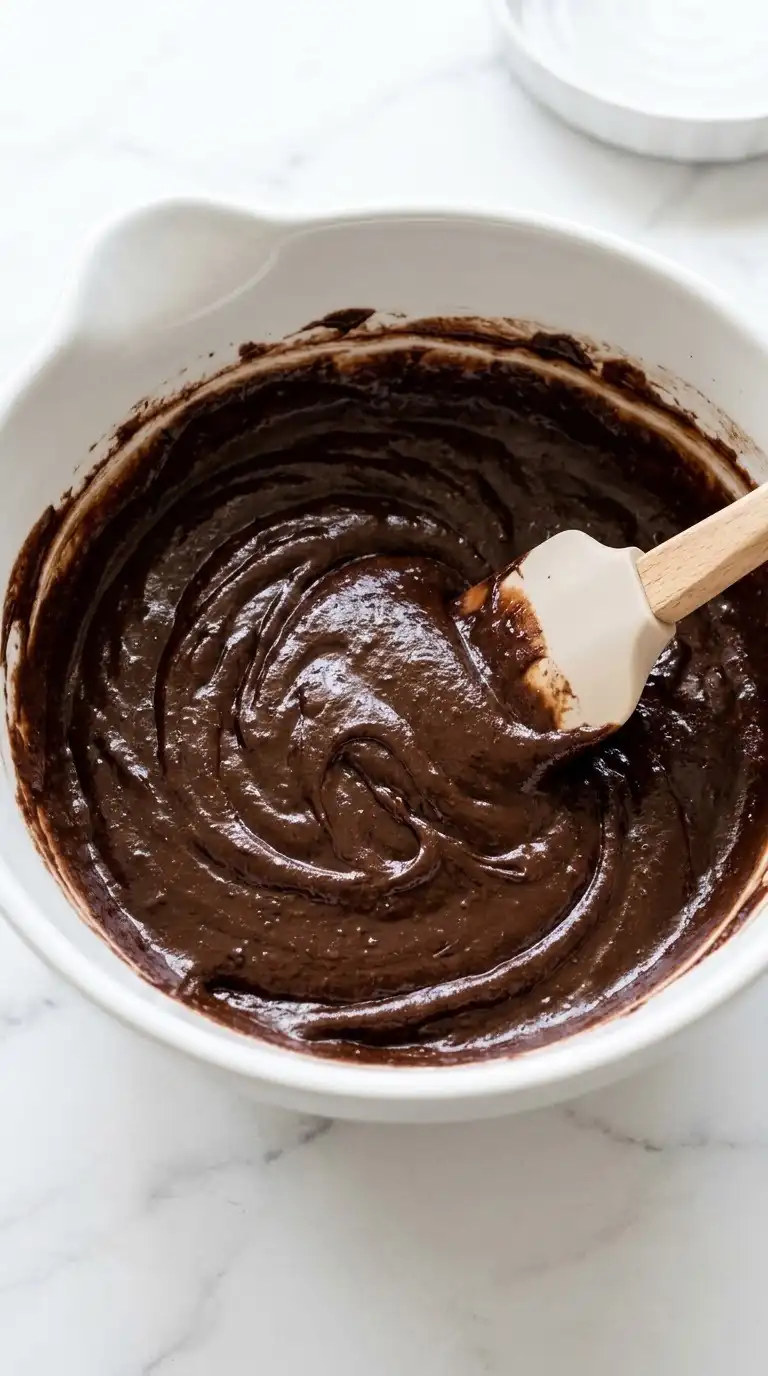
- Pour the wet ingredients into the dry ingredients and gently fold with a spatula just until barely combined, because over-mixing creates a tough, rubbery texture.
- Fold in the chocolate chips carefully, stopping as soon as they are incorporated so you don't overwork the gluten.
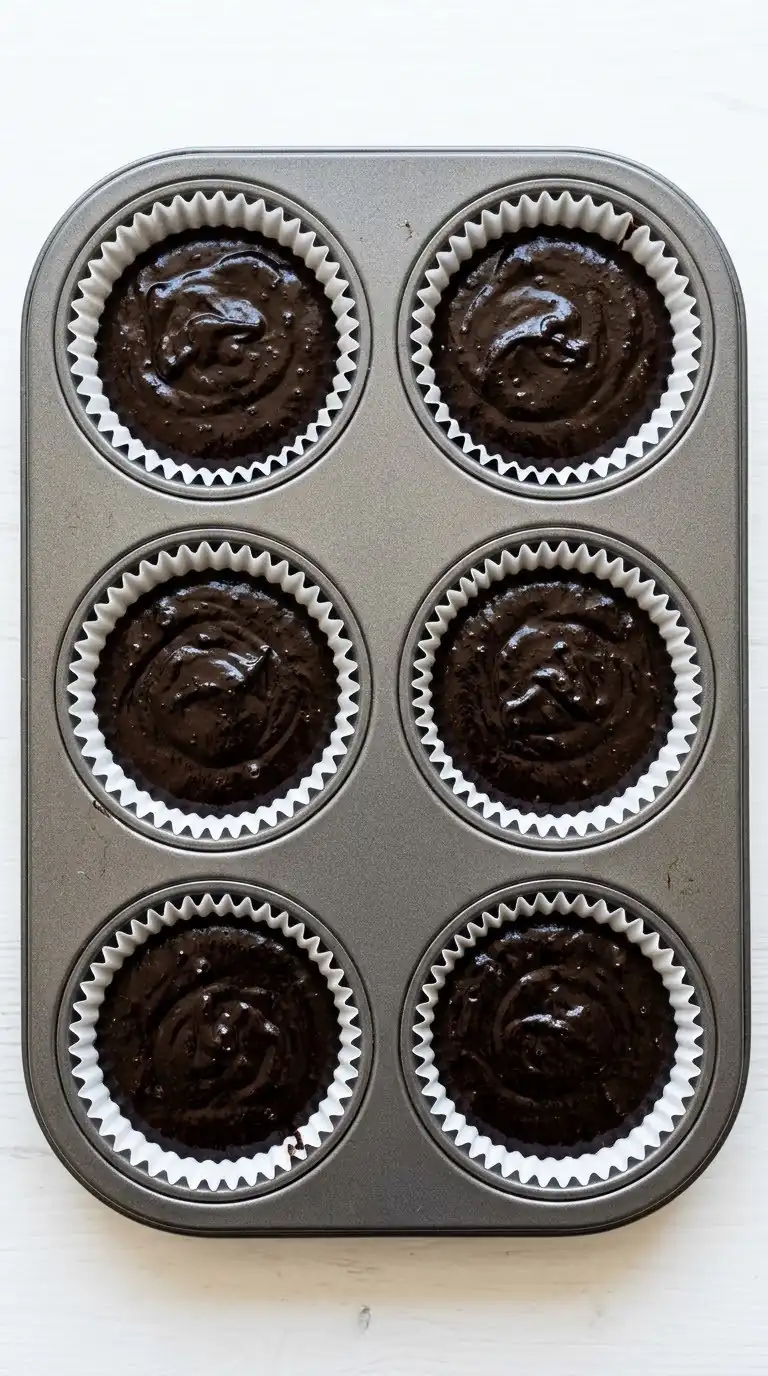
- Use a large scoop to fill each muffin liner nearly to the top, as the weight of the batter helps create the characteristic domed shape.
- Bake at 375°F (190°C) for 18-20 minutes, or until a toothpick inserted into the center comes out with just a few moist crumbs attached.
- Allow the muffins to cool in the pan for 5 minutes before transferring them to a wire rack to finish cooling completely.
- Serve at room temperature or slightly warmed to enjoy the melty chocolate chips throughout the crumb.
Recipe Variations
Strategic Customization
Adapting your base batter allows for endless exploration without risking the collapse of your muffins. When adding crunchy elements like chopped walnuts or toasted pecans, toss them in a small amount of flour before folding them into the batter. This prevents the nuts from sinking during the leavening process, keeping them suspended evenly throughout the muffin. For a brighter flavor profile, replace chocolate chips with high-quality dried cherries or diced apricots. These fruit additions contribute natural sweetness while maintaining the structural integrity that separates a robust muffin from a fragile cake.
Texture and Balance
If you prefer a lighter, more citrus-forward muffin, substitute half of the whole milk with full-fat plain yogurt. The acidity in the yogurt reacts with the baking powder to create a softer crumb while retaining the signature dome. Keep in mind that when adding moisture-heavy inclusions like fresh berries, you may need to add an extra tablespoon of flour to the dry mixture to prevent the fruit juices from soaking the base. Unlike cake recipes where add-ins are often limited to light zest or liquid extracts, this muffin foundation is designed to handle hearty components. By keeping your additions to a maximum of one cup per batch, you ensure that the muffin remains structurally sound while delivering the intended flavor payoff. Always fold these inclusions in gently using a spatula rather than a mixer to protect the integrity of the batter and ensure a consistent crumb density across every muffin in the pan.
The Secret Truth Behind the Muffin vs Cake Debate
Ever wonder about the muffin vs cake distinction? Learn the baking science behind these treats and bake our rich, decadent chocolate chip muffins.
Ingredients
Instructions
- Preheat your oven to 375°F (190°C) and line a standard 12-cup muffin tin with paper liners to ensure easy removal.
- In a large bowl, whisk together the flour, sugar, cocoa powder, baking powder, and salt until well combined to ensure the leavening agent is evenly distributed.
- In a separate medium bowl, whisk the milk, melted butter, eggs, and vanilla extract until smooth, which creates the liquid base for our structure.
- Pour the wet ingredients into the dry ingredients and gently fold with a spatula just until barely combined, because over-mixing creates a tough, rubbery texture.
- Fold in the chocolate chips carefully, stopping as soon as they are incorporated so you don't overwork the gluten.
- Use a large scoop to fill each muffin liner nearly to the top, as the weight of the batter helps create the characteristic domed shape.
- Bake at 375°F (190°C) for 18-20 minutes, or until a toothpick inserted into the center comes out with just a few moist crumbs attached.
- Allow the muffins to cool in the pan for 5 minutes before transferring them to a wire rack to finish cooling completely.
- Serve at room temperature or slightly warmed to enjoy the melty chocolate chips throughout the crumb.