Simple Vanilla Muffins Recipe Using Cake Flour
↓ Jump to Recipe
Learn how to make muffins using cake flour for a delicate, cloud-like texture. This straightforward muffins recipe using cake flour ensures success.
If you have ever wondered how to achieve a bakery-style texture at home, this muffins recipe using cake flour is your answer. Many home bakers ask is cake flour good for muffins, and the secret lies in the lower protein content which creates a softer crumb. By choosing the right base ingredients, you can produce a treat that feels light and tender on the tongue. This guide covers how to make muffins using cake flour with simple pantry staples for a reliable result. Whether you are a beginner or a seasoned pro, these vanilla muffins offer a classic flavor that is perfect for any morning.
Table of Contents
Table of Contents
Ingredients
- 2 1/2 cups (285g) cake flour
- 3/4 cup (150g) granulated sugar
- 1 tablespoon (12g) baking powder
- 1/2 teaspoon (3g) salt
- 1 large egg (50g)
- 1 cup (240ml) whole milk
- 1/3 cup (75g) unsalted butter, melted and cooled
- 1 teaspoon (5ml) vanilla extract
- 1/2 teaspoon (2g) grated lemon zest (optional)
To achieve the signature cloud-like texture of these muffins, the quality of your cake flour is paramount. Ensure your baking powder is fresh to guarantee the best possible rise.
Essential Kitchen Tools
| Tool | Purpose |
|---|---|
| Muffin Tin | Standard 12-cup pan |
| Whisk | Aerating dry ingredients |
| Rubber Spatula | Gentle folding |
Why This Recipe Works
The Power of Low-Protein Flour
The primary reason this recipe succeeds is the use of cake flour. Unlike all-purpose flour, which typically contains 10-12% protein, cake flour sits at approximately 7-9%. This lower protein content is the secret weapon for limiting gluten development during the mixing process. Gluten acts as the structural framework of a baked good; when you stir your batter, higher-protein flours create a rigid, elastic network that results in a bread-like chew. By using cake flour, you restrict this network, ensuring the structure remains delicate, fine-grained, and exceptionally tender. This difference is particularly noticeable in the texture of the muffin top and the soft interior crumb.
Furthermore, cake flour is often milled to a much finer consistency and treated with a bleaching process that alters the starch properties, allowing it to absorb liquid more effectively than standard wheat flours. This helps the batter hold more moisture, leading to a melt-in-your-mouth experience that remains soft even twenty-four hours after baking. When combined with baking powder for a controlled rise, the low-protein nature of the flour allows the muffin to expand evenly without becoming dense or heavy. This is the optimal choice for home bakers aiming for a professional, bakery-style crumb that feels airy rather than substantial. By choosing cake flour, you are prioritizing a luxurious mouthfeel that all-purpose flour simply cannot replicate, making it a mandatory component for those seeking the ultimate tender muffin.
Pro Tips for Better Results
- Measure your flour with a digital scale for maximum precision; aim for 120 grams per cup, as spooning and leveling can still result in variable density.
- Always sift your cake flour before adding it to the wet ingredients; because it is so fine, it tends to clump in the bag, and sifting prevents pockets of dry flour in your finished muffins.
- Stop stirring the moment the last streak of flour disappears; even five extra strokes can activate enough gluten to ruin the delicate texture of the cake flour.
- Preheat your oven exactly to 375°F (190°C) and use an oven thermometer to verify the temperature, as cake flour-based recipes are highly sensitive to fluctuating heat levels.
- Use room temperature eggs (70°F or 21°C) to prevent the butter or oil from seizing, which creates a smooth, emulsified batter that traps air more efficiently during the bake.
- Line your muffin tin with parchment paper cups rather than greasing the metal directly, as the delicate, airy structure of these muffins can easily stick to the pan and crumble upon removal.
- Avoid the common mistake of 'over-crowding' the oven; bake only one tray at a time on the center rack to ensure consistent heat circulation, which is vital for the proper rise of a low-protein batter.
- Allow the muffins to cool in the pan for only five minutes before transferring them to a wire rack; leaving them in the hot metal tin for too long will create steam and make the paper liners soggy.
Nutrition Facts (per serving)
| Nutrient | Amount |
|---|---|
| Calories | 210 kcal |
| Total Fat | 7g |
| Carbohydrates | 32g |
| Protein | 4g |
Figures are estimates; you can check individual ingredients in USDA FoodData Central.
Instructions
- Preheat your oven to 375°F (190°C) and line a standard 12-cup muffin tin with paper liners to prevent sticking.
- In a large mixing bowl, whisk together the cake flour, sugar, baking powder, and salt until thoroughly combined to ensure an even rise.
- In a separate medium bowl, whisk the egg, milk, melted butter, and vanilla extract until the mixture is uniform and emulsified.
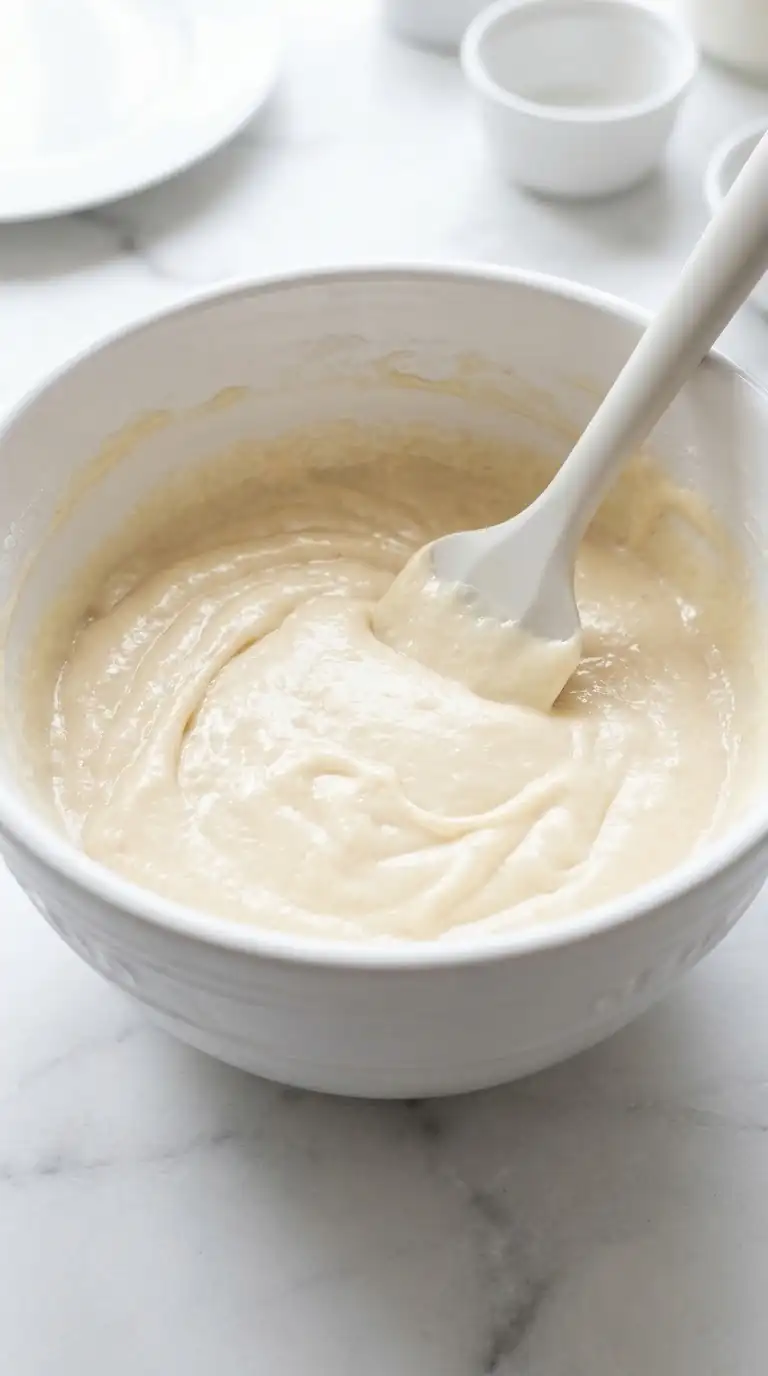
- Pour the wet ingredients into the dry ingredients, stirring gently with a spatula only until the flour streaks disappear to avoid overworking the batter.
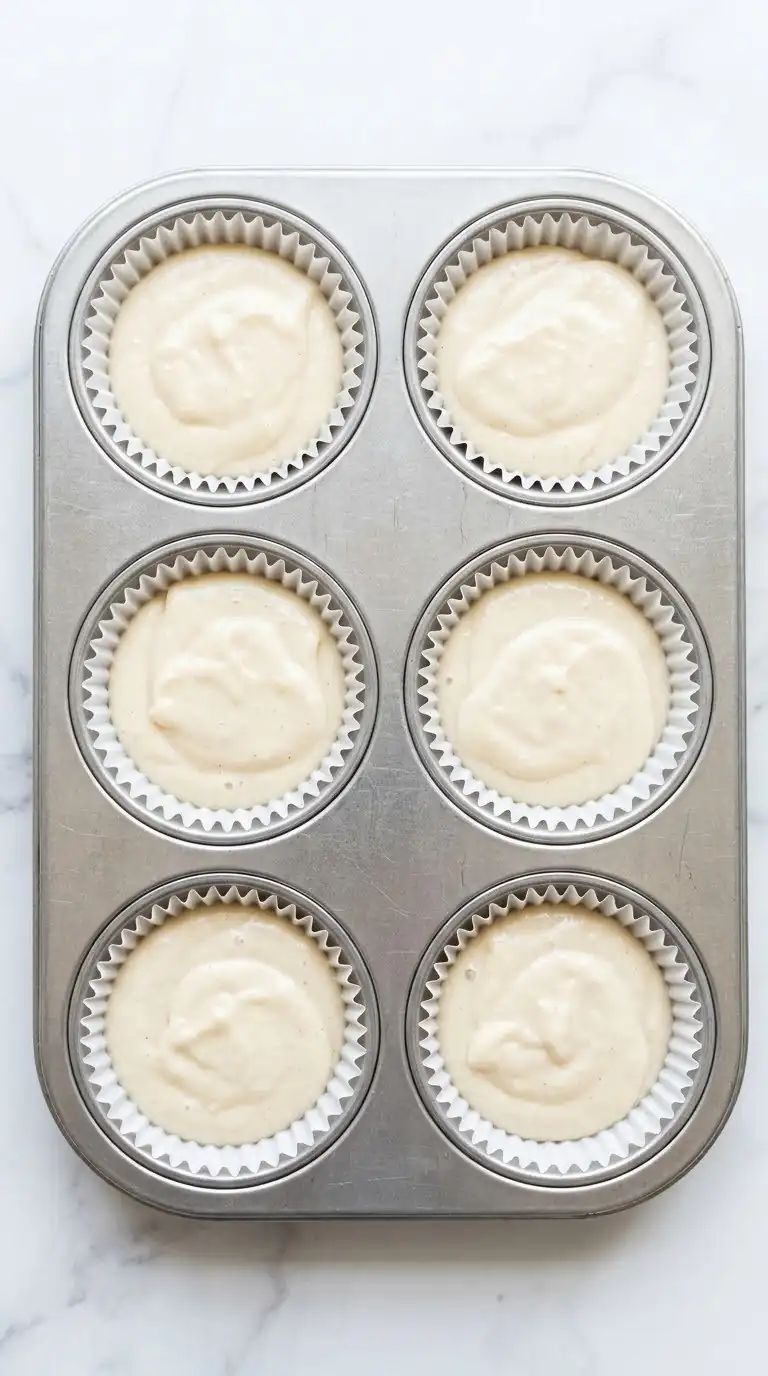
- Use a large cookie scoop to divide the batter evenly among the twelve muffin cups, filling each one nearly to the top.
- Bake for 20 to 22 minutes, or until a toothpick inserted into the center of a muffin comes out clean or with just a few dry crumbs.
- Remove the pan from the oven and allow the muffins to cool in the tin for 5 minutes before transferring them to a wire rack.
- Let the muffins cool completely on the rack to allow the internal steam to dissipate, ensuring a light and airy texture.
Recipe Variations
While these are delicious plain, you can elevate the flavor profile with simple additions. Folding in a half-cup of fresh blueberries or raspberries provides a bright, acidic contrast to the buttery, tender base of the cake flour. If you prefer citrus, add two teaspoons of finely grated lemon or orange zest to the sugar before mixing the wet ingredients; the oils in the zest will infuse the entire batter with a vibrant aroma. For those who enjoy warm flavors, a dash of ground cinnamon or freshly grated nutmeg adds complexity without compromising the structural integrity of the muffin. If you choose to add heavy inclusions like semi-sweet chocolate chunks, always toss them in a tablespoon of extra flour before folding them into the batter at the very last second. This coating creates friction and prevents the heavy chocolate from sinking to the bottom of the muffin tin during the baking cycle.
You may also experiment with toppings to create a textural contrast to the soft cake-like crumb. A simple streusel topping made of equal parts butter, flour, and sugar creates a crunchy, golden cap that protects the moisture inside. Alternatively, a light dusting of coarse sparkling sugar applied just before the tray goes into the oven provides a delightful crunch. Remember that whatever add-ins you choose, the volume of inclusions should not exceed three-quarters of a cup per twelve-muffin batch. Exceeding this amount will weigh down the delicate protein structure of the cake flour, potentially causing your muffins to collapse or result in an uneven rise. Always stir these additions in gently by hand rather than using an electric mixer to preserve the air bubbles captured during the creaming stage.
Simple Vanilla Muffins Recipe Using Cake Flour
Learn how to make muffins using cake flour for a delicate, cloud-like texture. This straightforward muffins recipe using cake flour ensures success.
Ingredients
Instructions
- Preheat your oven to 375°F (190°C) and line a standard 12-cup muffin tin with paper liners to prevent sticking.
- In a large mixing bowl , whisk together the cake flour, sugar, baking powder, and salt until thoroughly combined to ensure an even rise.
- In a separate medium bowl, whisk the egg, milk, melted butter, and vanilla extract until the mixture is uniform and emulsified.
- Pour the wet ingredients into the dry ingredients, stirring gently with a spatula only until the flour streaks disappear to avoid overworking the batter.
- Use a large cookie scoop to divide the batter evenly among the twelve muffin cups, filling each one nearly to the top.
- Bake for 20 to 22 minutes, or until a toothpick inserted into the center of a muffin comes out clean or with just a few dry crumbs.
- Remove the pan from the oven and allow the muffins to cool in the tin for 5 minutes before transferring them to a wire rack.
- Let the muffins cool completely on the rack to allow the internal steam to dissipate, ensuring a light and airy texture.