Muffin vs. Cupcake: What Really Sets Them Apart

Do you know the difference between a muffin and a cupcake? Understanding their unique textures and ingredients will perfect your home baking.
Walk into any bakery and you will see the familiar sight of muffins and cupcakes side by side. At first glance, they might seem like the same treat, but they are worlds apart in structure and purpose. A muffin is essentially a quick bread that belongs on the breakfast table, while a cupcake is a miniature cake designed for dessert. Knowing how to differentiate between the two will change the way you look at your oven. We have broken down the science of their ingredients and textures to help you master both. Let’s dive into what makes these two beloved treats unique.
Table of Contents
Table of Contents
The Science of the Mix
The Creaming Foundation
Achieving the perfect cupcake requires the creaming method, where room-temperature butter—ideally at 65°F—is beaten with sugar for exactly 3 to 5 minutes. This process forces air bubbles into the fat, which expands during baking to create a light, cloud-like crumb. If you rush this step, your cupcakes will be dense and heavy. Always scrape your bowl frequently to ensure even aeration.
The Quick Bread Technique
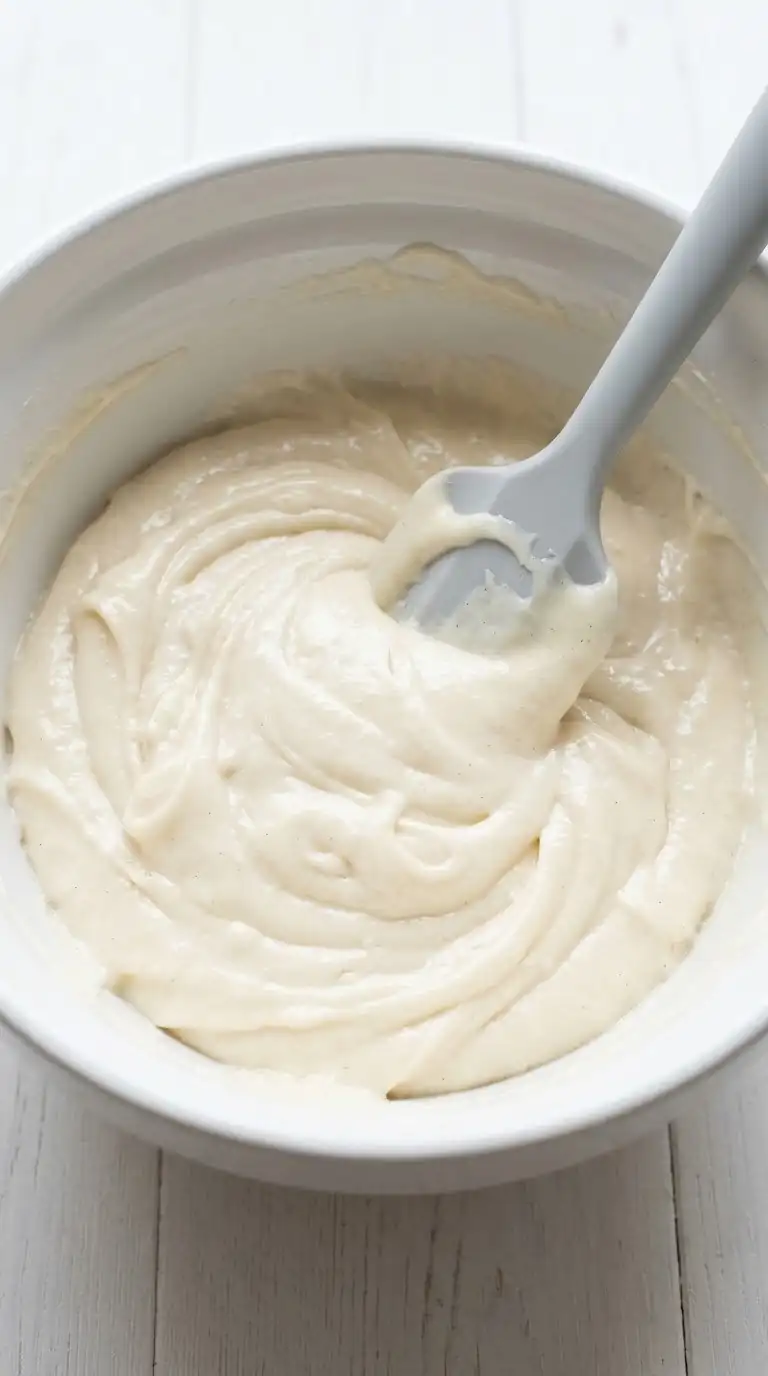
Muffins rely on the muffin method, which is chemically different because it prioritizes speed. You must whisk your dry ingredients (flour, baking powder, salt) in one bowl and your wet ingredients (eggs, milk, oil) in another. When combining them, use a silicone spatula to gently fold until just barely combined. You are looking for a lumpy, shaggy batter—never smooth. A major mistake to avoid is over-mixing; even ten extra turns of the spoon will activate the gluten protein strands in the wheat flour, turning a light breakfast treat into a dense, chewy rubber ball. By keeping the mixing time under one minute, you preserve air pockets that keep the texture tender. Always bake immediately after mixing, as chemical leaveners like baking powder begin reacting the moment they touch moisture. If you let the batter sit on the counter while the oven preheats, the gas escapes, resulting in flat, sunken tops instead of the iconic peaked domes. For success, have your oven preheated to 375°F before you combine the wet and dry components.
Ingredient Ratios and Texture
When comparing the chemistry of these two baked goods, the fat source is the primary driver of texture. Cupcakes utilize solid fats like softened butter, which hold their shape during mixing, leading to a tighter, refined crumb structure perfect for holding heavy frostings. Muffins almost exclusively use liquid fats, such as neutral vegetable oil or melted butter. Liquid fats coat flour proteins more effectively, preventing them from bonding, which results in a softer, more rustic, and open-crumb structure that feels lighter on the palate.
The sugar-to-flour ratio is equally critical. Cupcakes are designed to be decadent, often featuring equal weights of sugar and flour to ensure maximum tenderness and sweetness. Muffins prioritize structural integrity, utilizing a higher ratio of flour to provide the strength needed to support heavy mix-ins like blueberries or shredded carrots. By using 300g of flour compared to 250g in cupcakes, muffins create a sturdy "baking frame."
| Ingredient | Cupcake (Per 12) | Muffin (Per 12) |
|---|---|---|
| Sugar (grams) | 250g | 150g |
| Fat (grams) | 115g (Butter) | 80g (Oil) |
| Flour (grams) | 250g | 300g |
| Baking Time | 18-20 Mins | 22-25 Mins |
| Oven Temp | 350F | 375F |
Notice the oven temperature difference: the higher 375°F heat for muffins provides an initial burst of energy that causes rapid leavening, creating that sought-after dome. In contrast, cupcakes bake at a slower 350°F to ensure the cake rises level, providing a flat surface for decorative icing or piped toppings. Always use a digital scale for these ratios, as measuring flour by volume can lead to an extra 30-50 grams, which will inevitably result in dry, crumbling results.
The Magic of the Muffin Top
The allure of the muffin top lies in the Maillard reaction, the chemical process where sugars and proteins rearrange under high heat to create complex, toasted flavors and a deep golden color. To achieve this, your oven must be accurately calibrated to 375°F. If the oven is too cold, the muffin will spread outward rather than upward, resulting in a flat, greasy disc rather than a rounded crown. You should start the bake at the higher temperature to set the structure quickly, then maintain it for the duration of the 22-25 minute window.
Consistency is key when filling the liners. Fill each cavity about 3/4 of the way full. A common mistake is filling them to the brim, which causes the batter to spill over the sides, creating a messy, burnt edge that lacks the aesthetic appeal of a clean rise. To ensure even heat distribution, place your muffin tin in the center of the oven rack. If your oven has hot spots, rotate the pan 180 degrees at the 15-minute mark to ensure uniform browning across all six or twelve muffins. When testing for doneness, use a wooden skewer inserted into the center; it should come out clean with no raw batter clinging to it. If the tops feel springy to the touch and bounce back immediately after you press them gently, the caramelization process is complete. Allow them to cool in the pan for only 5 minutes before transferring them to a wire rack; this prevents steam from trapped moisture from softening the crisp exterior crust you worked so hard to achieve.
Jumbo vs. Regular Muffins
The Physics of Volume
Size dictates the physics of your bake. A jumbo muffin contains significantly more volume, which means the center takes longer to reach the necessary internal temperature of 200F. If you try to bake a jumbo muffin at 400F, the exterior will become dark, hardened, and dry before the middle is fully cooked through. Heat must travel through a greater density of batter, requiring a modified approach to ensure total doneness.
- Use 350F for jumbo muffins to allow for a slower, more even rise without burning the exterior.
- Ensure you use thick, greaseproof paper liners to support the extra weight of the jumbo size, as thinner liners may collapse under the moisture of a large muffin.
- Always perform a toothpick test in the deepest part of the center; it should emerge with a few moist crumbs, not liquid batter.
- Avoid opening the oven door during the first 15 minutes of baking, as this can cause the heavy center to sink, leading to a gummy base.
By slowing down the heat, you maintain that uniform, light-yellow crumb structure across the entire muffin, preventing the dreaded raw center. A mistake to avoid is filling the liners too high; jumbo muffins need room to expand upward, not outward. Stick to filling them three-quarters full to maintain structural integrity. This precise temperature management ensures that the delicate balance between a crusty top and a moist interior is preserved, resulting in a professional-grade bake that holds its shape even when cooled to room temperature for several hours.