Muffin vs. Cupcake: What Really Sets Them Apart: Step-by-Step Instructions
The Elegance of the Cupcake
The Architecture of Indulgence
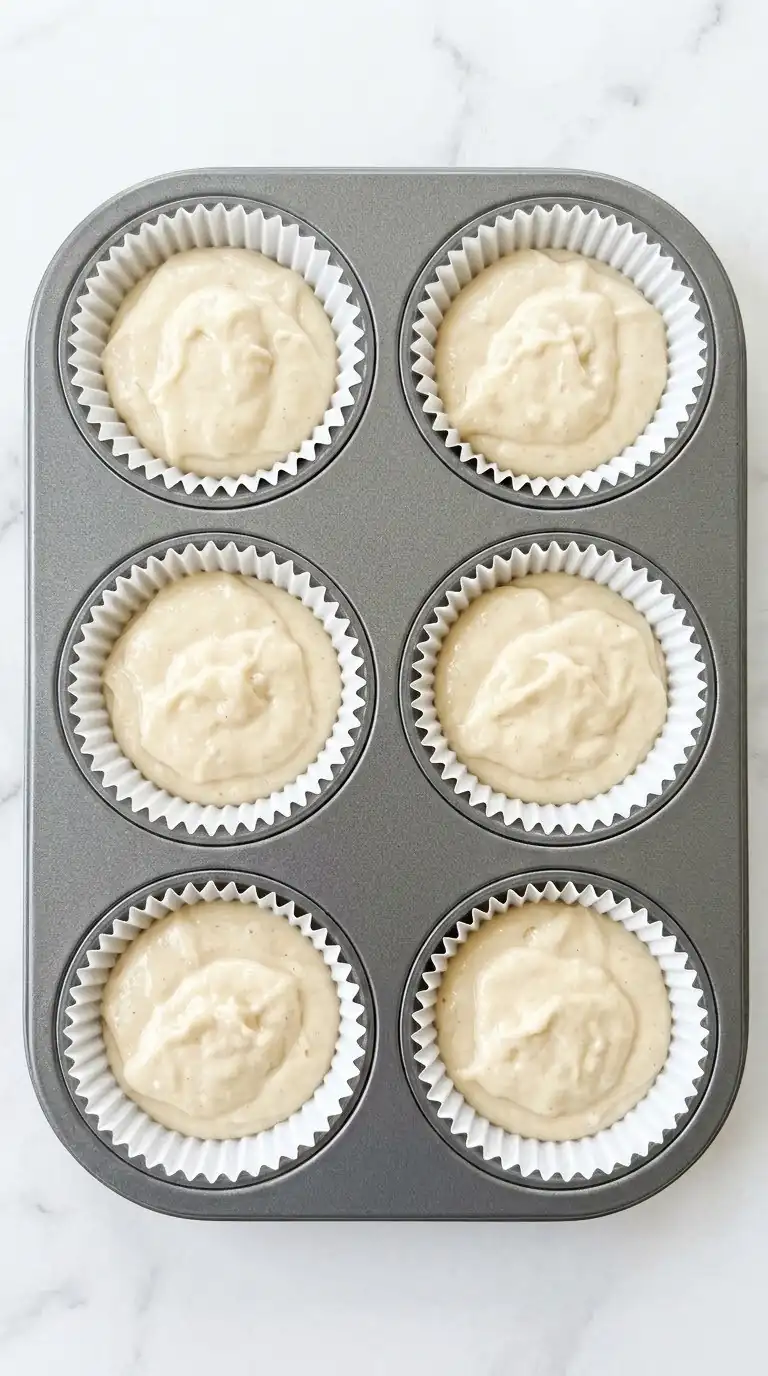
Cupcakes are designed for decoration and indulgence, acting as a sweet canvas for artistic expression. Because they are meant to be topped with thick frostings, they are typically less dense than muffins and rely on a finer crumb. The interior should be airy enough to hold the weight of frosting, sprinkles, or fruit without the cake structure feeling heavy or collapsing under the pressure of the toppings. A classic vanilla cupcake should have a tight, smooth, and uniform crumb that feels velvety on the tongue.
Unlike muffins, where rustic, uneven textures are celebrated, the cupcake focuses on visual appeal and consistent sweetness. To achieve this, use the creaming method: beat room-temperature butter and sugar together until pale and fluffy for at least 5 minutes before adding eggs. This incorporates air bubbles that expand in the oven, creating a lift that supports decorative toppings. Avoid over-baking cupcakes, as the sugar content makes them prone to drying out quickly. Remove them when the top springs back lightly to the touch, usually between 18 and 22 minutes at 350F. A common mistake is frostings applied to warm cakes; this causes the fat in the frosting to melt, leading to a runny, unappealing mess. Always wait until the cupcake is completely cold—at least one hour—before applying buttercream or ganache. This patience ensures the frosting maintains its piped shape, providing the professional finish expected from a high-quality dessert. The goal is a perfect ratio of sponge to sweetness that delights the palate with every bite.
Pro Tips for Every Batch
Mastering the Batter
Whether you are whisking up a morning muffin batch or preparing cupcakes for a party, temperature control is your best friend. Room temperature eggs and dairy integrate into the batter much more smoothly than cold ingredients, creating a stable emulsion. When you use cold butter or milk, the fats can clump, leading to an uneven distribution that results in dense streaks throughout the baked good. Aim to bring all refrigerated ingredients to room temperature at least one hour before mixing to ensure a superior rise and uniform texture.
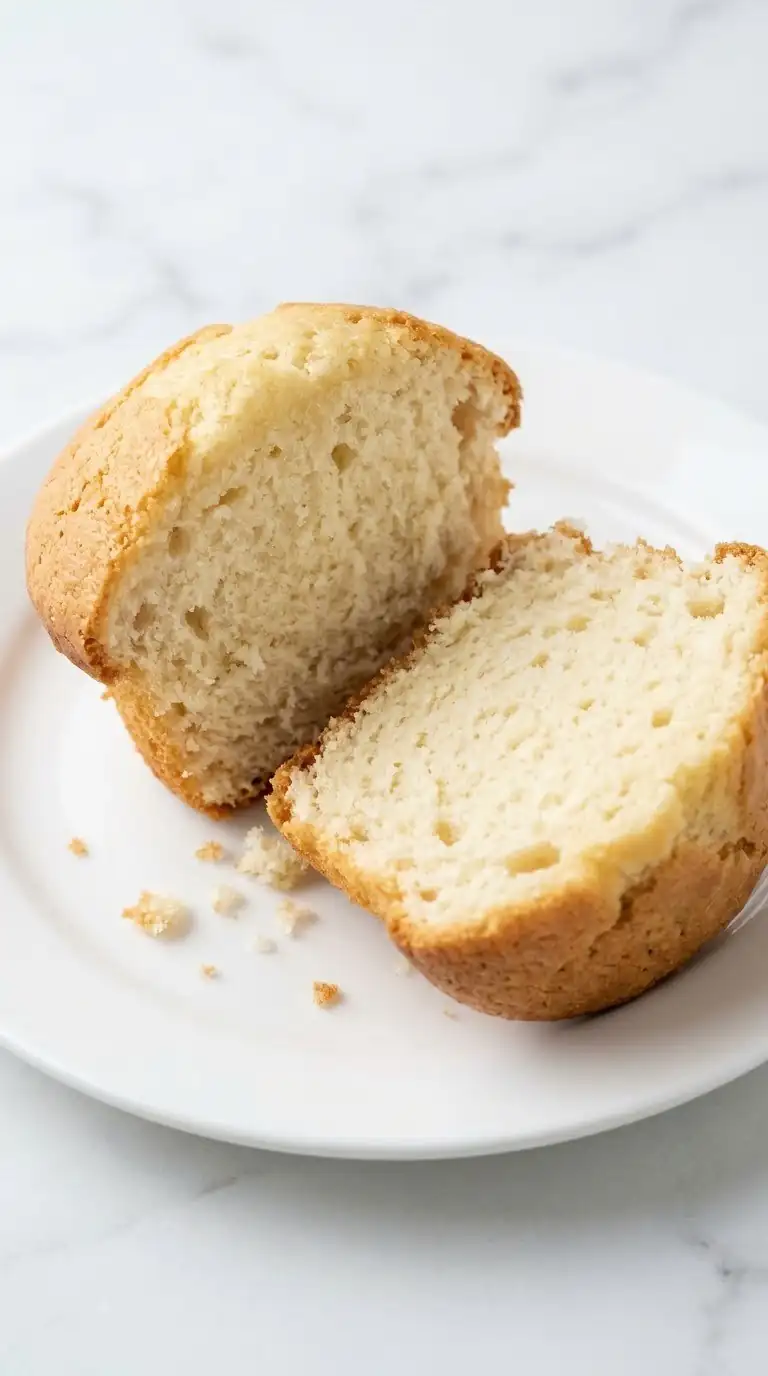
When breaking open a plain vanilla muffin, look for those small, consistent air pockets. This indicates that your leavening agent—baking powder or baking soda—was fresh and correctly proportioned. If you see large tunnels, voids, or holes, that is a classic sign of overmixing the batter. Overmixing develops gluten in the flour, which leads to a tough, bread-like interior rather than a tender, cake-like crumb. To avoid this, use a rubber spatula to fold dry ingredients into wet ingredients until just combined; it is perfectly acceptable for the batter to appear slightly lumpy. Another tip for muffins is the resting period; letting your batter sit for 10 to 15 minutes before filling the pans allows the starch to hydrate fully, which results in a better dome shape. By treating your mixing technique with precision, you ensure that every batch yields a light, airy crumb that stays moist for days, perfectly capturing the essence of a freshly baked delight.
More Muffin Recipes to Try
- Muffin nutrition & calories guide
- Muffin pans, liners & equipment guide
- Muffin substitutions guide (no eggs, no butter, no milk…)
- Muffin troubleshooting guide (sink, dense, dry, flat, sticky)
- Muffin recipe
Reader Questions Answered
What is the main difference between a muffin and a cupcake?
The primary difference lies in the mixing method and the sugar-to-fat ratio. Cupcakes are typically creamed to create a light, airy crumb, while muffins use a gentler mixing process to result in a denser, sturdier texture.
Can I use a muffin recipe to make cupcakes?
It is not recommended. Muffin recipes are formulated for lower sugar and higher liquid ratios, which can lead to a chewy or tough cupcake if you attempt to use them for a dessert base.
Why are muffin tops considered the best part?
The top of a muffin benefits from direct heat exposure and a higher surface-area-to-batter ratio. This creates a crusty, golden exterior that contrasts beautifully with the soft, moist interior.
How does a jumbo muffin differ from a regular muffin?
Jumbo muffins require a longer bake time at a slightly lower temperature to ensure the center sets before the outside burns. Regular muffins bake faster at higher temperatures.
Are muffins considered healthy compared to cupcakes?
While muffins are often viewed as breakfast items, they are essentially quick breads. Both muffins and cupcakes should be enjoyed as part of a varied diet, focusing on the quality of ingredients rather than labels.
Should I use the same pan for both?
While you can use the same muffin tin, remember that paper liners serve different purposes. They help preserve the delicate crumb of a cupcake, whereas muffins are often baked directly in the tin for a crispier edge.
Wrapping Up
Refining Your Kitchen Intuition
At the end of the day, muffins and cupcakes are both joyful additions to any home kitchen. By understanding that muffins thrive on gentle folding and a sturdier, less-sweet profile, and that cupcakes rely on the mechanical creaming method and a decadent, sugar-rich foundation, you are well on your way to becoming a more intuitive baker. Muffins are best served slightly warm with a simple butter spread, while cupcakes are crafted to be the centerpiece of a celebration, often requiring a bit of time to set after they are pulled from the heat.
Precision is the key to success in both endeavors. Invest in an oven thermometer to ensure your appliance is actually hitting the 350F or 375F your recipe demands, as many ovens vary by significant margins. Stick to your chosen recipes, respect the specific temperatures mentioned, and avoid the urge to swap ingredients like butter for lower-fat substitutes if you want that classic, tender texture. Respect your ingredients by measuring by weight rather than volume whenever possible, as a heavy hand with flour is the most common reason for dry, crumbly results. Enjoy the wonderful aroma that only a freshly baked batch of treats can provide in your home. With these fundamental differences mastered, you can confidently switch between the hearty, satisfying world of muffins and the elegant, sweet realm of cupcakes, bringing professional results to your own kitchen counter every single time you preheat your oven for a new baking project.
Related recipes: Simple Vanilla Muffin Recipe for Everyday Baking, The Ultimate Guide to Perfect Homemade Muffins, The Complete Guide to Storing, Freezing, and Reheating, The Home Baker’s Guide to Muffin Nutrition and Fiber, The Ultimate Muffin Pan and Equipment Guide for Home Bakers.
Learn more: Cupcake on Wikipedia · food storage & safety (FoodSafety.gov).
◆ ◆ ◆
← Back to Muffin vs. Cupcake: What Really Sets Them ApartGet new recipes
One tasty homemade recipe in your inbox each week. No spam, unsubscribe anytime.


Comments