Easy Chocolate Muffins Made With Oil: Step-by-Step Instructions
If you wish to experiment with the base itself, you can easily adapt this oil-based recipe into a vanilla version. To do this, simply omit the cocoa powder entirely and increase your flour measurement by approximately one-quarter cup to maintain the correct structural integrity. This vanilla canvas allows you to fold in fresh blueberries, raspberries, or even small pieces of diced strawberries. Because oil ensures a moist crumb regardless of the flavorings, these additions will not compromise the tenderness of the final product. Remember, when adding fruit, toss them in a teaspoon of flour before folding them into the batter; this prevents them from sinking to the bottom of the tin during the bake. Whether you prefer a dark, intense chocolate experience or a lighter fruit-filled treat, the oil-based ratio remains a versatile and forgiving foundation for endless culinary creativity in your own kitchen.
Serving Ideas
Elevate Your Muffin Experience
Transforming these chocolate muffins into a gourmet experience is effortless. For a classic aesthetic, sift a fine layer of powdered sugar over the tops while they are still slightly warm; this adds a subtle sweetness that balances the deep cocoa profile. If you prefer a richer presentation, consider a quick drizzle of melted chocolate ganache or a dollop of fresh whipped cream.
- Pair with fresh berries: Raspberries or strawberries cut through the richness of the cocoa with a bright, acidic contrast.
- Coffee shop vibe: Serve these alongside a steaming mug of black tea or a creamy latte. The bitterness of the tea cleanses the palate between bites of the dense, moist crumb.
- Breakfast upgrade: Spread a thin layer of unsalted butter or a nut butter on a warm muffin half to add a savory depth that complements the chocolate notes.
- Texture contrast: For those who enjoy a crunch, press a few semi-sweet chocolate chips into the top of the batter before baking, or sprinkle a tiny pinch of coarse sea salt over the wet batter. The salt heightens the chocolate flavor significantly.
These muffins serve as a perfect centerpiece for a brunch table or a sophisticated late-afternoon tea. Because the oil-based batter remains incredibly moist even after cooling, they maintain their structural integrity well even when topped with heavier garnishes. Whether you are hosting guests or enjoying a quiet moment, these serving suggestions ensure that each muffin feels like a deliberate, indulgent treat rather than just a quick snack.
Keeping It Fresh
Maximizing Texture and Moisture
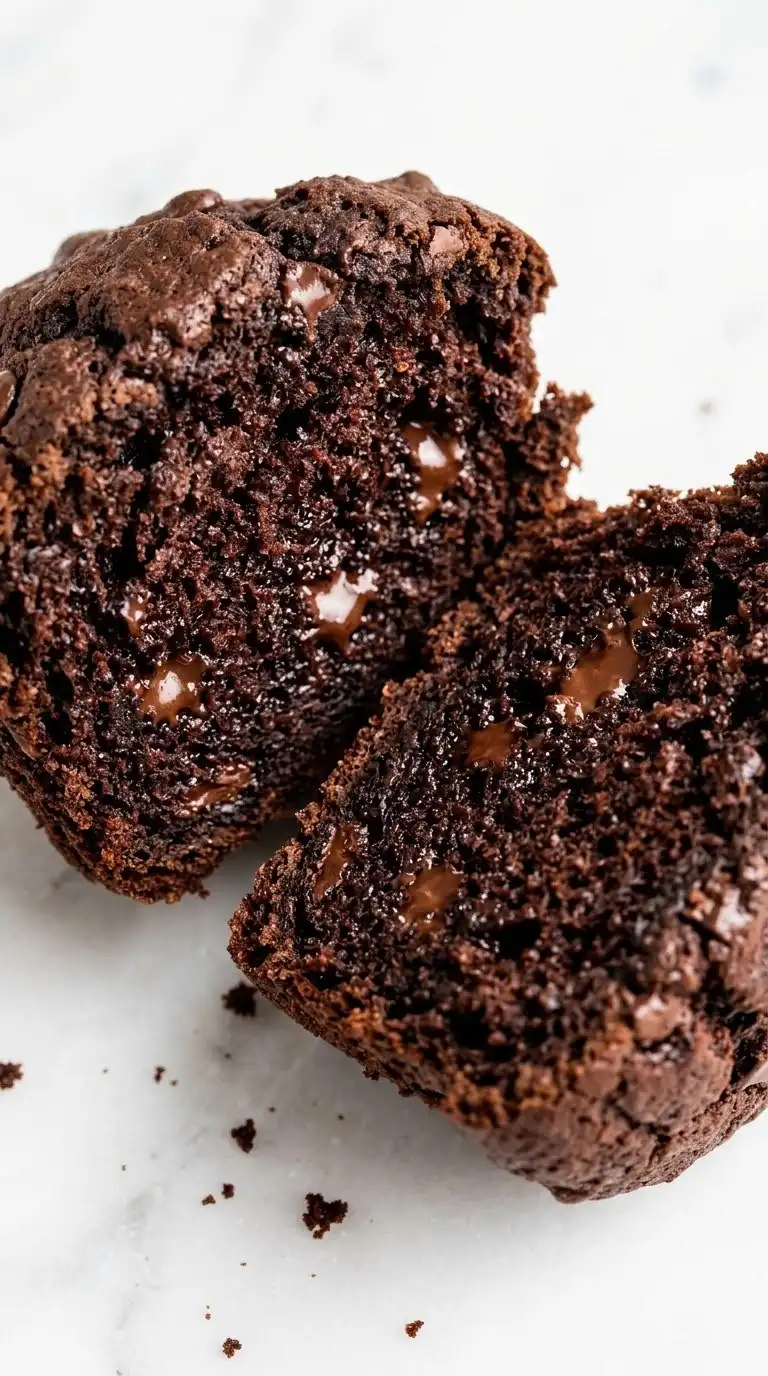
The secret to keeping these muffins tasting like they just came out of the oven lies in proper storage techniques. Because these muffins rely on oil rather than butter, they inherently stay moist for a longer duration, as oil remains liquid at room temperature while butter solidifies. To lock in this moisture, always allow the muffins to cool completely on a wire rack before placing them in a container. If you seal them while warm, trapped steam will cause the tops to become soggy.
- Room temperature storage: Place them in an airtight plastic container or a resealable storage bag. A layer of paper towel at the bottom can help absorb any excess moisture, preventing the muffin bases from becoming overly damp. They will remain at their peak for three days.
- Freezing for longevity: These muffins freeze exceptionally well. Wrap each individual muffin tightly in plastic wrap, then place them in a heavy-duty freezer bag to prevent freezer burn. They can stay frozen for up to two months.
- The reheating process: To revive a frozen muffin, let it thaw on the counter for an hour, or microwave it for 20 to 30 seconds on a medium setting. Avoid high heat in the microwave, as this can turn the crumb rubbery.
- Avoid the refrigerator: Never store your muffins in the fridge. The cold, dry air of a refrigerator actually accelerates the staling process of starches, causing the muffins to dry out and lose their signature tender, oil-based crumb structure significantly faster than if they were left at room temperature.
For safe storage times, the USDA guidance on leftovers and food safety is a useful reference.
Reader Questions Answered
Can I make these easy chocolate muffins no milk?
Yes, this recipe is naturally dairy-free because it uses water or coffee instead of milk. Using coffee actually enhances the chocolate profile significantly.
What is an easy chocolate muffin recipe no milk substitute?
This recipe is your go-to. By relying on oil and water, you achieve a moist crumb without needing dairy, perfect for those with sensitivities or a stocked pantry.
How do I make easy vanilla muffins no butter?
To adapt this to vanilla, omit the cocoa powder and replace it with an equal amount of flour. Increase the vanilla extract to 2 teaspoons for a fragrant, buttery-tasting crumb without using any butter.
Is there an easy vanilla muffin recipe no butter?
Absolutely, just substitute the cocoa with flour and use oil as the primary fat. It produces a soft, sponge-like vanilla muffin that holds its structure perfectly.
Can I make easy vanilla muffins without milk?
Certainly. Use the vanilla adaptation mentioned above and replace milk with water, soy milk, or oat milk. The oil ensures the muffin remains tender without the need for traditional dairy liquids.
Are these easy chocolate muffins with cocoa powder?
Yes, this recipe uses standard unsweetened cocoa powder. It provides a deep, classic chocolate flavor and the dry structure needed for a perfect muffin texture.
More Muffin Recipes to Try
Wrapping Up
Mastering the Oil-Based Method
Baking is a science of precision, and shifting from butter to oil in your muffin recipes is one of the most effective ways to ensure consistent results. By utilizing oil, you create a batter that is inherently more stable and produces a remarkably tender crumb that holds its moisture for days. These easy chocolate muffins demonstrate exactly why this method works: the fat coats the flour proteins more thoroughly, preventing excessive gluten development, which is the leading cause of tough or dry muffins. Remember, the goal is always to stir until just combined; over-mixing after adding the dry ingredients is the most common mistake that leads to dense, tunnel-filled muffins rather than light, airy ones.
- Temperature control: Ensure your oven is accurately calibrated to 375°F (190°C). Using a metal pan often yields a better rise than silicone for this specific recipe, as it conducts heat faster to the edges.
- Ingredient quality: Use a high-quality, unsweetened cocoa powder. Since the recipe is simple, the quality of your cocoa defines the final depth of the chocolate flavor.
- Visual cues: Your muffins are finished when a wooden skewer inserted into the center comes out clean or with just a few moist crumbs attached. If you see liquid batter, keep them in for another two minutes.
The simplicity of this process makes it an ideal staple for any kitchen. Once you master the ratio of oil to dry ingredients, you have a reliable foundation for countless variations. Enjoy the process of baking, the aroma that fills your home, and the deep, satisfying cocoa flavor in every bite!
Related recipes: Simple Vanilla Muffins Recipe Using Cake Flour, Simple Homemade Chocolate Muffin Recipe, Simple Soft Homemade Muffins Vanilla Recipe, Simple Moist Double Chocolate Muffins With Cake Mix, Classic Moist Muffins Vanilla Yogurt Recipe.
Learn more: Chocolate on Wikipedia · food storage & safety (FoodSafety.gov).
◆ ◆ ◆
← Back to Easy Chocolate Muffins Made With OilGet new recipes
One tasty homemade recipe in your inbox each week. No spam, unsubscribe anytime.


Comments