Simple Homemade Easy Muffins Almond Flour: Step-by-Step Instructions
Serving Ideas
Elevating Your Muffin Experience
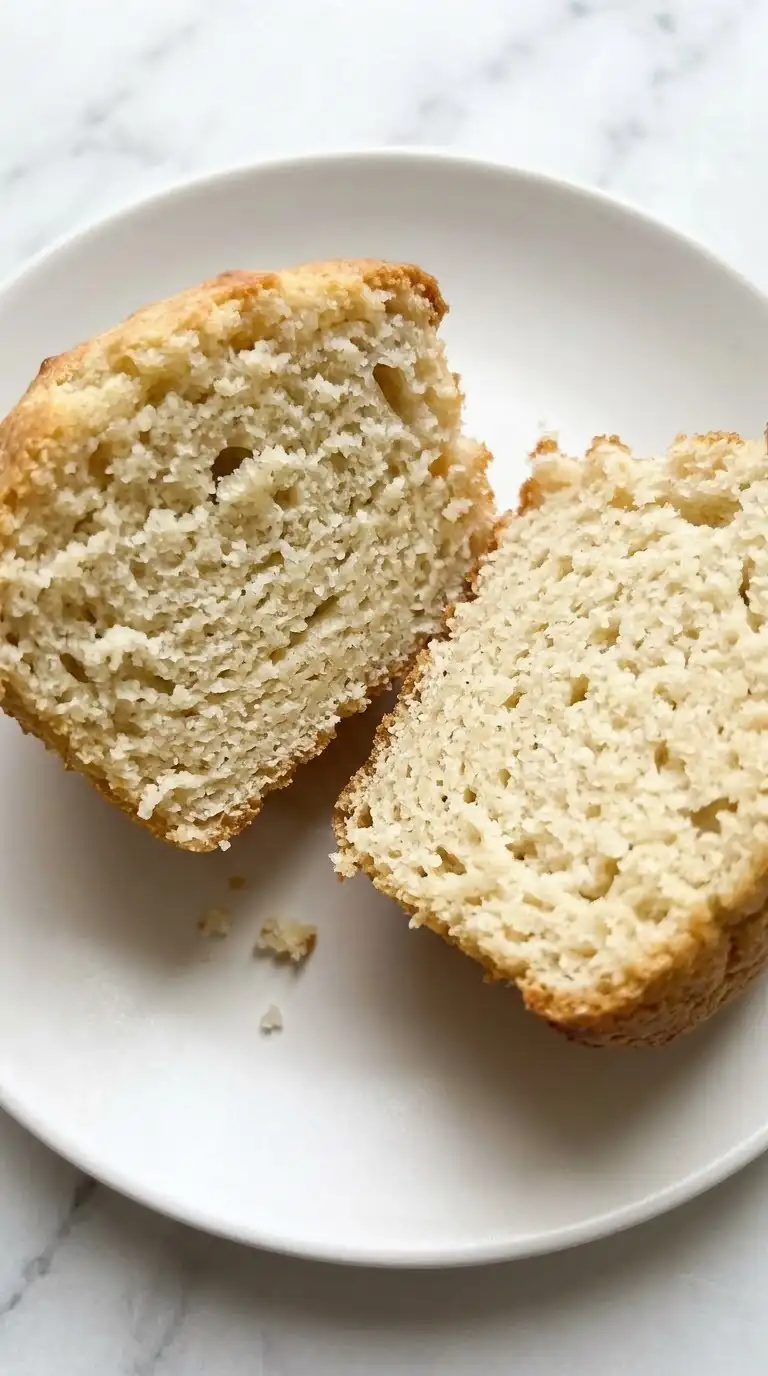
Serving your freshly baked almond flour muffins is all about enhancing their naturally rich, nutty profile. Since these muffins have a denser, more satisfying crumb than wheat-based alternatives, they pair beautifully with simple, complementary toppings. A light smear of raw honey or pure maple syrup adds just enough sweetness to highlight the delicate almond notes without overpowering them. For a more substantial snack, consider a dollop of almond butter or creamy cashew butter; the saltiness of a nut butter balances the inherent sweetness of the almond flour perfectly. If you enjoy a touch of spice, sprinkling a tiny pinch of cinnamon or cardamom over the top before serving adds a warming aromatic quality that is perfect for cooler days.
Perfect Pairings for Any Time of Day
These muffins are an ideal companion for a quiet morning break. When served warm, the fats in the almond flour soften, creating a melt-in-the-mouth texture that is best enjoyed alongside a steaming cup of herbal tea or a robust fresh coffee. Because these muffins are quite satiating, they also serve as an excellent afternoon energy boost. If you are serving them at a brunch gathering, consider placing them on a tiered tray alongside fresh berries. The tartness of raspberries or blackberries cuts through the richness of the almond flour beautifully, providing a vibrant contrast in both color and flavor. Whether enjoyed plain with a simple dusting of powdered sugar or topped with a thick layer of nut butter, these muffins offer a sophisticated yet comforting treat that elevates any snack time into a small, intentional ritual.
Keeping It Fresh
Storage Techniques for Longevity
Maintaining the ideal texture of almond flour muffins after they leave the oven requires a bit of care. Because almond flour contains a higher oil content than traditional flour, the muffins can become overly moist if stored while still warm. Always allow your muffins to cool completely on a wire rack for at least 60 minutes before transferring them to an airtight container. This ensures that excess steam escapes, preventing a soggy base. For short-term storage, keep them in a cool, dry area at room temperature for up to three days. Placing a dry paper towel at the bottom of your container can help wick away any excess humidity, keeping the tops from becoming sticky. It is best to avoid the refrigerator for daily storage, as the cold, dry air can often accelerate the staling process in almond flour baked goods, leading to a brittle, crumbly texture that loses its signature tenderness.
The Freezer Method for Future Cravings
For longer storage, the freezer is your best friend. To preserve the structure and moisture, wrap each muffin individually in a layer of parchment paper, then place them inside a heavy-duty freezer bag or a tightly sealed container. This double-layer approach prevents freezer burn and ensures the muffins don't absorb odors from other frozen items. When you are ready for a quick breakfast or snack, skip the microwave, which can lead to a rubbery exterior. Instead, reheat your muffins directly in a preheated oven at 300 degrees Fahrenheit for approximately 8 to 10 minutes. This method revives the delicate golden crust and returns the center to a soft, warm state, effectively mimicking the experience of a fresh batch straight from the oven.
For safe storage times, the USDA guidance on leftovers and food safety is a useful reference.
Reader Questions Answered
Can I use oat flour for a blueberry muffin recipe instead?
While oat flour offers a lovely earthy flavor, it behaves differently than almond flour due to higher fiber content. If you want a blueberry muffin recipe oat flour swap, you usually need to adjust the liquid ratios, as oats absorb moisture much faster than nuts.
What about a coconut flour banana muffins recipe?
Coconut flour is extremely absorbent, requiring significantly more eggs and liquid than almond flour. A banana muffins recipe coconut flour style would result in a very different final texture than the one presented here.
How do I make easy apple muffins with almond flour?
To make apple muffins recipe with almond flour, simply fold in 1/2 cup of finely diced, peeled apples into the batter before scooping. Ensure the pieces are small to maintain the structural integrity of the muffin.
Is a pre-made muffin mix with almond flour better?
A muffin mix almond flour can be convenient, but making them from scratch gives you full control over ingredient quality. Homemade versions lack the preservatives often found in boxed mixes, leading to a fresher, more natural flavor.
What is the best flourless muffins recipe texture?
The best flourless muffins recipe relies on finely ground nut meals to mimic the lift of traditional wheat flour. Proper aeration and the right ratio of leavening agents are the secrets to a light, cloud-like bite.
Does a banana muffin recipe oat flour work like this one?
A banana muffin recipe oat flour will produce a chewier, heartier muffin compared to the delicate, melt-in-your-mouth quality of an almond flour bake. Both are great options, but they serve different texture preferences.
More Muffin Recipes to Try
Wrapping Up
Mastering the Art of Almond Flour
Baking with almond flour is a transformative experience for any home baker, offering a unique opportunity to work with ingredients that provide deep flavor and satisfying textures. Throughout this guide, we have explored the nuances of moisture, binder balance, and the importance of precise temperature control. Remember that almond flour is far more delicate than grain-based flours; it lacks gluten, which means your muffins rely on eggs or other binders to hold their structure. One common mistake to avoid is over-mixing the batter; gentle folding ensures that you incorporate the wet and dry ingredients without breaking down the fine particles of the almond meal, which can lead to a heavy, oily result. By paying close attention to your oven calibration—using a thermometer to verify that your 350-degree setting is accurate—you ensure that the proteins in the eggs set properly before the muffins become too browned.
Final Tips for Success
Consistency is key to mastering these easy recipes. If you find your muffins are too crumbly, ensure you are using finely blanched almond flour rather than a coarse almond meal. The fine grind creates a smoother, more professional crumb that mimics traditional baking. We encourage you to treat this guide as a foundation for your own culinary experiments. Once you have perfected the base recipe, you can confidently introduce additions like citrus zest, toasted seeds, or dried fruits to tailor the flavor profile to your preference. We hope this guide empowers you to feel confident in the kitchen, helping you create consistent, delicious results whenever a craving strikes. Happy baking, and enjoy every bite of your creations!
Related recipes: Simple Vanilla Healthy Muffin Recipes for Every Morning, Simple Vanilla Bean Healthy Muffin Flavours for Beginners, Simple Gluten Free Pumpkin Muffins, Simple Vanilla Muffins No Eggs Recipe, Simple Vanilla Muffins for Weight Loss.
Learn more: Muffins on Wikipedia · food storage & safety (FoodSafety.gov).
◆ ◆ ◆
← Back to Simple Homemade Easy Muffins Almond FlourGet new recipes
One tasty homemade recipe in your inbox each week. No spam, unsubscribe anytime.


Comments