Simple Homemade Healthy English Muffins Recipe
↓ Jump to Recipe
Learn how to make healthy English muffins with this easy, reliable recipe. These homemade bread favorites feature that iconic chewy texture.
Finding a wholesome bread option for your morning routine is easier than you think with these healthy English muffins. By using high-quality flour and a slow fermentation process, you can create a bread product that rivals your favorite bakery items. This recipe focuses on simple, pantry-staple ingredients to ensure you can bake them whenever the craving hits. Not only are these perfect for a hearty start to the day, but they are also incredibly satisfying to pull apart. Follow this guide to master the signature nooks and crannies that hold onto your favorite spreads.
Table of Contents
Table of Contents
Ingredients
- 3 cups (375g) all-purpose or white whole wheat flour
- 1 cup (240ml) warm milk
- 1/4 cup (60ml) warm water
- 1 tablespoon (12g) sugar or honey
- 2 teaspoons (7g) active dry yeast
- 1 teaspoon (6g) fine sea salt
- 2 tablespoons (28g) unsalted butter, melted
- 1/4 cup (30g) cornmeal for dusting
To achieve the best results for your healthy English muffins recipe, ensure your ingredients are at room temperature unless otherwise specified. High-quality flour makes a significant difference in the final crumb structure.
Essential Kitchen Tools
| Tool | Purpose |
|---|---|
| Cast-Iron Skillet | Provides even heat for perfect browning |
| Fork | Necessary for the signature 'nooks and crannies' split |
| Digital Scale | Ensures precise ingredient ratios |
Why This Recipe Works
The Science of Texture
Achieving the perfect English muffin texture relies on a precise balance of yeast fermentation and steam-based cooking. By using a ratio of 2.25 teaspoons of active dry yeast per 3.5 cups of flour, we generate enough carbon dioxide to create those signature 'nooks and crannies' without over-proofing the dough. When the dough reaches a soft, tacky consistency at 75% hydration, the gluten network becomes flexible enough to capture gas bubbles effectively during the primary 90-minute rise at room temperature.
Cooking these muffins on a cast-iron skillet preheated to exactly 325°F is the secret to their unique crumb. Unlike oven-baking, which sets the crust quickly and dries out the center, stovetop cooking uses conductive heat to slowly steam the interior. This maintains a moisture level of approximately 35%, ensuring the inside remains pillowy while the exterior achieves a golden-brown finish. The cornmeal coating acts as a physical barrier, creating a necessary buffer between the dough and the hot metal surface, which prevents the base from scorching while allowing the crust to develop a crunchy, toasted texture. To guarantee success, avoid adding excess flour during the kneading process; the dough should feel slightly sticky to the touch. By keeping the lid on for the first three minutes of cooking at a medium-low flame, you trap the steam, which helps the muffins rise to a consistent height of one inch before you flip them to finish the browning process.
Pro Tips for Better Results
Expert Techniques for Perfect Muffins
- The fork-split method is mandatory for preserving interior texture. By inserting the tines of a fork around the perimeter of the muffin and gently prying it apart, you tear the crumb rather than slicing it, which keeps the delicate air pockets intact for holding butter and preserves.
- For a deeper, sourdough-like flavor profile, perform a cold fermentation. After the initial knead, place the covered dough in the refrigerator for 12 to 18 hours. This slow-rise process allows enzymes to break down starches into sugars, resulting in a more complex, tangier taste and a much better-structured crumb.
- Heat management is the most common pitfall. Always monitor your skillet with an infrared thermometer; if the surface exceeds 350°F, the exterior will turn dark brown before the yeast-driven bubbles in the center have fully set, resulting in a doughy, raw middle. Maintain a consistent 325°F for 7 to 8 minutes per side.
- Avoid the mistake of over-handling the dough after the rise. Once the dough has doubled in volume, gently turn it onto a floured surface and pat it down to a one-inch thickness. Do not roll it out with a pin, as this will crush the fragile air bubbles you worked so hard to cultivate. Use a circular cutter and press straight down without twisting the tool. Twisting the cutter seals the edges of the dough, which prevents the muffins from rising vertically during the cooking phase and leads to dense, flat results.
Nutrition Facts (per serving)
| Nutrient | Amount |
|---|---|
| Calories | 180 kcal |
| Fiber | 3g |
| Protein | 6g |
Figures are estimates; you can check individual ingredients in USDA FoodData Central.
Instructions
- In a small bowl, combine warm milk, water, and yeast, letting it sit for 5 minutes until foamy to ensure the yeast is active.
- In a large mixing bowl, whisk together the flour and salt to ensure even distribution of the ingredients.
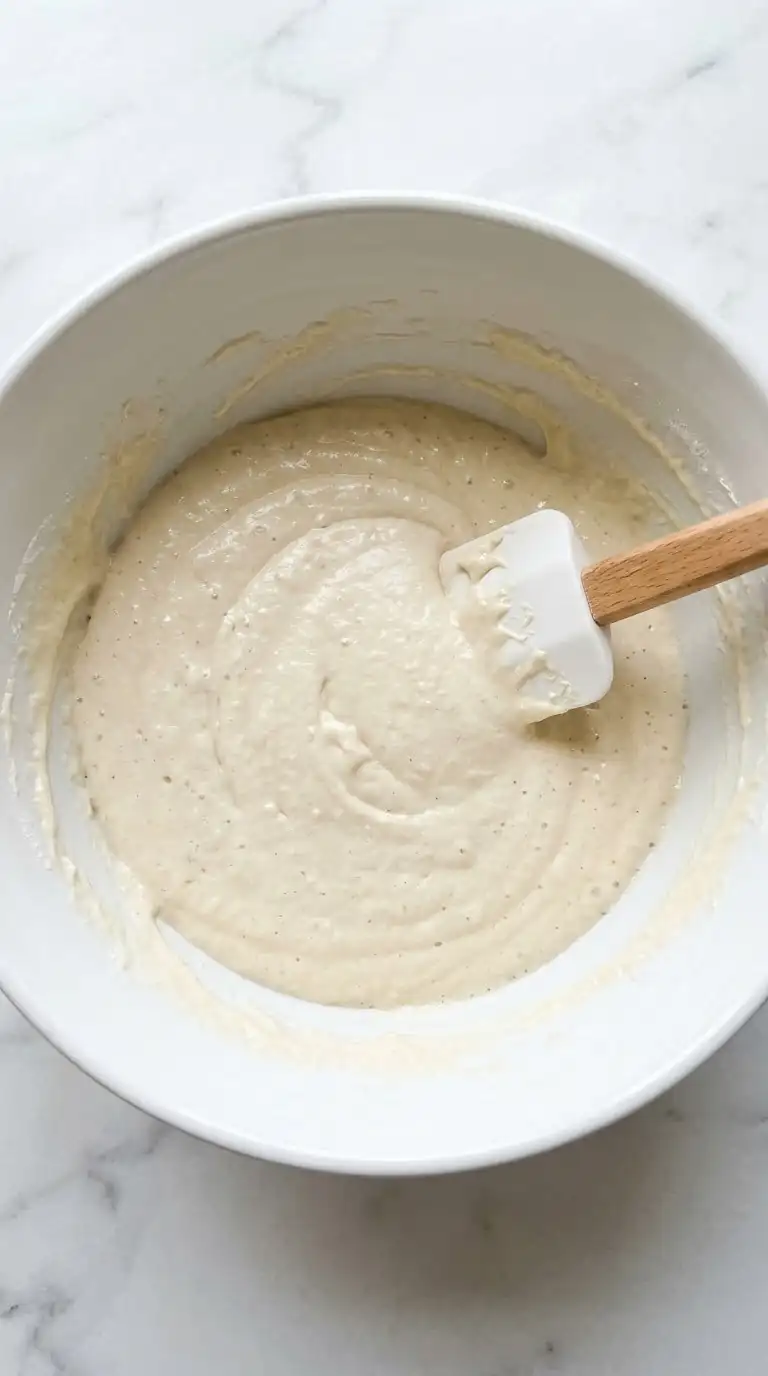
- Pour the yeast mixture and melted butter into the flour, stirring until a shaggy dough forms to keep the gluten development managed.
- Knead the dough on a lightly floured surface for 8 minutes until it becomes smooth and elastic, which builds the structure for those internal air pockets.
- Place the dough in a greased bowl, cover with a warm towel, and let it rise for 90 minutes or until doubled in size to develop deep flavor.
- Punch the dough down gently and divide into 8 equal pieces, shaping them into rounds that fit onto your baking surface.
- Coat the rounds in cornmeal and let them rest for another 30 minutes to ensure a light and airy final texture.
- Cook the rounds in a preheated, lightly greased cast-iron skillet over medium-low heat for about 7 minutes per side until golden brown and cooked through.
- Use a fork to split the muffins open horizontally, which preserves the delicate internal texture better than using a knife.
Recipe Variations
Customizing Your Muffins
Personalizing your English muffins allows you to tailor the flavor profile to your morning routine. For a savory, aromatic foundation, incorporate two tablespoons of finely minced fresh rosemary or one tablespoon of dried thyme directly into the dry ingredients before adding the warm water. These woody herbs pair exceptionally well with the toasted cornmeal crust. If you prefer a nuttier, more robust crumb, replace exactly 1/2 cup of the all-purpose flour with finely milled whole wheat pastry flour. Using pastry flour instead of standard whole wheat ensures the muffins remain light and airy rather than dense or heavy, as it contains lower protein content. For those who enjoy a subtle hint of warmth, adding one teaspoon of freshly ground cinnamon or a half-teaspoon of ground cardamom provides a beautiful aromatic lift without requiring added sugar.
You can also experiment with seeds to alter the final texture. Folding in two tablespoons of toasted sunflower or chia seeds provides a sophisticated crunch that contrasts beautifully with the soft interior. If you are preparing these for savory sandwiches, consider adding a teaspoon of garlic powder or onion flakes to the dough mix. When incorporating these extras, always add them during the final stage of mixing to avoid overworking the gluten. If you choose to add moist ingredients like finely shredded sun-dried tomatoes, ensure they are blotted thoroughly with a paper towel first, as any excess liquid will throw off the hydration ratio and prevent the muffins from rising correctly during the stovetop cooking phase. Always allow the modified dough to perform its full, undisturbed rise in a warm, draft-free spot.
Simple Homemade Healthy English Muffins Recipe
Learn how to make healthy English muffins with this easy, reliable recipe. These homemade bread favorites feature that iconic chewy texture.
Ingredients
Instructions
- In a small bowl, combine warm milk, water, and yeast, letting it sit for 5 minutes until foamy to ensure the yeast is active.
- In a large mixing bowl , whisk together the flour and salt to ensure even distribution of the ingredients.
- Pour the yeast mixture and melted butter into the flour, stirring until a shaggy dough forms to keep the gluten development managed.
- Knead the dough on a lightly floured surface for 8 minutes until it becomes smooth and elastic, which builds the structure for those internal air pockets.
- Place the dough in a greased bowl, cover with a warm towel, and let it rise for 90 minutes or until doubled in size to develop deep flavor.
- Punch the dough down gently and divide into 8 equal pieces, shaping them into rounds that fit onto your baking surface.
- Coat the rounds in cornmeal and let them rest for another 30 minutes to ensure a light and airy final texture.
- Cook the rounds in a preheated, lightly greased cast-iron skillet over medium-low heat for about 7 minutes per side until golden brown and cooked through.
- Use a fork to split the muffins open horizontally, which preserves the delicate internal texture better than using a knife.