Simple Vanilla Muffins Recipe Using Cake Flour: Step-by-Step Instructions
Serving Ideas
Elevating Your Muffin Presentation
When serving muffins crafted with delicate cake flour, the goal is to complement their signature cloud-like crumb rather than overpower it. Because cake flour produces a lighter, more tender structure than all-purpose flour, avoid heavy toppings that might weigh down the top. Instead, a simple honey butter creates an exquisite contrast; whip two tablespoons of softened unsalted butter with one teaspoon of mild clover honey until airy, then spread a thin layer over a warm, split muffin. For those who prefer a refined aesthetic, a light dusting of powdered sugar applied through a fine-mesh sieve provides a professional finish that highlights the golden hue of the crust.
These muffins pair beautifully with beverages that share their gentle profile. A floral Earl Grey tea or a bright, medium-roast drip coffee serves as the perfect companion to a mid-morning snack. To enhance the experience further, consider serving the muffins alongside a bowl of macerated fresh berries—such as raspberries or hulled strawberries—which provide a tart brightness that balances the subtle sweetness of the cake-flour base. If you are hosting a brunch, arrange the muffins on a tiered stand lined with parchment paper to maintain their temperature. Avoid stacking them too high, as the delicate cake-like crumb is prone to compression. Whether enjoyed at a slow-paced breakfast or as an afternoon pick-me-up, these accompaniments turn a basic muffin into a complete sensory experience that celebrates the fine, soft texture achieved through this specific flour choice.
Keeping It Fresh
Strategies for Peak Softness
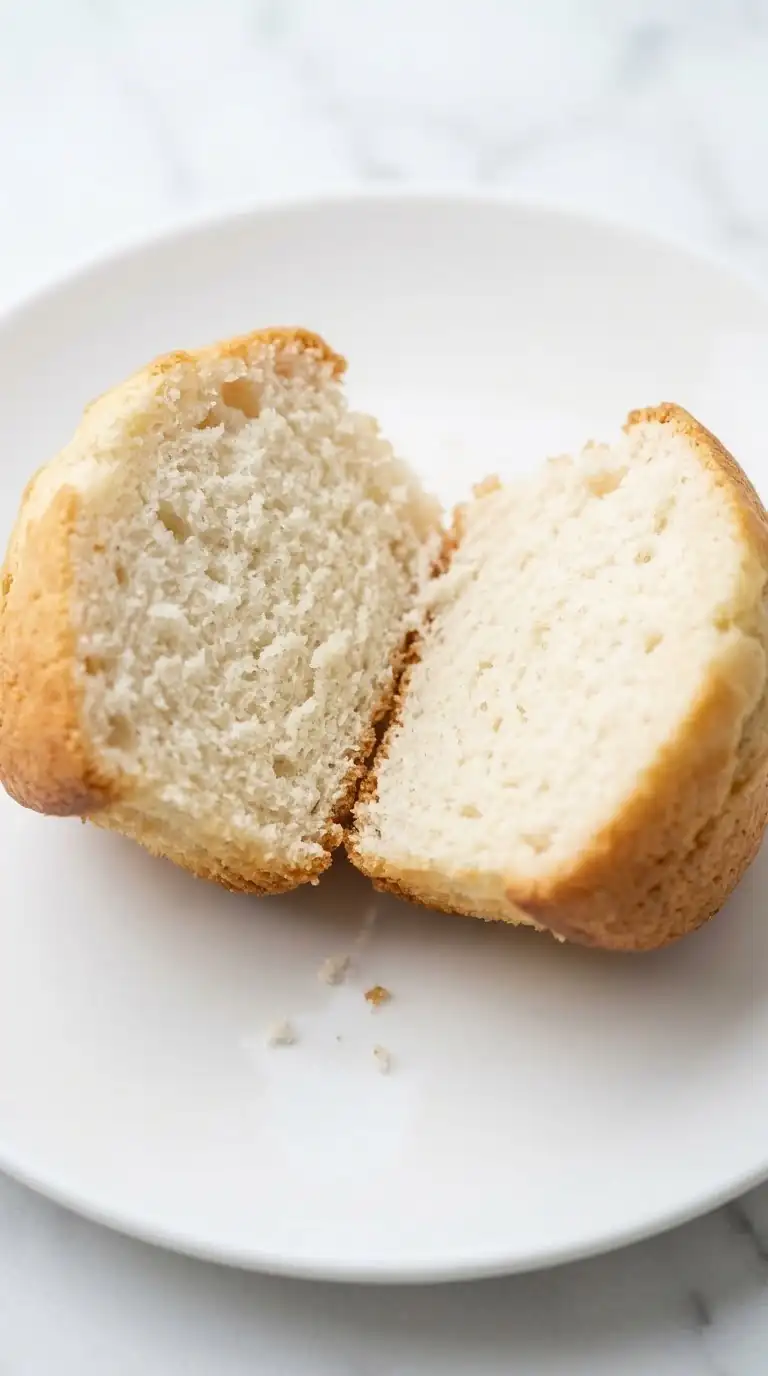
Maintaining the structural integrity of a cake-flour muffin requires careful moisture management. Because these muffins rely on a lower protein content to achieve their tender, fine-grained texture, they can dry out faster than heartier varieties if not sealed properly. Once the muffins have cooled completely on a wire rack—typically taking about 45 to 60 minutes—transfer them to an airtight container. Place a single sheet of paper towel at the bottom of the container and another gently draped over the tops of the muffins; this absorbs excess condensation that might otherwise turn the delicate crust gummy or soggy. Store them at a steady room temperature away from direct sunlight for no more than three days.
If you intend to enjoy these treats beyond the 72-hour window, freezing is the most effective method to preserve their quality. Wrap each individual muffin tightly in two layers of plastic wrap, then nestle them into a heavy-duty, resealable freezer bag, squeezing out as much air as possible before sealing. They will remain excellent for up to one month. To restore their original bakery-fresh texture, avoid the microwave, which can make the cake flour gummy. Instead, preheat your oven to 325°F (163°C). Place the frozen muffins directly on the oven rack or a baking sheet and heat for 8 to 10 minutes. This gentle process evaporates surface frost and restores that signature soft, slightly elastic interior without compromising the integrity of the crumb. Always allow them to cool for a few minutes before eating to let the internal steam settle.
For safe storage times, the USDA guidance on leftovers and food safety is a useful reference.
Reader Questions Answered
Can I make chocolate muffins without baking powder?
If you need a chocolate muffin recipe no baking powder, you would need to use a significant amount of whipped egg whites to provide lift. Without chemical leavening, the texture will be dense and brownie-like rather than airy.
Is there a chocolate muffin recipe no baking soda?
Yes, you can substitute baking powder for baking soda if your recipe calls for it, but you must adjust the ratio carefully. Chocolate muffins without baking soda typically rely on baking powder alone for the lift required in the batter.
How to make muffins without vanilla extract?
You can easily omit vanilla extract from your muffins without vanilla extract if you prefer a neutral base. Simply increase the amount of lemon zest or add a pinch of cinnamon to provide a subtle aromatic note without vanilla.
Can I prepare chocolate muffins without milk?
For chocolate muffins without milk, you can use water, strong coffee, or a dairy-free alternative like oat milk. These liquids work well to dissolve the cocoa solids without changing the structure of the crumb.
Can I bake chocolate muffins without butter?
To prepare chocolate muffins without butter, you can swap the fat for an equal amount of neutral oil or applesauce. While oil makes the muffin more moist, applesauce results in a slightly denser, healthier-style cake texture.
What about muffins without chocolate?
This recipe is inherently a vanilla base, making it perfect for muffins without chocolate. It is a clean, classic flavor profile that lets the texture of the cake flour truly shine through.
More Muffin Recipes to Try
Wrapping Up
Refining Your Baking Technique
Mastering the art of delicate baking is a rewarding journey that transforms your understanding of basic chemistry in the kitchen. By choosing cake flour, you are purposefully lowering the protein content—typically down to 7-9%—which minimizes gluten development. This choice is the defining factor in achieving a crumb that feels more like a soft, sophisticated tea cake than a dense breakfast bread. To ensure consistent success, remember that mixing technique is just as important as ingredient selection; use a light hand to fold the dry ingredients into the wet until just barely combined. Streaks of flour are acceptable at this stage, as over-mixing will toughen the batter and undo the benefits of using cake flour in the first place.
Consistency also depends on your oven environment. Always calibrate your oven temperature with an external thermometer, as even a 10-degree variance can cause the delicate structure of a cake-flour muffin to collapse during the critical rising phase. Bake until a skewer inserted into the center comes out clean or with just a few moist crumbs clinging to it, usually around 18 to 22 minutes at 375°F (190°C). By adhering to these precise methods, you can consistently produce professional, bakery-style muffins in your own home kitchen. The joy of baking lies in the details—from the sifting of the flour to the final cooling process. Embrace this precise approach, and you will soon find yourself sharing tender, light, and perfectly textured treats that leave a lasting impression on your family and guests.
Related recipes: Easy Chocolate Muffins Made With Oil, Simple Homemade Chocolate Muffin Recipe, Simple Soft Homemade Muffins Vanilla Recipe, Simple Moist Double Chocolate Muffins With Cake Mix, Classic Moist Muffins Vanilla Yogurt Recipe.
Learn more: Vanilla on Wikipedia · food storage & safety (FoodSafety.gov).
◆ ◆ ◆
← Back to Simple Vanilla Muffins Recipe Using Cake FlourGet new recipes
One tasty homemade recipe in your inbox each week. No spam, unsubscribe anytime.


Comments