Classic Moist Muffins Vanilla Yogurt Recipe: Step-by-Step Instructions
Finishing Touches
If you want to replicate the high-end appearance of artisanal coffee shop muffins, the secret is in the topping. Before placing your pan into the oven, lightly sprinkle a dusting of coarse sanding sugar or turbinado sugar over the tops of each unbaked muffin. As the muffins bake and rise, this sugar crystallizes, forming a sparkling, crunchy crust that provides a delightful sensory contrast to the tender, yogurt-infused interior. You can also experiment with a light dusting of cinnamon-sugar for a warmer spice profile or a drizzle of simple vanilla glaze once the muffins have cooled completely on a wire rack. These variations allow you to transform a single reliable recipe into a versatile staple for any breakfast or snack occasion.
Serving Ideas
Elevating Your Vanilla Muffin Experience
Serving vanilla yogurt muffins is all about enhancing their delicate, creamy profile without overpowering the natural aroma of the vanilla bean or extract. For a cozy breakfast, serve the muffins slightly warm, which allows the crumb to feel even more tender against the palate. A light smear of honey-whipped butter adds a luxurious texture and a touch of sweetness that highlights the tanginess of the yogurt. If you prefer something heartier for a brunch spread, these muffins pair beautifully with a bowl of fresh, macerated berries or a fruit salad featuring seasonal melons and grapes. The acidity in fresh fruit cuts through the richness of the yogurt, creating a balanced bite.
Perfect Pairings and Presentations
- Coffee and Tea: Serve alongside a medium-roast drip coffee or a delicate Earl Grey tea, both of which allow the vanilla notes to shine without competing for attention.
- Brunch Boards: Arrange the muffins on a tiered platter surrounded by fresh figs, sliced peaches, and a small dish of clotted cream or mild fruit preserves.
- Warm Glazing: For a decadent dessert twist, drizzle a simple vanilla bean glaze—made from powdered sugar and a splash of milk—over the top just before serving.
Avoid serving them ice-cold from the refrigerator, as the fats in the butter and yogurt can firm up, masking the light, airy texture you worked so hard to achieve. Instead, consider a quick five-second warm-up in the microwave to soften the interior structure and release the fragrant vanilla steam.
Keeping It Fresh
Maximizing Texture and Longevity
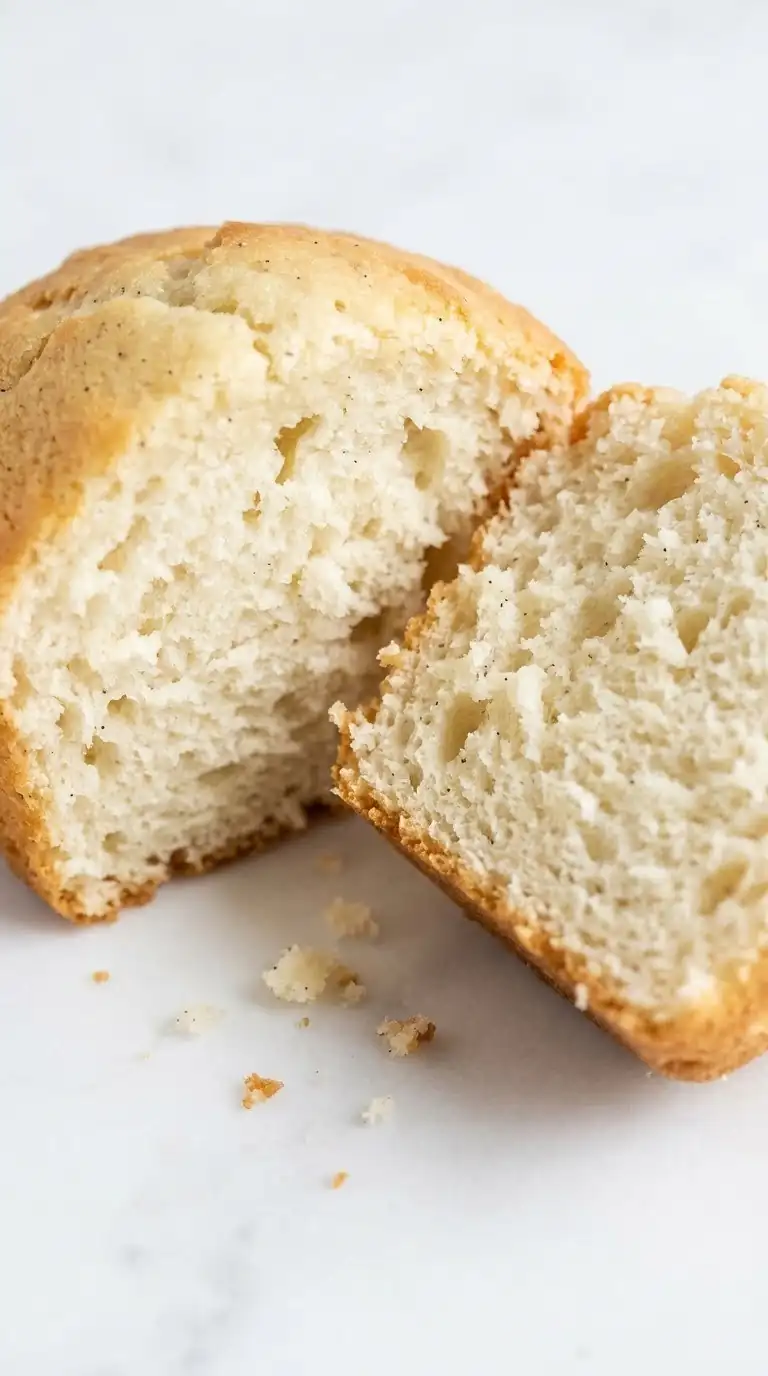
Because these muffins rely on yogurt for moisture, they possess a unique shelf life compared to oil-based recipes. To maintain that signature soft, springy crumb, store your cooled muffins in an airtight container at room temperature. It is critical to ensure the muffins are completely cool before sealing the container; placing warm muffins inside will create trapped steam, resulting in a soggy, sticky top. If your kitchen is particularly humid, a single paper towel placed at the bottom of the container can help absorb excess moisture and keep the muffin liners from becoming overly damp over a three-day period.
Storage Tips for Busy Bakers
- The Freezer Method: For extended storage, wrap each muffin tightly in two layers of plastic wrap and place them in a heavy-duty freezer bag. Removing as much air as possible prevents freezer burn and keeps the delicate vanilla flavor intact for up to two months.
- Avoiding Dryness: Never store muffins in the refrigerator. The cool, dry air accelerates the staling of the starch molecules, which will make your muffins crumble and lose their desired moisture much faster than at room temperature.
- Reheating for Freshness: To bring a frozen muffin back to life, thaw it at room temperature for two hours, then place it in a preheated oven at 300 degrees Fahrenheit for approximately five minutes. This quick heat cycle revives the golden crust and ensures the inside remains soft and tender, effectively mimicking a freshly baked batch even weeks after the original preparation.
For safe storage times, the USDA guidance on leftovers and food safety is a useful reference.
Reader Questions Answered
Can I use chocolate muffin recipe yogurt instead of vanilla?
Yes, you can substitute 1/4 cup of the flour with high-quality cocoa powder. For a chocolate muffins recipe yogurt, ensure your yogurt remains plain or vanilla to balance the bitterness of the cocoa.
Does a chocolate muffin recipe buttermilk work as a substitute?
You can replace the yogurt with an equal amount of buttermilk for a chocolate muffins recipe buttermilk. Buttermilk provides a similar acidity that reacts well with baking soda, ensuring the muffin remains tender.
What is a good double chocolate muffin recipe no sour cream?
To make a double chocolate muffins recipe no sour cream, simply use our base recipe and fold in 1/2 cup of chocolate chips. The yogurt provides all the moisture needed, eliminating the need for heavier alternatives like sour cream.
Are there instructions for chocolate muffins without yogurt?
If you are out of yogurt, sour cream or thick Greek-style dairy alternatives are suitable swaps. Avoid using just milk, as the lack of fat and acidity will result in a dry texture for chocolate muffins without yogurt.
Can I use cake mix for these muffins?
For muffins with cake mix and yogurt, combine one box of vanilla cake mix with the yogurt and eggs as listed in our recipe. This creates a denser, sweeter version of the classic muffin style.
Is there a funfetti muffins recipe no yogurt?
Yes, for a funfetti muffins recipe no yogurt, replace the yogurt with sour cream or plain applesauce. Fold in rainbow sprinkles at the very end to keep the colors from bleeding into the batter.
More Muffin Recipes to Try
Wrapping Up
Refining Your Muffin Craft
Mastering the vanilla yogurt muffin is a foundational skill that transforms your home kitchen into a reliable bakery. By understanding how the acidity of the yogurt interacts with the leavening agents—typically baking powder and baking soda—you ensure a consistent rise and a pillowy texture every single time. One common mistake to avoid is over-mixing the batter; once the dry ingredients meet the wet, stop stirring as soon as you see no streaks of flour. Over-mixing develops excess gluten, which can turn a light, airy muffin into a dense, rubbery cake. Precision is key here; aim to fold the ingredients just until combined.
Continuous Improvement
- Temperature Control: Always ensure your yogurt and eggs are at room temperature before you begin. This allows the ingredients to emulsify properly, creating a smoother batter and a more uniform bake.
- Golden Ratios: Use an oven thermometer to verify your temperature. Baking at a consistent 375 degrees Fahrenheit ensures the muffin tops dome beautifully without burning the edges or leaving the centers raw.
- The Toothpick Test: Always test the center with a toothpick. When it comes out clean or with just a few moist crumbs, pull the pan immediately. Leaving them in the hot tin too long will continue the cooking process and potentially dry out the delicate crumb.
We hope this deep dive into the science and art of muffin baking encourages you to experiment with your oven settings and ingredient temperatures. We genuinely look forward to hearing how your batch turned out and hope these treats become a staple in your home.
Related recipes: Simple Homemade Chocolate Muffin Recipe, Simple Soft Homemade Muffins Vanilla Recipe, Simple Moist Double Chocolate Muffins With Cake Mix, Gluten free chocolate muffins, Chocolate chip muffins.
Learn more: Classic on Wikipedia · food storage & safety (FoodSafety.gov).
🛒 Tools we love: Mixing bowl, Whisk, Muffin tin, Spatula. As an Amazon Associate, I earn from qualifying purchases.
◆ ◆ ◆
← Back to Classic Moist Muffins Vanilla Yogurt RecipeGet new recipes
One tasty homemade recipe in your inbox each week. No spam, unsubscribe anytime.


Comments