Simple English Muffin Ideas for Breakfast at Home
↓ Jump to Recipe
Looking for simple english muffin ideas for breakfast? These homemade English muffins are light, airy, and perfect for your morning routine.
Finding simple english muffin ideas for breakfast can transform your morning routine from mundane to memorable. There is something truly special about the nooks and crannies of a fresh, homemade English muffin. These muffins offer a unique texture that store-bought versions simply cannot match. By preparing them in your own kitchen, you control the quality and freshness of every single bite. They are the foundation for a comforting breakfast with english muffins that feels like a weekend treat every day of the week.
Table of Contents
Table of Contents
Ingredients
- 3 1/2 cups (440g) all-purpose flour
- 1 1/2 cups (360ml) whole milk, warmed
- 2 tablespoons (28g) unsalted butter, melted
- 1 tablespoon (12g) granulated sugar
- 1 packet (7g) instant yeast
- 1 teaspoon (6g) fine sea salt
- 1/2 cup (60g) cornmeal, for dusting
- 1/2 cup (120ml) warm water
- 1/4 teaspoon (1g) baking soda
- 1 tablespoon (14g) honey
- 1/4 cup (30g) additional flour for dusting
- 2 tablespoons (28g) extra butter for the skillet
To create these bakery-style muffins at home, you need pantry staples that come together to form an airy, tender crumb. Quality flour and active yeast are the secrets to success.
Essential Kitchen Tools
| Tool | Purpose |
|---|---|
| Heavy Skillet | Maintains even heat for a golden crust |
| Fork | Necessary for splitting without crushing bubbles |
| Digital Scale | Precision measuring for consistent dough |
Using a heavy cast-iron skillet is the most important factor in achieving that classic, toasted flavor.
Why This Recipe Works
The Secret is in the Bubbles
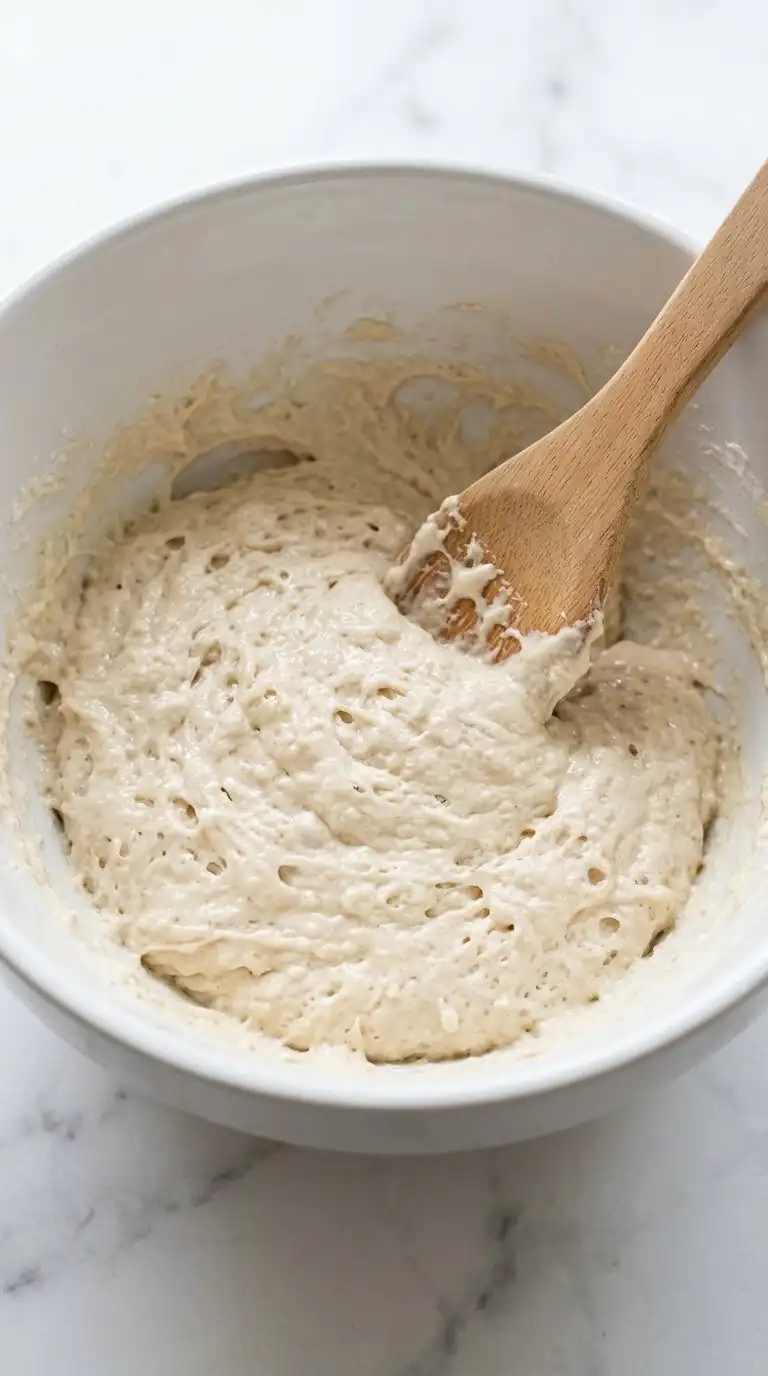
The magic of an exceptional English muffin lies entirely in the structure of the crumb, specifically those signature nooks and crannies that define the experience. This recipe achieves that texture through a rigorous two-stage proofing process that prioritizes hydration and yeast activity. During the initial bulk fermentation, the dough is allowed to double in size in a warm, draft-free environment at approximately 75°F for two hours. This slow development allows the gluten network to become supple enough to trap gases produced by the yeast. Once portioned, the second proofing phase is critical; it is here that the structural integrity of the bubbles is established.
When the dough hits the preheated heavy-bottomed skillet, the sudden application of heat causes these internal air pockets to expand rapidly before the exterior sets. By maintaining a steady griddle temperature of 300°F, we ensure that the steam trapped within the dough pushes against the elastic walls of the crumb, creating a honeycomb-like interior. If the temperature is too high, the outside hardens too quickly, preventing this rise and leading to a dense, bread-like texture that ruins the purpose of the muffin. The result of this patience is a muffin that acts as a reservoir for butter and preserves, keeping every topping suspended in its craggy surface rather than letting it soak through to the plate. Avoiding the common mistake of over-kneading ensures the dough remains aerated and light, rather than becoming tough or chewy after cooking.
Pro Tips for Better Results
- Always split the muffins with a fork instead of a knife to preserve the nooks and crannies. By inserting the tines of a fork around the perimeter of the muffin and gently prying it apart, you pull the internal bread structure into peaks and valleys. Using a knife slices through these delicate structures, creating a flat, dense surface that cannot hold toppings effectively.
- Do not rush the proofing time; a slow rise is essential for flavor and height. If the dough does not ferment for the full duration, the crumb will be tight and heavy. You should look for a visual doubling in volume and a bubbly surface texture before moving to the griddle. If you see the dough collapsing slightly when touched, it has reached its peak capacity to hold gas.
- Keep the heat low so the centers have time to cook through without burning the exterior. An ideal stovetop setup uses a cast iron skillet over medium-low flame, aiming for a surface temperature of 300°F. If the heat is too aggressive, the crust will develop a dark, bitter color before the steam inside has fully cooked the center. Aim for 7 to 9 minutes per side. A common mistake is flipping too early; wait until the edges appear dry and the muffin is firm to the touch before attempting to turn. If the center still feels doughy after the prescribed time, transfer the muffins to a 350°F oven for five minutes to finish the interior.
Nutrition Facts (per serving)
| Nutrient | Amount |
|---|---|
| Calories | 210 kcal |
| Carbohydrates | 42g |
| Protein | 7g |
These values are estimates based on standard baking ingredients and are meant for general guidance.
Figures are estimates; you can check individual ingredients in USDA FoodData Central.
Instructions
- Whisk the warm milk, water, honey, and yeast in a large bowl, letting it sit for five minutes until foamy to ensure your yeast is active.
- Mix in the flour, salt, melted butter, and baking soda until a soft, slightly sticky dough forms, which helps maintain the airy crumb.
- Knead the dough for eight minutes on a lightly floured surface until smooth and elastic, creating the necessary structure for those signature bubbles.
- Place the dough in a greased bowl and cover it with a warm cloth for 90 minutes to double in size for a light texture.
- Punch down the dough and divide it into 12 equal portions, rolling each into a tight ball to ensure even cooking.
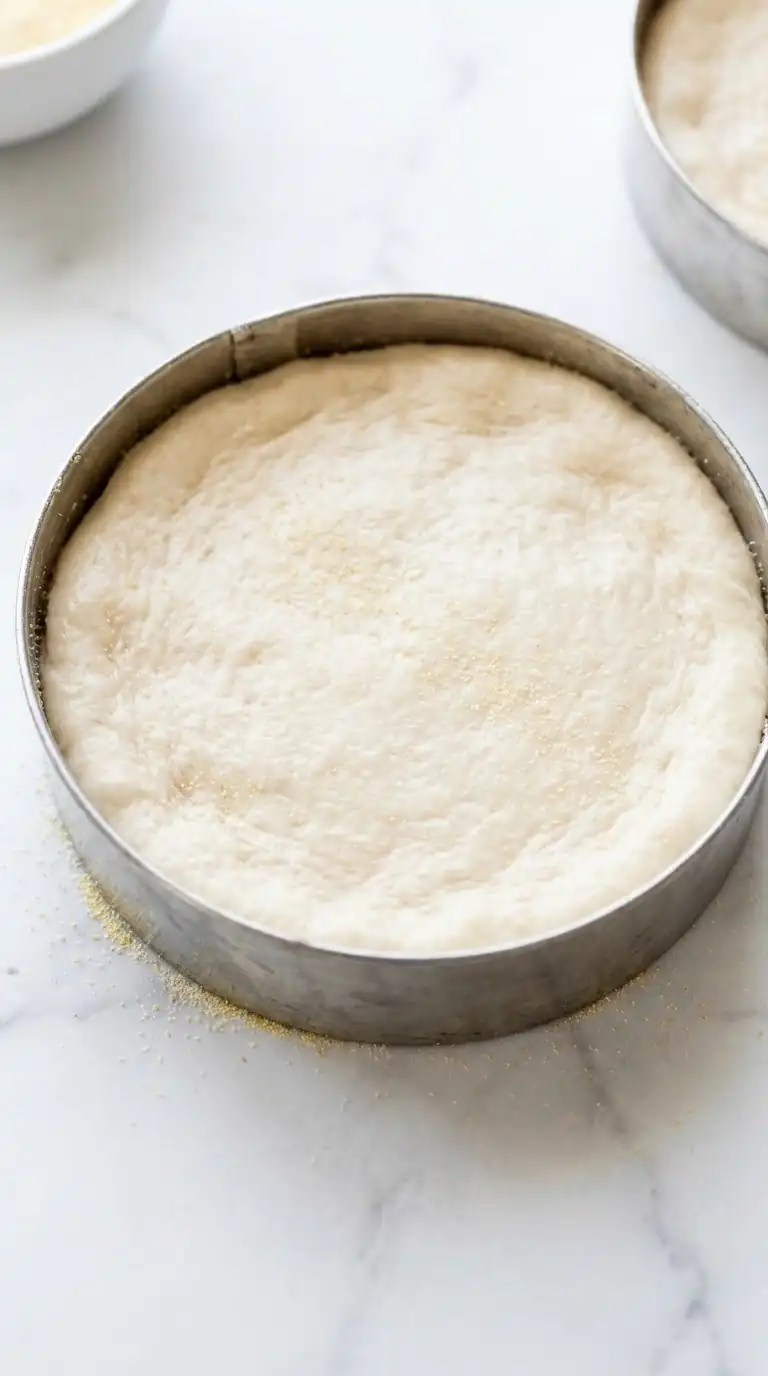
- Press the balls into discs about 3/4-inch thick and place them on a tray heavily dusted with cornmeal, covering them for 30 minutes to proof again.
- Heat a large heavy-bottomed skillet over medium-low heat with a little butter, cooking the muffins for 7 to 9 minutes per side until golden brown.
- Use a fork to gently pry the edges apart once cooled, revealing the porous interior that is essential for holding butter or savory toppings.
Recipe Variations
Elevating Your Morning Bread
English muffins serve as a blank canvas, making them the perfect vehicle for subtle culinary experimentation. For a sophisticated, savory breakfast, incorporate finely minced fresh rosemary or dried thyme into your dry ingredients before adding the liquid. The essential oils in these herbs infuse the dough during the proofing process, creating a fragrant muffin that pairs exceptionally well with sautéed mushrooms or roasted tomatoes. When working with dry herbs, ensure they are pulverized into a fine consistency; large, woody pieces can disrupt the delicate crumb structure and cause the muffin to tear when being split. Another savory option is to fold in a half-cup of grated sharp cheddar cheese or toasted sesame seeds during the final shaping stage. The cheese creates pockets of melted fat that toast beautifully on the griddle, adding a crisp, salty edge to the muffin.
Simple English Muffin Ideas for Breakfast at Home
Looking for simple english muffin ideas for breakfast? These homemade English muffins are light, airy, and perfect for your morning routine.
Ingredients
Instructions
- Whisk the warm milk, water, honey, and yeast in a large bowl, letting it sit for five minutes until foamy to ensure your yeast is active.
- Mix in the flour, salt, melted butter, and baking soda until a soft, slightly sticky dough forms, which helps maintain the airy crumb.
- Knead the dough for eight minutes on a lightly floured surface until smooth and elastic, creating the necessary structure for those signature bubbles.
- Place the dough in a greased bowl and cover it with a warm cloth for 90 minutes to double in size for a light texture.
- Punch down the dough and divide it into 12 equal portions, rolling each into a tight ball to ensure even cooking.
- Press the balls into discs about 3/4-inch thick and place them on a tray heavily dusted with cornmeal, covering them for 30 minutes to proof again.
- Heat a large heavy-bottomed skillet over medium-low heat with a little butter, cooking the muffins for 7 to 9 minutes per side until golden brown.
- Use a fork to gently pry the edges apart once cooled, revealing the porous interior that is essential for holding butter or savory toppings.