Simple English Muffins Recipe in Oven
↓ Jump to Recipe
Learn how to make English muffins in the oven with this reliable guide. These homemade gems offer the perfect nooks and crannies for your morning.
Mastering a traditional English muffins recipe in oven allows you to enjoy fresh, bakery-quality bread right from your own kitchen. While these are often cooked on a griddle, using your oven provides a consistent, hands-off approach that yields impressive results. You will love the airy interior and the slightly crisp crust that develops during the baking process. This method is surprisingly simple and requires only basic pantry staples that you likely already have on hand. Follow along to create the ideal foundation for your breakfast eggs or a generous smear of jam.
Table of Contents
Table of Contents
Ingredients
- 4 cups all-purpose flour (500g)
- 1 tablespoon instant yeast (10g)
- 1.5 cups warm milk (360ml)
- 2 tablespoons sugar (25g)
- 1 teaspoon salt (6g)
- 4 tablespoons unsalted butter, softened (56g)
- 1/4 cup cornmeal (40g) for dusting
- 1 large egg (50g)
- 1/2 teaspoon honey (5g)
- 1/4 cup warm water (60ml)
To create the perfect English muffin, quality ingredients are key. Using whole milk ensures a tender, rich crumb, while the cornmeal provides the classic crunch on the exterior of the muffin.
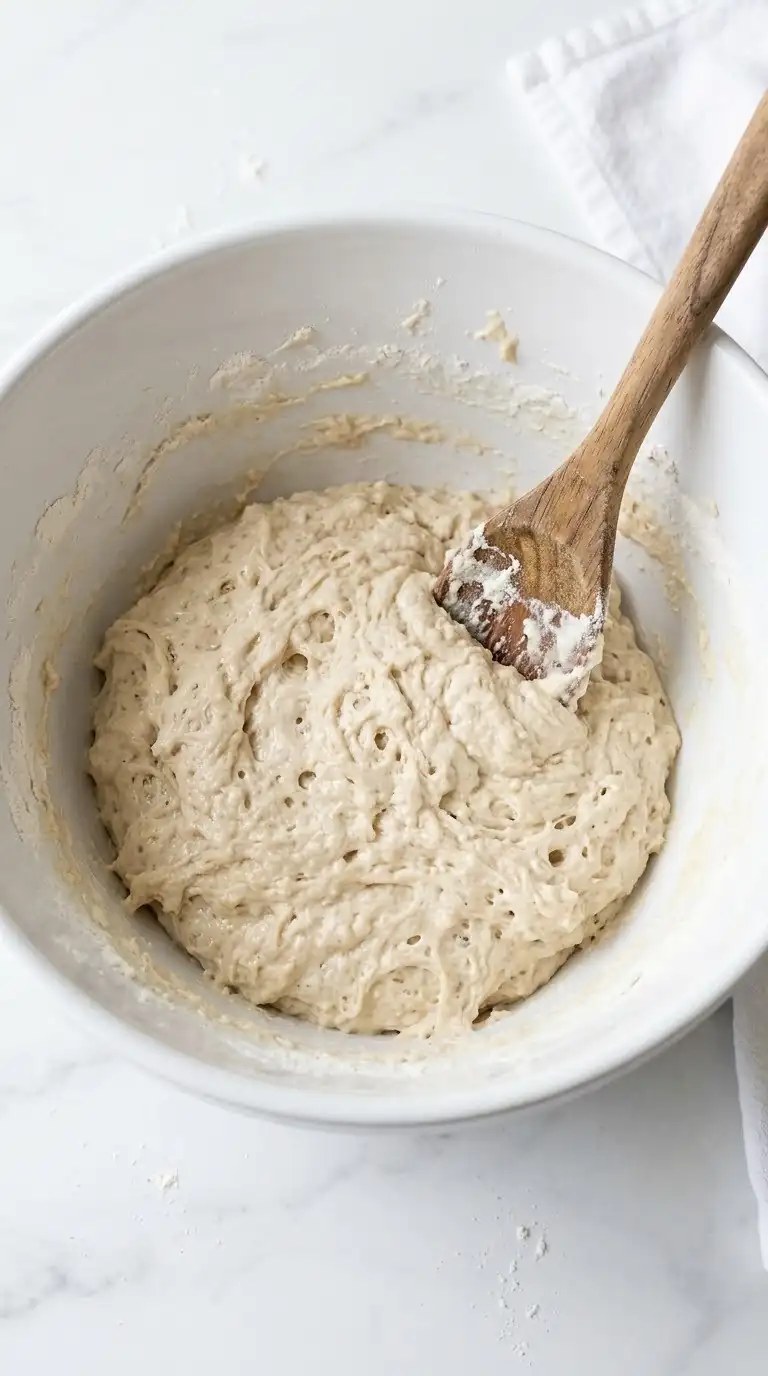
Essential Kitchen Tools
Equipment Needed
| Tool | Purpose |
|---|---|
| Mixing Bowl | Combining dough |
| Baking Sheet | Baking the muffins |
| Wire Rack | Cooling the muffins |
| Fork | Splitting for nooks |
Why This Recipe Works
The Science Behind the Perfect Crumb
This recipe achieves the signature nooks and crannies of a classic English muffin by utilizing a high-hydration dough that generates significant internal steam when placed in a hot oven. Unlike denser bread rolls, the high water content allows the gas produced by the yeast to expand rapidly, creating a porous, open crumb structure that is ideal for soaking up butter and preserves. By opting for an oven-baked method rather than the traditional stovetop skillet approach, we eliminate the uneven browning often caused by hot spots on a burner. An oven provides a consistent, ambient heat source, ensuring that every muffin on the baking sheet rises and browns at the exact same rate.
To ensure success, the dough undergoes a slow bulk fermentation. This resting period allows the gluten network to relax and the yeast to produce complex organic acids, which provide that subtle, tangy depth of flavor typical of fermented breads. The heat from the oven sets the exterior crust quickly, locking in moisture while the interior remains pillowy and soft. This process requires precise control of the oven temperature, specifically at 375 degrees Fahrenheit (190 degrees Celsius), to ensure the muffins rise before the outer structure sets. If the oven is too cool, the muffins will spread; if too hot, the exterior will darken before the center reaches the correct temperature. Following these thermodynamic principles ensures a professional-grade result every time you bake.
Pro Tips for Better Results
Refining Your Technique
- Temperature Control: Ensure your milk is heated to exactly 105-110 degrees Fahrenheit (40-43 degrees Celsius). Use a digital thermometer to confirm this; if the milk exceeds 120 degrees Fahrenheit, it will deactivate the yeast, leading to flat, dense muffins that refuse to rise properly.
- Texture Optimization: To achieve that quintessential rustic base, dust your baking sheet generously with coarse cornmeal. This not only prevents sticking but also adds a satisfying, subtle crunch to the bottom of the muffin, mimicking the texture of traditional stone-ground varieties.
- Preserving the Structure: When the muffins are cooled, resist the temptation to use a knife to slice them open. A knife compresses the airy interior, effectively destroying the nooks and crannies you worked so hard to create. Instead, insert the tines of a sturdy fork around the circumference of the muffin, gently prying it open. This process pulls the crumb apart, creating jagged, uneven surfaces that are perfect for trapping butter, honey, or jam.
- Avoiding Common Errors: One common mistake is rushing the proofing process. If the dough has not doubled in size during the initial rise, the internal structure will be too dense. Be patient and allow the yeast sufficient time to work. Additionally, ensure your oven is fully preheated for at least 20 minutes before baking to guarantee the immediate steam production necessary for the rise. Proper spacing on the sheet is also vital; leave at least two inches between each muffin to allow for proper airflow and even golden-brown coloration on the sides.
Nutrition Facts (per serving)
| Nutrient | Amount |
|---|---|
| Calories | 185 kcal |
| Protein | 6g |
| Carbohydrates | 32g |
| Fat | 4g |
Figures are estimates; you can check individual ingredients in USDA FoodData Central.
Instructions
- Whisk the warm milk, water, sugar, honey, and yeast together in a large bowl, letting it sit for 5 minutes until frothy to ensure the yeast is active.
- Add the softened butter, egg, and half of the flour, mixing with a wooden spoon until a shaggy dough begins to form.
- Gradually incorporate the remaining flour and salt, kneading the dough on a lightly floured surface for about 8 minutes to develop gluten for structure.
- Place the dough in a greased bowl, cover with a warm towel, and let it rise for 60 to 90 minutes until it has doubled in size.
- Punch down the risen dough and divide it into 12 equal portions, rolling each into a smooth, round ball with your palms.
- Press the dough balls into flattened discs and place them on a baking sheet heavily dusted with cornmeal to prevent sticking and add texture.
- Preheat your oven to 375°F (190°C) and allow the discs to puff up for another 20 minutes while the oven reaches temperature.
- Bake the muffins for 20 to 25 minutes, flipping them halfway through, until they reach a golden brown color and sound hollow when tapped.
- Cool the muffins completely on a wire rack before splitting them with a fork to maintain those signature interior air pockets.
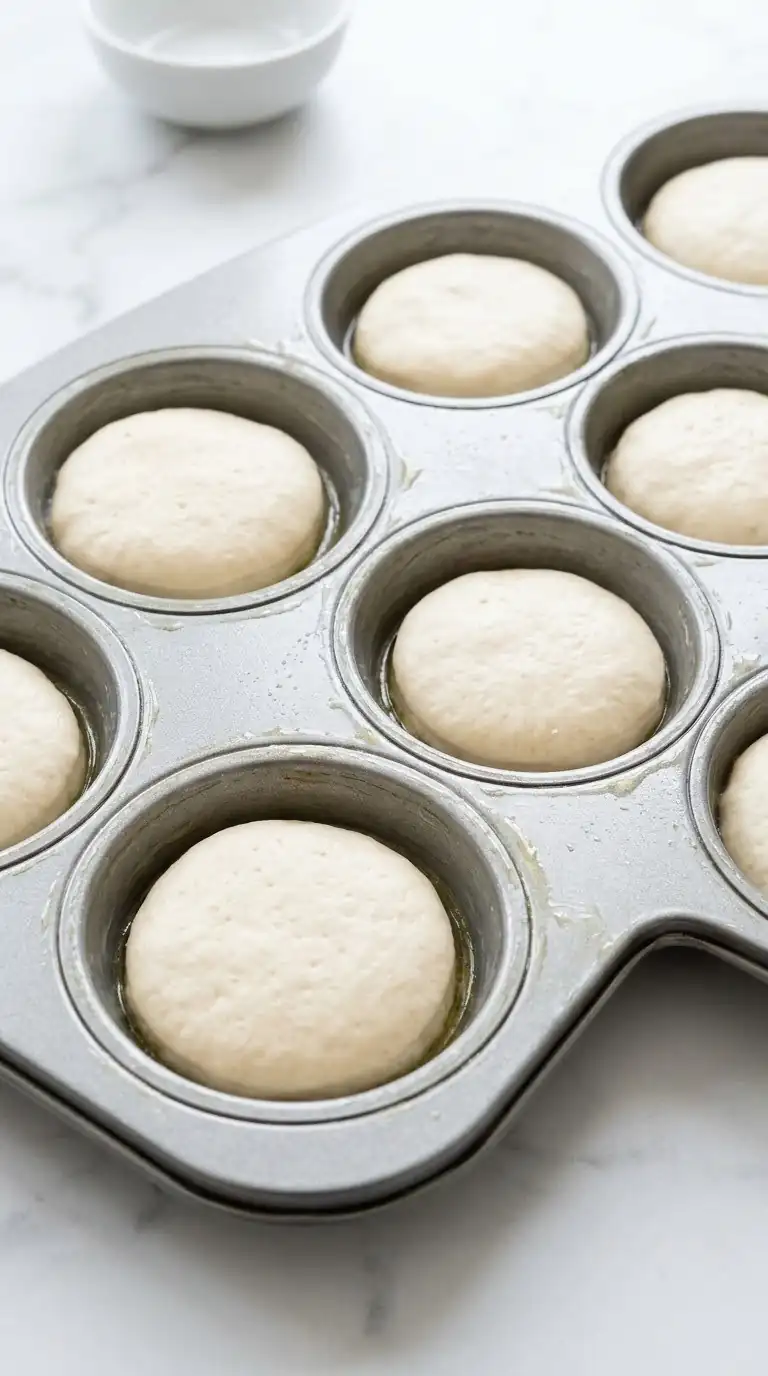
Recipe Variations
Customizing Your Muffins
The base recipe for these oven-baked English muffins is incredibly versatile, serving as a blank canvas for various flavor profiles. For a savory enhancement, incorporate one tablespoon of finely minced, dried rosemary or thyme directly into your dry flour mixture before adding the wet ingredients. The oils in the herbs will infuse the dough during the fermentation process, resulting in a fragrant muffin that pairs exceptionally well with savory breakfast sandwiches or simple avocado toppings. You may also add a quarter cup of shredded sharp cheese for a rich, melty interior, though be sure to adjust your mixing time to ensure the cheese is evenly distributed without overworking the gluten.
If you prefer a sweeter profile, modify the dough by adding a teaspoon of ground cinnamon and a quarter cup of dried currants during the final minute of the kneading process. The cinnamon provides a warming scent that permeates the entire kitchen, while the currants add small bursts of sweetness that contrast perfectly with the slightly acidic tang of the fermented dough. When opting for these sweet additions, consider brushing the tops of the muffins with a light honey glaze immediately after removing them from the oven for a glossy finish. Regardless of the flavor profile, keep the hydration levels consistent to ensure the texture remains airy. Always fold in your dry flavorings carefully to avoid bruising the dough, which maintains the integrity of the air bubbles. These variations allow you to transform a staple breakfast item into a gourmet experience that highlights seasonal ingredients while maintaining the authentic, soft-yet-sturdy texture of the classic English muffin.
Serving Ideas
Simple English Muffins Recipe in Oven
Learn how to make English muffins in the oven with this reliable guide. These homemade gems offer the perfect nooks and crannies for your morning.
Ingredients
Instructions
- Whisk the warm milk, water, sugar, honey, and yeast together in a large bowl, letting it sit for 5 minutes until frothy to ensure the yeast is active.
- Add the softened butter, egg, and half of the flour, mixing with a wooden spoon until a shaggy dough begins to form.
- Gradually incorporate the remaining flour and salt, kneading the dough on a lightly floured surface for about 8 minutes to develop gluten for structure.
- Place the dough in a greased bowl, cover with a warm towel, and let it rise for 60 to 90 minutes until it has doubled in size.
- Punch down the risen dough and divide it into 12 equal portions, rolling each into a smooth, round ball with your palms.
- Press the dough balls into flattened discs and place them on a baking sheet heavily dusted with cornmeal to prevent sticking and add texture.
- Preheat your oven to 375°F (190°C) and allow the discs to puff up for another 20 minutes while the oven reaches temperature.
- Bake the muffins for 20 to 25 minutes, flipping them halfway through, until they reach a golden brown color and sound hollow when tapped.
- Cool the muffins completely on a wire rack before splitting them with a fork to maintain those signature interior air pockets.