Simple English Muffin Ideas for Breakfast at Home: Step-by-Step Instructions
If you prefer a sweeter profile, consider introducing warmth and sweetness directly into the dough. A tablespoon of ground cinnamon combined with a quarter-cup of dried currants or chopped dried apricots offers a natural sweetness that eliminates the need for extra syrups. To keep the texture light, ensure the dried fruit is rehydrated in warm water for ten minutes before being folded into the dough, which prevents the fruit from absorbing moisture from the muffin itself and leaving it dry. When adding sugars or spices, be mindful that these ingredients can slightly speed up yeast activity; monitor your proofing time closely, as the dough may reach its peak twenty minutes earlier than the plain version. These adjustments work best when the muffins are toasted until golden brown, allowing the spices to become fragrant and the fruit to caramelize slightly against the hot surface.
Serving Ideas
Creative Toppings and Culinary Applications
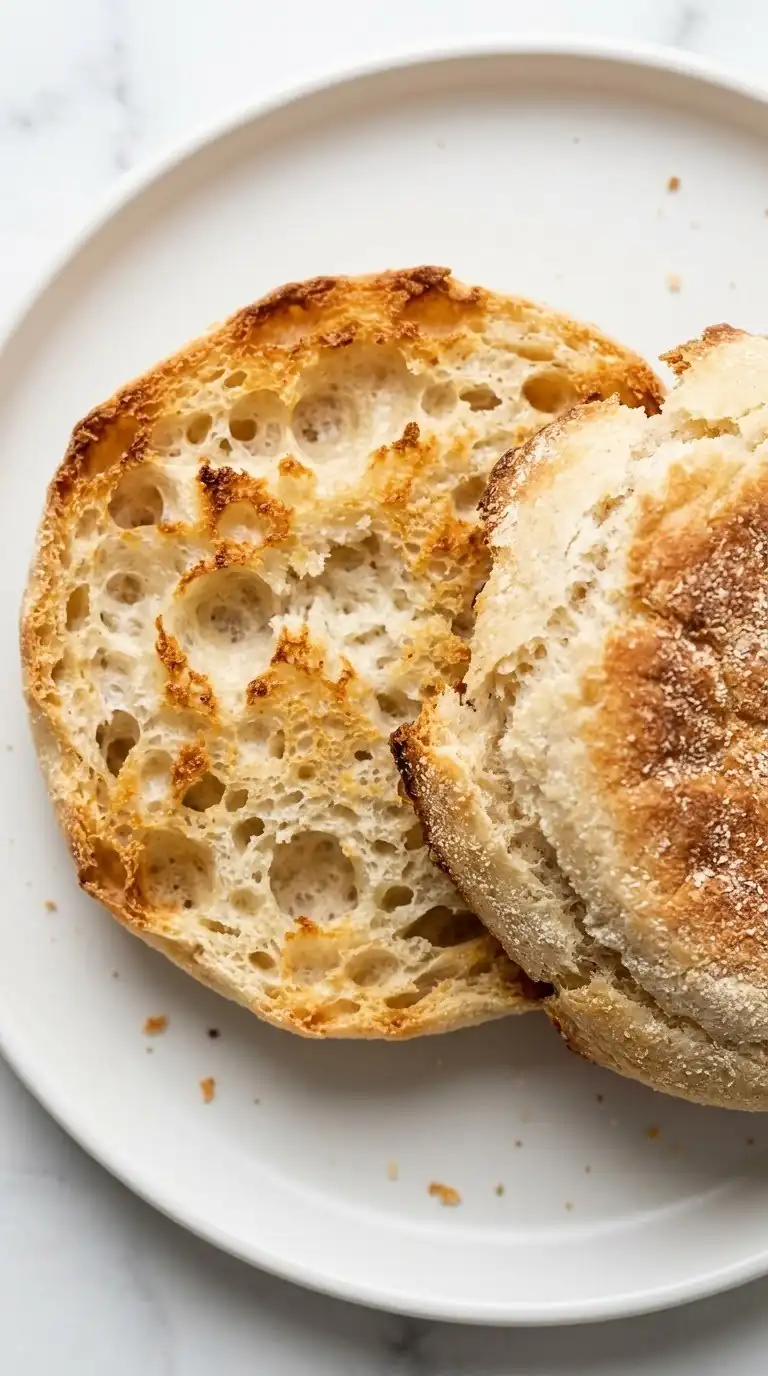
Transforming a toasted English muffin into a gourmet breakfast requires understanding texture. The ideal muffin possesses a craggy interior that acts as a reservoir for toppings. To achieve the perfect base, split the muffin with a fork rather than a knife; this preserves the internal 'nooks and crannies' that hold sauces and fats. For a savory start, try smashed avocado seasoned with sea salt, crushed red pepper, and a dash of lemon juice. Top this with a soft-poached egg—cooked for exactly three minutes in simmering water—to allow the yolk to soak into the bread's porous structure without making it soggy.
Alternatively, repurpose your muffins into mini breakfast pizzas. Preheat your oven to 400°F (200°C) and toast the muffins lightly for three minutes to prevent them from becoming chewy. Spread a thin layer of thick, herb-infused marinara sauce, ensuring you do not saturate the crumb. Add a generous portion of shredded low-moisture mozzarella, which melts more evenly than fresh varieties. Bake for 8–10 minutes until the cheese is bubbling and slightly golden. Avoid common mistakes like overloading with watery vegetables, which can seep into the bread and ruin the structural integrity. By using a fork-split surface, you ensure every bite has the perfect ratio of crunchy edges to tender, sauce-filled centers, proving that these muffins are the most versatile foundation for a creative morning meal.
Keeping It Fresh
Storage and Preservation Techniques
Maintaining the integrity of your muffins after baking is just as important as the recipe itself. The primary enemy of a fresh muffin is moisture imbalance, which can lead to mold or, conversely, a stale, hardened texture. Once removed from the oven, allow your muffins to cool completely on a wire rack for at least one hour. Placing warm muffins into an airtight container causes condensation to build, which will soften the crust and invite spoilage. Once fully cooled, store them in an airtight container or a heavy-duty resealable bag at room temperature for up to three days. If your kitchen is exceptionally humid, you may store them in the refrigerator, though this can sometimes accelerate starch retrogradation, making them feel slightly firmer.
For longer storage, freezing is the superior method. Place cooled muffins in a freezer-safe bag, pressing out as much air as possible to prevent frost buildup, which leads to freezer burn and unpleasant ice crystals. When stored at 0°F (-18°C), they will remain fresh for up to one month. To serve, do not thaw them at room temperature, as this can result in a gummy texture. Instead, pull a frozen muffin directly from the freezer and place it into a preheated toaster or a 350°F oven for five to seven minutes. This method effectively 're-bakes' the moisture, restoring the signature crisp exterior and steaming the tender interior, ensuring that even a month-old muffin tastes as if it just came off the griddle.
For safe storage times, the USDA guidance on leftovers and food safety is a useful reference.
Reader Questions Answered
What is the best way to serve a breakfast with english muffins?
The best way to enjoy them is toasted until crisp, then topped with a generous smear of salted butter and homemade fruit preserves. For something heartier, use them as the base for a savory sandwich with eggs and greens.
How do I build the perfect english muffin recipe breakfast sandwich?
Start by toasting the muffin until it is golden and crisp enough to support your fillings. Layer on a soft-scrambled egg, a slice of sharp white cheddar, and a splash of hot sauce for the ultimate balance of flavors.
Are these the best english muffins for breakfast sandwiches?
Yes, because the porous crumb of these muffins is designed to soak up sauces, melted cheese, and egg yolks. The high-sided structure prevents your sandwich fillings from sliding out during your meal.
Can I make these muffins ahead of time?
Absolutely, they freeze beautifully for up to one month. Simply slice them before freezing, then pop them directly into your toaster whenever you need a quick start to your day.
Why do I need to use cornmeal for the exterior?
Cornmeal provides a distinct, pleasant crunch and prevents the dough from sticking to the skillet during the slow-cooking process. It also adds a subtle, nutty flavor that pairs perfectly with the toasted dough.
What if my muffins are doughy in the middle?
If the muffins are browning too fast on the outside but stay doughy, turn the heat down slightly. Using a heavy-bottomed skillet ensures even heat distribution, allowing the center to cook through properly.
More Muffin Recipes to Try
Wrapping Up
Refining Your Breakfast Routine
Mastering the art of the English muffin is a technical journey that rewards patience and attention to detail. The process of developing the signature porous structure—those essential nooks and crannies—depends heavily on a high-hydration dough and a controlled griddle temperature. A common error beginners make is rushing the griddle phase; aim for 300°F (150°C) and cook for roughly seven minutes per side. If the heat is too high, the exterior will darken or burn before the center has a chance to set and rise properly. When you hit the sweet spot, the steam created inside the dough expands the internal air pockets, creating the light, airy lift that defines a superior muffin.
Once you experience the contrast between the deeply toasted, crunchy outer rim and the soft, steam-puffed interior, store-bought alternatives will lose their appeal. This homemade foundation offers a blank canvas for both sweet and savory experimentation. Whether you are layering on fruit preserves or constructing a robust sandwich, the reliability of a well-made muffin ensures your breakfast is always satisfying. As you continue to refine your technique—monitoring flour-to-liquid ratios and perfecting the gentle handle required to keep the dough airy—you will find that your daily breakfast becomes a highlight rather than a routine. Enjoy the process of creating these artisanal breads, take pride in the alchemy of yeast and heat, and embrace the delicious results that come from taking control of your ingredients. Your breakfast table will never be the same again.
Related recipes: Simple Homemade Healthy English Muffins Recipe, Simple Homemade English Muffins Without Cornmeal, Simple English Muffins Recipe in Oven, Simple English Muffin Pizza for Baby and Toddlers, Simple Homemade Sourdough English Muffins.
Learn more: Breakfast on Wikipedia · food storage & safety (FoodSafety.gov).
◆ ◆ ◆
← Back to Simple English Muffin Ideas for Breakfast at HomeGet new recipes
One tasty homemade recipe in your inbox each week. No spam, unsubscribe anytime.


Comments