Simple English Muffins Recipe in Oven: Step-by-Step Instructions
Elevating Your English Muffin Experience
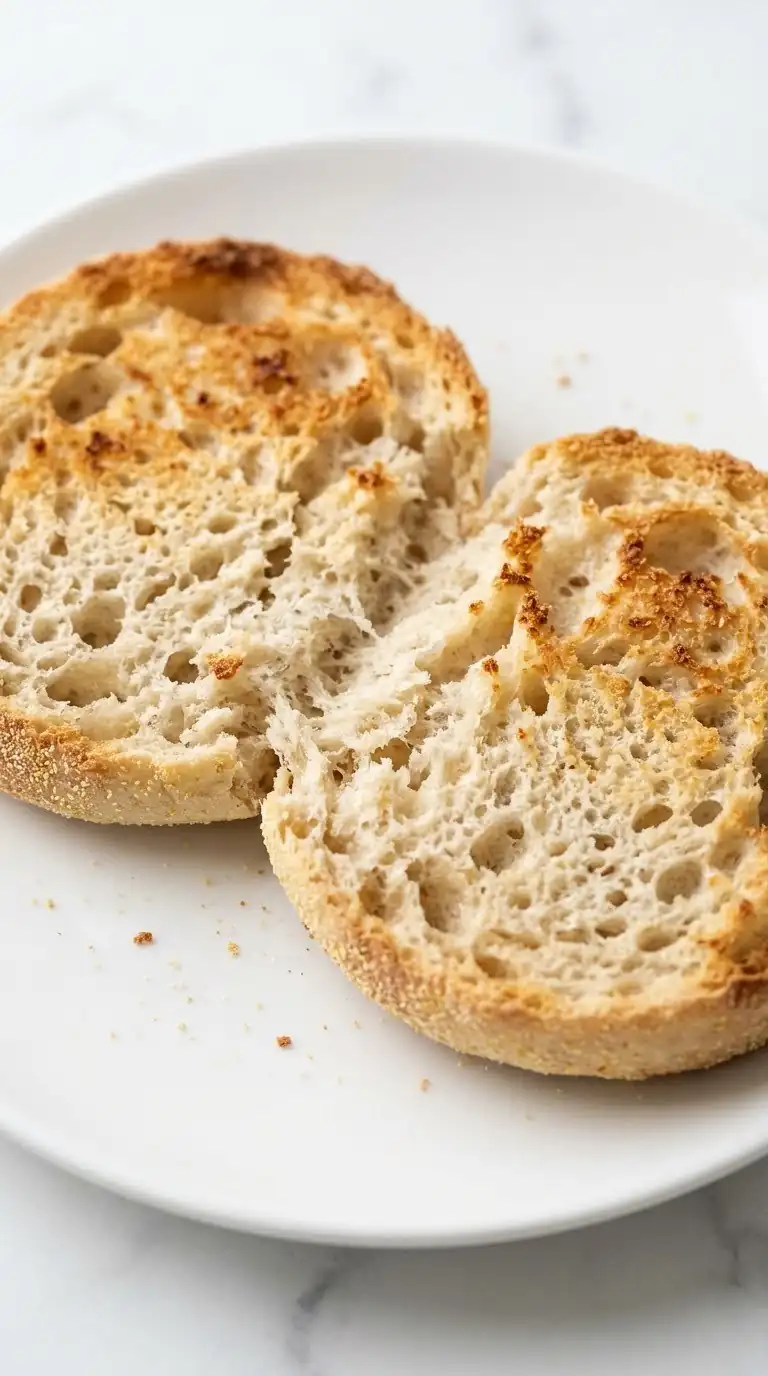
The beauty of a perfectly baked English muffin lies in its versatility, acting as a canvas for both sweet and savory accompaniments. When served straight from the oven or toasted to a golden brown, these muffins offer a distinct texture characterized by a crisp exterior and a tender, airy interior full of nooks and crannies. For a classic morning treat, split the muffin with a fork—rather than a knife—to preserve those desirable craters that capture melting butter. A generous pat of high-quality salted butter, applied while the muffin is piping hot, allows the fats to soak into the crevices, creating a rich mouthfeel. Pair this with homemade berry preserves or local honey to contrast the slight tang of the fermented dough.
Beyond breakfast, these muffins shine as a base for gourmet savory dishes. Consider a sophisticated take on eggs Benedict by layering a toasted muffin half with sautéed spinach, a perfectly poached egg with a runny yolk, and a velvety scratch-made hollandaise sauce. The sturdy structure of the oven-baked crumb holds up remarkably well against moisture, preventing the base from becoming soggy. For a more robust meal, assemble a breakfast sandwich using thin slices of aged cheddar, a folded fluffy omelet, and a touch of cracked black pepper. If you prefer a lighter approach, top a split muffin with smashed avocado, a squeeze of fresh lime juice, and a sprinkle of crushed red pepper flakes for a satisfying midday snack that balances complexity and simple, rustic comfort.
Keeping It Fresh
Preservation and Texture Maintenance
Maintaining the integrity of your homemade English muffins is crucial to ensuring they taste as fresh on day three as they did on day one. Because this recipe relies on a natural crumb structure without the use of artificial stabilizers, proper storage is paramount. Once the muffins have cooled completely on a wire rack—typically taking about an hour—transfer them to an airtight plastic bag or a glass container with a tight-fitting lid. Keeping them at room temperature is acceptable if they will be consumed within 48 hours; however, in warmer climates or humid environments, storing them in the refrigerator can prevent mold growth. If you choose to refrigerate them, be aware that the starch may retrogradate, making the texture firmer, which is why revitalizing them is an essential final step.
To regain that characteristic 'snap' and toasted aroma, never rely on a microwave, which will turn the crumb gummy and tough. Instead, prioritize the use of a standard toaster or a cast-iron skillet. Set your toaster to a medium-high setting, allowing the exterior to undergo a secondary caramelization process that creates a deep, golden crust while leaving the center soft. For those without a toaster, place the split halves face-down in a dry, preheated skillet over medium heat for approximately two minutes per side. This method ensures an even distribution of heat and reinforces the internal structure. If you have baked a large batch, these muffins freeze exceptionally well. Wrap each individual muffin in parchment paper and place them in a freezer-safe bag, where they can stay fresh for up to one month. Thaw at room temperature before toasting.
For safe storage times, the USDA guidance on leftovers and food safety is a useful reference.
Reader Questions Answered
What is the best way to handle an english muffin keeper?
An english muffin keeper is essentially any airtight container or bread box that prevents the muffins from drying out. For the best results, keep your cooled muffins in a sealed bag at room temperature for up to three days. If you need to store them longer, freezing is the preferred method to maintain freshness.
How does this compare to l'oven english muffins?
While store-bought varieties like those from common brands are convenient, homemade versions offer a superior flavor profile and texture. By making them from scratch, you avoid preservatives and can enjoy them warm right after baking. The homemade version tends to have a more distinct, airy crumb structure that holds toppings better.
Can I prepare english muffin eggs in oven alongside the bread?
Yes, you can certainly bake eggs in a muffin tin while the bread is in the oven. Simply crack eggs into a greased muffin tray and bake them at the same temperature until the whites are set. This allows you to assemble a quick breakfast sandwich entirely using the oven.
Why must I use a fork to split them?
Using a fork to split English muffins is essential to preserve the nooks and crannies inside. A knife tends to slice through the air pockets, creating a smooth surface that lacks the texture needed to hold butter and honey effectively. Piercing the edge around the circumference with a fork allows the muffin to pull apart gently.
How do I know the muffins are done?
The muffins are fully baked when the crust turns a deep golden brown and the base feels firm to the touch. A reliable way to check is the tap test: pick up a muffin and tap the bottom; it should sound hollow. If they seem soft or doughy, give them an extra two minutes in the oven.
Can I freeze these muffins for later?
Absolutely, these freeze exceptionally well. Once cooled, place them in a freezer-safe bag and press out as much air as possible before sealing. They will remain fresh for up to two months and can be toasted directly from frozen.
More Muffin Recipes to Try
Wrapping Up
Refining Your Scratch-Baking Skills
Mastering the art of the oven-baked English muffin is a foundational skill that transforms your understanding of yeast-leavened doughs. Unlike quick breads, this process requires patience, specifically regarding the fermentation stages that develop the signature flavor profile. As you refine your technique, you will notice that the length of the proofing time directly influences the size of the internal bubbles, which are essential for holding jams and butter. Avoid the common mistake of rushing the second proof; if the dough feels dense before it reaches the oven, the resulting muffin will lack that light, pillowy mouthfeel. By focusing on temperature control and ensuring your oven is accurately preheated to 400 degrees Fahrenheit, you guarantee a consistent, professional-grade rise every single time.
Beyond the technical achievement, there is a profound sense of satisfaction in filling your home with the yeasty, toasted aroma of fresh bread. This recipe encourages a departure from mass-produced convenience foods, granting you total control over the ingredients and the final texture. As you move forward, feel free to experiment with the fermentation time or the inclusion of grains like cornmeal on the base to enhance the crunch. Treat this recipe not just as a set of instructions, but as a living technique that evolves with your experience. Whether you are preparing a weekend brunch for family or simply enjoying a quiet moment with a hot cup of tea, your homemade English muffins serve as a testament to the rewards of slow, thoughtful baking. Embrace the craft, enjoy the textures you have created, and savor the simplicity of a job well done.
Related recipes: Simple Homemade Healthy English Muffins Recipe, Simple Homemade English Muffins Without Cornmeal, Simple English Muffin Ideas for Breakfast at Home, Simple English Muffin Pizza for Baby and Toddlers, Simple Homemade Sourdough English Muffins.
Learn more: English on Wikipedia · food storage & safety (FoodSafety.gov).
◆ ◆ ◆
← Back to Simple English Muffins Recipe in OvenGet new recipes
One tasty homemade recipe in your inbox each week. No spam, unsubscribe anytime.


Comments