Simple Homemade English Muffins Without Cornmeal: Step-by-Step Instructions
Serving Ideas
Elevating Your English Muffin Experience
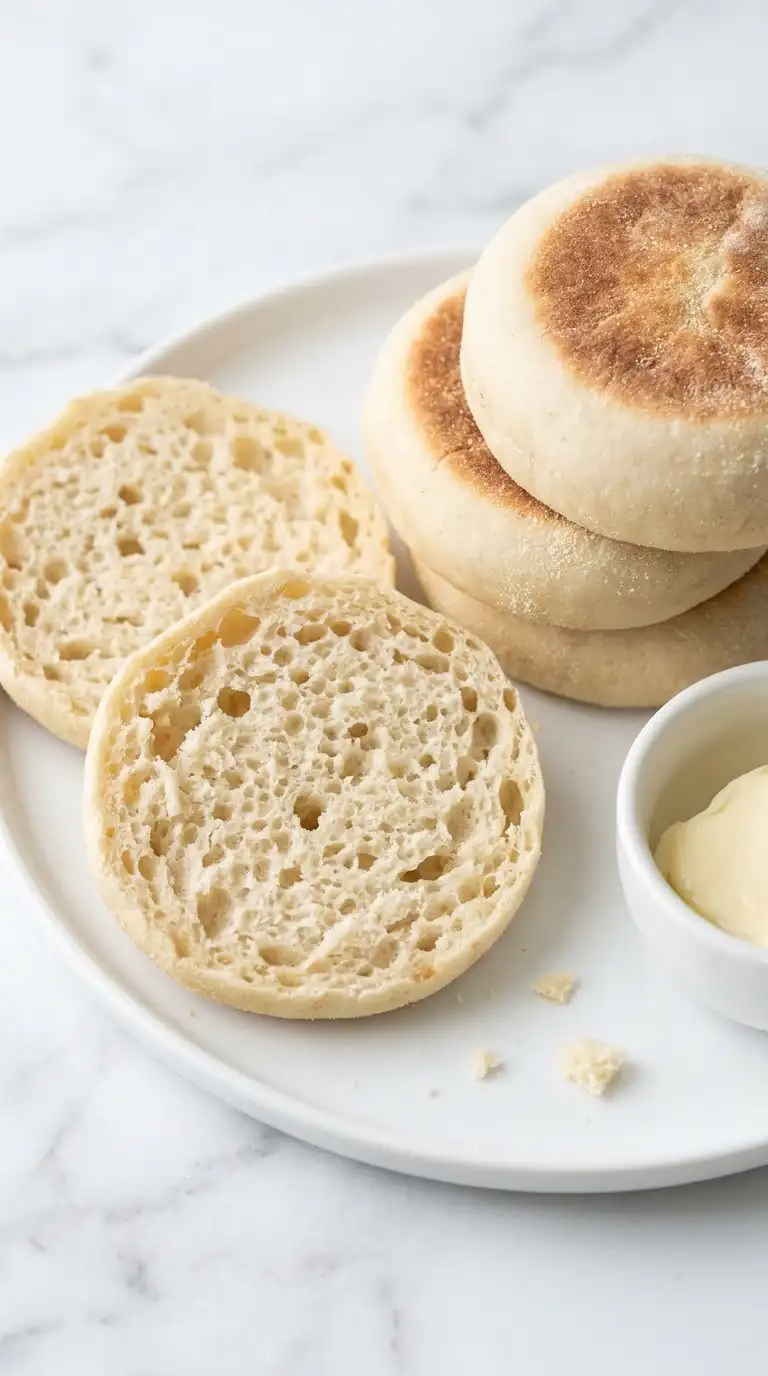
The beauty of a homemade English muffin lies in its signature nooks and crannies, which serve as perfect vessels for various toppings. While traditional recipes often rely on a gritty cornmeal dusting, opting for a smooth, flour-dusted bottom results in a cleaner, more delicate finish that highlights the sourdough or yeast-leavened flavor profile. When serving, always split the muffin with a fork rather than a knife. By piercing the circumference and pulling the halves apart, you preserve the internal structure, creating those uneven peaks and valleys that capture melted butter and fruit spreads.
For a classic morning treat, toast your muffin until the edges are golden brown, roughly 3 to 4 minutes under a broiler or in a toaster set to medium-high. Apply salted butter immediately while the surface is still hot to ensure it penetrates the pores. Pair this with a high-quality berry jam or a thick layer of local honey. If you are preparing a savory breakfast, consider the following combinations:
- Eggs Benedict Base: Use the muffin as a sturdy foundation for a poached egg and a bright, lemony hollandaise sauce. The absence of cornmeal prevents an unwanted sandy texture against the creamy egg yolk.
- Breakfast Sandwiches: Layer a fried egg, a slice of sharp cheddar cheese, and smashed avocado between the halves. The toasted surface provides a satisfying crunch that contrasts beautifully with the soft, airy interior.
- Artisanal Toasts: Spread a thin layer of cream cheese topped with smoked salmon, capers, and freshly cracked black pepper. The refined texture of a cornmeal-free muffin elevates this into a sophisticated meal rather than a quick snack.
Keeping It Fresh
Maximizing Texture and Shelf Life
Because these homemade English muffins lack commercial preservatives, proper storage is essential to maintaining their moisture and structure. After baking, it is critical that the muffins cool completely on a wire rack for at least one hour. If you place them in a container while they are still warm, the residual steam will soften the crisp exterior, resulting in a gummy or soggy texture. Once fully cooled, store them in an airtight container or a heavy-duty plastic bag at room temperature for up to three days. For the best experience, keep them away from direct sunlight or humid environments, which can lead to mold growth in a warm kitchen.
For longer-term storage, freezing is your best option to lock in the peak quality of the crumb. To freeze correctly, place the muffins in a single layer on a parchment-lined baking sheet and place them in the freezer for one hour, then transfer them to a freezer-safe bag. This 'flash-freezing' technique prevents the muffins from sticking together in one massive clump. When you are ready to serve, do not thaw them on the counter, as this can make the exterior lose its definition. Instead, toast them directly from the frozen state. Set your toaster to a lower heat setting than usual; this allows the frozen center to thaw and warm through without burning the exterior crust. This method restores that fresh-baked, airy interior perfectly, ensuring every muffin you pull from the freezer tastes as if it just came off the hot griddle even weeks later.
For safe storage times, the USDA guidance on leftovers and food safety is a useful reference.
Reader Questions Answered
Are these english muffins without dairy?
Yes, you can easily make these dairy-free by substituting the butter with a plant-based oil like melted coconut oil or avocado oil. Simply follow the same measurements provided in the recipe to ensure the structure remains intact.
How to make dairy free english muffins effectively?
To make dairy-free English muffins, focus on using a high-quality vegetable fat to ensure the crumb stays moist. Since dairy can provide a slight sweetness and tenderness, using a neutral oil will keep the flavor profile clean and perfect for savory breakfast sandwiches.
Can I make these english muffins without glyphosate?
To minimize potential exposure to pesticides like glyphosate, choose organic bread flour for your baking. Sourcing flour from local mills that utilize regenerative farming practices is another excellent way to ensure your ingredients are grown with high standards.
What are the l'oven fresh english muffin macros?
While store-bought options like L'oven Fresh usually contain around 120-130 calories and 25g of carbohydrates per serving, homemade versions often have slightly higher protein levels. Homemade muffins allow you to control the quality of ingredients, potentially offering a more nutrient-dense profile compared to mass-produced varieties.
What are the l'oven fresh plain english muffins ingredients?
Commercial brands often include enriched wheat flour, water, yeast, salt, and various dough conditioners to ensure a long shelf life. Our homemade version uses only basic pantry staples without unnecessary preservatives or additives, ensuring a fresh, clean taste.
Why avoid cornmeal in this recipe?
Some people find the texture of cornmeal on the bottom of a muffin distracting or simply dislike the grittiness. By using rice flour or extra bread flour for dusting, you maintain the non-stick surface without changing the flavor or texture of the muffin itself.
More Muffin Recipes to Try
Wrapping Up
Refining Your Craft
Mastering the art of English muffins without cornmeal is a rewarding culinary journey that transforms your relationship with breakfast. By eliminating the cornmeal dusting, you move away from the traditional rustic feel toward a refined, tender bake that showcases the quality of your flour and the fermentation of your dough. The secret to success lies in the griddle temperature; maintain a steady heat of approximately 300°F (150°C). If the skillet is too hot, the exterior will brown before the center is fully cooked, leaving you with a doughy, raw interior. If the heat is too low, you lose the signature golden-brown crust and the necessary lift. Aim for about 7 to 9 minutes per side, ensuring the middle reaches an internal temperature of roughly 200°F to guarantee a perfect crumb structure.
Do not be discouraged if your first batch is not perfectly symmetrical; the variations in shape are part of the artisanal charm of homemade bread. As you gain confidence, feel free to experiment with the recipe by incorporating seeds into the dough or adjusting the hydration levels to suit your preference for either a denser or a more aerated muffin. The process of managing the fermentation, shaping the dough, and monitoring the slow cook on the stove creates a deep appreciation for scratch cooking. Keep a consistent rhythm in your kitchen, document your times and temperatures, and you will eventually develop an instinct for when the muffins are perfectly ready to be flipped. Enjoy the process of baking, share your results with friends, and take pride in knowing exactly what goes into your daily bread.
Related recipes: Simple Homemade Healthy English Muffins Recipe, Simple Homemade Sourdough English Muffins, Classic Homemade English Muffin for Eggs Benedict, English Muffin Pizza, English muffin calories.
Learn more: Cornmeal on Wikipedia · food storage & safety (FoodSafety.gov).
◆ ◆ ◆
← Back to Simple Homemade English Muffins Without CornmealGet new recipes
One tasty homemade recipe in your inbox each week. No spam, unsubscribe anytime.


Comments